
Kenya Safaris
Masai Mara game drives, the Great Migration, and the Diani coastline.
About Kenya
Kenya has built its reputation over decades as one of Africa's premier safari destinations, sitting in east-central Africa alongside Uganda, Tanzania, Ethiopia, Somalia, South Sudan and the Indian Ocean. From Mount Kenya's peaks to the open plains of the Mara and the Great Wildebeest Migration, it offers a genuine range of safari and landscape experiences within a well-developed travel infrastructure.
This page is the starting point for planning Kenya with Ameera Africa Safaris. Below you will find our ready-made Kenya itineraries, a guide to every major park, reserve and coastal area, and links to the detailed planning pages we have written for each: where to stay, how to get there, the best time to visit, wildlife, birding and activities. Kenya pairs naturally with our Uganda programme, so we also point to the combination guides that join the two countries on one trip.
Kenya works well for a first safari because distances between the main parks are manageable, road and domestic air links are well established, and the choice of accommodation runs from simple tented camps to private conservancy lodges. It also rewards a second or third visit: the northern reserves, the Rift Valley lakes and the Lamu archipelago feel very different from the Mara and Amboseli circuit. If you are unsure where to start, read our Kenya travel guide and the month-by-month best time to visit Kenya, then send us your dates through the enquiry form.
| At a glance | Kenya |
|---|---|
| Known for | Masai Mara, Amboseli elephants, the Great Migration, Rift Valley lakes, Indian Ocean coast |
| Best for | First safaris, big cats, classic savannah scenery, safari-and-beach trips |
| Main regions | Southern parks, Central Highlands, Rift Valley, Northern reserves, Coast |
| Main gateways | Nairobi (Jomo Kenyatta International) and Mombasa |
| Dry seasons | Roughly January to February and June to October |
| Rainy seasons | Long rains March to May, short rains October to December |
Top Kenya Attractions
Each card below links to our main guide for that destination. Under every card you will find quick links to the detailed pages on that area: best time to visit, where to stay, getting there, itineraries, wildlife, birding and activities.
Masai Mara National Reserve
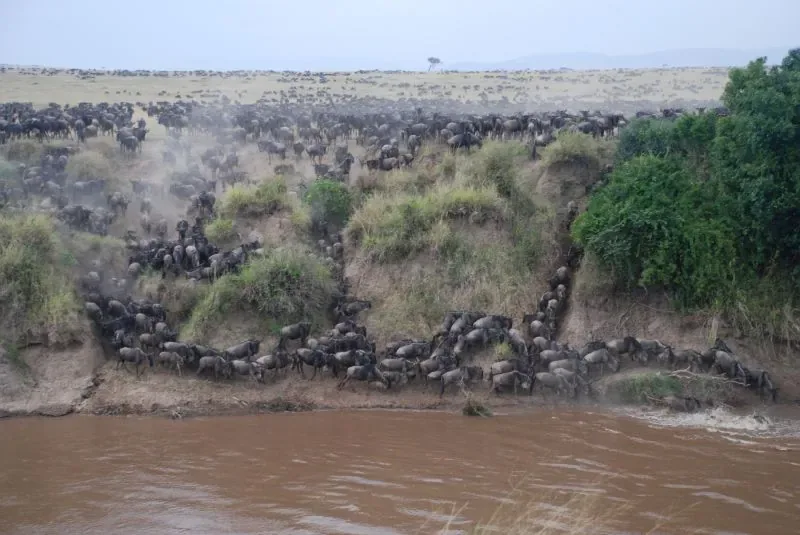
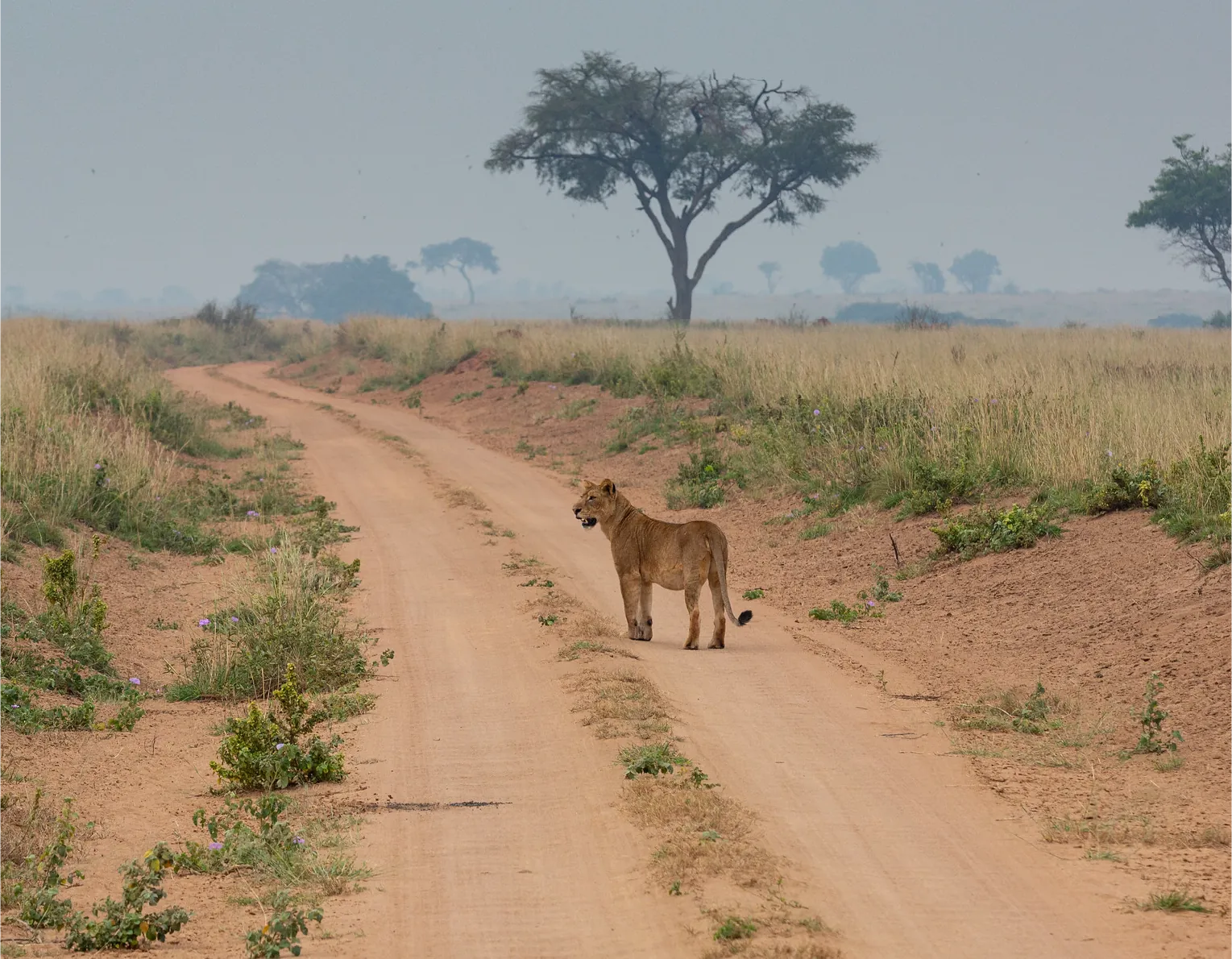
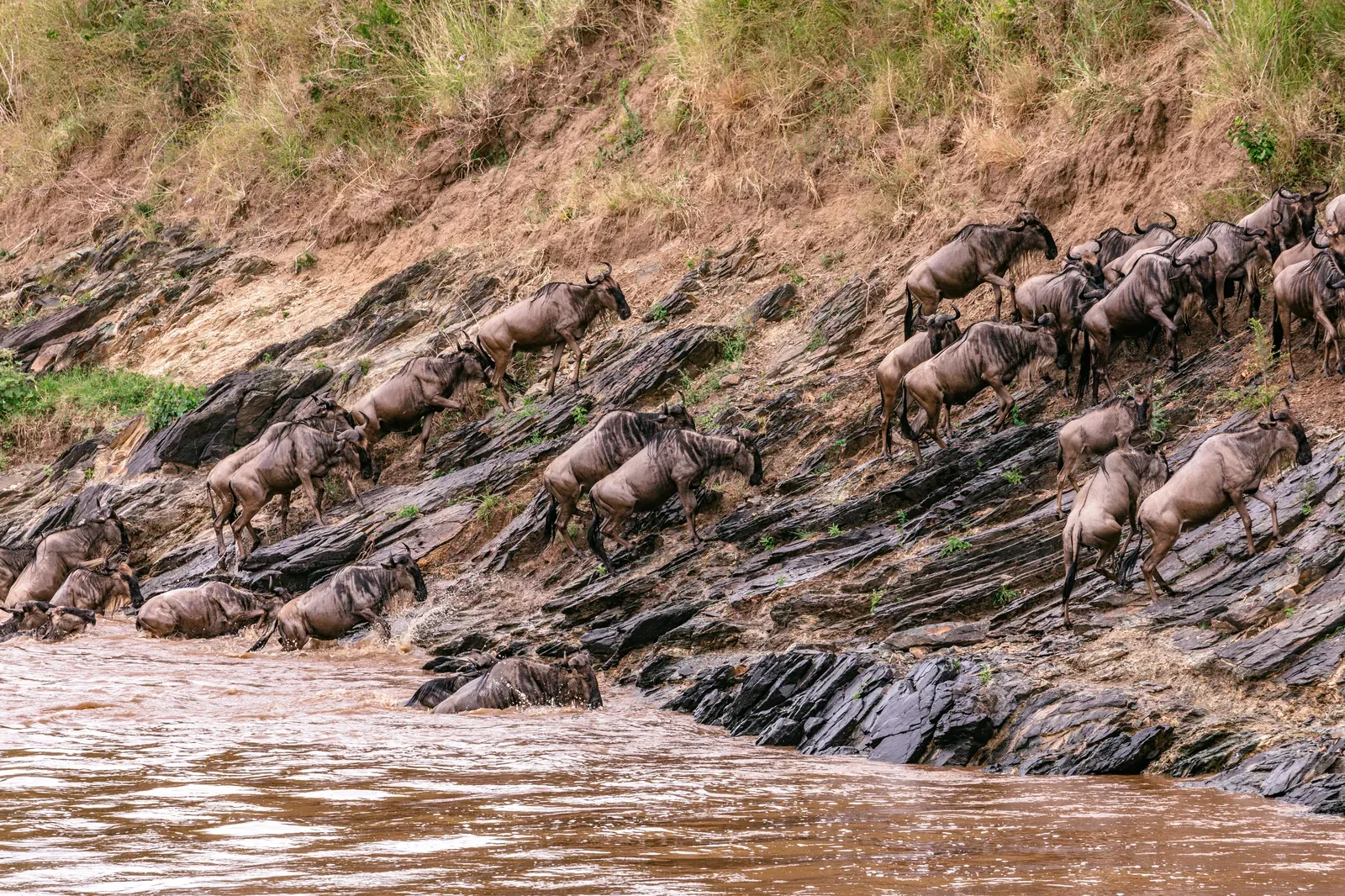
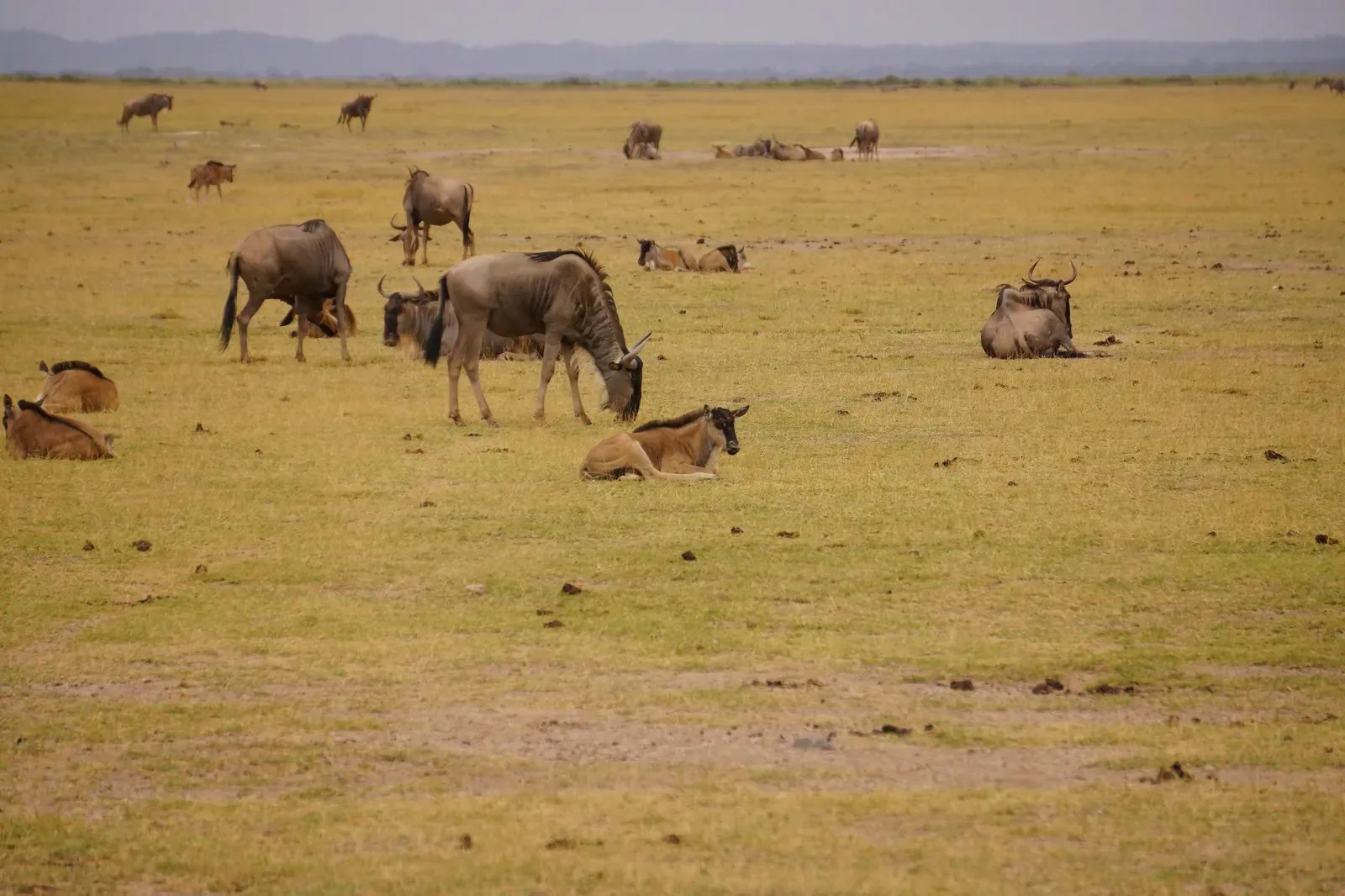
Kenya's best-known reserve is open savannah on the Tanzanian border, famous for lions, cheetahs, leopards, elephants and large herds of plains game. The wildebeest migration arrives in the second half of the year, and the Mara River crossings draw most visitors. Private conservancies on the reserve's edge offer quieter game drives and, in some cases, night drives and walks that the reserve itself does not allow.
Masai Mara National Reserve guides: Main guide · Where to stay · Best time to visit · Getting there · Itineraries · Wildlife · Activities · Birding · FAQs · Masai Mara Big Cats and Game Dr... · Masai Mara Conservancies Explained
Amboseli National Park
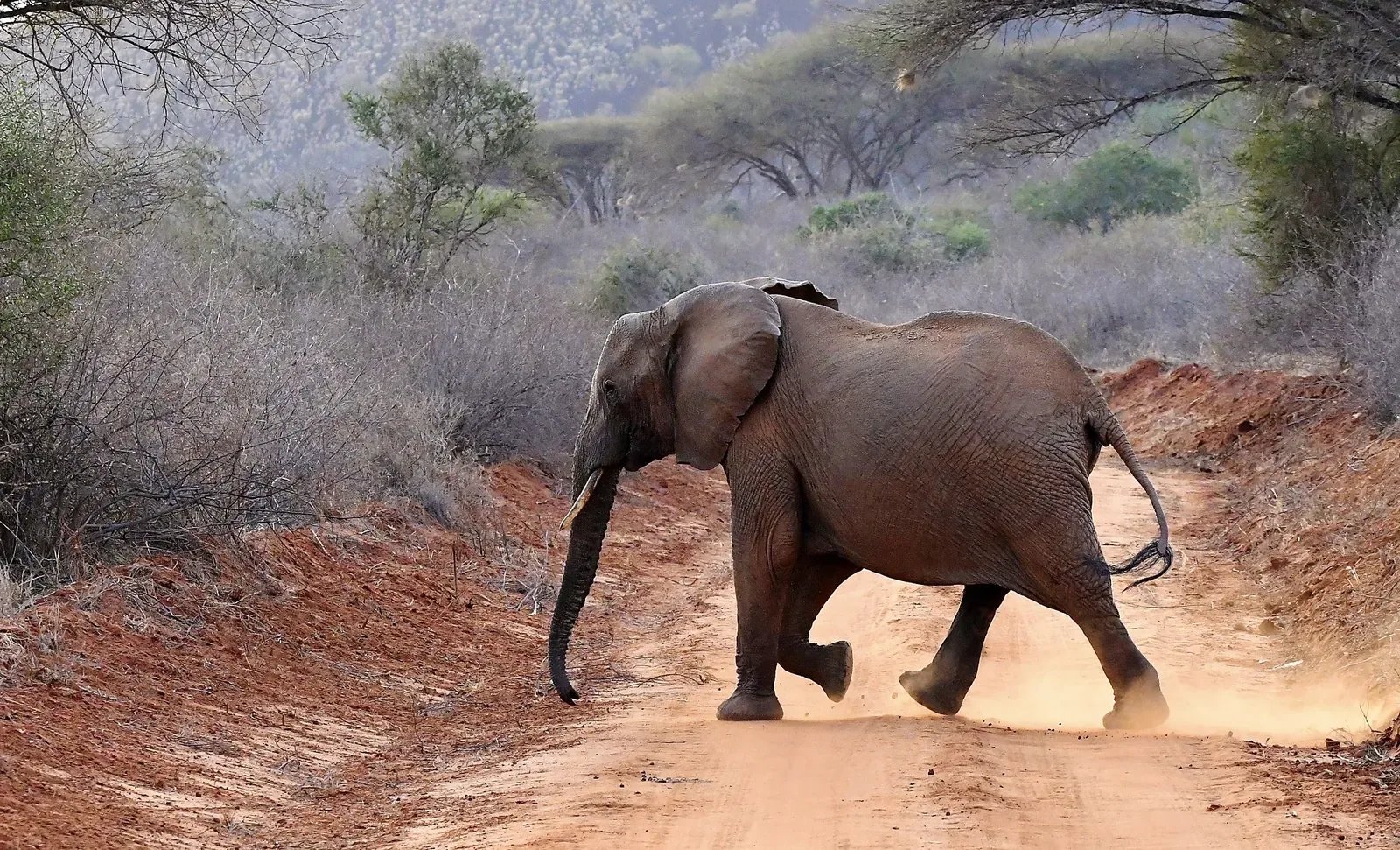
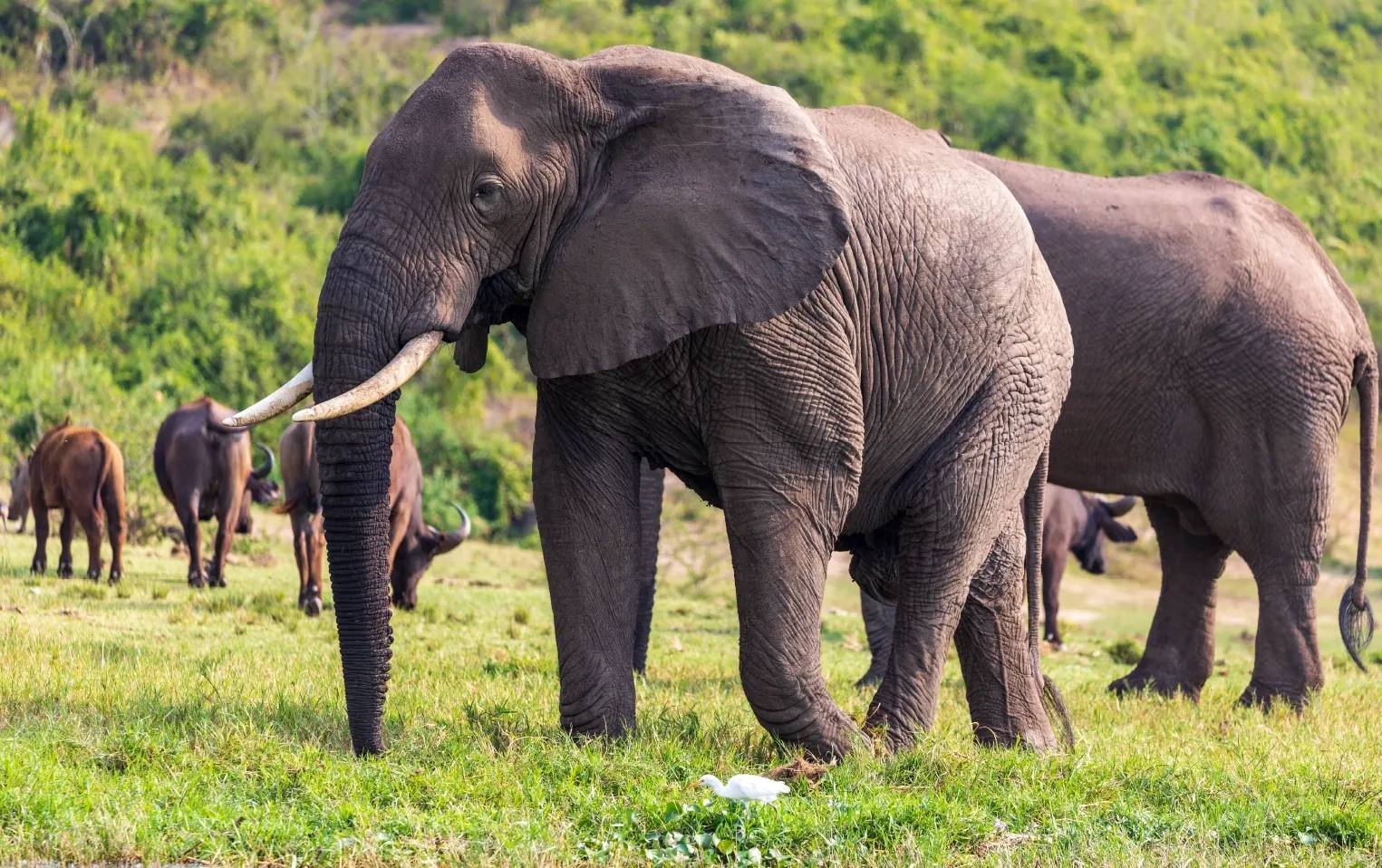
Amboseli is known for large, relaxed elephant herds against the profile of Mount Kilimanjaro, which rises just across the border in Tanzania. Swamps fed by snowmelt draw elephants, buffalo and hippos through the dry months, and the open plains suit photography. It sits a comfortable distance from Nairobi and combines easily with Tsavo West or the Mara.
Amboseli National Park guides: Main guide · Where to stay · Best time to visit · Getting there · Itineraries · Wildlife · Activities · Birding · FAQs · Amboseli in the Dry Season · Amboseli in the Rainy Season
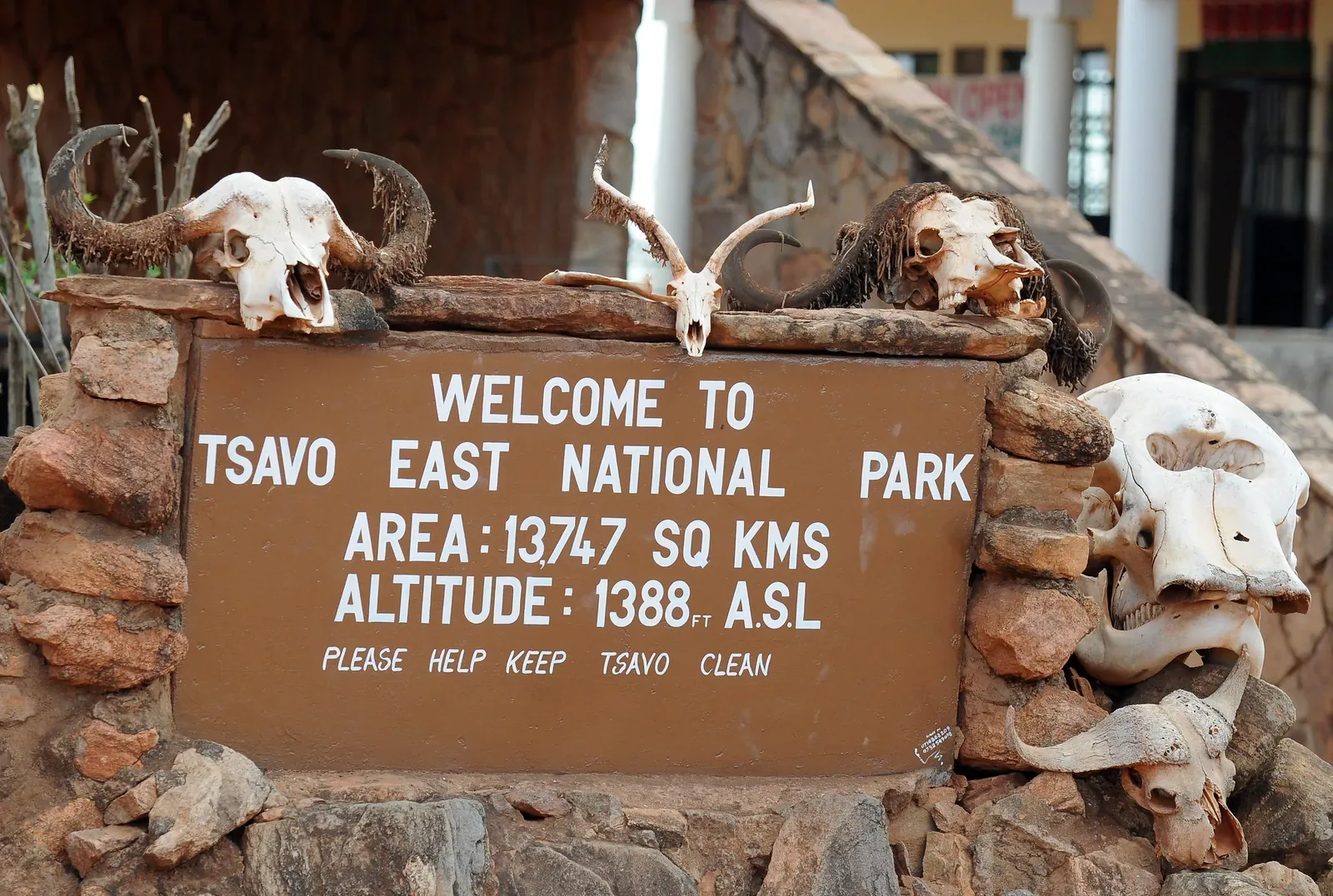
Tsavo East and Tsavo West
Together Tsavo East and Tsavo West make up Kenya's largest protected area. Tsavo East is dry, red-earth plains where elephants are often coated in dust; Tsavo West is more varied, with volcanic hills, springs and rocky scenery. Both are reached from Nairobi or the coast, which makes them a natural link between a bush safari and a beach stay.
Tsavo East guides: Main guide · Where to stay · Best time to visit · Getting there · Itineraries · Wildlife · Activities · Birding · FAQs · Tsavo East in the Dry Season · Tsavo East in the Rainy Season
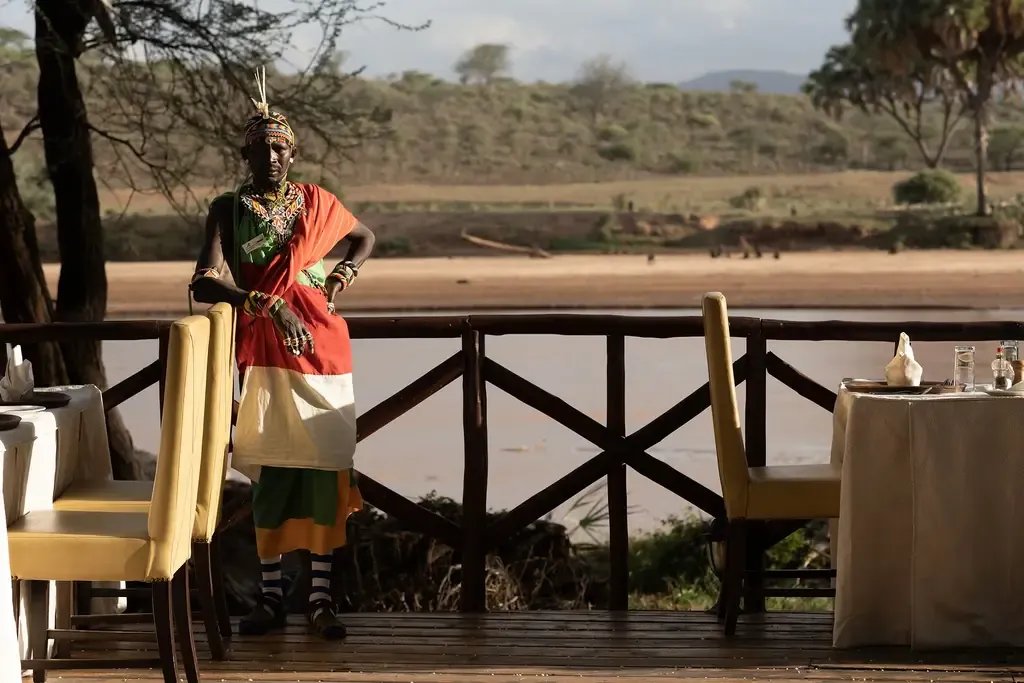
Samburu National Reserve
Samburu lies in Kenya's drier north along the Ewaso Nyiro River and is known for species rarely seen in the southern parks, often called the special five: Grevy's zebra, reticulated giraffe, Somali ostrich, beisa oryx and gerenuk. Elephants and big cats use the river corridor, and the Samburu people add a cultural dimension to the visit.
Samburu National Reserve guides: Main guide · Where to stay · Best time to visit · Getting there · Itineraries · Wildlife · Activities · Birding · FAQs · Samburu Culture Guide · Samburu in the Dry Season
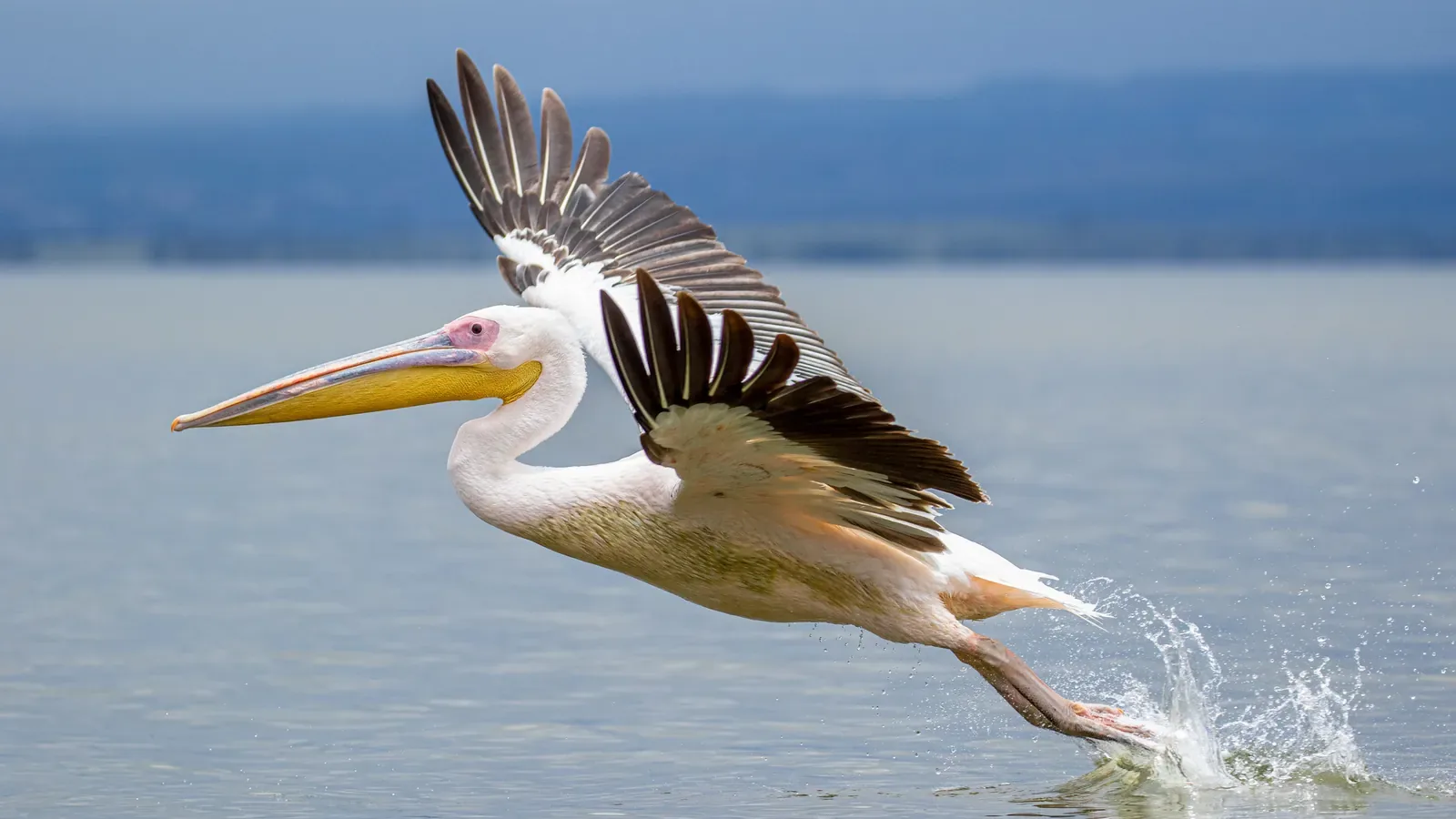
Lake Nakuru National Park
A compact park around a shallow soda lake in the Rift Valley, Lake Nakuru is a rhino sanctuary and a good birding destination, with large numbers of waterbirds and, when conditions suit, flamingos at the shore. Its small size means short drives between sightings, which suits a one-night stop between the Mara and the Central Highlands.
Lake Nakuru National Park guides: Main guide · Where to stay · Best time to visit · Getting there · Itineraries · Wildlife · Activities · Birding · FAQs · Lake Nakuru in the Dry Season · Lake Nakuru in the Rainy Season
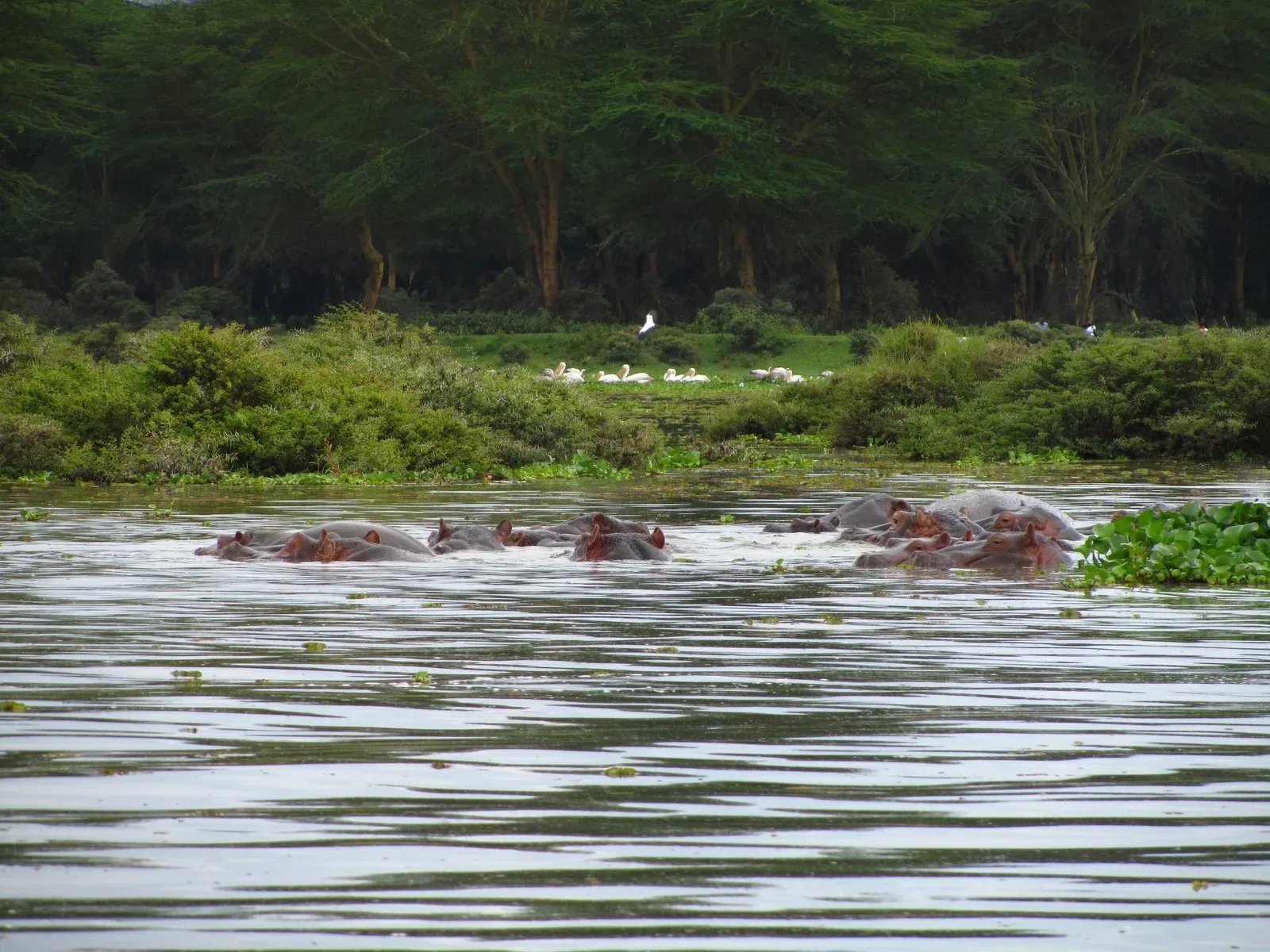
Lake Naivasha and Hell's Gate
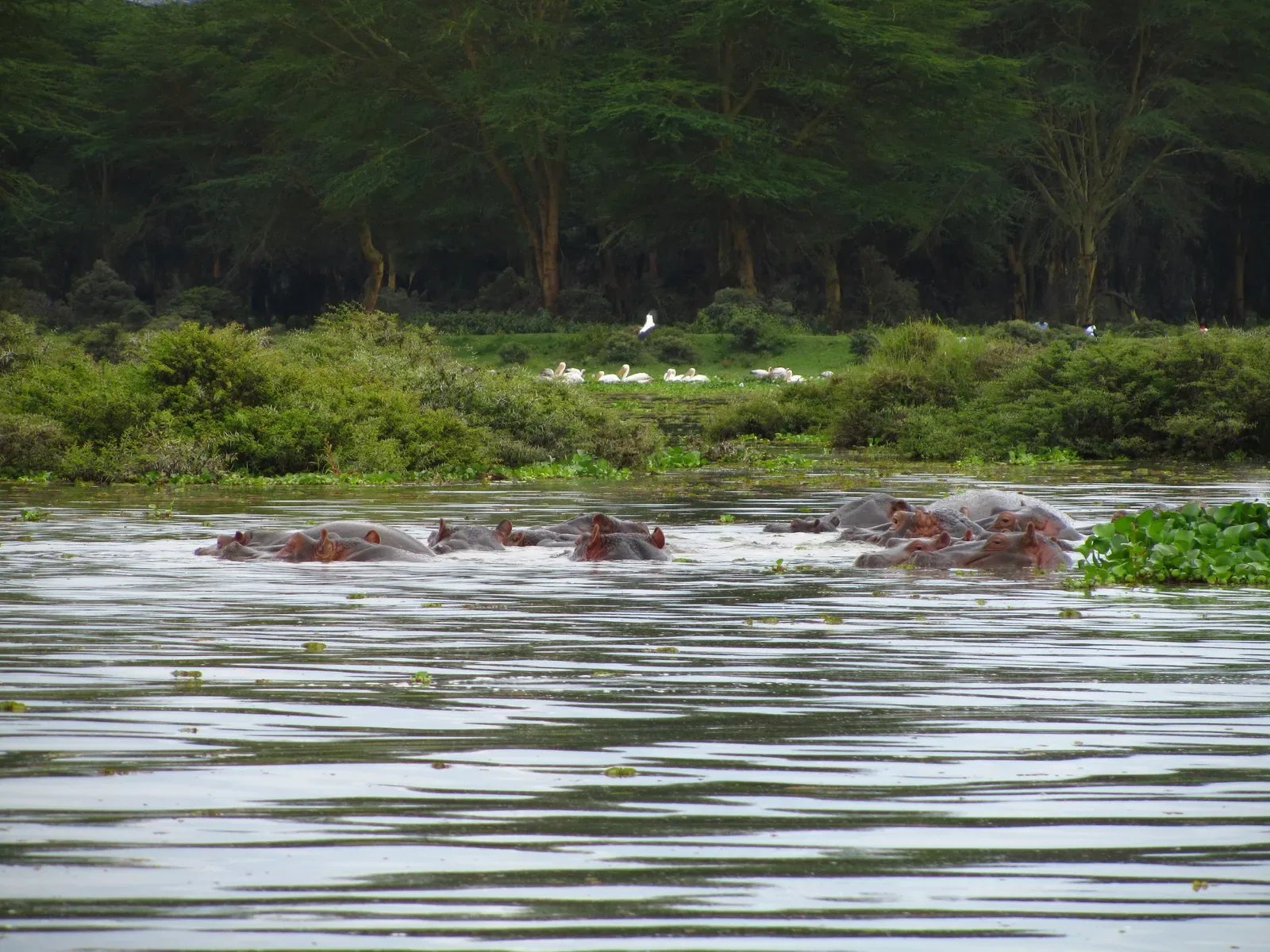
Naivasha is a freshwater Rift Valley lake with hippos, fish eagles and papyrus-fringed shores, easily explored by boat. Nearby Hell's Gate National Park is one of the few Kenyan parks where visitors can walk or cycle among zebra, giraffe and buffalo, with dramatic cliffs and gorges as the setting.
Lake Naivasha guides: Main guide · Where to stay · Best time to visit · Getting there · Itineraries · Wildlife · Activities · Birding · FAQs · Naivasha Town Guide
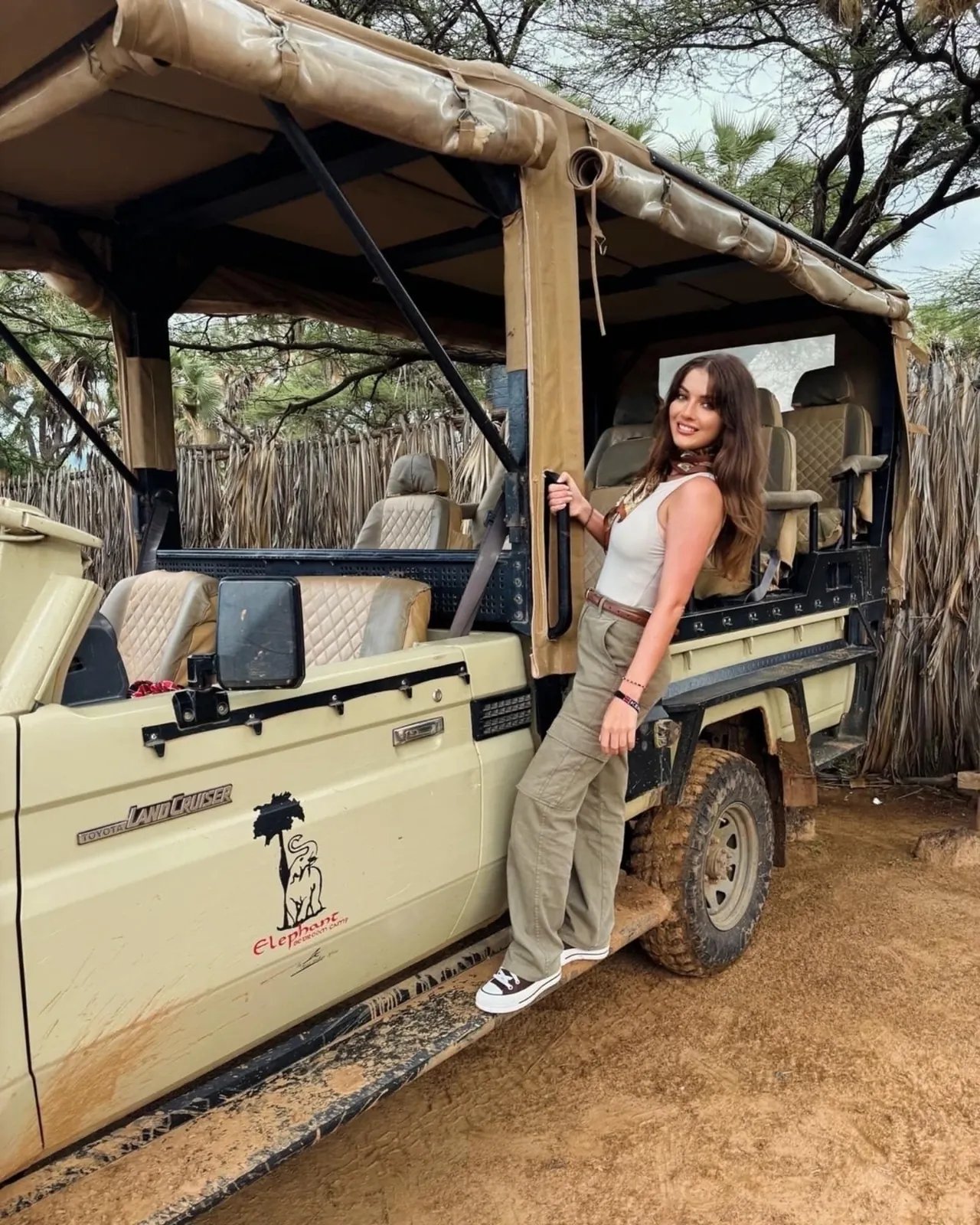
Laikipia and Ol Pejeta Conservancy
The Laikipia plateau, north-west of Mount Kenya, is a patchwork of conservancies and private ranches with a strong conservation focus. Ol Pejeta is home to black rhinos, the last northern white rhinos and a chimpanzee sanctuary, and many Laikipia properties offer walking, horse and camel safaris as well as night drives.
Laikipia guides: Main guide · Where to stay · Best time to visit · Getting there · Itineraries · Wildlife · Activities · FAQs · Nanyuki Guide
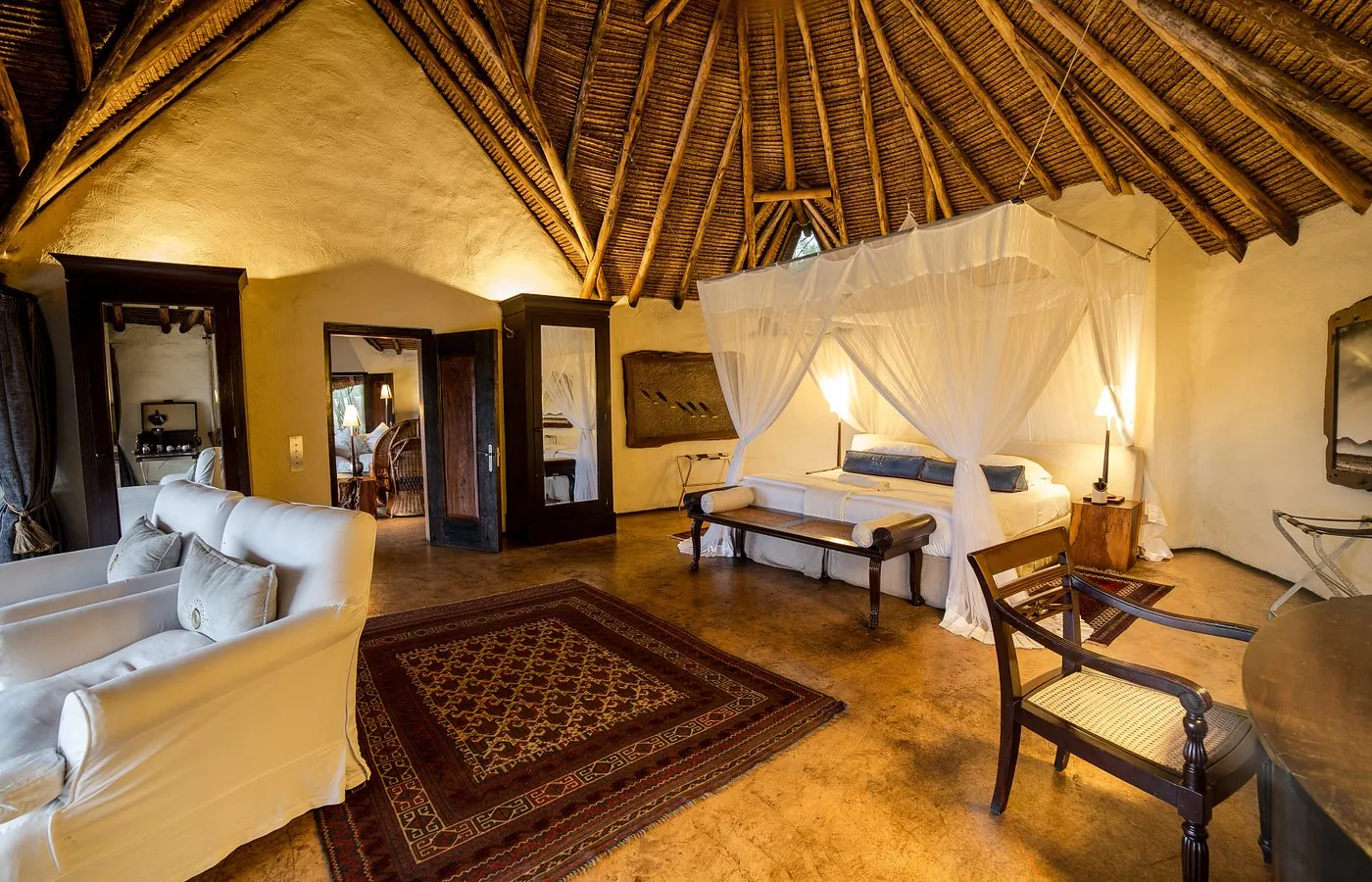
Lewa Wildlife Conservancy
Lewa is a long-established rhino conservancy in the foothills of Mount Kenya and one of the better-known examples of community-linked conservation in the country. It is a calm, scenic area for game drives, walks and horse riding, and it works well in a northern Kenya itinerary alongside Samburu or Laikipia.
Lewa Wildlife Conservancy guides: Main guide · Where to stay · Best time to visit · Getting there · Itineraries · Activities · Birding · FAQs
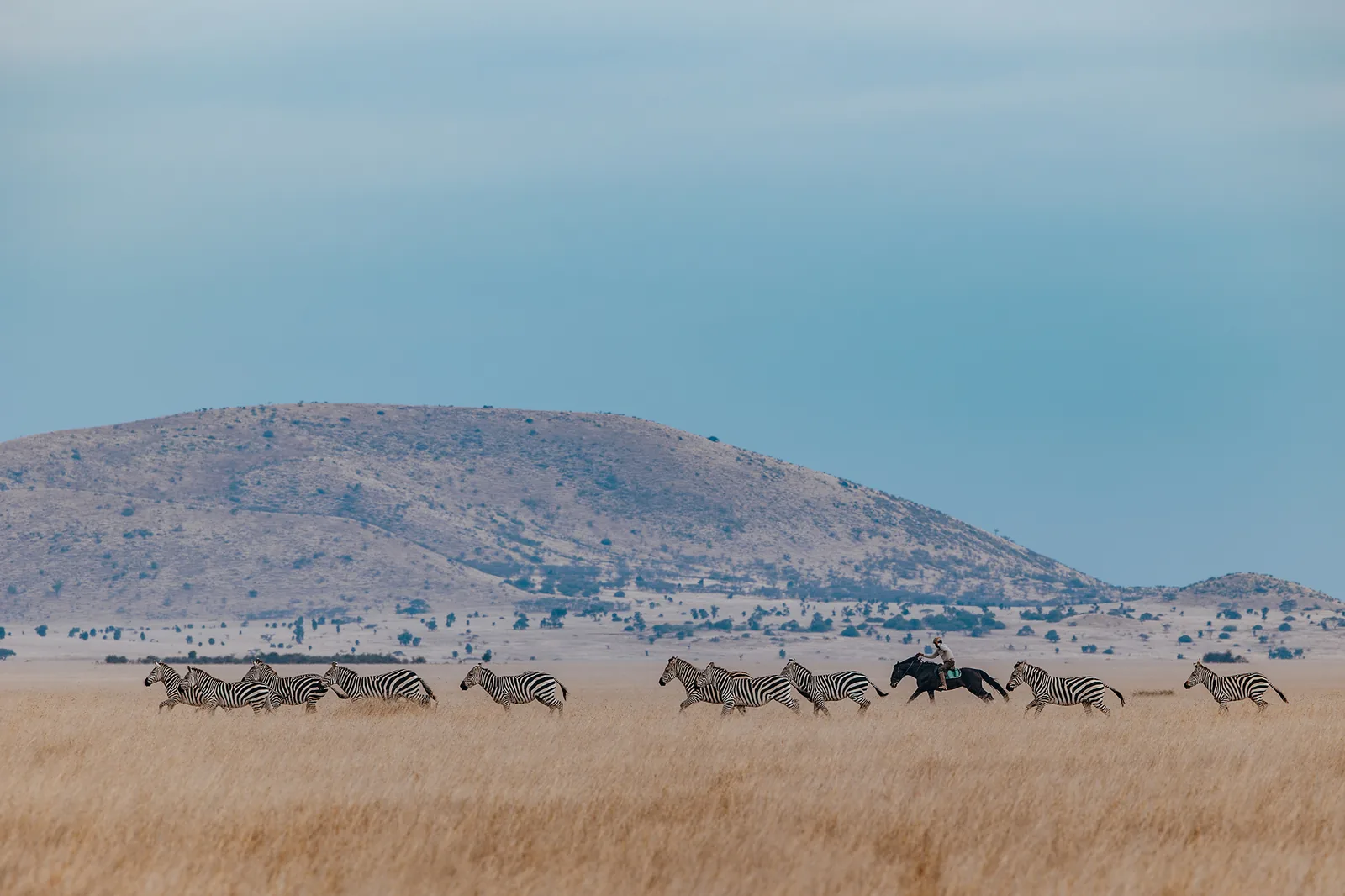
Mount Kenya
Africa's second-highest mountain is a forested, glaciated massif on the equator. Trekkers can reach the main peaks on several routes, while shorter day hikes and forest walks on the lower slopes suit those who prefer a gentler pace. The mountain's moorlands, giant lobelias and montane forest also bring a different set of birds and plants to a Kenya trip.
Mount Kenya guides: Main guide · Where to stay · Best time to visit · Getting there · Itineraries · Wildlife · Activities · Birding · FAQs · Mount Kenya Day Hikes
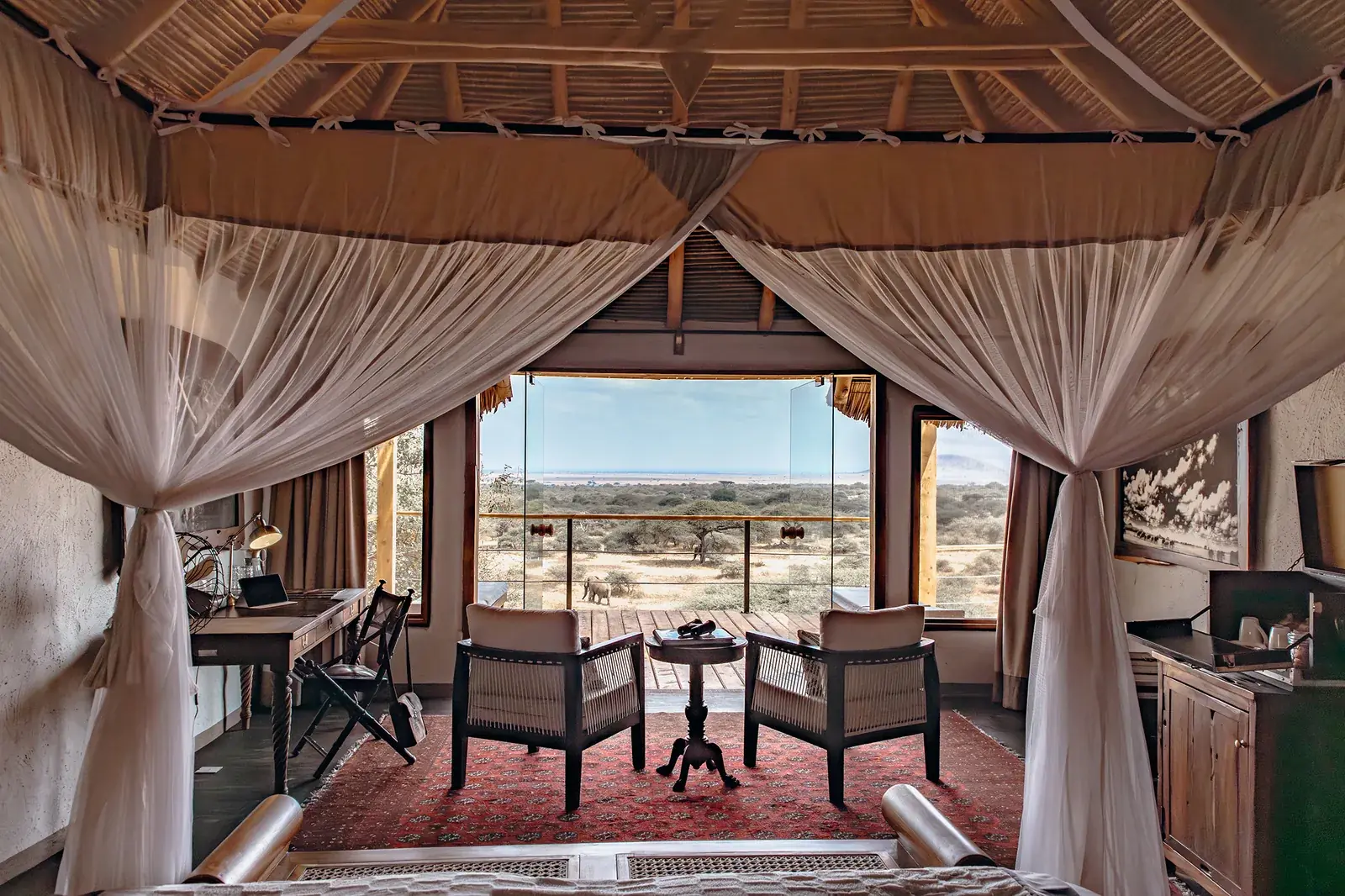
Aberdare National Park
Moorland, bamboo and montane forest make the Aberdares a cool, misty contrast to the savannah parks. Treetop-style lodges overlook waterholes where elephants, buffalo and forest animals come to drink, and waterfalls and trout streams add to the scenery.
Aberdare National Park guides: Main guide · Where to stay · Best time to visit · Getting there · Itineraries · Activities · Birding · FAQs
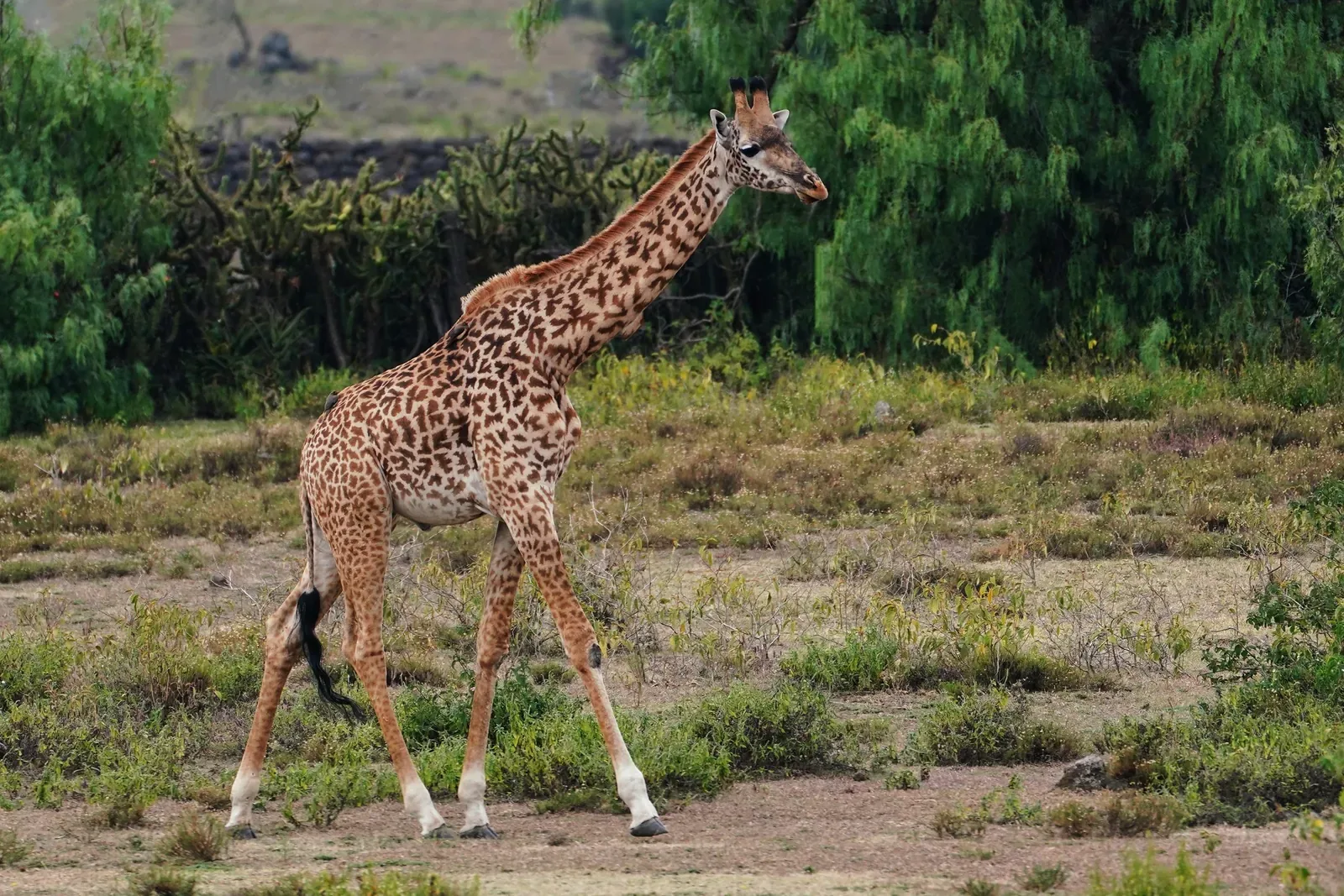
Meru National Park
Meru is a quieter park east of Mount Kenya, with rivers, swamps and open grassland, and relatively few visitors. It has been restocked and protected over recent decades and appeals to travellers who want a less crowded safari with varied scenery.
Meru National Park guides: Main guide · Where to stay · Best time to visit · Getting there · Itineraries · Activities · Birding · FAQs
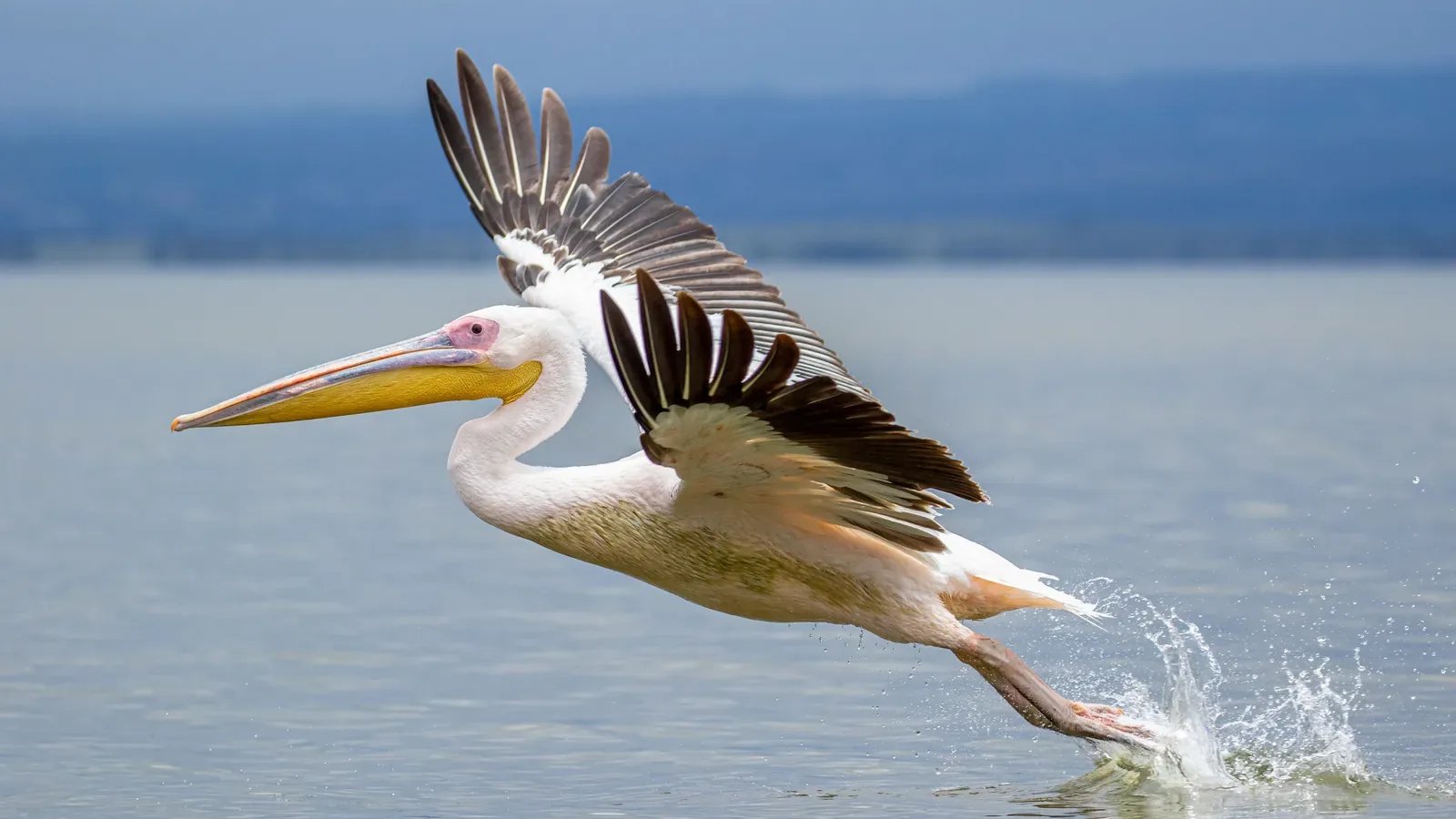
Nairobi and Nairobi National Park
Nairobi is the arrival point for most visitors and also has a national park on its southern edge, where rhinos, lions and giraffes are seen against the city skyline. The leafy suburbs of Karen and Langata, museums, markets and restaurants make it worth a night or two before or after a safari.
Nairobi guides: Main guide · Where to stay · Best time to visit · Getting there · Itineraries · Wildlife · Activities · Birding · FAQs · Karen and Langata · Nairobi Museums and Heritage Sites
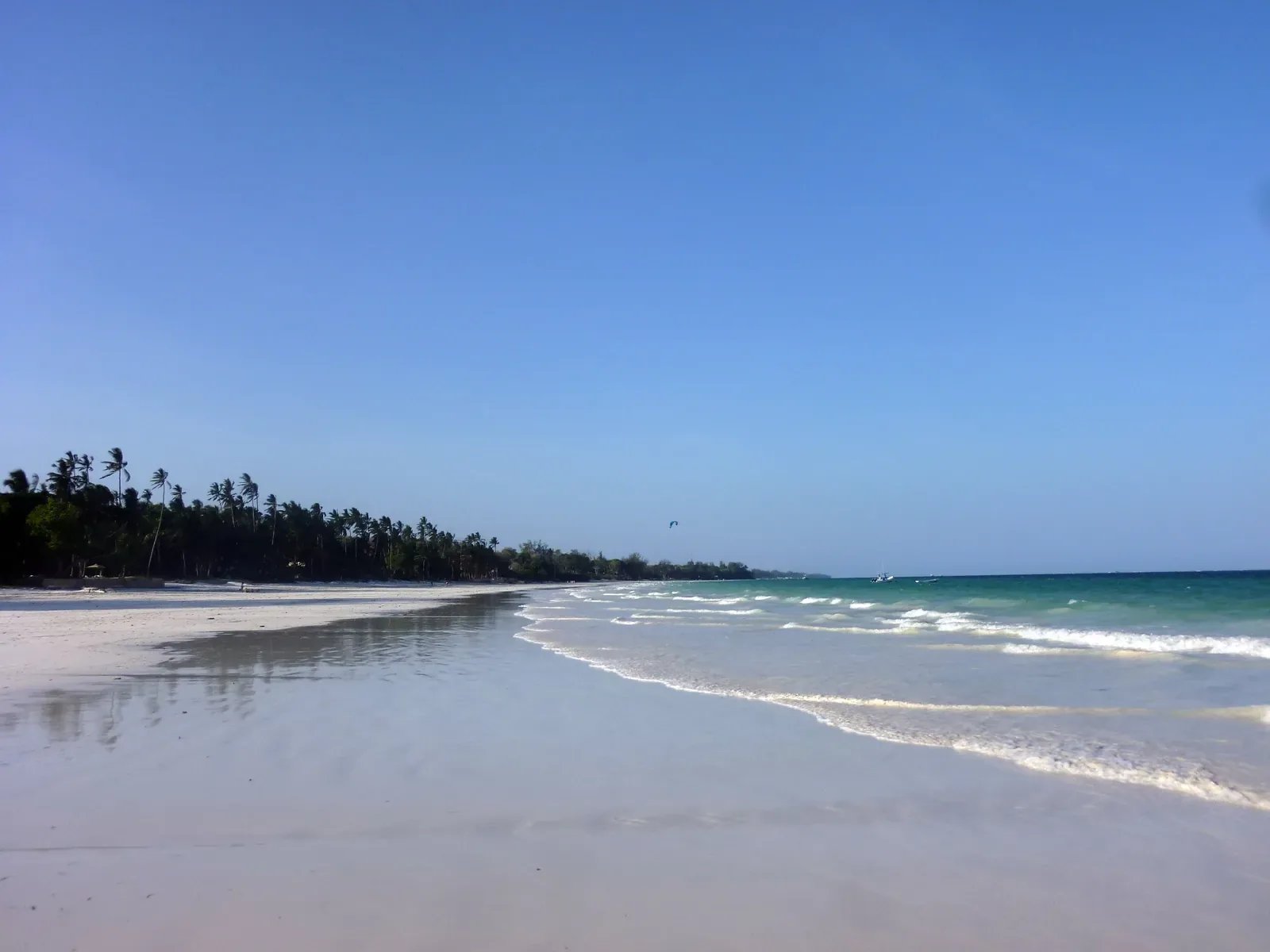
Diani Beach and the South Coast
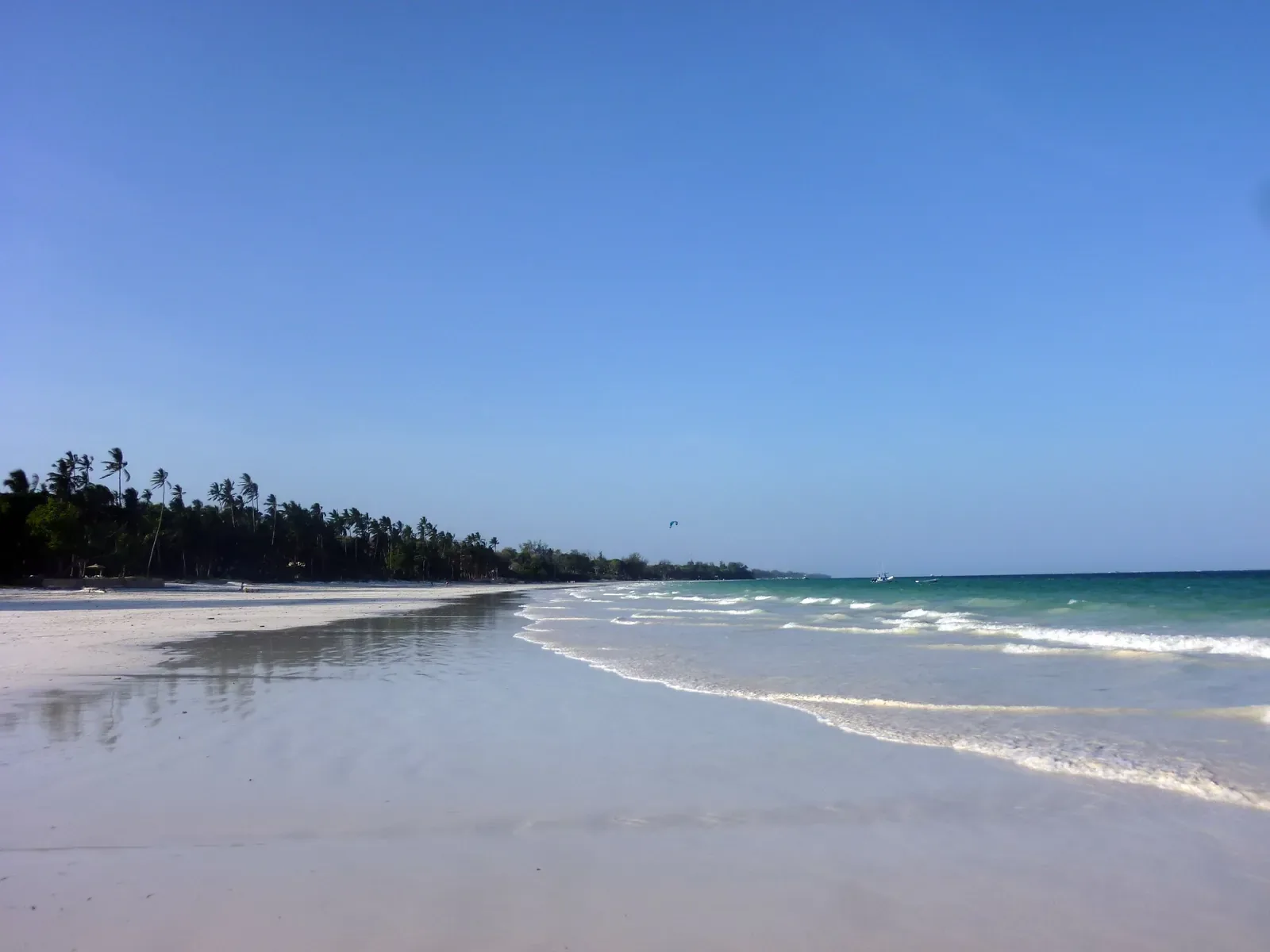
Diani is Kenya's best-known beach, a long stretch of white sand and warm Indian Ocean water south of Mombasa. Snorkelling, diving, kitesurfing, dhow trips and the nearby Shimba Hills rainforest make it a full beach destination and a popular finish to a bush safari.
Diani Beach guides: Main guide · Where to stay · Best time to visit · Getting there · Itineraries · Wildlife · Activities · Birding · FAQs
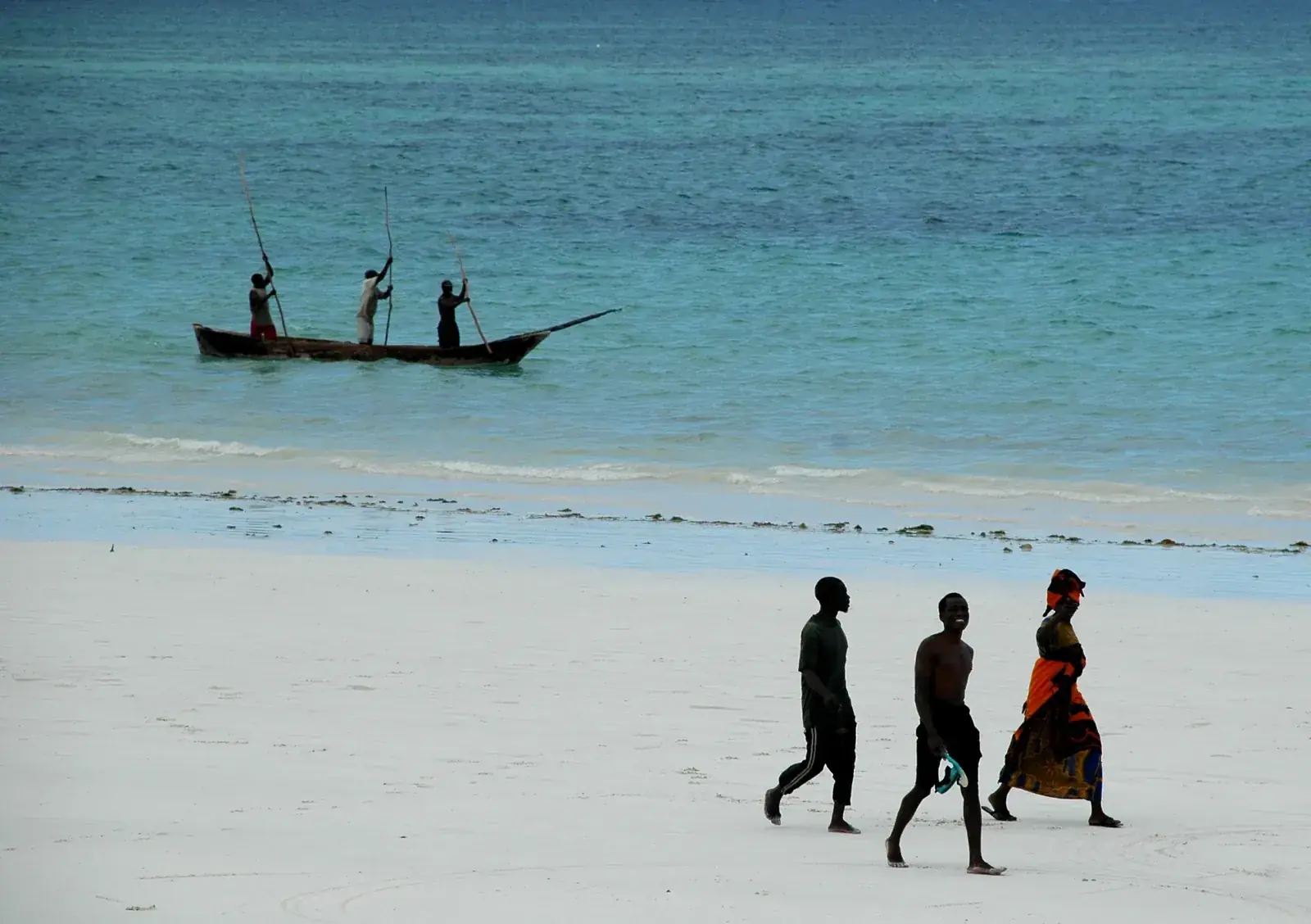
Lamu Island and the Lamu Archipelago
Lamu Old Town is a UNESCO World Heritage Site and one of the oldest continuously inhabited Swahili settlements on the coast. There are no cars on the island; donkeys and dhows are the main transport. Shela Beach has quiet sand and a small number of guesthouses and hotels.
Lamu Island guides: Main guide · Where to stay · Lamu Dhow Trips · Lamu vs Zanzibar
Mombasa, Watamu and Malindi
North of Diani, the coast holds Mombasa's Old Town and Fort Jesus, the marine parks around Watamu and the beaches of Malindi. This stretch suits travellers interested in Swahili history, snorkelling and relaxed beach stays, and the Gede ruins are an easy inland excursion.
Mombasa guides: Main guide · Where to stay · Malindi Beach Guide · Malindi Guide
Lake Baringo, Bogoria and Elementaita
The northern Rift Valley lakes are strong birding country: Baringo with its cliffs and freshwater shores, Bogoria with hot springs and flamingos, and Elementaita with pelicans and soda-lake waders. They fit well on the road between Nakuru and the northern reserves.
Lake Baringo guides: Main guide · Where to stay · Birding
Kakamega Forest
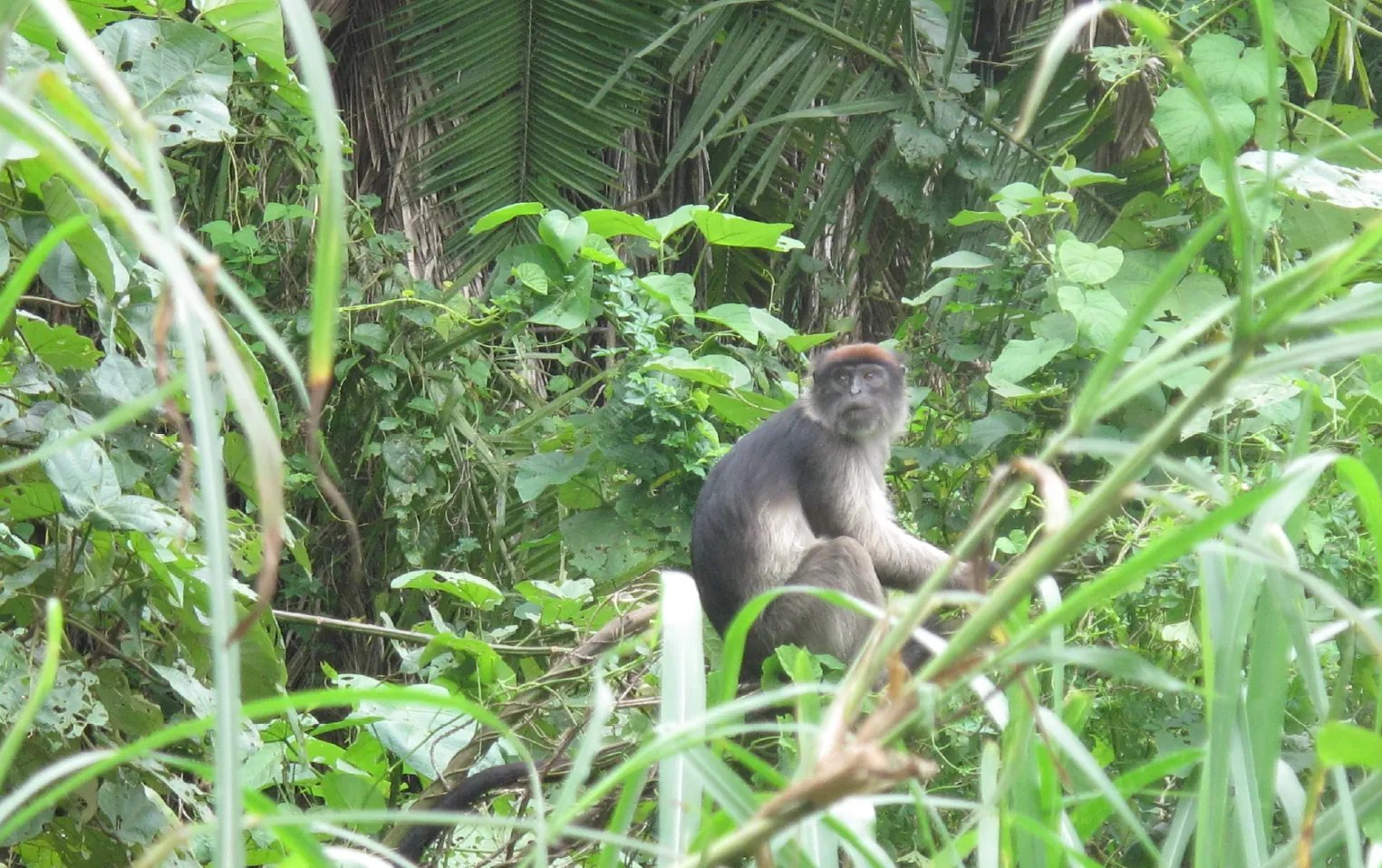
Kakamega in western Kenya is the country's remnant of equatorial rainforest, with forest birds, monkeys and butterflies that differ from those of the savannah. It pairs well with a Kenya-Uganda overland trip, since the western border is the usual route between the two countries.
Kakamega Forest guides: Main guide · Where to stay · Birding
Where to Go in Kenya: Choosing Your Regions
Kenya is easiest to plan if you think in regions rather than individual parks. The southern circuit of the Masai Mara, Amboseli and the Tsavo parks is the classic first-safari route, with the strongest concentration of big cats and elephants. The Central Highlands and Rift Valley, including Mount Kenya, the Aberdares, Lake Nakuru, Naivasha and Hell's Gate, add mountains, lakes, forest and good walking. The north, with Samburu, Laikipia and Lewa, is drier and quieter, with species and landscapes you will not see in the south. The coast is the place to finish: Diani and the south coast, Watamu and Malindi in the north, and Lamu further up.
A common structure is three to five nights in the Mara, one or two in the Rift Valley or Laikipia, and a few nights at the coast. Travellers with more time add Amboseli and Tsavo or push north to Samburu. Our planning pages cover each of these routes in detail, including three-day, seven-day, ten-day and fourteen-day itineraries, as well as themed trips such as honeymoons, family safaris and birding.
If you want to see Kenya together with Uganda, the Uganda and Kenya safari holiday joins gorilla or chimpanzee trekking with the Mara, and the comparison of Uganda, Kenya and Tanzania helps you decide which country, or combination, suits your interests.
Best Time to Visit Kenya
Kenya can be visited all year, but game viewing and trail conditions change with the seasons. The two dry periods, roughly January to February and June to October, are the most popular: grass is shorter, animals gather near water and roads are easier. The long rains fall from about March to May and the short rains in October to December, bringing green landscapes, fewer visitors and more flexible rates, though some camps close or roads become difficult in the wettest weeks.
The wildebeest migration reaches the Masai Mara in the second half of the year, and river crossings can occur at any time while the herds are present, so they cannot be guaranteed on a given day. For detail by month, see best time to visit Kenya, the Mara migration calendar and our guides to the long rains and the short rains. There is also a page for each month, from Kenya in January to Kenya in December.
Getting to Kenya and Getting Around
Most international visitors arrive at Jomo Kenyatta International Airport in Nairobi, with Mombasa also receiving flights. From Nairobi, the Mara, Amboseli, Nakuru, Naivasha and Laikipia can all be reached by road, and many camps also have airstrips served by scheduled and charter flights. Our route pages cover the common transfers, such as Nairobi to Amboseli, Nairobi to Samburu, Nairobi to Lake Nakuru and Mombasa to Diani, and the domestic flights guide explains how light-aircraft hops fit into an itinerary.
Practical points are covered in separate guides: entry and money, health and malaria, luggage rules for light aircraft, tipping, park fees explained and safari safety. Park and conservancy fees are set by the managing authorities and change, so we check current rates when we prepare your quote.
People, Culture and Food in Kenya
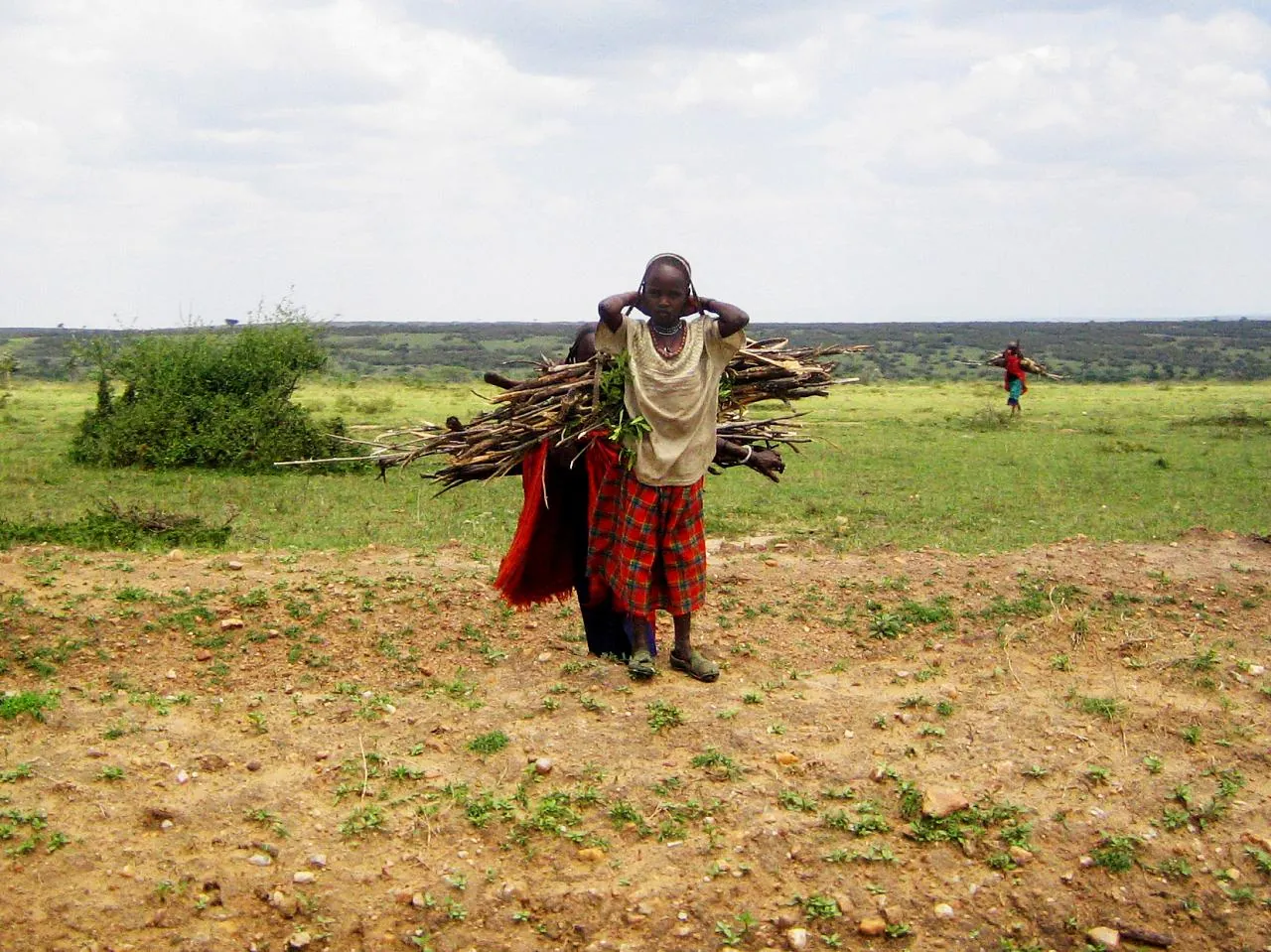
Kenya's cultural variety is a large part of its appeal. Swahili traditions shape the coast, Maasai and Samburu communities live alongside the northern and southern wildlife areas, and Nairobi is a busy, modern city with a strong arts and food scene. You can learn more in our guides to Kenya's history, Swahili phrases for travellers, food and nyama choma, etiquette and customs, crafts and markets and festivals and events. Visits to community areas are best arranged through a guide, so that time in a village or a conservancy benefits the people who live there.
Essential Kenya Reading
Start with these planning pages before you build an itinerary.
- Kenya Travel Guide: Location, Map, Facts, Safety and Top Attractions
- Best Time to Visit Kenya for Safari: Seasons, the Great Migration and the Coast
- Kenya Safari FAQs: Answers to the Most Common Planning Questions
- Kenya Park Fees Explained: How Entry Fees and Conservancy Charges Work
- Kenya Safari Packages Guide: What a Kenya Safari Includes and How to Choose
- Kenya Lodges and Camps: Where to Stay in the Mara, Amboseli, Laikipia, Nakuru and Coast
- Kenya Conservancies vs National Reserves: Which Is Right for Your Safari?
- Uganda and Kenya Safari Holiday
- Uganda vs Kenya vs Tanzania Safari: How to Choose
- East Africa Safari Itineraries: 7, 10 and 14-Day Ideas
- East Africa National Parks Guide: Best Parks in Uganda, Kenya, Tanzania and Rwanda
Plan Your Kenya Trip: Where to Stay, Routes, Itineraries and Practical Guides
Every guide below is a full page on our site. Use the groups to find the planning detail you need, from where to stay in each area to route times and month-by-month advice for Kenya.
Where to Stay by Area
- Where to Stay in the Masai Mara: Reserve Lodges, River Camps, Gate Areas and Conservancies
- Where to Stay in the Mara Conservancies: Low-Density Camps, Private Houses and Mobile Camps
- Where to Stay in and Near Amboseli: Park Lodges, Group Ranch Camps and Kimana Stays
- Where to Stay in Tsavo East: Gate Areas, Riverside Camps and Lodge Types
- Where to Stay in Tsavo West: Mzima Springs Area, Gates and Sanctuary Stays
- Where to Stay in Samburu: Riverside Lodges, Tented Camps and Conservancy Options
- Where to Stay at Lake Nakuru: Park Lodges, Camps and Nakuru Town Hotels
- Where to Stay at Lake Naivasha: Lakeshore Lodges, Country Houses and Hell's Gate Bases
- Where to Stay at Ol Pejeta and Laikipia: Conservancy Camps, Lodges and Cottages
- Where to Stay in Laikipia: Private Conservancies, Ranch Houses and Small Camps
- Where to Stay at Lewa: Conservancy Camps, Family-Run Lodges and Private Houses
- Where to Stay in and Near the Aberdare Range: Forest Lodges, Highland Stays and Park Edges
- Where to Stay Near Mount Kenya: Areas, Lodge Types and Booking Tips
- Where to Stay in and Near Meru National Park: Park Lodges, Camps and Meru Town Hotels
- Where to Stay in Nairobi: Neighbourhoods, Hotel Types and Practical Tips
- Where to Stay for Nairobi National Park: Karen, Langata and City Options
- Where to Stay in Diani: Beach Resorts, Boutique Hotels, Villas and Apartments Along the South Coast
- Where to Stay in Mombasa and the North Coast: Old Town, Nyali, Bamburi, Watamu and Malindi
- Where to Stay in Watamu and Malindi: Beach Resorts, Villas and Guesthouses
- Where to Stay in Lamu: Restored Swahili Houses, Shela Hotels and Beach Villas
- Where to Stay for Shimba Hills: Diani Beach, Kwale and Forest Lodge Options
- Where to Stay at Lake Baringo: Lakeshore Lodges, Island Camps and Simple Rift Valley Stays
- Where to Stay at Lake Bogoria: Reserve Campsites, Nearby Lodges and Baringo Bases
- Where to Stay in and Near Kakamega Forest: Forest Lodges, Community Stays and Town Hotels
- Where to Stay at Lake Elmenteita: Conservancy Camps, Farm Stays and Rift Valley Bases
Routes and Transfers
- Nairobi to Amboseli: Road and Air Options, Pacing and What to See En Route
- Nairobi to Tsavo East: Road, Rail and Air Routes on the Coast Road
- Nairobi to Tsavo West: Routes, Mtito Andei Gate and Pacing Your Journey
- Nairobi to Lake Naivasha: A Short Rift Valley Route With Stops Worth Making
- Nairobi to Lake Nakuru: Road Route, Stops, Pacing and Safari Links
- Nairobi to Samburu: Road via Isiolo, Flights and Pacing for Northern Kenya
- Nairobi to Mount Kenya: Roads, Gateways and Pacing for Climbers and Visitors
- Nairobi to the Aberdares: Road Routes, Highland Pacing and What to Expect
- Nairobi to Ol Pejeta: Road and Air Routes to the Laikipia Conservancy
- Nairobi to Lewa: Flights, Road Access and Pacing for Northern Kenya
- Nairobi to Meru National Park: Road and Air Routes Through Mount Kenya Country
- Nairobi to Mombasa: Train, Flight or Road to the Kenyan Coast
- Mombasa to Diani Beach: Ferry, Road and Air Options on Kenya’s South Coast
- Mombasa to Tsavo East: Road, Rail and Air Options for a Coast-to-Bush Journey
- Masai Mara to Lake Nakuru: Road Options, Rift Valley Stops and Pacing
- Amboseli to Tsavo West: Road and Air Options Between Two Classic Kenyan Parks
- JKIA Airport to Nairobi City: Taxis, Transfers, Expressway and Rail Options
- Nairobi to Lamu: Flights, Boat Transfers and Planning a Coastal Extension
- Nairobi to Lake Baringo: Road Route, Stops and Pacing for the Northern Rift Valley
- Nairobi to Kakamega Forest: Routes, Flights and Pacing for Western Kenya
Itineraries by Length and Theme
- Kenya Honeymoon Safari Itineraries: Romantic Routes With Bush and Beach
- Kenya Family Safari Itineraries: Child-Friendly Routes by Age and Length
- Kenya Photography Safari Itinerary: Mara, Amboseli, Nakuru and Samburu
- Kenya Walking and Conservancy Safari Itinerary: On Foot, at Night and Off the Beaten Track
- Kenya First-Time Safari Itinerary: A Simple Seven-Night Plan for Beginners
- Kenya 10-Day Safari Itinerary: Amboseli, the Rift Valley, Samburu and the Masai Mara
- Kenya 14-Day Safari Itinerary: Northern Wildlife, Rift Valley, Mara and the Coast
- Kenya Big Cat Safari Itinerary: Lions, Leopards and Cheetahs Across Four Parks
- Kenya Birding Safari Itinerary: Lakes, Forests and Dry-Country Specials
- Kenya Migration Safari Itinerary: Mara River Crossings and Wildebeest Herds
- Kenya Northern Circuit Itinerary: Samburu, Laikipia and Meru
- Kenya Rift Valley Lakes Itinerary: Naivasha, Nakuru, Elmenteita and Baringo
- Senior-Friendly Kenya Safari Itinerary: A Comfortable, Unhurried Plan
- Mount Kenya and Laikipia Itinerary: Highlands, Rhinos and Conservancy Safaris
- Kenya 3-Day Safari Itinerary: Short Trips to the Mara, Amboseli and Nakuru
- Kenya Conservation Safari Itinerary: Rhinos, Elephants and Community Conservancies
- Kenya Green Season Safari Itinerary: Rains, Birds, Fewer Crowds and Lush Landscapes
- Weekend Getaways From Nairobi: Short Safari and Nature Breaks
- Kenya 7-Day Safari Itinerary: Nairobi, Rift Valley Lakes and the Masai Mara
- Kenya Solo Traveller Itinerary: Safari Plans for One
Practical Guides and Questions
- Kenya Safari Safety: Health, Wildlife, Road and Personal Security Advice
- Kenya Health Guide: Malaria, Vaccinations, Water and Staying Well on Safari
- Tipping on a Kenya Safari: Etiquette for Guides, Camp Staff and Drivers
- What to Wear on a Kenya Safari: Clothing for Game Drives, Balloons, Lodges and the Coast
- Solo and Female Travel in Kenya: Safety, Safari Options and Practical Tips
- Kenya Safari With Children: Family Planning, Ages, Safety and Activities
- Senior and Accessible Safaris in Kenya: Comfort, Mobility and Planning Advice
- Kenya Internet, SIM Cards and Electricity: Staying Connected and Powered on Safari
- Kenya Safari Vehicles and Guides: What to Look For and What to Ask
- When to Book a Kenya Safari: A Practical Planning Timeline
- Kenya Luggage and Light Aircraft Rules: What to Pack for Bush Flights
- Kenya Money Guide: Cards, Cash, ATMs and M-Pesa for Safari Travellers
- Self-Drive Safari in Kenya: Rules, Roads, Vehicles and Planning Tips
- Kenya Conservancies vs National Reserves: Which Is Right for Your Safari?
- Kenya Park Fees Explained: How Entry Fees and Conservancy Charges Work
- Kenya Domestic Flights Guide: Flying to the Mara, Amboseli, the Coast and Beyond
- Responsible Travel in Kenya: How to Safari With Care for Wildlife and People
- Kenya Safari FAQs: Answers to the Most Common Planning Questions
- Kenya First Safari Mistakes to Avoid: Planning Errors That Spoil Trips
- What Drives the Cost of a Kenya Safari: Budget Factors Explained
- Kenya Safari Lodging Types Explained: Camps, Lodges, Tented Camps and More
- A Typical Day on a Kenya Safari: From Dawn Drive to Sundowners
Month-by-Month and Seasonal Guides
- Kenya in January: Hot, Dry Days, Open Savannah and a Quiet Start to the Year
- Kenya in February: Peak Heat, Concentrated Wildlife and Beach and Bush Honeymoons
- Kenya in March: The Turning Point Between the Dry Season and the Long Rains
- Kenya in April: Green Season Safaris, Dramatic Skies and Quiet Parks
- Kenya in May: Easing Rains, Empty Parks and the Calm Before the Migration
- Kenya in June: Dry Season Begins, Cool Mornings and the Mara Wakes Up
- Kenya in July: The Great Migration Arrives and the Mara River Crossings Begin
- Kenya in August: Peak Migration, Peak Crowds and How to Safari Well in the Busiest Month
- Kenya in September: Migration Without the Peak Crowds and Warm, Settled Weather
- Kenya in October: Migration Winds Down, Heat Returns and the Short Rains Approach
- Kenya in November: Short Rains, Green Landscapes, Migrant Birds and Good-Value Safaris
- Kenya in December: Festive Safaris, Beach Holidays and the Return of the Dry Weather
- Kenya's Long Rains, March to May: What to Expect and How to Travel Well
- Kenya's Short Rains, October to December: What to Expect and Where to Go
Gateway Towns and Cities
- Nanyuki Guide: Equator Town at the Foot of Mount Kenya and Gateway to Laikipia
- Naivasha Town Guide: Supplies, Flower Farms and the Gateway to Lake Naivasha
- Nakuru Town Guide: Menengai Crater, Hyrax Hill and the Gateway to Lake Nakuru
- Karen and Langata: Nairobi's Leafy Suburbs for Giraffes, Elephants and Easy Safari Starts
- Malindi Guide: Swahili History, Marine Parks, Gede Ruins and Indian Ocean Beaches
Birds and Birding
- Birding at Lake Nakuru: Flamingos, Pelicans and Woodland Birds
- Birding at Lake Baringo: Cliffs, Acacia Bush and a Freshwater Lake
- Birding at Lake Bogoria: Flamingos, Hot Springs and Rift Valley Cliffs
- Birding in Kakamega Forest: Kenya's Western Rainforest Birds
- Birding at Lake Naivasha: Papyrus, Kingfishers, Boats and Hell's Gate Cliffs
- Birding in Arabuko-Sokoke Forest: Coastal Specials Near Watamu
- Birding in the Masai Mara: Raptors, Bustards, Rollers and Riverine Birds
- Birding in Samburu: Dry-Country Specialities Along the Ewaso Nyiro River
- Birding in Tsavo: Red-Earth Plains, Rivers and Dry-Country Birds
- Birding at Mida Creek: Mangroves, Mudflats and Coastal Waders
- Birding at Lake Elmenteita: Pelicans, Flamingos and Soda Lake Waders
- Birding in Amboseli: Swamps, Plains and Acacia Woodland Birds
- Birding on Mount Kenya: Forest, Bamboo and Moorland Birds of the Highlands
- Birding in the Aberdare Mountains: Forest, Bamboo and Moorland Birds
- Birding at Ngulia: Tsavo West Hills, Bush Birds and the Autumn Migrant Spectacle
- Kenya Birding Calendar: Month-by-Month Guide to Birds and Seasons
- Kenya Endemic and Specialty Birds: Where to Find the Special Species
- Kenya Raptors Guide: Eagles, Vultures, Falcons and Where to See Them
- Kenya Migrant Birds Guide: Palaearctic Visitors and Where to See Them
- Kenya Birding Itinerary Planner: Routes, Pacing and Sample Trips
Culture, People and Heritage
- Maasai Culture Guide: Traditions, Cattle, Beadwork and How to Visit Respectfully
- Samburu Culture Guide: Pastoral Traditions, Beadwork and Community Conservancies of Northern Kenya
- Kikuyu Culture Guide: The Central Highlands, Mount Kenya, Farming Traditions and Modern Life
- Luo Culture Guide: Lake Victoria, Fishing Traditions, Music and the Luo Community of Western Kenya
- The Kalenjin and Kenyan Distance Running: Culture, Iten and Visiting Respectfully
- Turkana Culture Guide: Lake Turkana, Pastoral Life and the Cradle of Humankind in Northwest Kenya
- Kenyan Food and Drink: Staples, Regional Flavours, Street Snacks and What to Try
- Ugali, Nyama Choma and Kenyan Dishes: A Guide to Must-Try Foods and How They Are Eaten
- Kenya Music and Dance: Traditional Rhythms, Benga, Taarab, Gospel and Modern Sounds
- Kenya History Overview: From Early Humans and the Swahili Coast to the Modern Nation
- Kenya Independence History: The Struggle for Freedom and the Birth of a Republic
- Kenya Languages and Swahili Phrases: Greetings, Courtesies and Useful Words for Travellers
- Kenya Festivals and Events Calendar: Cultural, Religious and Sporting Dates Through the Year
- Kenya Crafts and Markets: What to Buy, Where to Shop and How to Bargain
- Kenyan Coffee and Tea: Highland Farms, Famous Beans, Chai Culture and Farm Visits
- Kenya Etiquette and Customs: Greetings, Dress, Photography and Respect
- Kenya Religion and Society: Faith, Family, Community Life and Visitor Etiquette
- Kenya Art and Literature: Writers, Galleries and Creative Nairobi
- Kenya National Symbols and Public Holidays: Flag, Anthem, Harambee and Days of Celebration
- Nairobi Museums and Heritage Sites: History, Culture and Nature in Kenya's Capital
Activities and Experiences
- Walking Safaris in Kenya: Where to Walk, What to Expect and How to Prepare
- Night Drives in Kenya: Where They Are Allowed and What You Can See
- Horse Riding Safaris in Kenya: Riding Among Zebra and Giraffe
- Camel Trekking in Kenya: Walking Safaris With Camels in the North
- Cycling in Hell's Gate National Park: Gorges, Zebras and Fischer's Tower
- Snorkelling at Wasini Island and Kisite-Mpunguti Marine Park: A Kenya South Coast Day Trip
- Kitesurfing in Diani: Wind, Lagoon, Lessons and Seasons
- Scuba Diving on the Kenya Coast: Diani, Watamu, Shimoni and Beyond
- Dhow Cruises in Kenya: Sunset Sails, Marine Parks and Lamu Waters
- Boat Safaris on Lake Naivasha: Hippos, Fish Eagles and Papyrus Shores
- Kenya Bush Breakfasts and Sundowners: Dining in the Wild
- Kenya Photographic Hides and Sundowner Spots: Where to Watch and Wait
- Maasai Community Visits: How to Do It Ethically and Respectfully
- Mount Kenya Day Hikes: Forest, Moorland and Mountain Views
Beaches and Coast
- Diani Beach Activities and Day Trips: Water Sports, Wildlife and Culture
- Watamu Beach Guide: Bays, Marine Park, Turtles and Forest
- Malindi Beach Guide: Sands, Marine Park and Coastal History
- Kilifi Guide: Creek, Beaches and Laid-Back Life on the Kenyan North Coast
- Lamu Island Guide: Swahili Old Town, Dhows and Donkeys
- Shela Beach Guide: Lamu Dunes, Dhows and Sunset Walks
- Tiwi Beach Guide: Quiet South Coast Sands Near Diani
- Bamburi and Nyali Beaches: Mombasa North Coast Guide
- Wasini Island Guide: Coral Gardens, Dolphins and Kisite-Mpunguti Marine Park
- Best Time for a Kenya Beach Holiday: Seasons, Winds and Sea Conditions
- Kenya Coast Family Holidays: Beaches, Resorts and Activities With Children
- Kenya Coast Honeymoon Guide: Romantic Beaches, Islands and Safari Pairings
- Kenya Coast Food and Swahili Cuisine: Seafood, Spices, Street Snacks and Drinks
- Getting Around the Kenya Coast: Flights, Trains, Roads, Ferries and Local Transport
- Kenya Coast Diving and Snorkelling Guide: Reefs, Marine Parks and Marine Life
Parks by Season: Dry and Rainy Months
- Masai Mara in the Dry Season: Conditions, Wildlife and Planning
- Masai Mara in the Rainy Season: Green Landscapes, Birds and Quiet Drives
- Amboseli in the Dry Season: Elephants, Dust and Kilimanjaro Views
- Amboseli in the Rainy Season: Green Plains, Birds and Quiet Roads
- Samburu in the Dry Season: Elephants, the River and the Special Five
- Samburu in the Rainy Season: Green Scrub, Migrant Birds and Quiet Tracks
- Tsavo East in the Dry Season: Red Elephants, Open Plains and Waterholes
- Tsavo East in the Rainy Season: Green Bush, Migrant Birds and Empty Tracks
- Lake Nakuru in the Dry Season: Rhinos, Woodland Drives and Lakeshore Birds
- Lake Nakuru in the Rainy Season: Waders, Green Hills and Rising Water
Comparisons: Which Should You Choose?
- Masai Mara vs Serengeti: Which East African Safari Park Suits You?
- Amboseli vs Tsavo: Comparing Two of Kenya's Classic National Parks
- Lake Nakuru vs Lake Naivasha: Choosing Between Two Rift Valley Lakes
- Zanzibar vs Diani Beach: Comparing Two East African Beach Escapes
- Lamu vs Zanzibar: Two Swahili Coast Islands Compared
- Kilimanjaro vs Mount Kenya Trekking: Two African Mountains Compared
- Kenya vs Tanzania Safari: Choosing Between East Africa's Two Great Safari Countries
- Kenya vs Rwanda: Classic Savannah Safari or Mountain Gorilla Trek?
- Tanzania vs Rwanda Safari: Which Destination Suits You?
- Samburu vs Masai Mara: Choosing Between Kenya's North and South
Where to See Wildlife
- Where to See Lions in East Africa: Best Parks, Seasons and Viewing Tips
- Where to See Cheetahs in East Africa: Best Parks, Seasons and Respectful Viewing
- Where to See Leopards in East Africa: Best Parks, Habits and Viewing Tips
- Where to See Rhinos in Kenya, Tanzania and Rwanda: Parks, Sanctuaries and Conservation
- Where to See Giraffes in East Africa: Parks, Subspecies and Viewing Tips
- Where to See Flamingos in East Africa: Soda Lakes, Seasons and Viewing Tips
- Where to See African Wild Dogs in East Africa: Rare Sightings and Responsible Viewing
- Where to See Hippos and Crocodiles in East Africa: Rivers, Lakes and Boat Safety
- Where to See the Big Five in Kenya: Parks, Seasons and Realistic Expectations
Day Trips from Gateway Towns
- Day Trips From Mombasa: Old Town, Beaches, Wasini, Shimba Hills and Tsavo
- Day Trips From Nanyuki: Ol Pejeta, Mount Kenya, Lewa and Laikipia Excursions
More Itineraries and Group Planning
- Kenya 5-Day Safari Itinerary: Lake Nakuru and the Masai Mara
- Kenya 6-Day Safari Itinerary: Amboseli, Tsavo West and the Coast
- Kenya 8-Day Safari Itinerary: Laikipia, Samburu, Nakuru and the Masai Mara
- Kenya 12-Day Safari Itinerary: The North, the Rift Valley, the Mara and Amboseli
- Kenya Christmas and New Year Safari: Planning, Booking and Itinerary Ideas
- Kenya Group Safari Planning: Friends, Families and Reunions on Safari
Park Birding Guides
- Birding at Lewa Wildlife Conservancy: Dry-Country Birds, Raptors and Open Plains
- Birding at Meru National Park: Rivers, Palms, Bush and Dry-Country Birds
- Birding at Nairobi National Park: Grassland, Forest and Dam Birds Beside the City
- Birding at Shimba Hills National Reserve: Coastal Forest, Grassland and Raptors
More Places and Towns
- Karura Forest in Nairobi: Walks, Cycling, Waterfall and Birds
- Nairobi Animal Orphanages and Sanctuaries: Giraffes, Elephants and Rescue Centres
- Kisumu and Lake Victoria: Kenya's Lakeside City and Western Kenya Gateway
Safety, Health and Practical Questions
- Is Kenya Safe for Tourists? A Balanced Guide for Safari Travellers
- Is Tanzania Safe for Tourists? Advice for Safari and Zanzibar Visitors
- Is Rwanda Safe for Tourists? What Gorilla and Safari Visitors Should Know
- Safari First Aid Kit for East Africa: What to Pack and What to Discuss With a Clinician
- Drones on Safari in East Africa: Rules, Permits and Wildlife Ethics
- Dietary Needs on Safari in East Africa: Vegetarian, Vegan, Halal, Allergy and Gluten-Free Planning
- Safari With Toddlers and Babies in East Africa: Planning, Pacing and Health
- Sun, Heat and Hydration on Safari in East Africa
- Drinking Water and Food Safety on Safari in East Africa
- Altitude, Cold Mornings and What to Wear in East Africa Highland Parks
Multi-Country Combinations Including Kenya
These guides join Kenya with its neighbours on one trip, with routes, border crossings, best times and sample itineraries.
- Uganda and Kenya Safari Combination: The Complete Guide
- Kenya and Tanzania Safari Combination: The Mara, Amboseli, Serengeti and Ngorongoro
- Kenya, Tanzania and Zanzibar Combination: Savannah Safari and Island Beach in One Journey
- Uganda, Rwanda and Kenya Combination: Gorillas, Chimpanzees and the Masai Mara
- East Africa Grand Tour: Uganda, Rwanda, Kenya and Tanzania in One Journey
- Kenya Safari, Diani and Lamu Combination: The Complete Guide
- Kenya Masai Mara and Rwanda Gorillas Combination: Savannah Big Cats and Mountain Gorillas
- Mount Kenya and Masai Mara Combination: Snow Peaks and Savannah in One Kenya Trip
- Great Migration Safari: Combining the Masai Mara and Serengeti
- Lake Victoria Circuit Combination: A Safari Around the Largest Lake in Africa
Kenya Safari FAQs
Related Uganda Safari Planning Guides
Plan your Kenya trip
Back to the Ameera Africa Safaris homepage for Uganda safari packages, our featured tours and the latest Uganda park fees.