
Is Tanzania Safe for Tourists? Advice for Safari and Zanzibar Visitors
Tanzania receives large numbers of safari, Kilimanjaro and Zanzibar visitors each year, and most trips pass without incident when travellers follow official advice and common-sense precautions.
Tanzania's famous destinations, including the Serengeti, Ngorongoro Crater, Tarangire, Lake Manyara, Kilimanjaro and Zanzibar, are used to receiving international visitors and have established routines for keeping them safe. Risks exist, as they do anywhere, and they are mostly ordinary ones: traffic, opportunist theft, health and the behaviour of wild animals.
This page lays out those risks in a balanced way. Treat it as background, and rely on the latest advice from your own government and on your operator for anything time-sensitive.
This guide is part of our Uganda facts and travel information guide. When you are ready to plan, see our Uganda safari packages or the Ameera Africa Safaris Uganda tours homepage.
At a glance
- First step: Check your government travel advice
- Northern circuit: Well-trodden by visitors
- Zanzibar: Mind belongings on beaches and in towns
- Health: Malaria and food hygiene
- Climbing: Use registered operators only
Official Advice and Current Conditions
Foreign ministries publish updated advice for Tanzania, and it can change with events such as elections, demonstrations or health alerts. Check it before booking and just before travel. Demonstrations are best avoided if they occur, and local news and your operator will know when to adjust plans. The advice sometimes names border regions as higher risk, which usually lie away from the main safari routes. If you are planning a combined trip, check the advice for every country on the route, not just the first. Our Tanzania travel guide and visa guide cover entry basics.
Crime and Street Awareness
Petty theft occurs in busy places such as markets, bus stations and crowded streets in Dar es Salaam, Arusha and Stone Town. Keep valuables out of sight, avoid carrying a lot of cash, and use hotel safes. Take registered taxis or arranged transfers, particularly at night, and avoid isolated beaches after dark. Be cautious about unsolicited offers of safaris or climbs from touts in town; book through a licensed company with a verifiable office. On safari itself, camps and lodges are generally secure and the experience is calm. Read Tanzania safari safety for routines inside the parks.
Roads, Flights and Transfers
Roads vary from good tarmac on main routes to rough tracks inside parks. Traffic can be heavy, overtaking is common and night driving is best avoided. Experienced driver-guides know the roads and conditions, and good operators service their vehicles and plan realistic drive times. Light aircraft connect many parks and save long road days. Ask your operator how transfers work, who meets you at the airport, and what happens if a flight is delayed. See Tanzania safari vehicles and guides for what to ask.
Health, Malaria and Water
Malaria occurs across much of Tanzania below higher altitudes, so talk to a clinician in good time about prevention and use repellent and long sleeves at dusk. Ask about recommended vaccinations, and check whether a yellow fever certificate is relevant to your route, since requirements depend on where you have travelled from. Use bottled, filtered or treated water and eat freshly prepared food. Sun and altitude matter on Kilimanjaro. Read Tanzania health and malaria guide, East Africa health and vaccinations and travel insurance.
Wildlife and Park Rules
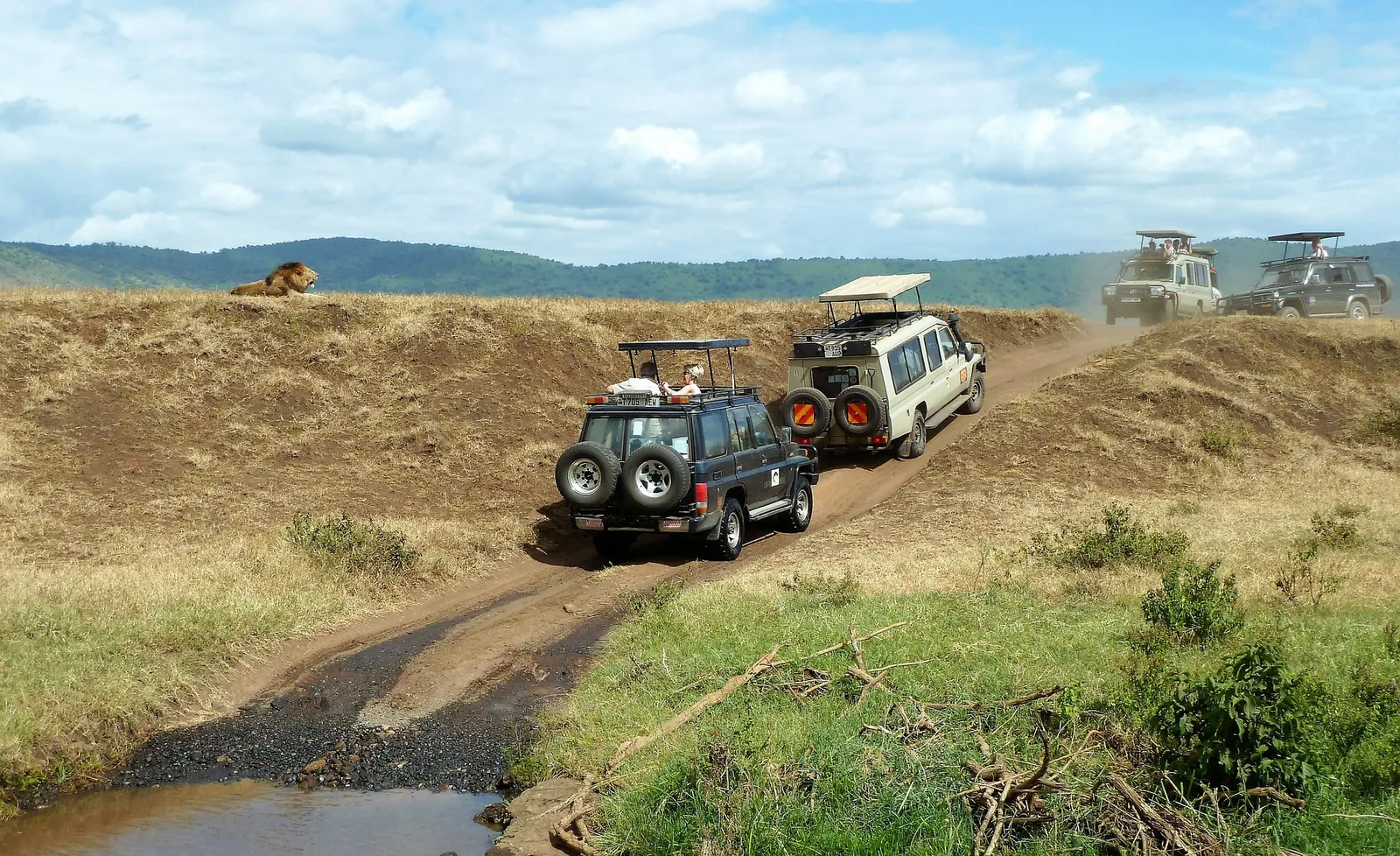
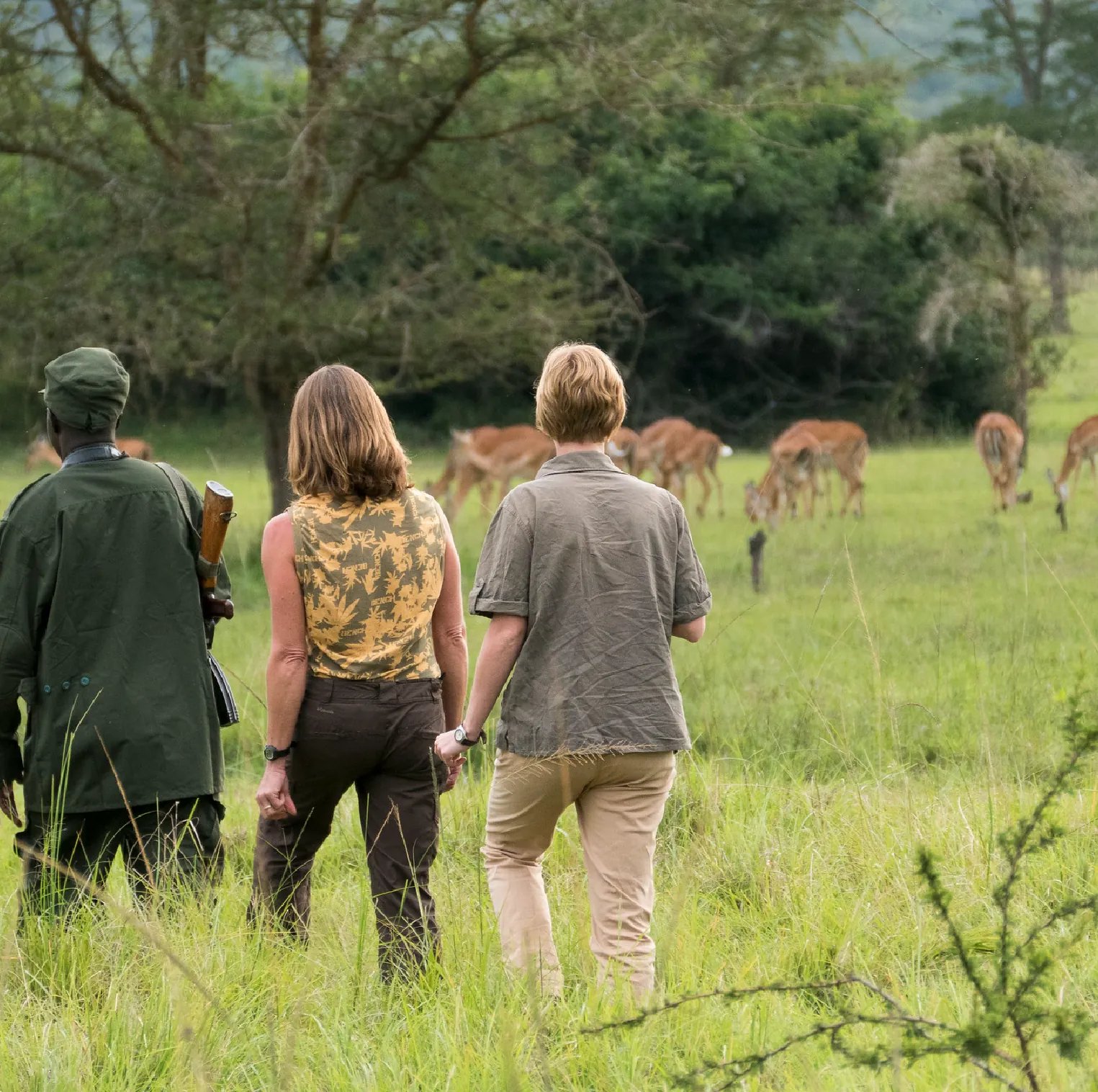
The Serengeti and Ngorongoro are open ecosystems where lions, elephants and buffalo roam, and rules exist to protect both visitors and animals. Remain in the vehicle unless told otherwise, speak softly, do not stand up in an open roof when animals are close unless your guide permits, and never feed wildlife. Camps without fences give instructions about night movement, and askari or camp staff escort guests after dark. Keep a respectful distance from elephants, which can react quickly to pressure. The safari etiquette and safety rules apply here too.
Kilimanjaro, Zanzibar and the Coast
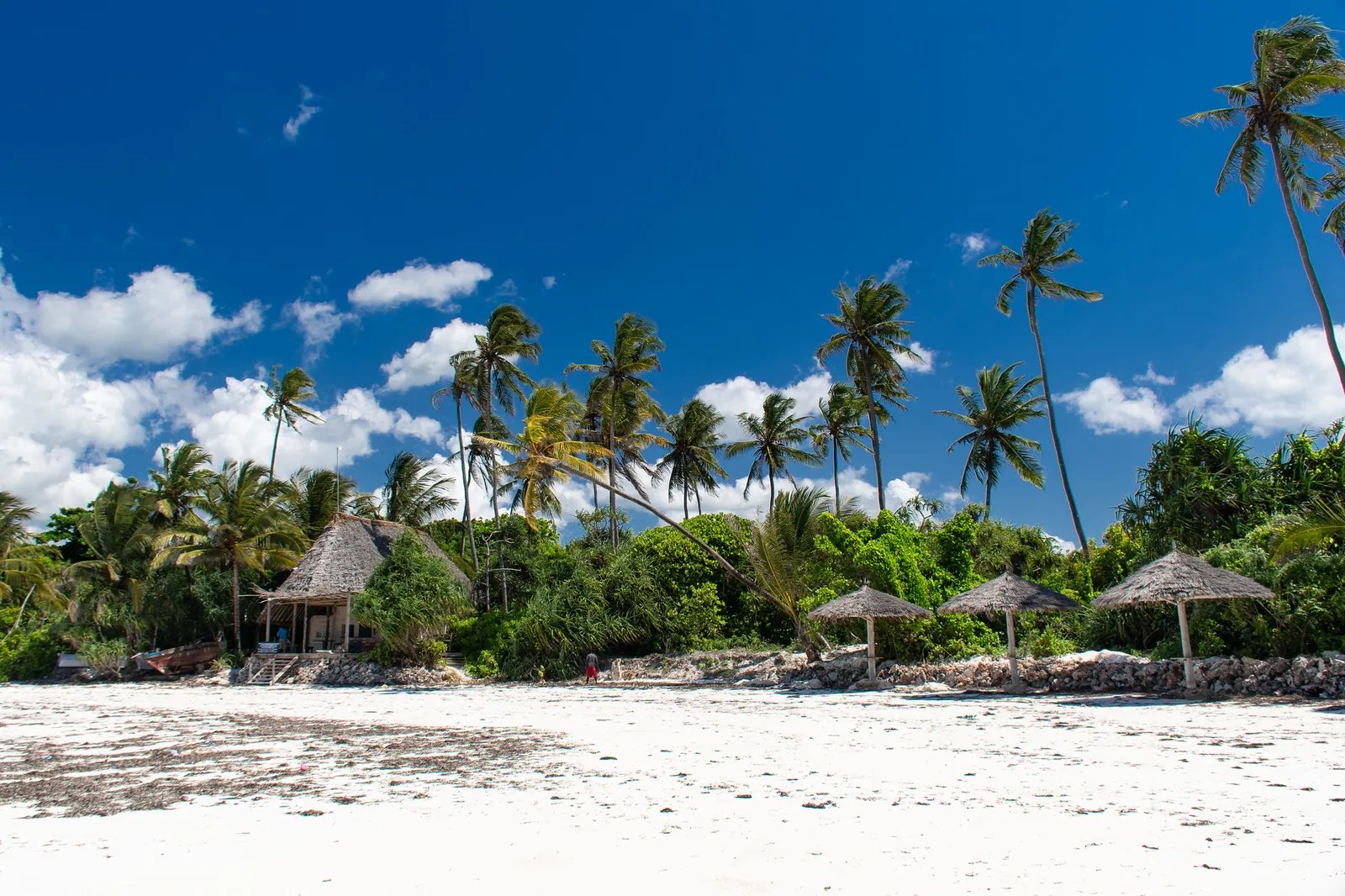
Kilimanjaro climbs must be done with a registered operator and licensed guides, and altitude sickness is the main medical concern, so choose a route with enough days for acclimatisation and follow your guides advice about descending if symptoms worsen. See Kilimanjaro altitude guide. On Zanzibar, the main points are petty theft, sun exposure, strong currents at some beaches, and local dress norms in Stone Town, where modest clothing is respectful. Ask hotels about swimming conditions and tides. Plan your coast time with Zanzibar beach holidays.
Safety Checklist and Next Steps
Read your government advice, buy insurance that includes medical evacuation, see a clinician, copy your documents, and tell someone at home your route. Use licensed businesses, stay hydrated, protect against sun and mosquitoes, and follow your guide. Compare destinations in is Kenya safe and is Rwanda safe, and see the Tanzania safari FAQ for more practical answers. The East Africa safari safety FAQ covers general themes.
Planning a Uganda safari? Send us your dates and we will build the route, permits and transport around what you want to see.
Related Tours, Guides and Resources
- Ameera Africa Safaris homepage: Uganda safaris, tours and holidays
- Uganda safari packages
- Uganda travel guide
- How to book a Uganda safari
- Plan your safari with our team
Itineraries That Include This Experience
Frequently Asked Questions
Related Uganda Safari Pages
- Tanzania Safari and Travel Guides: Serengeti, Ngorongoro, Kilimanjaro and Zanzibar
- Serengeti National Park: Location, Wildlife, Migration and Best Time
- Ngorongoro Crater: What It Is, Wildlife and How to Visit
- East Africa Safari FAQs: Answers to Common Questions Before You Book
- Is Rwanda Safe for Tourists? What Gorilla and Safari Visitors Should Know
- Safari First Aid Kit for East Africa: What to Pack and What to Discuss With a Clinician
- Drones on Safari in East Africa: Rules, Permits and Wildlife Ethics
- East Africa Travel Guides: Tanzania, Kenya, Rwanda, Burundi and DR Congo
Ready to Plan Your Uganda Safari?
Tell us your dates, group size and interests and our Kampala team will reply with a clear, personal itinerary.
Back to the Ameera Africa Safaris homepage for Uganda safari packages, our featured tours and the latest Uganda park fees.