
Tanzania Safari Safety: Staying Safe in Parks, Cities and on the Road
Tanzania is a popular and generally welcoming destination, and a safari is safest when you listen to your guide, follow park rules, take normal city precautions and prepare for health and travel risks.
Most visitors have trouble-free trips. The risks you should think about are the ordinary ones that apply anywhere, plus a few that are specific to being close to wild animals and remote areas.
Check your own government's travel advice before you book and again before you leave, because conditions can change.
This guide is part of our Uganda facts and travel information guide. When you are ready to plan, see our Uganda safari packages or the Ameera Africa Safaris Uganda tours homepage.
At a glance
- Wildlife: Follow guide instructions
- Cities: Normal precautions against theft
- Roads: Use reputable drivers
- Health: Malaria prevention, safe water
- Insurance: Include medical evacuation
Staying Safe Around Wildlife
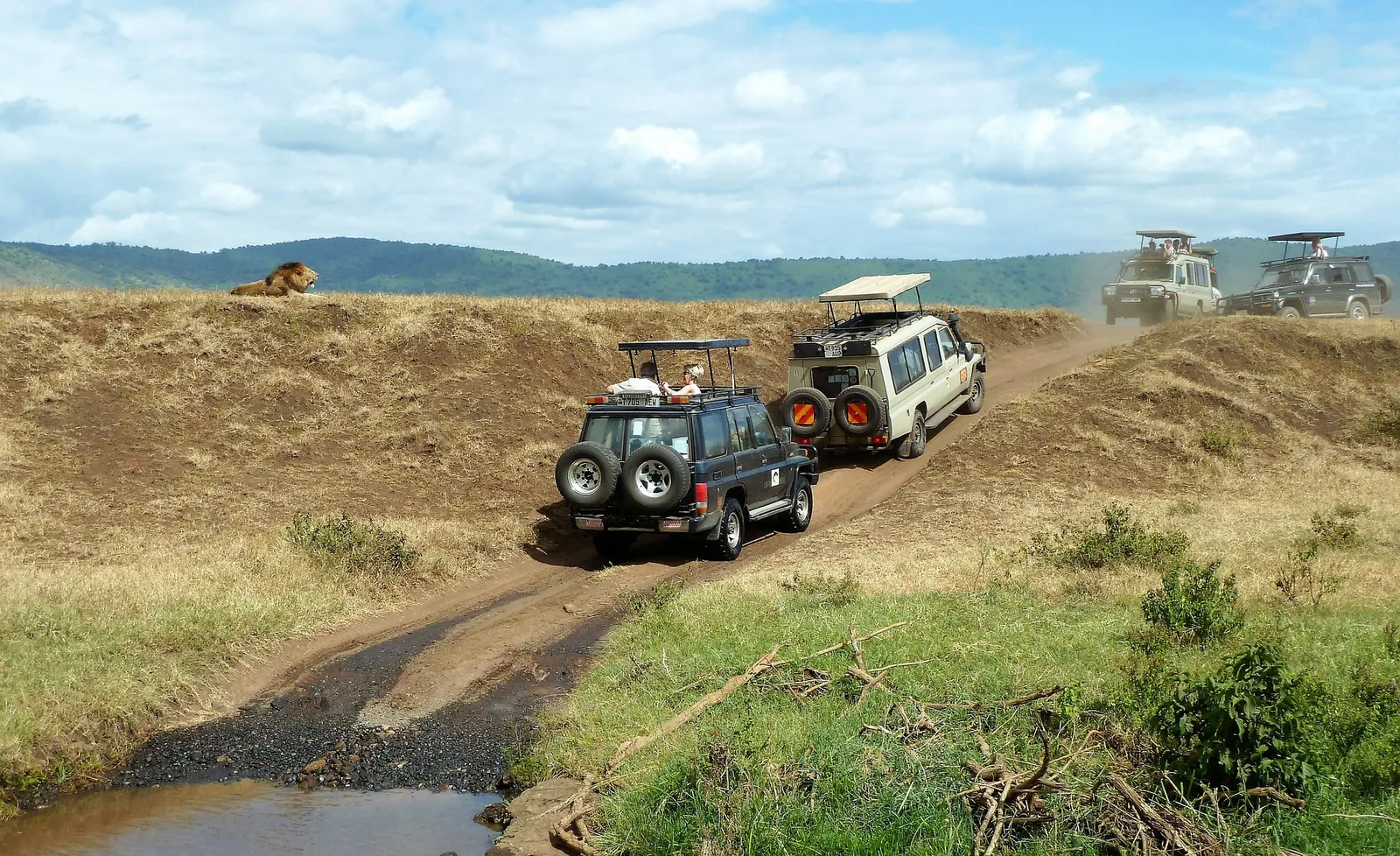
Wild animals are unpredictable. Stay inside the vehicle unless your guide says it is safe, never stand up or lean out when animals are nearby unless told to, and keep your voice low. Do not approach, feed or touch any animal. Hippos, buffalo and elephants are among the most dangerous animals, and even small ones such as baboons can be aggressive if they associate people with food.
Keep food hidden, close tent zips and do not leave valuables or food outside. Good guides read animal behaviour and will move away from tension, so trust their judgement. See game drives explained.
Safety in Camps and Lodges
Many camps are unfenced, so animals can pass through. After dark you will normally be escorted to your room, and you should wait for the escort and follow the rules. Do not walk alone at night, and keep a torch handy. Report any concern to staff immediately. Follow instructions for emergencies and keep a whistle or alarm device if one is provided. In tented camps, zip the tent fully and keep food out of rooms. See lodging types for how layouts differ.
Walking Safaris and Climbing
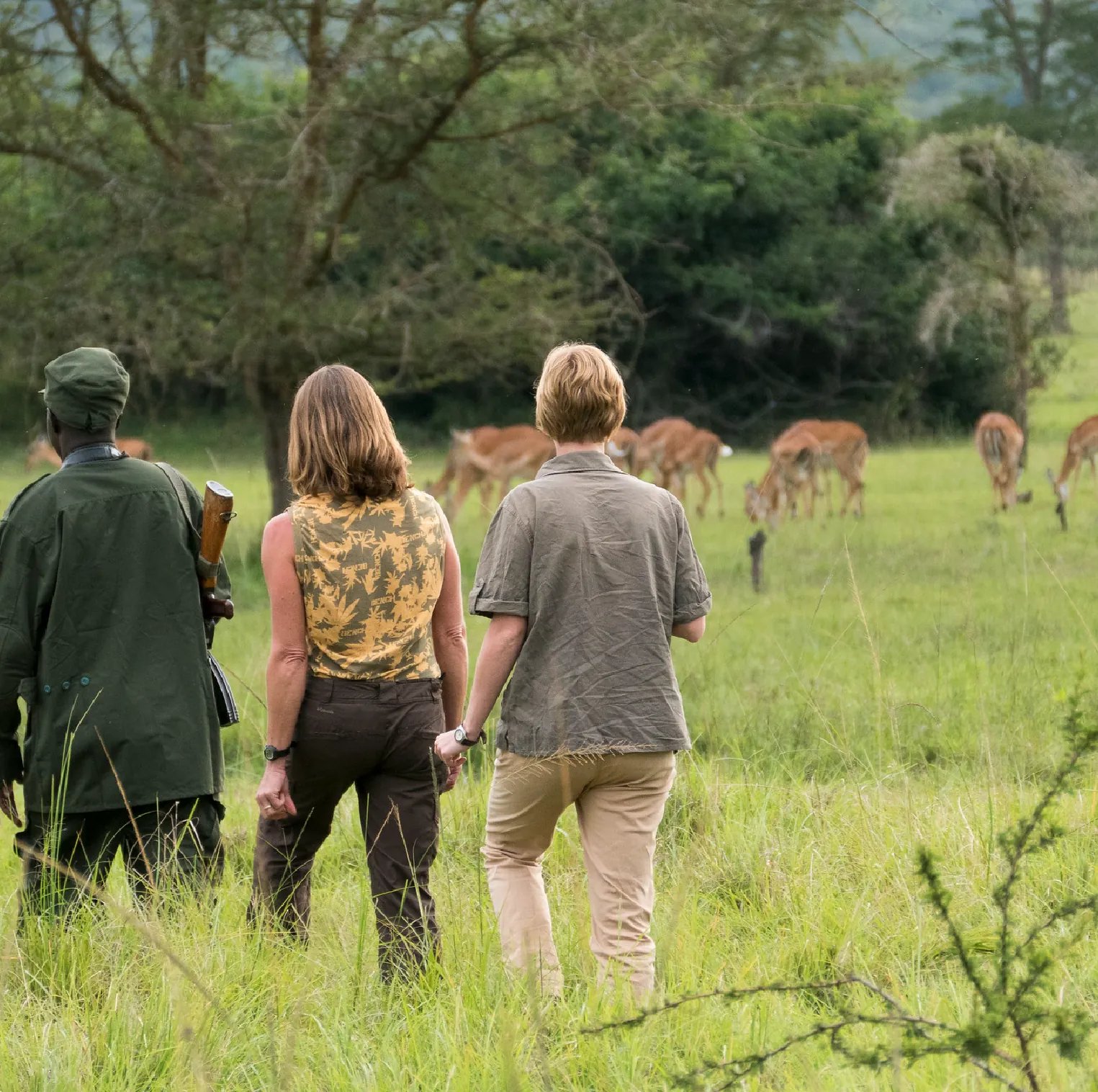
Walking safaris are led by armed rangers and follow strict briefings. Stay in line, follow instructions and never run. For Kilimanjaro, altitude is the main risk, and careful acclimatisation and a good operator matter. Read altitude sickness guide and walking safaris in Tanzania. Water activities should be done only with trained, licensed guides.
Road Travel and Transport
Road travel is one of the biggest practical risks in many countries, so choose reputable operators with well-maintained vehicles and experienced drivers, wear a seat belt, avoid night driving outside towns and be patient with traffic. Domestic flights on small aircraft are run by established operators. See domestic flights guide. If you hire a car yourself, take extra care with unfamiliar roads, speed bumps and livestock.
City and Street Precautions
| Situation | Sensible approach |
|---|---|
| Walking after dark in towns | Avoid it; use a trusted taxi or hotel transport |
| Phones and cameras | Keep them out of sight in crowded areas |
| Cash and cards | Carry only what you need; keep the rest in a safe |
| Offers from strangers | Be polite but cautious about tour or money offers |
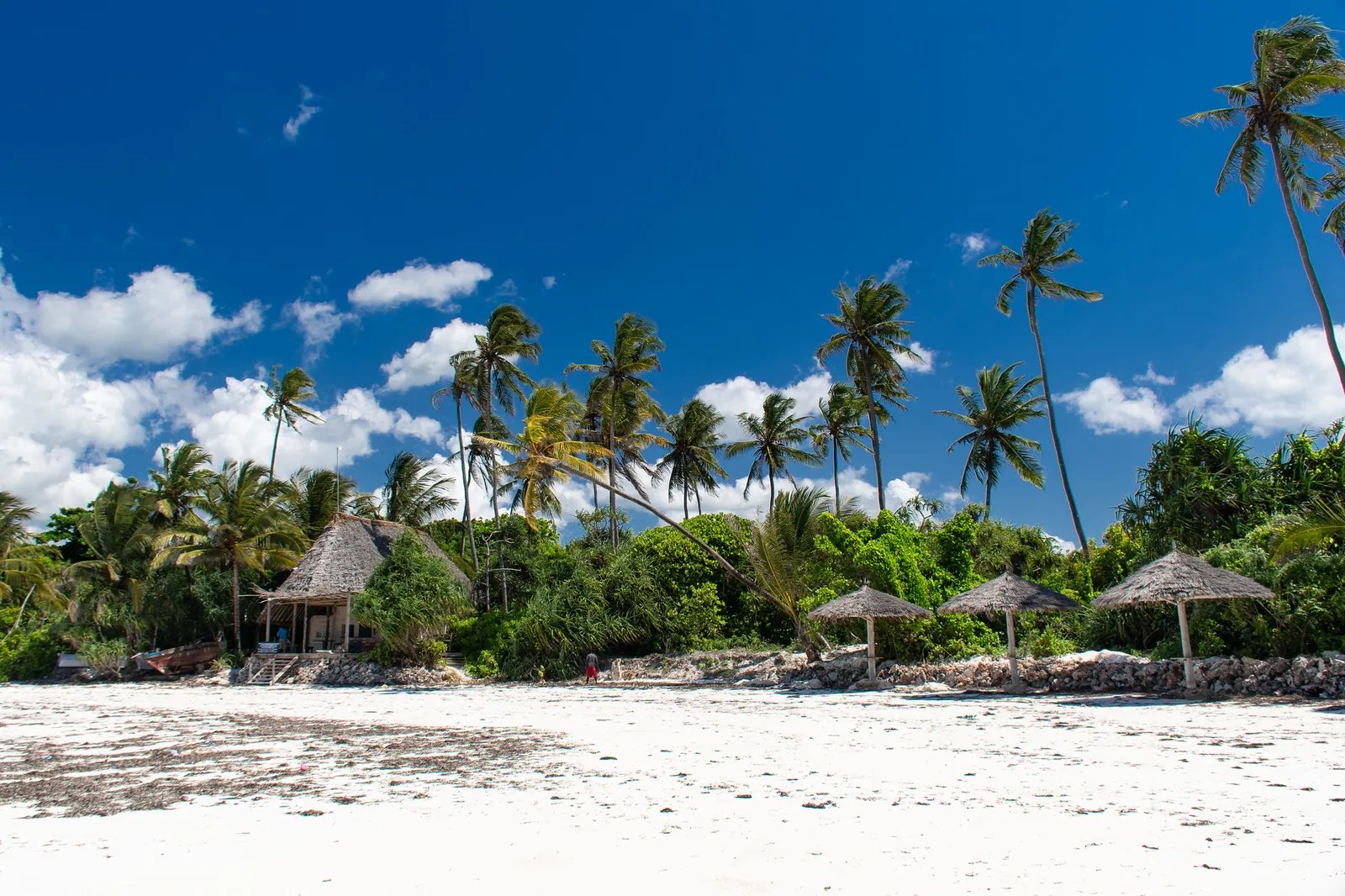
| Beaches and Zanzibar | Do not leave valuables unattended; follow local dress customs |
See Arusha safari gateway guide for gateway-town advice.
Health, Insurance and Documents
Prepare for malaria, bring safe drinking water and carry a basic first-aid kit and any prescription medication. Insurance should cover medical care and evacuation. Keep copies of your passport and documents separate from the originals. See health and malaria guide and visa guide. Check official sources for any entry conditions that apply at the time you travel.
Respect, Photography and Common Sense
Ask before photographing people, dress modestly in villages and on Zanzibar and respect local laws and customs. Photography of military or government sites can be restricted. Be calm if someone asks for money and politely refuse if you are uncomfortable. A good operator briefs guests on local etiquette. See responsible travel in Tanzania for how to be a good guest.
Planning a Uganda safari? Send us your dates and we will build the route, permits and transport around what you want to see.
Related Tours, Guides and Resources
- Ameera Africa Safaris homepage: Uganda safaris, tours and holidays
- Uganda safari packages
- Uganda travel guide
- How to book a Uganda safari
- Plan your safari with our team
Itineraries That Include This Experience
Frequently Asked Questions
Related Uganda Safari Pages
- Tanzania Health and Malaria Guide: Vaccines, Water and Staying Well on Safari
- Game Drives Explained: What Happens on a Safari Drive in East Africa
- Arusha: Tanzania's Safari Gateway, Airports, Markets and Things to Do
- Responsible Travel in Tanzania: Safaris That Benefit Wildlife and Communities
- Tanzania Safari Vehicles and Guides: What to Expect and What to Ask
- Tanzania Safari With Children: Planning a Family Trip That Works
- Senior and Accessible Safaris in Tanzania: Comfort, Mobility and Pacing
- Tanzania Safari and Travel Guides: Serengeti, Ngorongoro, Kilimanjaro and Zanzibar
Ready to Plan Your Uganda Safari?
Tell us your dates, group size and interests and our Kampala team will reply with a clear, personal itinerary.
Back to the Ameera Africa Safaris homepage for Uganda tours and safaris, our featured tours and the latest Uganda park fees.