
Drones on Safari in East Africa: Rules, Permits and Wildlife Ethics
Drone rules differ in Kenya, Tanzania, Rwanda and Uganda and can change, so assume you need official permission before bringing or flying a drone, and in most national parks assume the answer will be no.
A drone seems a natural way to capture the scale of a savanna or the sweep of a volcano, but it is one of the most restricted items a safari traveller can bring. Authorities worry about wildlife disturbance, safety, security and privacy, and some countries have confiscated drones at the airport or border.
This page explains the general picture, how to approach the authorities, and why many photographers leave the drone at home. Always check with the relevant authorities and your operator, because rules are updated.
This guide is part of our Uganda facts and travel information guide. When you are ready to plan, see our Uganda safari packages or the Ameera Africa Safaris Uganda tours homepage.
At a glance
- Short answer: Do not assume you can fly
- Who decides: Aviation authority and park authority
- In parks: Often prohibited without special permission
- At the border: Drones may be declared or held
- Ethics: Wildlife disturbance is the main concern
The General Picture
In East Africa, drones are regulated as aircraft and as potential tools of surveillance. That means several bodies may have a say: the civil aviation authority, the wildlife or parks authority, sometimes the police or defence authorities, and the tourism board. Import and use are separate questions. Bringing a drone into a country may require declaration and permission, even if you never fly it. Do not rely on a travel blog or a past traveller account, because requirements change. Instead, ask your operator early, and check official websites well before departure.
Country by Country
Each country has its own aviation authority and its own approach:
| Country | Who to ask | General approach |
|---|---|---|
| Kenya | Kenya Civil Aviation Authority and the park or conservancy | Permission is required, and many protected areas do not allow flights |
| Tanzania | Tanzania Civil Aviation Authority and the park authority | Permits are needed, and national parks restrict drones |
| Rwanda | Rwanda Civil Aviation Authority and the development board | Tight controls, with permission required for import and use |
| Uganda | Uganda Civil Aviation Authority and the wildlife authority | Permits needed, and parks generally restrict flights |
Treat this table as a prompt to ask the right body, not as a legal summary. Uganda travellers can read filming and photography permits.
Inside National Parks and Reserves
National parks, reserves and conservancies often have their own rules on top of national law, and they commonly prohibit drones because the noise and shadow can disturb animals, particularly nesting birds and herds on the move. Gorilla and chimpanzee trekking areas are especially sensitive. Even where private conservancies or community lands are more flexible, you will normally need written permission and sometimes a licensed operator. If a guide tells you not to fly, that is the end of the matter, because your guide holds responsibility for your group and for the licence of the vehicle.
Wildlife Ethics
Animals can mistake a drone for a predator or bird of prey, and they may flee, abandon young, or stampede. Birds can attack drones. Elephant herds, wildebeest at river crossings and predators on a hunt are all easily disrupted. Conservation work and film productions sometimes use drones under strict licence and monitored protocols, which is different from a casual flight. If you value wildlife photography, safari photography tips and the photography gear guide show how to get strong images from the ground.
Arrival, Customs and Security
Some travellers have had drones held at the airport until permissions were shown, and others have been told to leave them with customs. Some countries ask for a declaration on arrival. Keep any permits and receipts with you, and check airline battery rules, since lithium batteries must travel in cabin baggage under standard limits. Never fly near airports, military sites, government buildings, crowds, borders or national symbols, even if you think the area is empty. Being detained over a drone is a problem no itinerary can absorb.
Alternatives to Flying Your Own
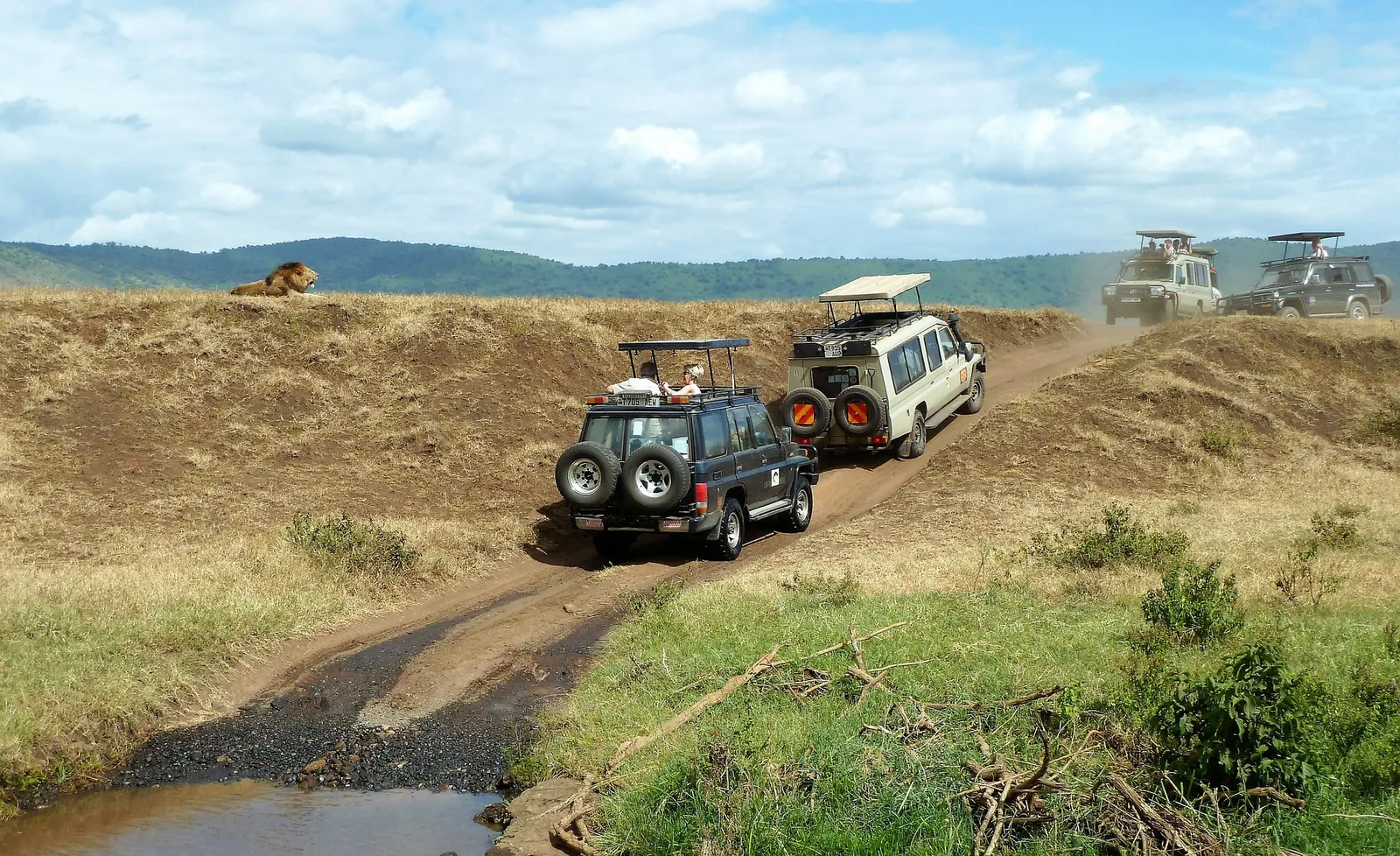
If you want aerial views, consider a scenic light-aircraft flight, a hot air balloon where offered, or a hilltop viewpoint. Operators can also arrange professional photographers or licensed film crews with the right permits. Some lodges publish aerial images, and official tourism boards provide licensed footage. Sunrise from a rim, ridge or kopje often gives the sense of scale you wanted. Read photography safaris for options, and see game drives explained for how vehicles are positioned for better light.
How to Ask the Right Questions
When you contact your operator, ask: is a drone allowed in each country on my route, who issues permission, how long does it take, will I need to declare it on arrival, does my insurance cover it, and what do parks say? Allow plenty of lead time, because approvals can be slow. If the answer is unclear, leave the drone at home. For general conduct rules around wildlife, read safari etiquette and safety rules. For Rwanda specifics, see is Rwanda safe.
Planning a Uganda safari? Send us your dates and we will build the route, permits and transport around what you want to see.
Related Tours, Guides and Resources
- Ameera Africa Safaris homepage: Uganda safaris, tours and holidays
- Uganda safari packages
- Uganda travel guide
- How to book a Uganda safari
- Plan your safari with our team
Itineraries That Include This Experience

Frequently Asked Questions
Related Uganda Safari Pages
- East Africa Photography Safaris: Best Locations, Light and Etiquette
- Safari Photography Tips: Camera Gear, Settings and Techniques for Wildlife
- Safari Photography Gear Guide: Cameras, Lenses, Bags and Accessories for East Africa
- Commercial Filming and Photography in Uganda's National Parks
- Dietary Needs on Safari in East Africa: Vegetarian, Vegan, Halal, Allergy and Gluten-Free Planning
- Safari With Toddlers and Babies in East Africa: Planning, Pacing and Health
- Sun, Heat and Hydration on Safari in East Africa
- East Africa Travel Guides: Tanzania, Kenya, Rwanda, Burundi and DR Congo
Ready to Plan Your Uganda Safari?
Tell us your dates, group size and interests and our Kampala team will reply with a clear, personal itinerary.
Back to the Ameera Africa Safaris homepage for gorilla trekking safaris in Uganda, our featured tours and the latest Uganda park fees.