
East Africa Photography Safaris: Best Locations, Light and Etiquette
The best East Africa photography safaris combine a few well-chosen locations, small vehicles, time at each sighting and guides who understand light and animal behaviour.
Photographers value time more than distance. Spending extra nights in fewer places usually produces better pictures than racing between parks.
This page covers locations, gear and etiquette.
This guide is part of our Uganda park trails and activities guide. When you are ready to plan, see our Uganda safari packages or the Ameera Africa Safaris Uganda tours homepage.
At a glance
- Best light: Dawn and dusk
- Locations: Mara, Serengeti, Amboseli, Bwindi
- Vehicle: Limited seats, bean bags
- Gear: Telephoto, spare batteries
- Ethics: Distance and patience
Where to Go
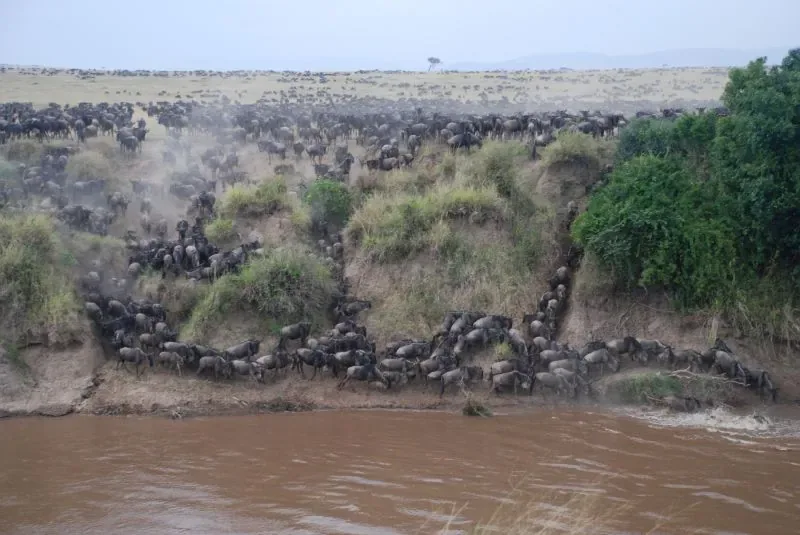
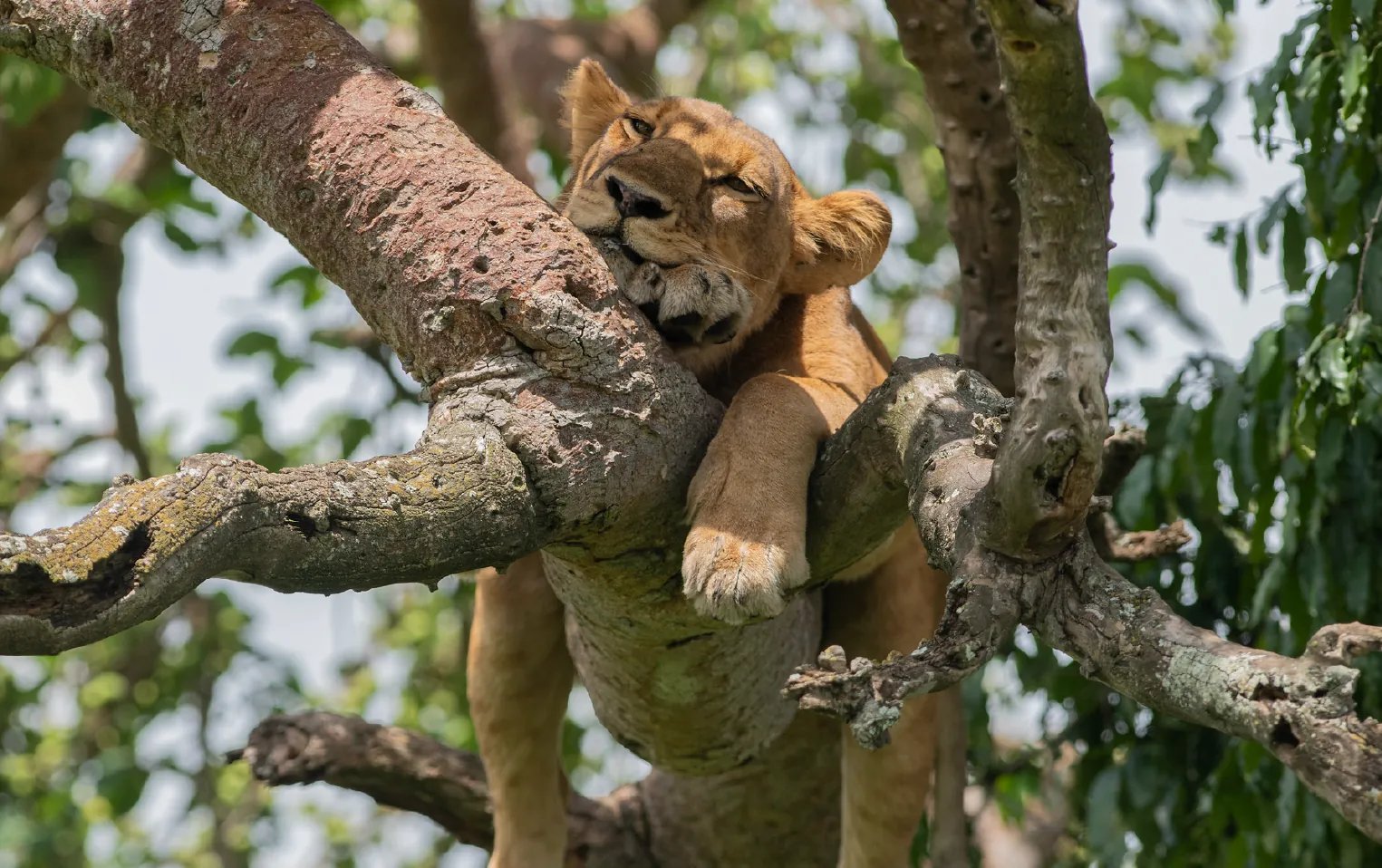
The Masai Mara and Serengeti offer big cats and herds. Amboseli frames elephants against Kilimanjaro. Murchison Falls gives waterfalls, boats and giraffes. Bwindi and Volcanoes provide low-light primate photography. Lake Nakuru adds flamingos and rhinos. See national parks guide.
Vehicle and Guide
Request a vehicle with a roof hatch and limited seats so everyone has a window. Tell the guide what you want to capture. A patient guide will position you for light and background.
Ethics
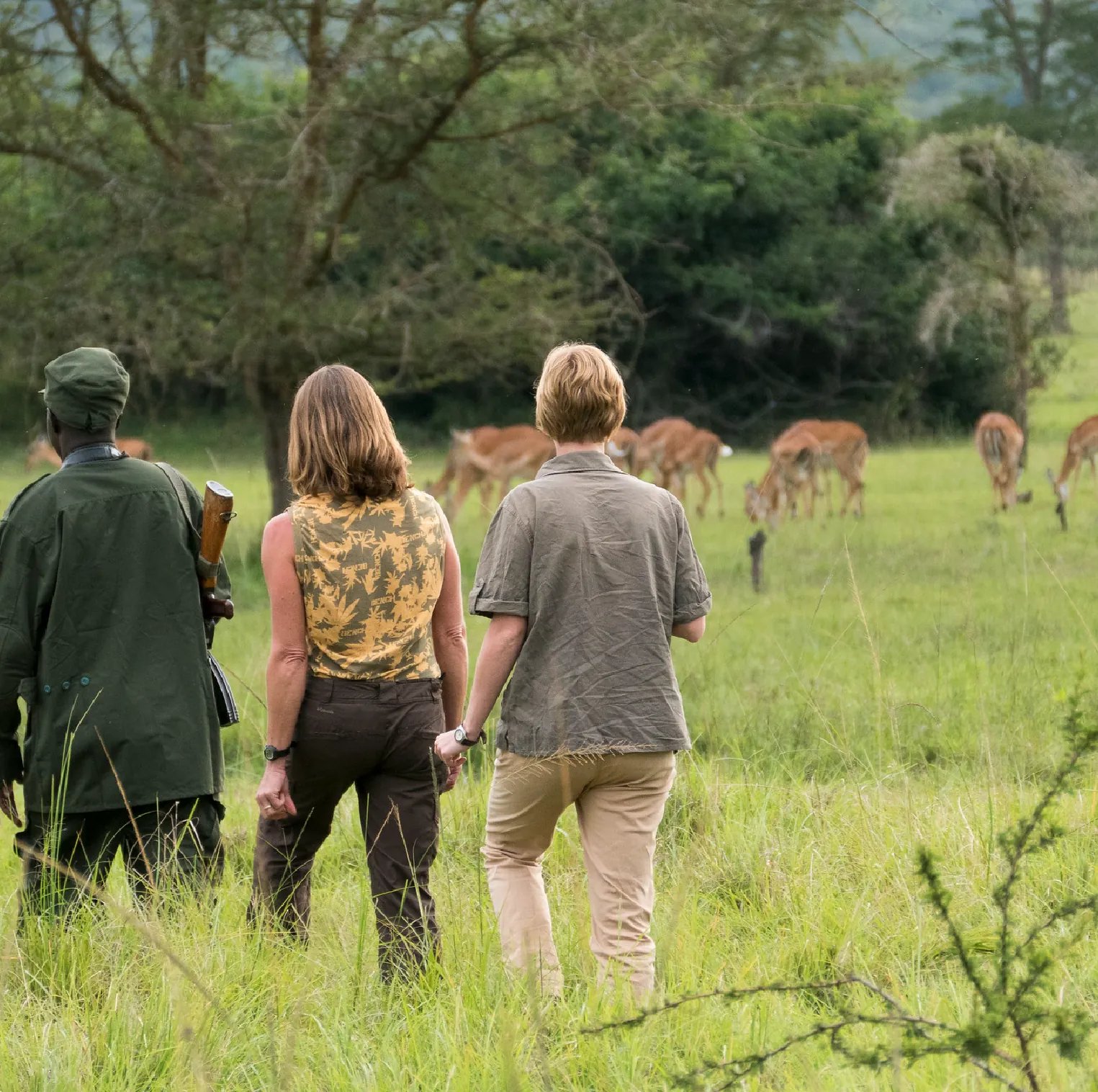
Never bait animals, approach on foot or crowd sightings. Respect rules in primate forests where flash is not allowed.
Light, Weather and Timing
Golden hour light just after sunrise and before sunset produces the best colours and contrast. Overcast days soften light for portraits, while midday sun suits silhouettes with care. Dust can add atmosphere in the dry season, and storm clouds give drama in the green season. Plan to spend long periods at promising sightings rather than moving on quickly.
Building a Photography Itinerary
Spend several nights in fewer locations, choose camps near wildlife corridors, and consider a private vehicle for flexibility. Ask guides to position you with the sun behind your shoulder and a clean background. Use bean bags or window mounts, bring spare batteries and back up each evening. See safari photography tips.
Editing and Sharing
Back up files nightly onto two devices. Choose your best images soon after returning, while the details are fresh, and edit gently to keep natural colour and contrast. Label locations and species for later reference. When sharing online, avoid revealing exact locations of sensitive species such as rhinos or nests. Credit guides and camps, and consider donating a print or image to a conservation project. Photography is a powerful way to advocate for the places you visit.
Equipment Checklist
Pack two camera bodies if you can, a long telephoto lens, a mid-range zoom, a wide-angle lens, a bean bag, lens cloths, spare batteries and memory cards, a laptop or hard drive for backups and a dust-proof bag. Include a rain cover and a headlamp. Weigh your gear for flights and check bush plane limits. Insurance for equipment is worth considering.
Photography Etiquette With People
Ask permission before photographing people, explain why and offer to show the photo. Do not pay for staged poses unless a fair arrangement exists. Respect cultural taboos. Sharing images with subjects, when possible, builds goodwill.
Post-Trip Care
Back up daily, label images and share responsibly. Credit local guides.
Planning a Uganda safari? Send us your dates and we will build the route, permits and transport around what you want to see.
Related Tours, Guides and Resources
- Ameera Africa Safaris homepage: Uganda safaris, tours and holidays
- Uganda safari packages
- Uganda travel guide
- How to book a Uganda safari
- Plan your safari with our team
Itineraries That Include This Experience
Frequently Asked Questions
Related Uganda Safari Pages
- Safari Photography Tips: Camera Gear, Settings and Techniques for Wildlife
- East Africa Wildlife Guide: Animals You Can See in Uganda, Kenya, Tanzania and Rwanda
- East Africa National Parks Guide: Best Parks in Uganda, Kenya, Tanzania and Rwanda
- First-Time Safari Guide for East Africa: What to Know Before You Go
- Small-Group vs Private Safaris in East Africa: Which Is Right for You?
- Game Drives Explained: What Happens on a Safari Drive in East Africa
- East Africa Travel Guides: Tanzania, Kenya, Rwanda, Burundi and DR Congo
Ready to Plan Your Uganda Safari?
Tell us your dates, group size and interests and our Kampala team will reply with a clear, personal itinerary.
Back to the Ameera Africa Safaris homepage for Uganda tours and safaris, our featured tours and the latest Uganda park fees.