
Safari Photography Gear Guide: Cameras, Lenses, Bags and Accessories for East Africa
The best safari kit is a camera with a long zoom lens, a steady support such as a bean bag, plenty of batteries and cards, and simple protection from dust and bumps.
Safari subjects range from a distant lion to a gorilla in dim forest, and a few well-chosen items will handle most of them. You do not need an enormous bag to get good pictures.
This guide covers equipment choices and how to protect them. For technique, pair it with the safari photography tips page.
This guide is part of our Uganda facts and travel information guide. When you are ready to plan, see our Uganda safari packages or the Ameera Africa Safaris Uganda tours homepage.
At a glance
- Lens: Long zoom for wildlife
- Support: Bean bag on the vehicle
- Power: Spare batteries and chargers
- Storage: Several memory cards plus backup
- Protection: Dust covers and soft cloths
Camera Bodies
Any modern camera with fast autofocus and good performance in low light suits safari, whether mirrorless, DSLR or a capable bridge camera. Burst shooting helps with moving animals, and weather sealing is a bonus in dusty conditions. If you carry two bodies, one can wear a long lens and the other a wider zoom, avoiding lens changes in dust. Beginners are better served by a camera they know well than by a new model unpacked the night before. See photography safaris in East Africa for dedicated trips.
Lenses That Work
A telephoto zoom that reaches well beyond standard focal lengths is the single most useful lens for plains wildlife, while a mid-range zoom handles landscapes, camp scenes and people. Forest primates often live in dim light and close quarters, so a fast lens or higher ISO capability matters more than extreme reach. A wide-angle adds drama to skies and acacia silhouettes. Rent expensive glass if you will use it once, and test everything before leaving.
Support and Stability
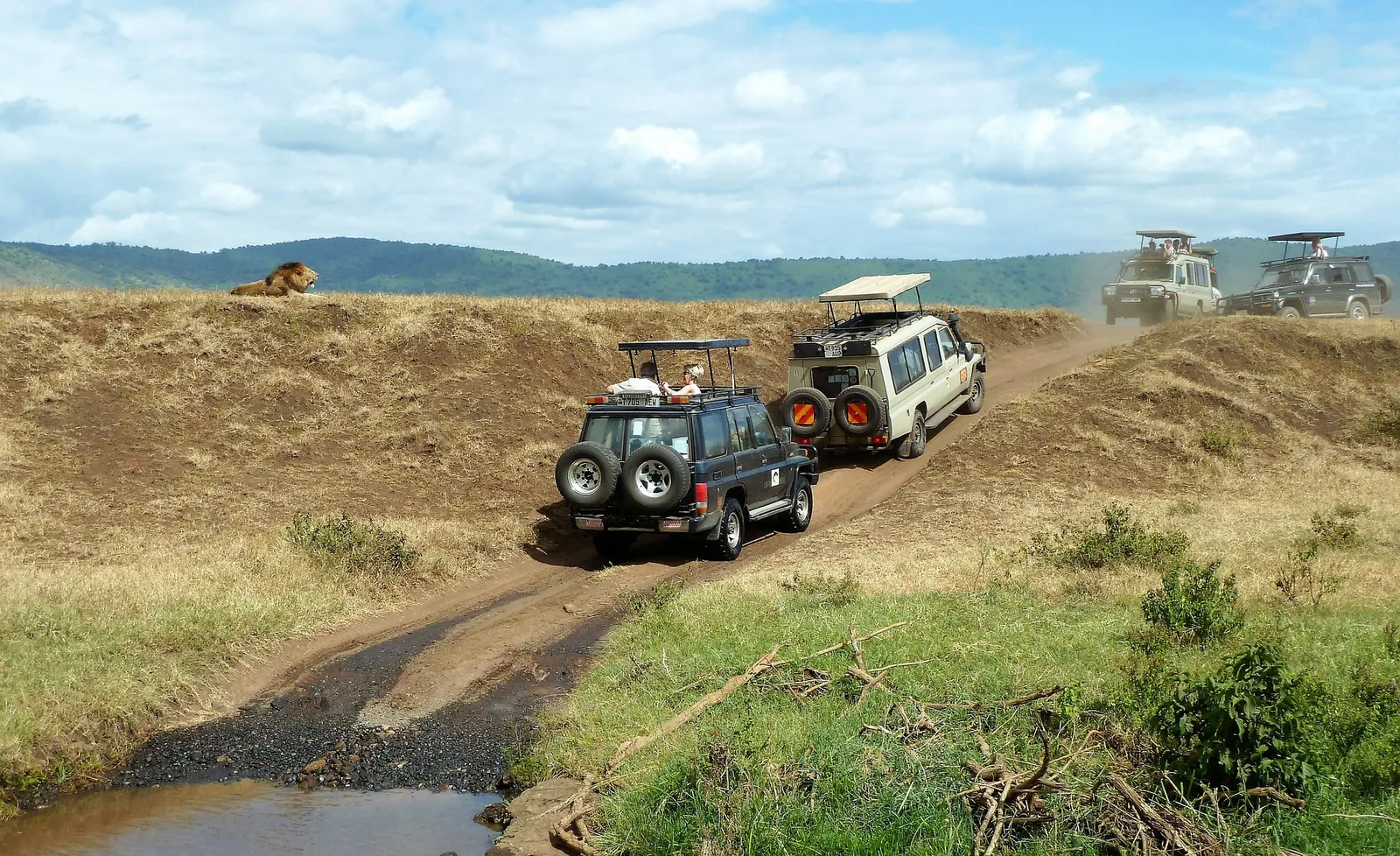
Tripods are awkward in vehicles, so most photographers use a bean bag resting on the window frame or roof, which damps vibration cheaply. Many operators supply them, but a travel bag you fill locally with rice or beans is easy to pack empty. Ask guides to switch off the engine when you shoot, since idling shakes the whole vehicle. For walks, a monopod or lightweight trekking pole can help.
Dust, Rain and Humidity
Roads and plains produce fine dust, and forests bring damp. Keep gear in sealed bags or padded cases between drives, use a rain cover or a simple plastic wrap for showers, and wipe lenses with a soft microfibre cloth rather than your shirt. A blower brush removes grit safely. Avoid changing lenses outdoors in wind. Silica gel packs help in humid places, and an extra cloth for dawn condensation is useful too.
Power, Cards and Backup
Safari days involve many hours of shooting, so bring more batteries than you think you need and a charger compatible with local sockets. Lodges generally offer charging points, though supply can be limited or timed, so a power bank and a travel adaptor are wise. Carry several memory cards rather than one large card, and back images up each evening to a laptop or portable drive. Africa power plugs, SIM cards and phones explains plug types.
Binoculars, Phones and Extras
Binoculars let everyone in the vehicle enjoy birds and distant animals, and they are an excellent companion even to serious photographers. Modern phones capture good landscapes, camp life and video, and a clip-on lens or phone adaptor for binoculars can stretch their range. Add a lens hood, spare strap, headlamp and a small notebook for locations. A soft day pack with padded dividers fits better into small aircraft than a hard case.
Permits and Responsible Use
Some parks and communities have rules about professional filming, drones and photographing people, and primate tracking has restrictions on flash. Check regulations in advance; for Uganda see filming and photography permits. Never trade animal welfare for a picture, and respect guides' decisions on distance. Good etiquette is covered in safari etiquette and safety rules.
Planning a Uganda safari? Send us your dates and we will build the route, permits and transport around what you want to see.
Related Tours, Guides and Resources
- Ameera Africa Safaris homepage: Uganda safaris, tours and holidays
- Uganda safari packages
- Uganda travel guide
- How to book a Uganda safari
- Plan your safari with our team
Itineraries That Include This Experience
Frequently Asked Questions
Related Uganda Safari Pages
- Safari Photography Tips: Camera Gear, Settings and Techniques for Wildlife
- East Africa Photography Safaris: Best Locations, Light and Etiquette
- East Africa Power Plugs, SIM Cards and Mobile Phones: What Travellers Need
- Wildlife Photography Safaris in Uganda: Gear, Tips and Best Spots
- Is an East Africa Safari Safe? Answers to the Most Common Safety Questions
- Safari Vehicle Types in East Africa: 4x4 Land Cruisers, Pop-Tops, Open Vehicles and Boats
- Solo Female Safari Travel in East Africa: Planning, Safety and Confidence
- East Africa Travel Guides: Tanzania, Kenya, Rwanda, Burundi and DR Congo
Ready to Plan Your Uganda Safari?
Tell us your dates, group size and interests and our Kampala team will reply with a clear, personal itinerary.
Back to the Ameera Africa Safaris homepage for Uganda safaris and tours, our featured tours and the latest Uganda park fees.