
Is an East Africa Safari Safe? Answers to the Most Common Safety Questions
Millions of visitors enjoy East African safaris every year, and with a reputable operator, trained guides and basic precautions the risks are manageable and well understood.
Safety on safari covers several different things: wildlife, health, personal security, road travel and emergencies. Each has its own sensible precautions, and none should stop you going.
The answers below are organised by topic. Always check your government's current travel advice and your operator's guidance before departure, since conditions can change.
This guide is part of our Uganda facts and travel information guide. When you are ready to plan, see our Uganda safari packages or the Ameera Africa Safaris Uganda tours homepage.
At a glance
- Wildlife: Guides manage distance and behaviour
- Health: Vaccines, malaria and water advice
- Crime: Normal city precautions
- Roads: Use experienced drivers
- Cover: Insurance with evacuation
Is It Safe Around Wildlife?
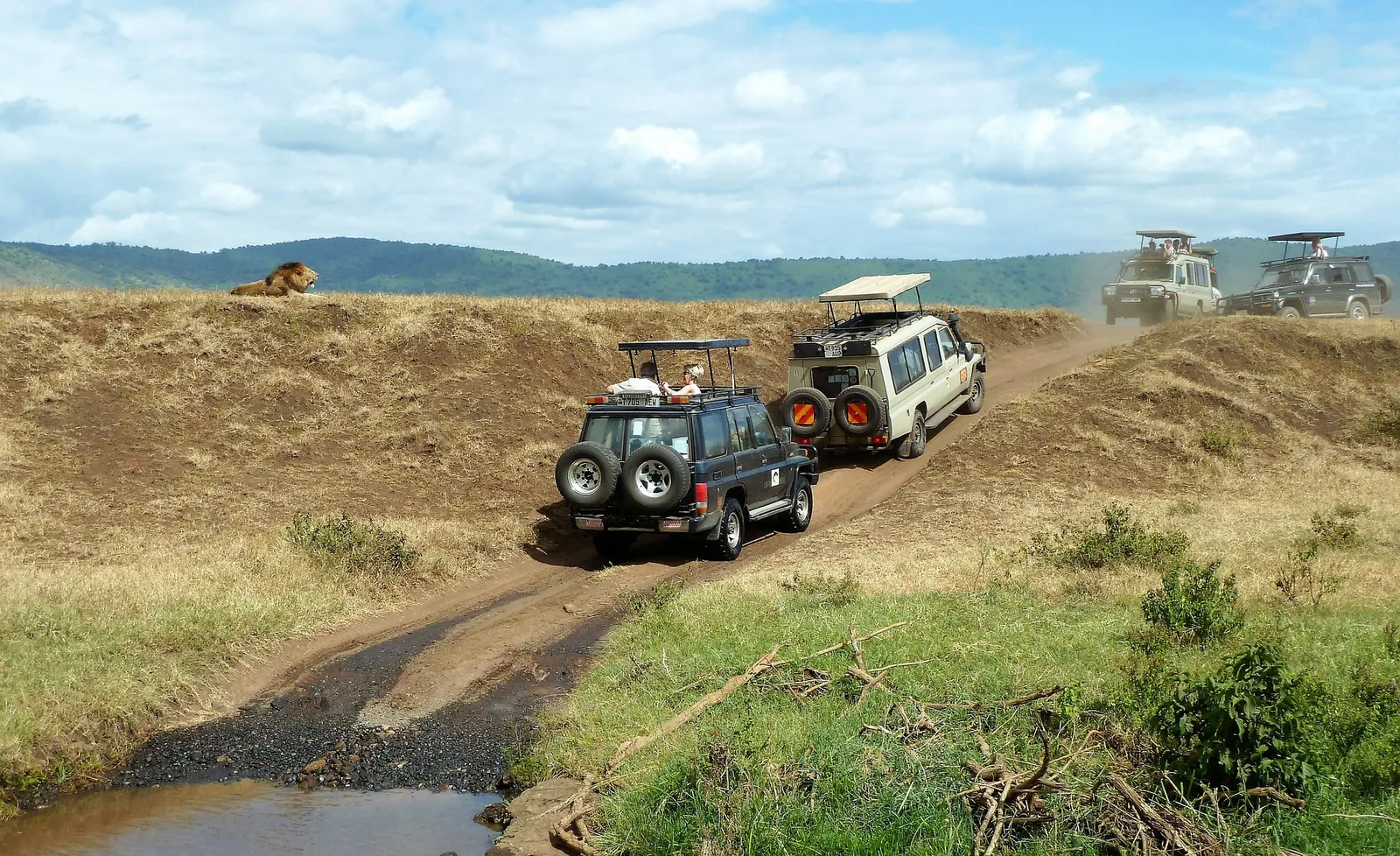
Safari vehicles are designed for close but respectful viewing, and animals generally treat a vehicle as a single large object. Problems arise when people get out, stand up in the wrong place or crowd an animal. Follow your guide, stay seated while moving and keep to the rules explained in safari etiquette and safety rules. In camps, you will be escorted after dark where animals pass through. Guides are trained to read behaviour and keep a safe margin.
What About Health Risks?
The main concerns are malaria, travellers' stomach upsets and, in some areas, other insect-borne illnesses. Seek travel-clinic advice weeks before leaving, keep vaccinations up to date, use repellent and drink safe water, usually bottled or treated. See malaria prevention and health and vaccinations. Bring a small first-aid kit and any prescription medicines in their original packaging.
Crime and Personal Security
Most safari lodges and parks are calm, but cities such as Nairobi, Kampala, Kigali and Arusha call for the same alertness as any large city. Avoid displaying valuables, use hotel safes, travel with reputable drivers and avoid walking alone at night. Your operator will advise on neighbourhoods and transfer timing. Kigali is often noted for being orderly, but standard precautions still apply. Check official travel advice for each country before booking.
Road Travel and Flights
Roads can be busy and uneven, with trucks, motorbikes and livestock, so experienced safari drivers who know the routes are worth a lot. Avoid night driving outside towns. Scheduled light aircraft are widely used between parks, and reputable operators choose established carriers. See getting around East Africa and flying safaris for how transfers work.
Medical Emergencies and Insurance
Remote lodges are far from hospitals, so good insurance matters, including medical evacuation. Camps usually carry first-aid kits and radios, and guides know the nearest clinics. Tell your operator about medical conditions and allergies in advance. Read travel insurance for an African safari and the East Africa insurance guide before buying a policy.
Solo Travellers and Families
Solo travellers, older visitors and families can all travel safely with sensible planning. Choose operators who describe their safety procedures, check age rules for activities and make sure vehicles and rooms suit your group. See solo female safari travel, safari with teenagers and senior and accessible safaris.
Practical Safety Habits
Keep copies of documents separate from originals, share your itinerary with someone at home, carry emergency numbers from your operator and keep a charged phone. Listen to briefings at each camp. If something feels wrong, say so, because good guides welcome questions. Sensible habits plus reliable local support turn a safari into one of the safer ways to experience wild places.
Planning a Uganda safari? Send us your dates and we will build the route, permits and transport around what you want to see.
Related Tours, Guides and Resources
- Ameera Africa Safaris homepage: Uganda safaris, tours and holidays
- Uganda safari packages
- Uganda travel guide
- How to book a Uganda safari
- Plan your safari with our team
Itineraries That Include This Experience
Frequently Asked Questions
Related Uganda Safari Pages
- Safari Etiquette and Safety Rules in East Africa: How to Behave Around Wildlife and People
- East Africa Health Guide: Vaccinations, Malaria and Staying Healthy on Safari
- Travel Insurance for an African Safari: What to Cover and What to Check
- Getting Around East Africa: Flights, Roads, Trains and Boats
- Safari Vehicle Types in East Africa: 4x4 Land Cruisers, Pop-Tops, Open Vehicles and Boats
- Solo Female Safari Travel in East Africa: Planning, Safety and Confidence
- Tipping on an East Africa Safari: Who, When and How to Show Appreciation
- East Africa Travel Guides: Tanzania, Kenya, Rwanda, Burundi and DR Congo
Ready to Plan Your Uganda Safari?
Tell us your dates, group size and interests and our Kampala team will reply with a clear, personal itinerary.
Back to the Ameera Africa Safaris homepage for Uganda tours and safaris, our featured tours and the latest Uganda park fees.