
Is Rwanda Safe for Tourists? What Gorilla and Safari Visitors Should Know
Rwanda is widely regarded as one of the more orderly destinations in East Africa, but visitors should still read official advice, mind the border regions and take ordinary precautions.
Rwanda is small, well organised and heavily focused on tourism, particularly gorilla trekking in Volcanoes National Park. Kigali is known for its clean streets, and many visitors report feeling comfortable moving around it. Even so, safety is never absolute, and the right approach is to be informed rather than complacent.
This page covers official advice, border areas, everyday precautions, roads, health and the rules visitors are expected to follow. It complements, and never replaces, the advice published by your own government.
This guide is part of our Uganda facts and travel information guide. When you are ready to plan, see our Uganda safari packages or the Ameera Africa Safaris Uganda tours homepage.
At a glance
- First step: Check government travel advice
- Border regions: Read current advice before travelling
- Cities: Daytime walking is common
- Roads: Hilly, with motorbike taxis
- Rules: Respect local laws and photography limits
Official Advice and Border Areas
Governments publish advice for Rwanda, and it commonly pays special attention to areas close to the border with the Democratic Republic of the Congo, where conflict has affected parts of the east of that country. Volcanoes National Park lies near that border region, and tourism there continues under ongoing arrangements, but conditions can change. Read the latest advice before booking and again before flying, and ask your operator how they monitor the situation. Operators with experience in the area will tell you about any adjustments. Explore Volcanoes National Park and Rwanda safari safety.
Everyday Safety in Kigali and Towns
Crime levels against visitors are generally considered low compared with many capitals, but petty theft and bag snatching do occur, so apply ordinary city sense. Keep valuables out of sight, use a hotel safe, carry only what you need and use registered taxis or ride-hailing apps at night. Streets are well lit in central districts, though you should still take care after dark. Most people find locals helpful and polite. For city planning, see Kigali travel guide and where to stay in Kigali.
Laws, Etiquette and Photography
Rwanda enforces rules visitors should respect. Plastic bags are banned, so pack with that in mind and expect checks at the airport. Photography of military sites, government buildings and some officials is restricted, so ask before pointing a camera at anything sensitive. Drones are tightly controlled, as covered in drones on safari. Dress modestly in towns, be respectful at memorial sites, and follow guidance given at memorial visits. A community cleaning day on the last Saturday of the month is a feature of local life.
Roads and Motorbike Taxis
Rwanda has well-maintained main roads, but they are hilly, winding and shared with cyclists, pedestrians and motorbike taxis. Your safari vehicle will be driven by a trained guide who knows the route; avoid driving at night yourself. Motorbike taxis are common, but they carry risks, and many visitors prefer cars. If you use one, insist on a helmet. Roads to the mountain parks can be slippery after rain. Travel times in the hills are longer than maps suggest, so plan with margin using Kigali to Musanze route.
Health and Water
Malaria risk exists in Rwanda, though it varies by altitude and season, so seek advice from a clinician well before you travel about prevention. Check the current vaccination list and yellow fever requirements for your travel history. Use bottled or treated water, eat well-cooked food and carry any regular medicines in original packaging. Gorilla trekking involves steep, wet terrain at altitude, so decent fitness and sensible footwear matter, and anyone with a cold or contagious illness may be refused permission to trek to protect the gorillas. See Rwanda health and malaria guide.
Wildlife and Trekking Safety
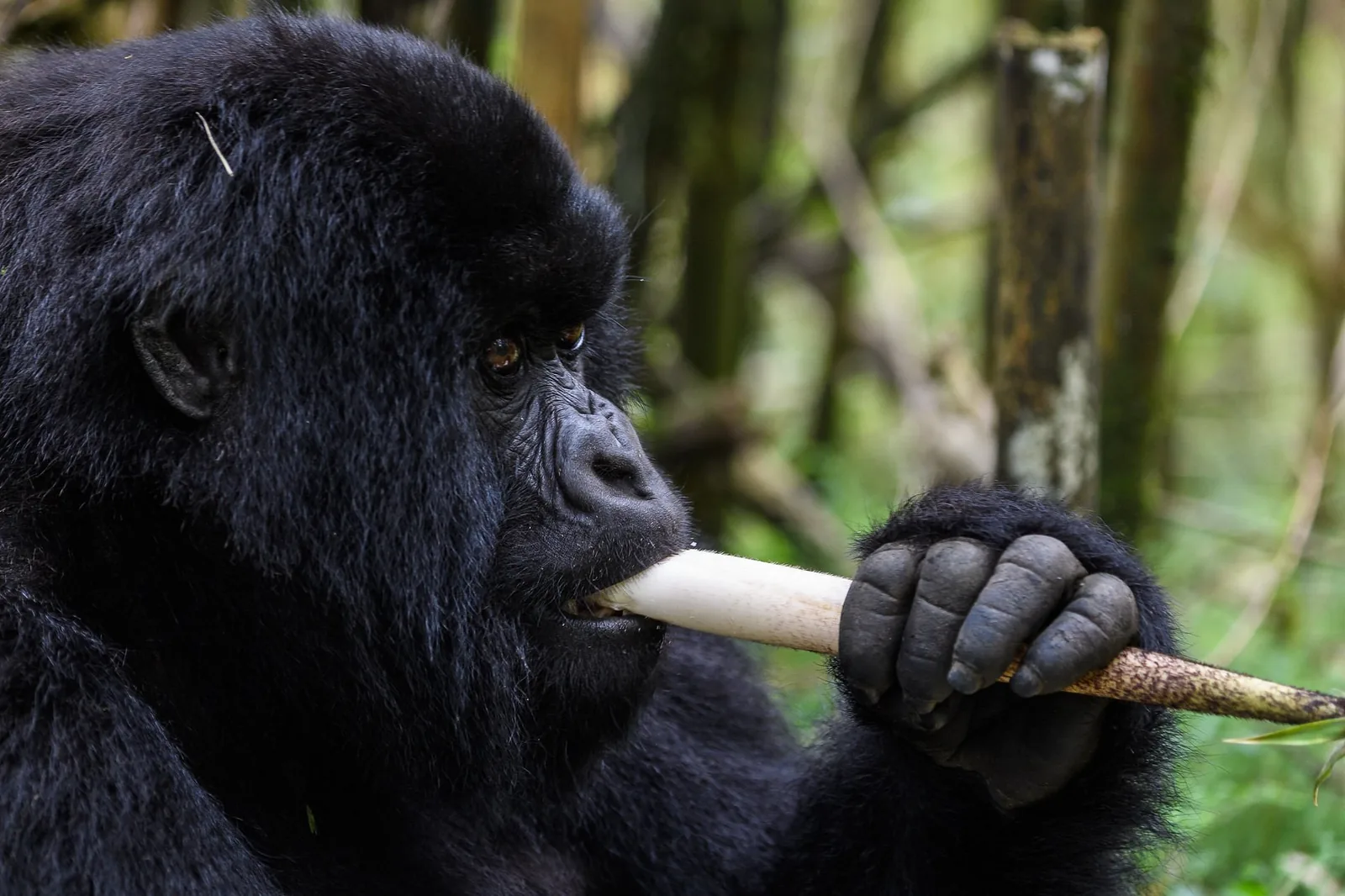
On gorilla and chimpanzee treks, guides and trackers lead the group, and rangers carry equipment to deal with the unexpected. Follow instructions about keeping distance, staying in a group, not eating near the animals and keeping your voice low. In Akagera, remain in the vehicle on game drives and follow guides on boat trips. Walking in Nyungwe forest follows marked trails. Read gorilla permits and trekking rules and Akagera guide for park-specific conduct.
Final Checklist
Read your government advice, take out insurance covering medical evacuation, see a clinician, carry copies of documents and tell someone at home your plans. Book through a licensed operator, keep valuables hidden, pack reusable bags rather than plastic and respect local rules. If you plan to combine countries, see is Uganda safe, is Kenya safe and is Tanzania safe. The Rwanda travel guide and safari safety FAQ add further detail.
Planning a Uganda safari? Send us your dates and we will build the route, permits and transport around what you want to see.
Related Tours, Guides and Resources
- Ameera Africa Safaris homepage: Uganda safaris, tours and holidays
- Uganda safari packages
- Uganda travel guide
- How to book a Uganda safari
- Plan your safari with our team
Itineraries That Include This Experience

Frequently Asked Questions
Related Uganda Safari Pages
- Rwanda Safari and Travel Guides: Gorillas, Volcanoes, Nyungwe, Akagera and Kigali
- Rwanda Gorilla Trekking: Volcanoes National Park, Permits, Families and How a Trek Works
- Rwanda Visa, Money and Practical Information for Visitors
- East Africa Safari FAQs: Answers to Common Questions Before You Book
- Safari First Aid Kit for East Africa: What to Pack and What to Discuss With a Clinician
- Drones on Safari in East Africa: Rules, Permits and Wildlife Ethics
- Dietary Needs on Safari in East Africa: Vegetarian, Vegan, Halal, Allergy and Gluten-Free Planning
- East Africa Travel Guides: Tanzania, Kenya, Rwanda, Burundi and DR Congo
Ready to Plan Your Uganda Safari?
Tell us your dates, group size and interests and our Kampala team will reply with a clear, personal itinerary.
Back to the Ameera Africa Safaris homepage for Uganda tours, our featured tours and the latest Uganda park fees.