
Rwanda Health and Malaria Guide: Vaccinations, Malaria, Altitude and Staying Well
Plan Rwanda health preparation with a travel clinic several weeks before you leave, because vaccinations, malaria advice and a personal medical kit depend on your own health and itinerary.
Rwanda has good tourist infrastructure and a well-organised health system in towns, but specialist care is limited far from Kigali. A little preparation prevents most health problems.
This page is general information, not medical advice. Always consult a doctor or travel health clinic and check official guidance from your own health authority.
This guide is part of our Uganda facts and travel information guide. When you are ready to plan, see our Uganda safari packages or the Ameera Africa Safaris Uganda tours homepage.
At a glance
- Before travel: See a travel clinic early
- Malaria: Ask about risk and prevention
- Water: Bottled or treated
- Altitude: Higher in the volcano region
- Insurance: Include medical evacuation
Before You Travel
Make an appointment with a doctor or travel clinic at least several weeks before departure. They will check routine vaccinations, such as tetanus, and advise on others relevant to East Africa, such as hepatitis A and typhoid, depending on your history. Entry rules on yellow fever certificates depend on where you have travelled from, so check the official sources. Our East Africa health and vaccinations page gives general background, and Rwanda practical information covers entry basics.
Malaria and Mosquitoes
Malaria risk in Rwanda varies by region and altitude, and you should ask your doctor which preventive tablets, if any, suit you. Everyone benefits from bite prevention: use repellent, wear long sleeves and trousers at dusk, sleep under a net where provided and use air conditioning or fans. Seek medical help for fever during or after your trip, and tell the doctor where you have been. For comparison, Uganda safari vaccines and malaria prevention gives a regional perspective.
Food and Water
Drink bottled or properly treated water and avoid ice in cheaper places. Eat freshly cooked food, wash or peel fruit and wash hands often. Hotels and lodges that cater to visitors are usually careful, but stomach upsets can still happen. Bring oral rehydration salts and any medication you usually take. See Rwanda food and drink for what to try.
Altitude and Trekking
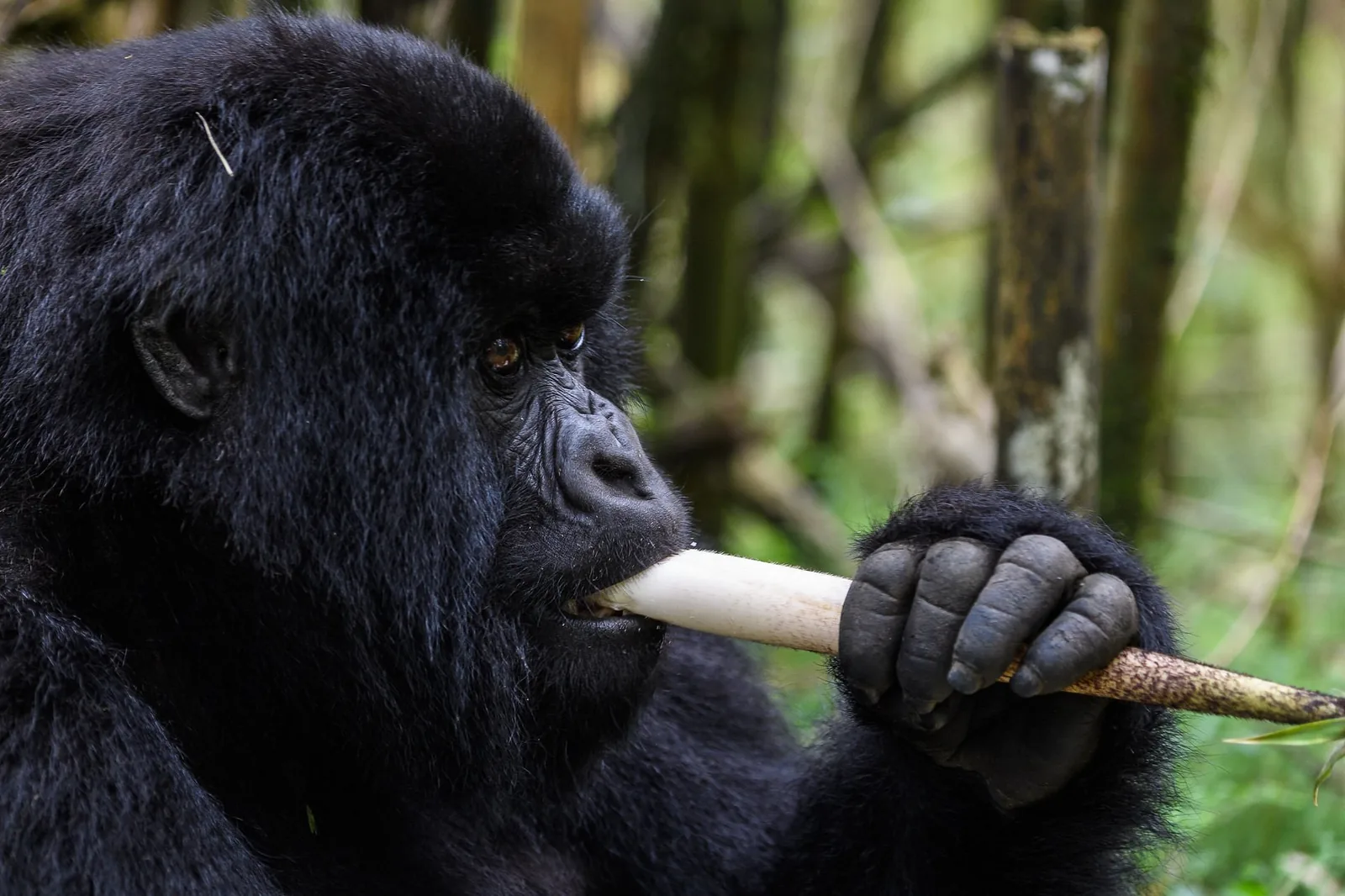
Kigali and the volcano region are high enough to affect some people. Take it easy on arrival, drink water and avoid alcohol before a trek. Report headaches or dizziness to your guide. Gorilla trekkers should not trek when ill, as gorillas can catch respiratory infections from people. See fitness and trekking preparation and gorilla trekking.
Sun, Insects and Everyday Care
Equatorial sun is strong even on cool, cloudy days. Use sunscreen and a hat. Carry a small first aid kit with plasters, antiseptic, painkillers, antihistamines, blister treatment and any prescribed medicines in their original packaging. Pack extra contact lenses or glasses. A guide to what to bring appears in the East Africa packing list.
Medical Facilities and Insurance
Kigali has hospitals and clinics, while rural areas have basic facilities. Serious problems may need evacuation, so insurance with medical cover and evacuation is wise. Inform your lodge or guide of any chronic conditions. Read travel insurance for an African safari and Rwanda safari safety.
After You Return
If you become ill after returning home, mention that you travelled in Africa, especially if you develop fever. Finish any antimalarial course as instructed. For planning other aspects of the journey use the Rwanda travel guide and Rwanda FAQs.
Planning a Uganda safari? Send us your dates and we will build the route, permits and transport around what you want to see.
Related Tours, Guides and Resources
- Ameera Africa Safaris homepage: Uganda safaris, tours and holidays
- Uganda safari packages
- Uganda travel guide
- How to book a Uganda safari
- Plan your safari with our team
Itineraries That Include This Experience

Frequently Asked Questions
Related Uganda Safari Pages
- East Africa Health Guide: Vaccinations, Malaria and Staying Healthy on Safari
- Rwanda Travel Guide: Location, Capital, Safety and Top Attractions
- Is Rwanda Safe for Tourists? Safety on a Rwanda Safari and Gorilla Trip
- Rwanda Travel FAQs: Gorillas, Visas, Health, Money, Safety and Planning
- Rwanda Internet, SIM Cards and Electricity: Staying Connected and Charged
- Rwanda Money and Cards Guide: Currency, ATMs, Cards and Mobile Money
- Responsible Travel in Rwanda: Gorillas, Communities, Culture and Environment
- Rwanda Safari and Travel Guides: Gorillas, Volcanoes, Nyungwe, Akagera and Kigali
Ready to Plan Your Uganda Safari?
Tell us your dates, group size and interests and our Kampala team will reply with a clear, personal itinerary.
Back to the Ameera Africa Safaris homepage for Uganda tours, our featured tours and the latest Uganda park fees.