
Samburu Wildlife Guide: The Special Five, Elephants, Big Cats and River Life
Samburu is Kenya's northern dry-country showcase, home to the Special Five of Grevy's zebra, reticulated giraffe, Somali ostrich, beisa oryx and gerenuk, plus elephants, leopards, lions and crocodiles on the Ewaso Ng'iro River.
The Ewaso Ng'iro River runs through Samburu and the neighbouring Buffalo Springs and Shaba reserves, creating a green ribbon of doum palms and acacias in otherwise arid land. Animals come to it from the surrounding scrub.
This guide introduces the wildlife you can expect and the habitats that shape it.
This guide is part of our animals of Uganda and East Africa guide. When you are ready to plan, see our Uganda safari packages or the Ameera Africa Safaris Uganda tours homepage.
At a glance
- Special Five: Grevy's zebra, reticulated giraffe, Somali ostrich, beisa oryx, gerenuk
- Elephants: Large, active herds on the river
- Predators: Leopards, lions, cheetahs
- River: Crocodiles and hippos
- Birds: Dry-country and riverine species
The Special Five
Samburu is known for five species that are rare or absent in southern Kenyan parks. Grevy's zebra has narrow stripes and large rounded ears and is endangered. The reticulated giraffe has a bold network of liver-coloured patches, the Somali ostrich has a bluish neck and legs, the beisa oryx carries straight, rapier-like horns, and the gerenuk stands on its hind legs to reach leaves with its long neck. Looking for all five makes a pleasing challenge. Read more at Samburu National Reserve and the Special Five.
Elephants of the River
Elephant herds are one of Samburu's joys. Families drink, bathe and feed along the Ewaso Ng'iro, and the open banks allow close, respectful viewing. Long-term research in the area has contributed to knowledge of elephant behaviour. See elephant facts.
Leopards, Lions and Cheetahs
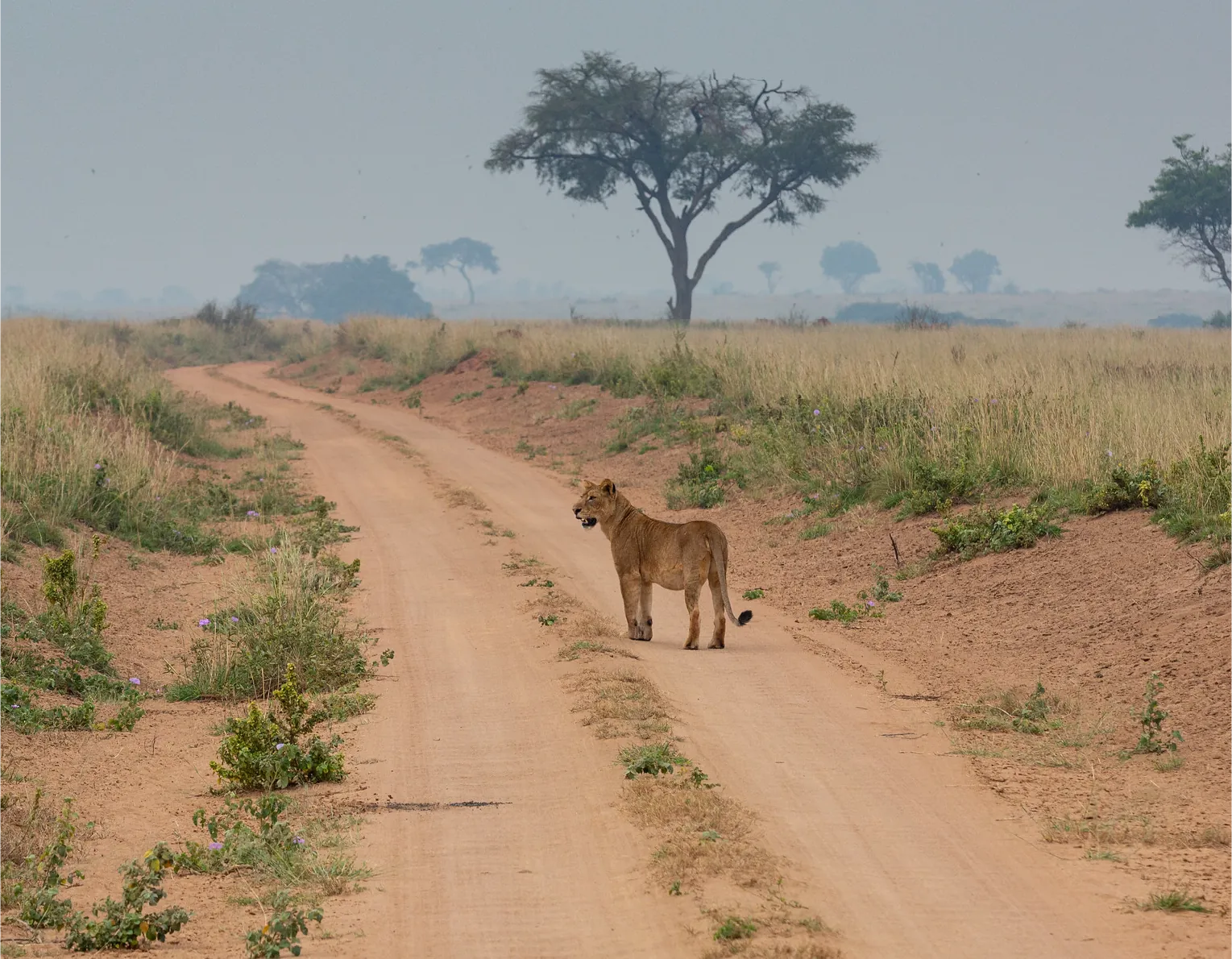
Leopards use the riverside trees and rocky outcrops, and sightings in Samburu are often excellent. Lions live in the reserves, and cheetahs hunt in the open scrub. The reserves have also been known for unusual lion behaviour, with a well-publicised lioness that adopted oryx calves some years ago. Predators are drawn to the river, which concentrates prey. See African big cats.
Crocodiles, Hippos and Waterbirds
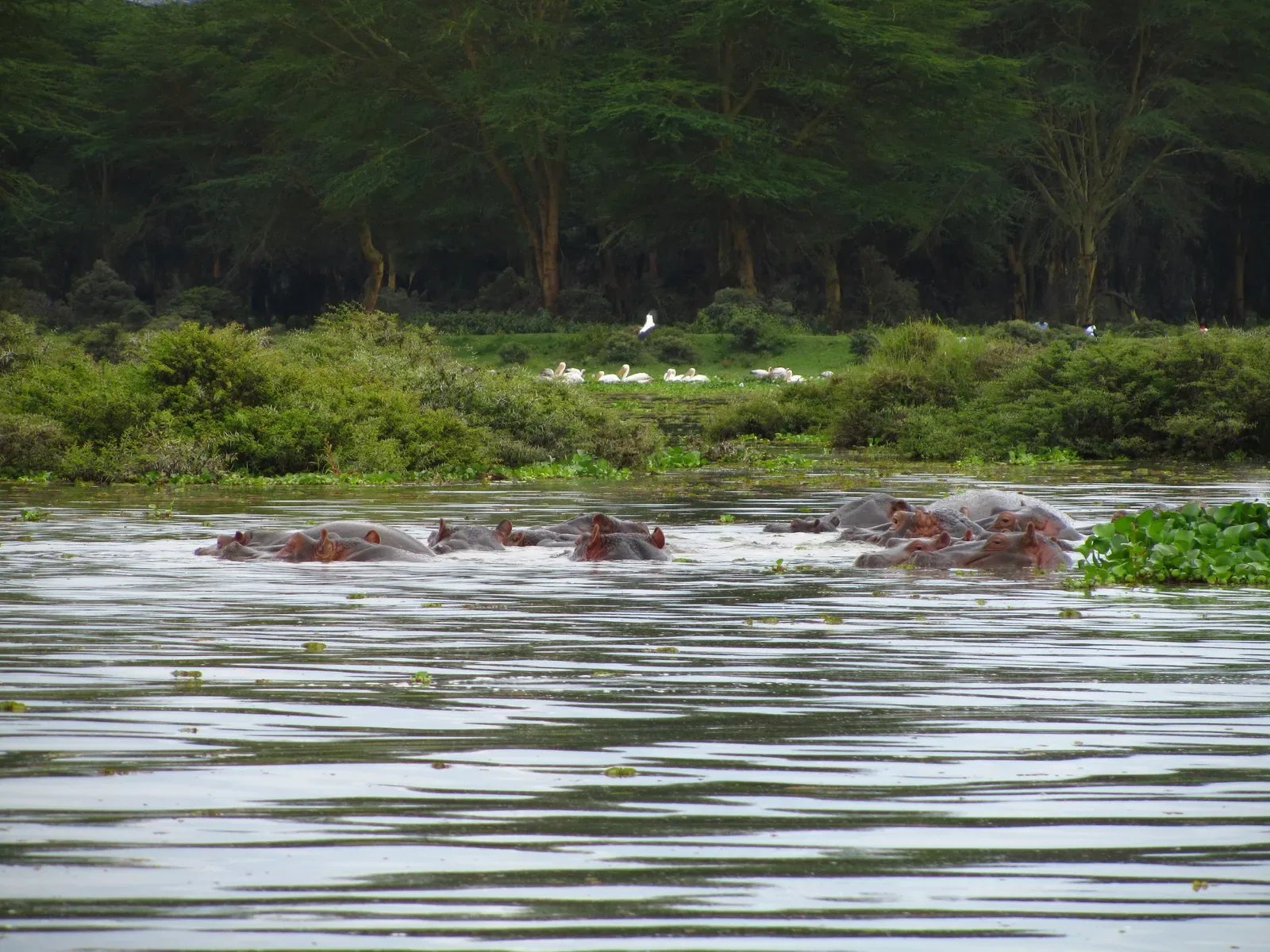
Nile crocodiles bask on sandbanks, and hippos wallow in pools. Watch from camp decks and designated viewpoints, and keep your distance from the banks. Waterbirds including egrets and kingfishers add colour.
Birds of Dry Country
The reserves are productive for birds, with vulturine guineafowl, golden pipits, Somali bee-eaters, eagles, hornbills and many raptors. The vulturine guineafowl, with its blue breast and cape of long feathers, is a favourite. See the birding guide.
Watching Wildlife Well
Take dawn and late afternoon drives, spend time at river bends and ask your guide to check sandy riverbeds for tracks. Compare this park with the south using the East Africa wildlife guide.
Why the North Is Different
Samburu belongs to a drier ecological zone than the Masai Mara or Amboseli, which explains its distinctive animals. Plants and animals here have adapted to scarce water, heat and thorny scrub, and the river acts as a magnet that pulls wildlife into view. That means a day in Samburu often alternates between quiet stretches of dry bush and sudden, rewarding scenes at the water. Visitors who know the Mara will find the pace and the cast different, and that contrast is exactly why many itineraries pair the two. Compare the destinations in Uganda, Kenya and Tanzania compared, and see things to do in Samburu for planning.
Planning a Uganda safari? Send us your dates and we will build the route, permits and transport around what you want to see.
Related Tours, Guides and Resources
- Ameera Africa Safaris homepage: Uganda safaris, tours and holidays
- Uganda safari packages
- Uganda travel guide
- How to book a Uganda safari
- Plan your safari with our team
Itineraries That Include This Experience

Frequently Asked Questions
Related Uganda Safari Pages
- Samburu National Reserve and the Special Five: Northern Kenya's Dry-Country Wildlife
- African Big Cats: Lion, Leopard and Cheetah Compared and Where to See Them
- Elephant Facts and Where to See Elephants in Uganda, Kenya and Tanzania
- Lake Nakuru Wildlife Guide: Flamingos, Rhinos, Rothschild's Giraffes and Leopards
- Lake Naivasha and Hell's Gate Wildlife Guide: Hippos, Birds, Giraffes and Cliff Raptors
- Ol Pejeta and Laikipia Wildlife Guide: Rhinos, Chimpanzees, Lions and Rare Antelope
- Kenya Safari and Travel Guides: Masai Mara, Amboseli, Tsavo, Samburu and the Coast
Ready to Plan Your Uganda Safari?
Tell us your dates, group size and interests and our Kampala team will reply with a clear, personal itinerary.
Back to the Ameera Africa Safaris homepage for Uganda tours, our featured tours and the latest Uganda park fees.