
Kenya Birding Calendar: Month-by-Month Guide to Birds and Seasons
Kenya can be birded in every month, but the northern winter from about November to April adds millions of Palaearctic migrants, while the dry months make travel and viewing easier.
Kenya has two rainy seasons, the long rains from roughly March to May and the short rains around October to November, and the pattern shapes both birds and access. Resident birds sing and breed after rain, while migrants from Europe and Asia arrive in autumn and leave in spring.
This calendar sets out general patterns, which vary by year and by region, so use it as a planning aid and confirm timing with your guide.
This guide is part of our animals of Uganda and East Africa guide. When you are ready to plan, see our Uganda safari packages or the Ameera Africa Safaris Uganda tours homepage.
At a glance
- Peak migrant season: November to April
- Long rains: March to May
- Short rains: October to November
- Driest: January to February, June to September
- Breeding: Many species after the rains
January and February
These are warm, mostly dry months with migrants still present and good access to most parks. Raptors, waders and warblers from the north are around, and the dry grass makes birds easier to see. The Rift Valley lakes and the coast are productive. Savannah parks such as the Masai Mara and Amboseli are comfortable for drives, with fewer problems from mud. It is a strong all-round time for a first Kenya birding trip.
March to May
The long rains bring green landscapes, nesting activity and fewer visitors, but also cloud, mud and some closed tracks. Migrants begin leaving in March and April, so you may see birds in breeding plumage before departure. Many resident birds, including weavers and widowbirds, show their finest plumage after the first rains. Birding at lodges and on forest trails continues in showers, though savannah drives can be slower. Lower accommodation demand is a bonus for budget-conscious birders.
June to August
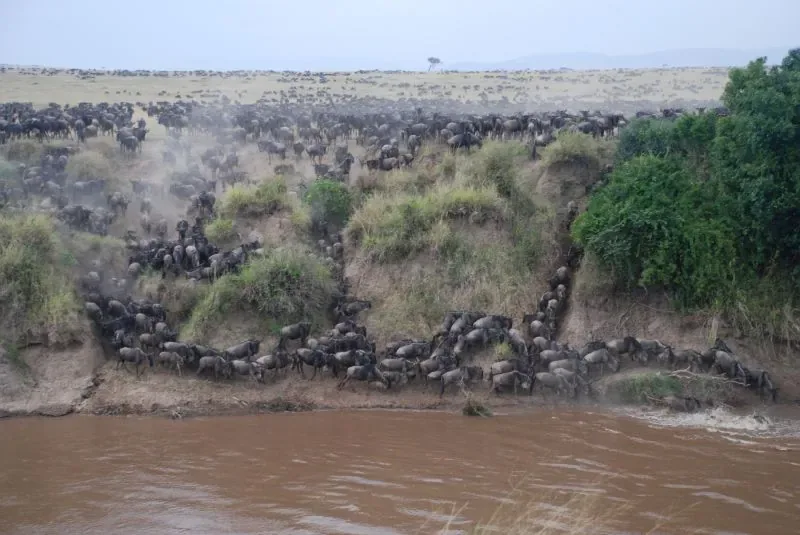
These are cooler and drier months across much of the country. Highland areas such as the Aberdares and Mount Kenya can be cold and misty, while the Rift Valley, Samburu and Tsavo are dry and clear. Resident birds are easy to find and viewing is straightforward, though migrants from the north are absent. Raptors and vultures are conspicuous over dry plains, and the Mara is busy with travellers during the wildebeest season.
September and October
Early arrivals from the north begin to appear in September, and numbers build through October as steppe eagles, bee-eaters, rollers and waders pass through. The short rains may begin late in the month in some years, bringing a flush of insects. This is a good time for watching raptor and swift movements, and the coast and lakes begin to fill with waders. See the Kenya migrant birds guide for details.
November and December
The short rains give fresh green growth, breeding activity and the full arrival of migrants. Weather is changeable, with afternoon showers in many places, and tracks in some parks can be slippery. Lakes such as Naivasha and Nakuru are lively, and the coast, including Mida Creek, is excellent for waders. Christmas increases demand and crowds, so book early if you travel around the holidays.
Species That Follow Water and Food
Not every movement follows the calendar. Flamingos shift between the soda lakes depending on water levels and algae, so numbers at Nakuru, Bogoria and Elmenteita vary from year to year. Check recent reports before you plan a trip around them. Likewise, raptor movements and weaver breeding respond to local rain, so be flexible. See Lake Bogoria birding and Lake Nakuru birding.
Choosing Your Dates
If your priority is the largest species list, aim for November to April, when residents and migrants overlap. If you prefer easy travel and clear viewing, choose January to February or June to September. For specialities with breeding displays, March to May can be very rewarding. See the Kenya birding itinerary planner and the national best time to visit Kenya guide.
Planning a Uganda safari? Send us your dates and we will build the route, permits and transport around what you want to see.
Related Tours, Guides and Resources
- Ameera Africa Safaris homepage: Uganda safaris, tours and holidays
- Uganda safari packages
- Uganda travel guide
- How to book a Uganda safari
- Plan your safari with our team
Itineraries That Include This Experience
Frequently Asked Questions
Related Uganda Safari Pages
- Kenya Migrant Birds Guide: Palaearctic Visitors and Where to See Them
- Best Time to Visit Kenya: Dry Seasons, Migration Months and Coast Weather
- East Africa Birding Guide: Best Birdwatching Destinations in Four Countries
- Best Time to Visit East Africa: Seasons in Uganda, Kenya, Tanzania and Rwanda
- Kenya Travel Guide: Location, Map, Facts, Safety and Top Attractions
- Kenya Birding Itinerary Planner: Routes, Pacing and Sample Trips
- Kenya Endemic and Specialty Birds: Where to Find the Special Species
- Animals of Uganda and East Africa: Gorilla, Chimpanzee, Big Five and Bird Fact Guides
Ready to Plan Your Uganda Safari?
Tell us your dates, group size and interests and our Kampala team will reply with a clear, personal itinerary.
Back to the Ameera Africa Safaris homepage for gorilla trekking safaris in Uganda, our featured tours and the latest Uganda park fees.