
Best Time to Visit Kenya for Safari: Seasons, the Great Migration and the Coast
The best time to visit Kenya for a safari is the long dry season from June to October, when animals gather at rivers and waterholes and the Great Migration reaches the Masai Mara.
Kenya sits on the equator, so temperatures vary more with altitude than with the seasons. Rainfall defines the safari calendar: the long rains fall from March to May and the short rains in November, with dry seasons from June to October and from December to February.
The dry months make wildlife easier to see, and the migration crossings peak between July and September. The green months offer lush scenery, fewer visitors and lower prices. The right time depends on whether you prioritise game viewing, value or the coast.
At a glance
- Best overall: June to October
- Migration in the Mara: July to September
- Short dry window: January to February
- Long rains: March to May
- Short rains: November
Kenya Safari Seasons
| Season | Months | What to expect |
|---|---|---|
| Peak dry season | June to October | Thin vegetation, concentrated wildlife, Great Migration in the Mara; busiest and most expensive. |
| Short dry season | January to February | Hot, dry and clear; good wildlife and birding, newborn animals and fewer crowds. |
| Long rains | March to May | Lush green landscapes and low rates; muddy roads and some camps close. |
| Short rains | November | Green scenery and lower prices; wildlife more dispersed. |
Wildlife viewing is good in every season, but dry months make it easier.
June to October: Peak Season for Wildlife
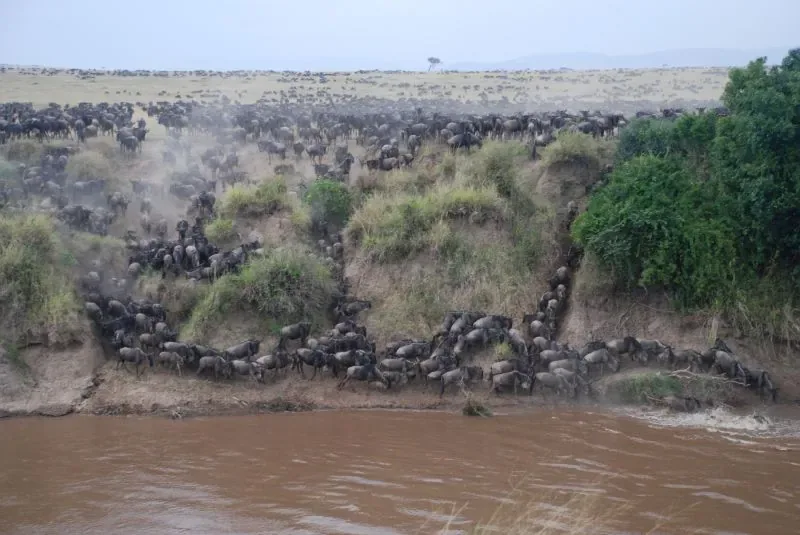
Vegetation thins and water becomes scarce, which draws animals to rivers and waterholes in high numbers. This period coincides with the Great Wildebeest Migration in the Masai Mara, with dramatic Mara River crossings peaking from July to September. The drawback is crowding and the highest prices, so book camps early. See the migration calendar and Mara conservancies.
January to February: Dry Weather and Value
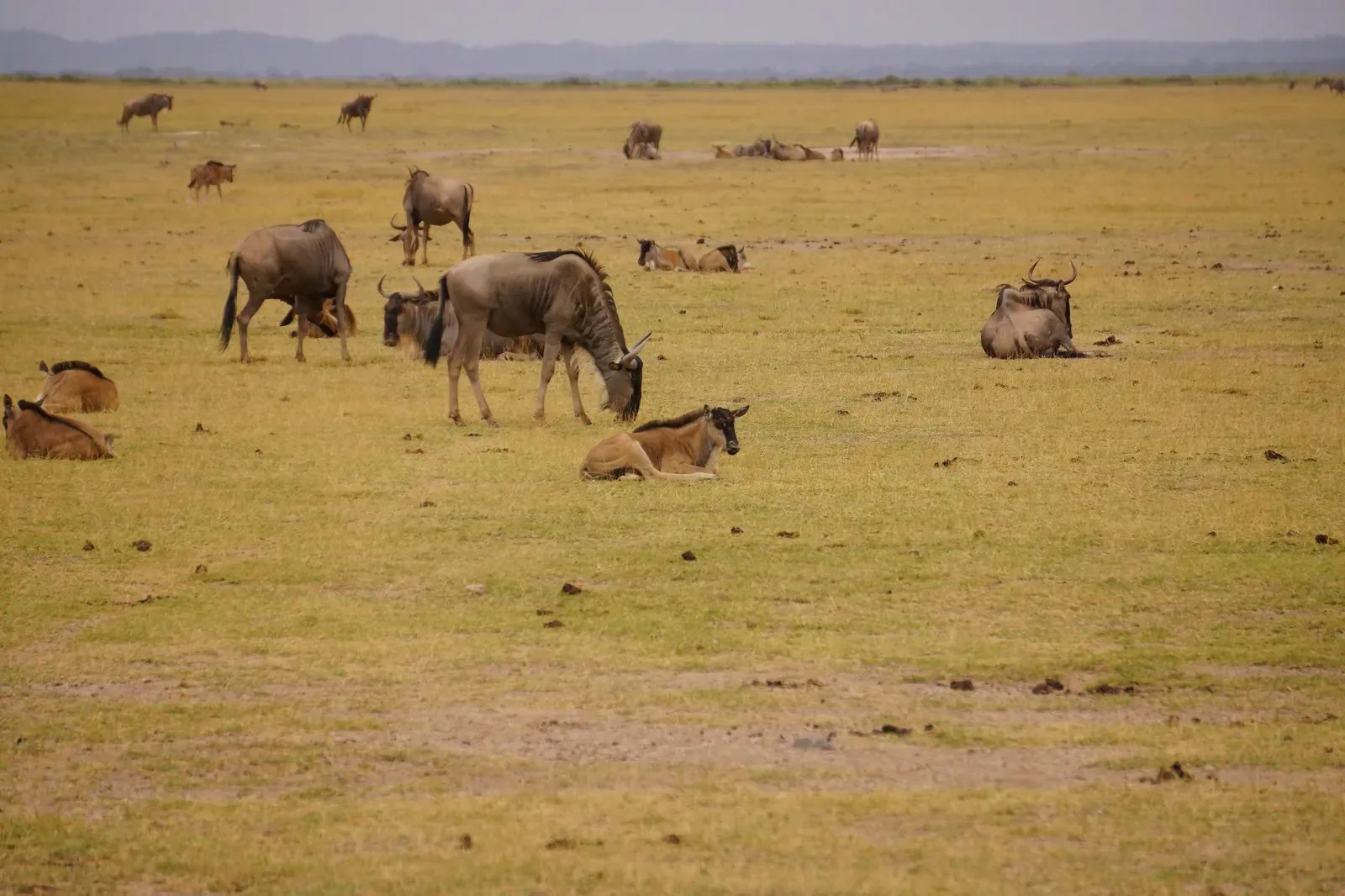
A shorter hot, dry window offers clear skies and warm days with wildlife around water sources. It is a prime time for birdwatching and for seeing newborn animals, with fewer crowds than the migration months. Amboseli, Tsavo and Samburu are particularly good. See Amboseli and Samburu.
March to May and November: Green Season
Heavy rains in April and May, and the short rains in November, turn the savannah green. Prices drop significantly and crowds disappear. Roads can be muddy, some camps close and wildlife is more dispersed, but photography is lovely and birdlife is rich.
The Coast and Mountains
The Kenyan coast is warm year-round but hotter and more humid in the months around the long rains, and the drier months suit beach holidays. Mount Kenya is best climbed in the drier months. See the Kenyan coast, Diani Beach and Mount Kenya.
Planning Your Trip
See the Kenya travel guide, Nairobi to the Mara and Uganda and Kenya safari holiday. For Uganda, read the best time to visit Uganda.
Planning a Uganda safari? Send us your dates and we will build the route, permits and transport around what you want to see.
Related Tours, Guides and Resources
- Ameera Africa Safaris homepage: Uganda safaris, tours and holidays
- Uganda safari packages
- Uganda travel guide
- How to book a Uganda safari
- Plan your safari with our team
Itineraries That Include This Experience
Frequently Asked Questions
Related Uganda Safari Pages
- Kenya Travel Guide: Location, Map, Facts, Safety and Top Attractions
- Masai Mara Great Migration: Calendar, River Crossings and Where to Stay
- Uganda vs Kenya vs Tanzania Safari: How to Choose
- Kenya Entry Requirements, Money and Practical Information for Visitors
- Kenyan Food and Culture: Nyama Choma, Ugali, Chai and Swahili Coast Flavours
- Nairobi to Masai Mara: By Road or by Flight, Times and What to Expect
- Kenya Safari and Travel Guides: Masai Mara, Amboseli, Tsavo, Samburu and the Coast
Ready to Plan Your Uganda Safari?
Tell us your dates, group size and interests and our Kampala team will reply with a clear, personal itinerary.
Back to the Ameera Africa Safaris homepage for Uganda safaris and tours, our featured tours and the latest Uganda park fees.