
Masai Mara FAQs: Migration, Best Time, Costs Explained, Balloons and Planning
The Masai Mara is Kenya's best known safari destination, and these answers cover the migration, timing, getting there, activities and how long to stay.
The Mara offers dense wildlife, open grassland and the Mara River crossings. Because it is popular, travellers often ask the same practical questions.
This page collects clear answers with links to our detailed guides.
This guide is part of our Uganda facts and travel information guide. When you are ready to plan, see our Uganda safari packages or the Ameera Africa Safaris Uganda tours homepage.
At a glance
- Famous for: Big cats and the migration
- Peak season: July to October
- From Nairobi: 5 to 6 hours by road, or a short flight
- Typical stay: 3 nights
- Extras: Balloons, conservancies, Maasai culture
Wildlife and the Migration
What animals live in the Masai Mara?
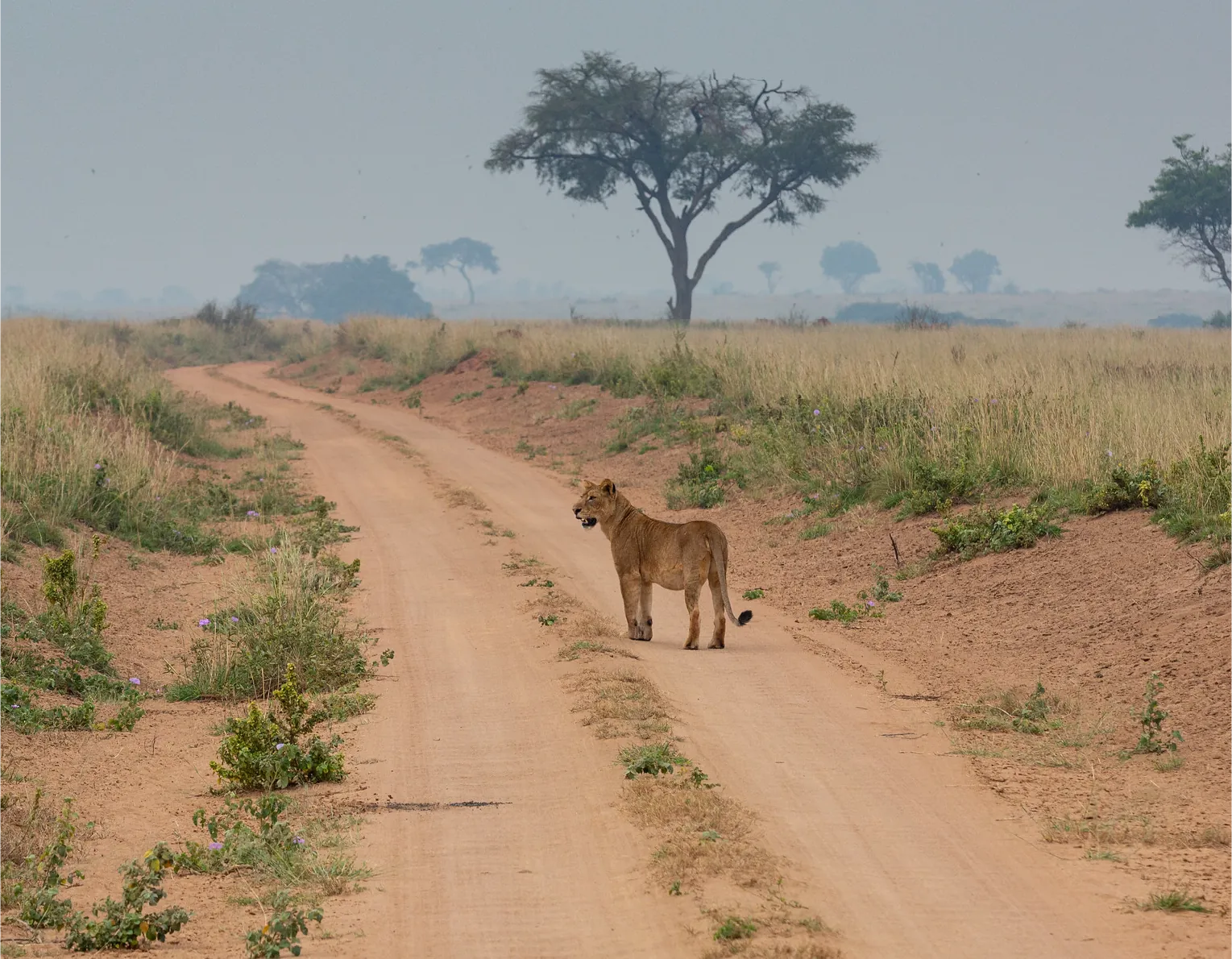
Lions, leopards, cheetahs, elephants, buffalo, hippos, crocodiles, giraffes and large herds of plains game. See the Masai Mara wildlife guide.
When is the migration?
Wildebeest usually arrive around July and stay until October or November, depending on rains. See the migration calendar.
Will I definitely see a river crossing?
No, crossings are unpredictable, and patience is needed.
Is the Mara good for big cats?
Yes, it is among the best places in Africa. See big cats and game drives.
Timing and Length of Stay
What is the best time to visit?
July to October for the migration, with January to March and November quieter. See best time to visit the Masai Mara.
How many days do I need?
At least three nights, so you have two full days of game viewing.
Is the rainy season a bad time?
Not necessarily, as the scenery is green and visitors are fewer.
Getting There and Where to Stay
How do I get to the Mara?
By road from Nairobi or by scheduled flight. See how to get to the Masai Mara.
What are conservancies?
Private areas next to the reserve with fewer vehicles and extra activities. See Mara conservancies.
Where should I stay?
Choose camps by location relative to the river and plains. See Kenya lodges and camps.
Practical Advice Before You Go
Several points are worth settling early. First, decide whether you value the migration above all, because that determines the month and the number of nights. Second, ask how far your camp is from the river crossing points, as this affects how long you spend driving each day. Third, discuss whether you want a mix of reserve and conservancy time, since conservancies add walking and night drives. Fourth, check the baggage limits if you plan to fly. Finally, bring patience: wildlife viewing rewards those who wait quietly, and the best moments often come when you least expect them. Read East Africa safari FAQs for general questions on safety, tipping and health, and see Kenya itineraries of 3, 5 and 7 days for ways to fit the Mara into a wider trip.
Activities and Safety
Can I take a balloon flight?
Yes, booked in advance. See hot air balloon safari.
Is the Mara safe?
Yes, when you follow your guide's rules.
What else can I do?
Walks, night drives, cultural visits and photography. See Masai Mara activities.
Planning a Uganda safari? Send us your dates and we will build the route, permits and transport around what you want to see.
Related Tours, Guides and Resources
- Ameera Africa Safaris homepage: Uganda safaris, tours and holidays
- Uganda safari packages
- Uganda travel guide
- How to book a Uganda safari
- Plan your safari with our team
Itineraries That Include This Experience

Frequently Asked Questions
Related Uganda Safari Pages
- Masai Mara National Reserve: Great Migration, Wildlife and Best Time to Visit
- Kenya Travel Guide: Location, Map, Facts, Safety and Top Attractions
- Kenya Safari and Travel Guides: Masai Mara, Amboseli, Tsavo, Samburu and the Coast
- The Great Migration in East Africa: Where and When to See It
- Meru National Park FAQs: Rhinos, Elsa the Lioness, Rivers and Planning
- Mount Kenya FAQs: Routes, Peaks, Altitude, Fitness and Planning Answers
- Nairobi National Park FAQs: Wildlife, Timing, Access and Practical Answers
Ready to Plan Your Uganda Safari?
Tell us your dates, group size and interests and our Kampala team will reply with a clear, personal itinerary.
Back to the Ameera Africa Safaris homepage for Uganda safari holidays, our featured tours and the latest Uganda park fees.