
Kenya in January: Hot, Dry Days, Open Savannah and a Quiet Start to the Year
January in Kenya is warm, mostly dry and bright, with open savannah, good game viewing in the drier parks, clear views of Mount Kenya and Kilimanjaro, and calm seas on the coast once the festive crowds thin out.
The short dry season that begins in December settles in properly in January. Grass is shorter than in the green months, tracks are firm and the days are long and sunny, so the month suits first-time visitors who want predictable weather and an easy rhythm of dawn and dusk drives.
This guide treats January as a planning month: what changes after the festive peak, which regions reward you most, and how to build a week that feels unhurried rather than rushed.
This guide is part of our Uganda month-by-month and seasonal guide. When you are ready to plan, see our Uganda safari packages or the Ameera Africa Safaris Uganda tours homepage.
At a glance
- Season: Short dry season
- Feel: Hot days, fresh mornings at altitude
- Best regions: Samburu, Tsavo, Amboseli, coast
- Crowds: Busy first week, quieter after
- Climbing: Good window for Mount Kenya
The Post-Festive Reset
The first days of January still carry Christmas and New Year demand, especially at the coast and in the Mara. By the middle of the month the mood changes: lodges that were full become comfortable, queues at sightings shorten and guides have more time for you. If your dates are flexible, arriving from the second week gives you the settled dry-season weather without the festive rush. Booking is still wise for the best camps, but you will usually find more choice than in December. For the wider picture, see the best time to visit Kenya.
Weather and What to Wear
Expect sunshine, dry roads and warm to hot afternoons on the plains and in the north, with cooler mornings in the highlands around Mount Kenya, the Aberdares and Laikipia. Rain is not impossible, because showers can drift in at any time of year, but it is the exception rather than the pattern. Pack light, breathable layers in neutral colours, a fleece for pre-dawn drives, a wide-brimmed hat, sunglasses and high-factor sun protection. Dust is part of the dry season, so protect camera gear and carry a scarf. Our packing list covers the details.
Where January Works Best
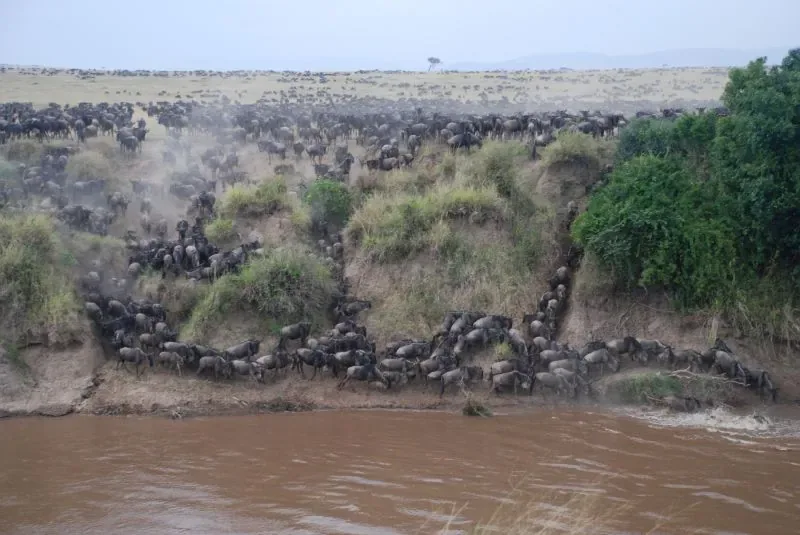
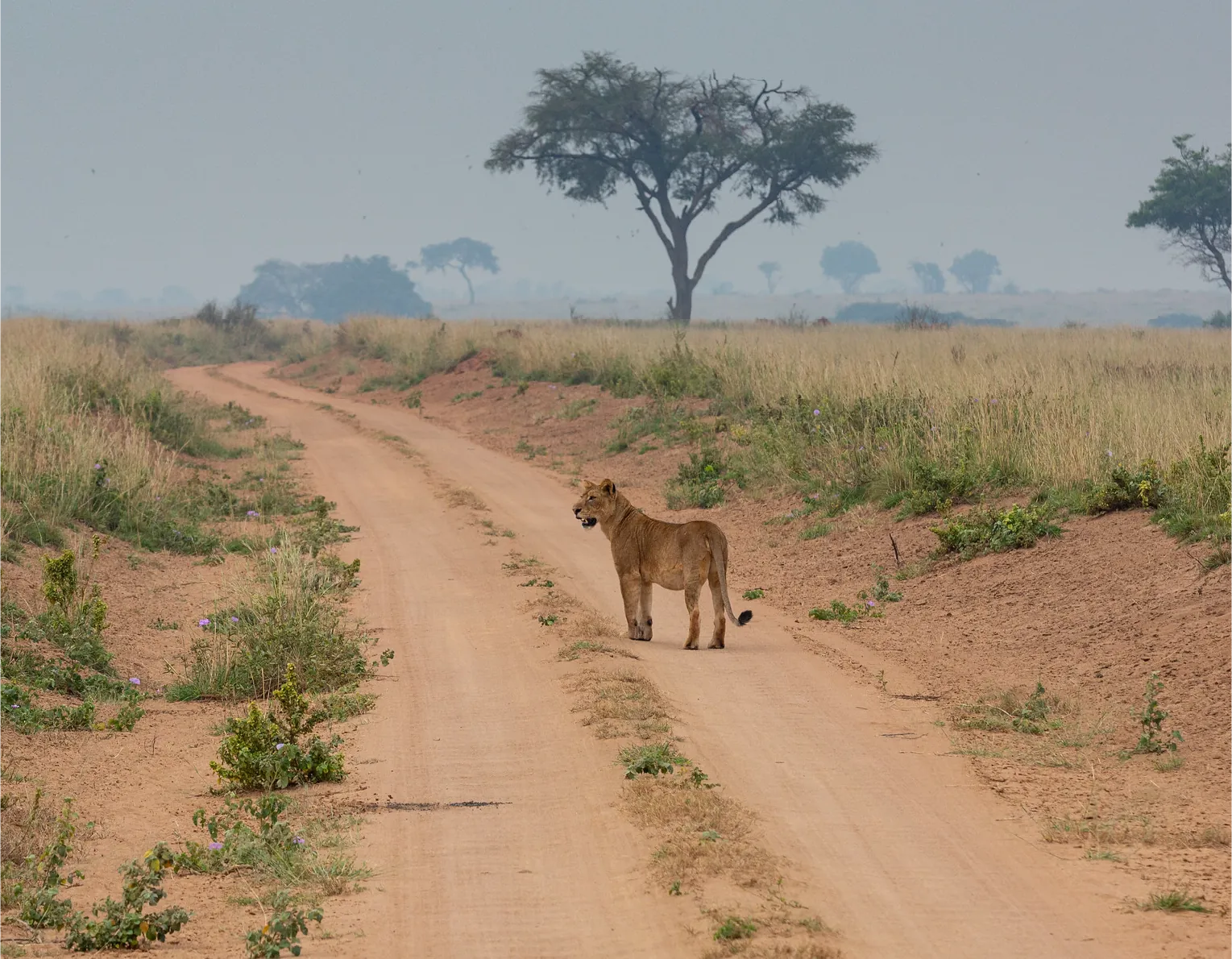
The northern and eastern parks are at their most rewarding when the land is dry. Samburu concentrates animals along the Ewaso Nyiro river, Tsavo offers wide horizons and red dust-bathed elephants, and Amboseli gives its best chance of clear mountain views at sunrise. The Masai Mara is quieter than in peak season and its resident lions, cheetahs and elephants are reliably visible, though the great herds have not yet returned.
Birds, Mountains and the Coast
Palearctic migrants that arrived in the northern autumn are still present, so bird lists are long in the Rift Valley lakes, Samburu and the Tsavo woodlands. See the birding guide. Climbers favour January and February for Mount Kenya because drier trails and clearer skies make the summit days more comfortable; read the Mount Kenya guide. At the coast, the north-east monsoon brings hot, bright days and generally calm seas, which suits Diani Beach after a few days in the bush.
A Sample Seven-Day Shape
A balanced January week might begin with a night in Nairobi to adjust, then fly or drive to Amboseli for two nights, continue to Tsavo for one or two, and finish with beach days at the coast. Alternatively, pair Samburu and Laikipia for dry-country wildlife and rhinos, then spend the last nights in the Mara. Keep drives short on arrival days and allow rest at midday, when heat is strongest. Browse Kenya safari itineraries of three to seven days for structures you can adapt.
Practical Notes
Government offices and many businesses are slow in the first days of the year, so confirm transfers and park bookings in advance. Check current entry and health requirements through Kenya entry and practical information and speak to a travel clinic about vaccinations. Malaria prevention remains relevant in January, particularly at the coast and lower altitudes.
Planning a Uganda safari? Send us your dates and we will build the route, permits and transport around what you want to see.
Related Tours, Guides and Resources
- Ameera Africa Safaris homepage: Uganda safaris, tours and holidays
- Uganda safari packages
- Uganda travel guide
- How to book a Uganda safari
- Plan your safari with our team
Itineraries That Include This Experience
Frequently Asked Questions
Related Uganda Safari Pages
- Best Time to Visit Kenya: Dry Seasons, Migration Months and Coast Weather
- Kenya in February: Peak Heat, Concentrated Wildlife and Beach and Bush Honeymoons
- Kenya in December: Festive Safaris, Beach Holidays and the Return of the Dry Weather
- Samburu National Reserve and the Special Five: Northern Kenya's Dry-Country Wildlife
- Kenya in March: The Turning Point Between the Dry Season and the Long Rains
- Kenya in April: Green Season Safaris, Dramatic Skies and Quiet Parks
- Kenya Safari and Travel Guides: Masai Mara, Amboseli, Tsavo, Samburu and the Coast
Ready to Plan Your Uganda Safari?
Tell us your dates, group size and interests and our Kampala team will reply with a clear, personal itinerary.
Back to the Ameera Africa Safaris homepage for Uganda tours and safaris, our featured tours and the latest Uganda park fees.