
Kenya in March: The Turning Point Between the Dry Season and the Long Rains
March is Kenya's transition month: the heat builds, the first long rains may arrive late in the month, crowds fall away and safari rates soften, so flexibility is rewarded.
Unlike the settled dry season before it or the full rains after it, March has no single character. Some years remain dry and sunny until the final week, while in others showers begin earlier and turn the plains green.
The best approach is to treat March as a value month and plan a route that works in either weather.
This guide is part of our Uganda month-by-month and seasonal guide. When you are ready to plan, see our Uganda safari packages or the Ameera Africa Safaris Uganda tours homepage.
At a glance
- Season: Transition to long rains
- Feel: Hot early, showers later
- Crowds: Low and falling
- Value: Rates soften
- Strategy: Flexible routing
A Month With Two Faces
Early March usually still feels like February, with hot, dry days and bright skies. As the month goes on, cloud builds in the afternoons, humidity rises and the first rain arrives, sometimes as a short heavy shower and sometimes as the beginning of a longer spell. The timing is not fixed from year to year, so do not promise yourself a particular weather pattern. What you can rely on is that visitor numbers decline as the rains approach, which gives you a calmer experience and more room at sightings. Read the full overview in the long rains travel guide.
Wildlife in a Changing Landscape
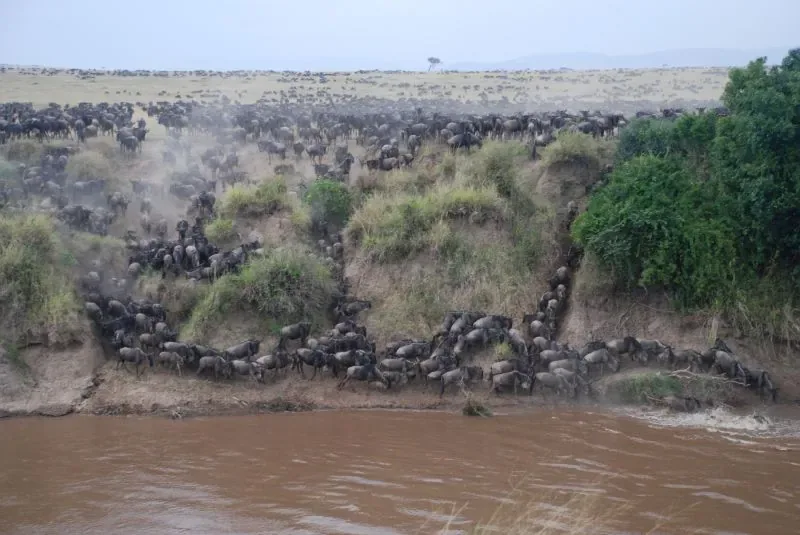
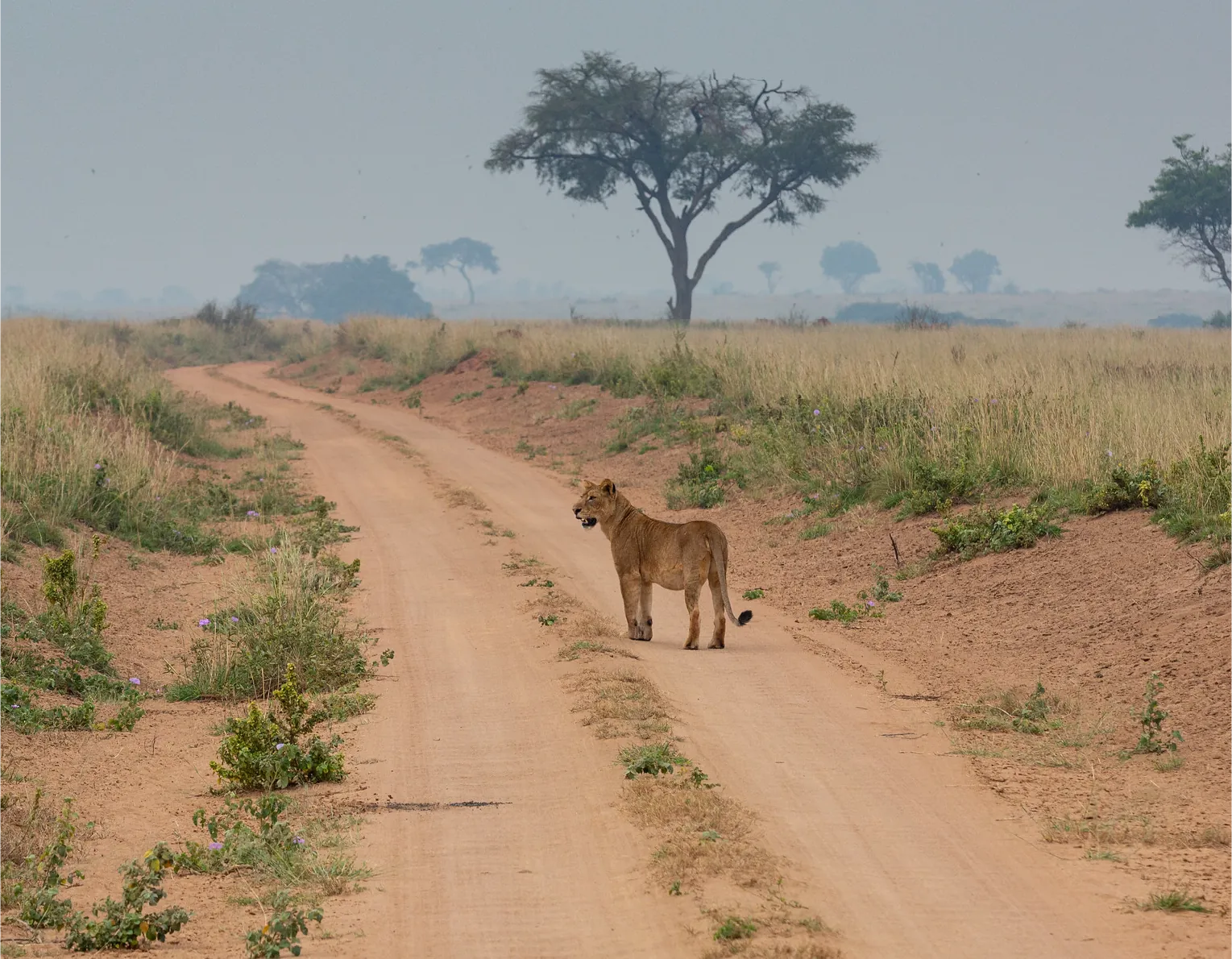
Animals respond to the first rains quickly. Grass begins to sprout, young herbivores appear and predators take advantage of newly active prey. In the Masai Mara the resident herds spread out as water becomes available, so the dense concentrations of the dry months loosen, yet big cats remain visible. Dry-country reserves such as Samburu often stay productive for longer because their rains are lighter. Birdlife livens as migrants prepare for departure and resident species begin to breed.
Choosing Parks for March
Pick destinations with a mix of weather resilience and short transfers. Amboseli can still give clear mountain mornings early in the month, though afternoon cloud becomes common. Tsavo turns surprisingly green after rain and is rewarding for photographers who enjoy dramatic skies. Lake Nakuru and Naivasha are easy to reach from Nairobi if you need a shorter itinerary. Keep ground time flexible, because roads can slow after heavy showers.
Coast and Mountain Conditions
At the coast, March is hot and humid, with the sea still warm, though the heaviest rain lies ahead in April and May. It can be a pleasant time at Diani if you prefer fewer guests. Mount Kenya is entering a wetter period, and while early March climbs can still be successful, you should expect cloud and the possibility of rain on higher slopes; check the Mount Kenya best-time guide before committing.
Value and Booking Strategy
Because demand softens, March is a good month for travellers who want quality at a lower overall cost. Ask about shoulder-season rates, longer-stay offers and whether any camps are closing for maintenance later in the spring. Book internal flights with some flexibility and carry travel insurance that covers weather disruptions. Our green season safari itinerary shows how to design a trip around softer weather.
What to Pack
Bring everything from a dry-season kit, plus a light waterproof jacket, quick-drying trousers, closed shoes with grip and a dry bag for electronics. A small umbrella is handy at camps. See the packing list and compare with Kenya in February and Kenya in April.
Planning a Uganda safari? Send us your dates and we will build the route, permits and transport around what you want to see.
Related Tours, Guides and Resources
- Ameera Africa Safaris homepage: Uganda safaris, tours and holidays
- Uganda safari packages
- Uganda travel guide
- How to book a Uganda safari
- Plan your safari with our team
Itineraries That Include This Experience
Frequently Asked Questions
Related Uganda Safari Pages
- Kenya's Long Rains, March to May: What to Expect and How to Travel Well
- Kenya Green Season Safari Itinerary: Rains, Birds, Fewer Crowds and Lush Landscapes
- Kenya in February: Peak Heat, Concentrated Wildlife and Beach and Bush Honeymoons
- Kenya in April: Green Season Safaris, Dramatic Skies and Quiet Parks
- Best Time to Visit Kenya: Dry Seasons, Migration Months and Coast Weather
- Kenya in May: Easing Rains, Empty Parks and the Calm Before the Migration
- Kenya in June: Dry Season Begins, Cool Mornings and the Mara Wakes Up
- Kenya Safari and Travel Guides: Masai Mara, Amboseli, Tsavo, Samburu and the Coast
Ready to Plan Your Uganda Safari?
Tell us your dates, group size and interests and our Kampala team will reply with a clear, personal itinerary.
Back to the Ameera Africa Safaris homepage for Uganda tours, our featured tours and the latest Uganda park fees.