
Kenya's Long Rains, March to May: What to Expect and How to Travel Well
The long rains usually fall between March and May, with the heaviest weather in April, and they offer lush scenery, lower rates and quiet parks for travellers who prepare for mud and showers.
Kenya's main rainy season is a real pattern, not a washout. Most rain arrives in heavy bursts, often in the afternoon or at night, and the rest of the day can be bright.
This page explains the season as a whole, so you can decide whether it suits you, then use the month pages for detail.
This guide is part of our Uganda month-by-month and seasonal guide. When you are ready to plan, see our Uganda safari packages or the Ameera Africa Safaris Uganda tours homepage.
At a glance
- Months: March to May
- Peak: April, often into early May
- Regions: Wetter south and west, lighter north
- Pros: Green, quiet, lower rates
- Cons: Mud, cloud, camp closures
How the Season Unfolds
March is the build-up, with heat and humidity rising before the first major storms. April is usually the wettest, and May sees the rains ease. Because rainfall varies from year to year, some seasons start late or finish early. The month pages give detail: see March, April and May. The key idea is that the long rains are a season of probability: you may enjoy many dry hours but should always carry waterproofs.
Regional Differences
Not every region is equally wet. The south-west, including the Mara and Lake Victoria basin, and the central highlands receive substantial rain, while the north, including Samburu, usually receives lighter showers. The coast, including Diani, is often very wet and humid, with some properties reducing services. Mountain areas such as Mount Kenya can be cold, cloudy and slippery. Use your itinerary to favour regions that suit the weather, and ask your operator about current conditions.
Safari Experience in the Rains
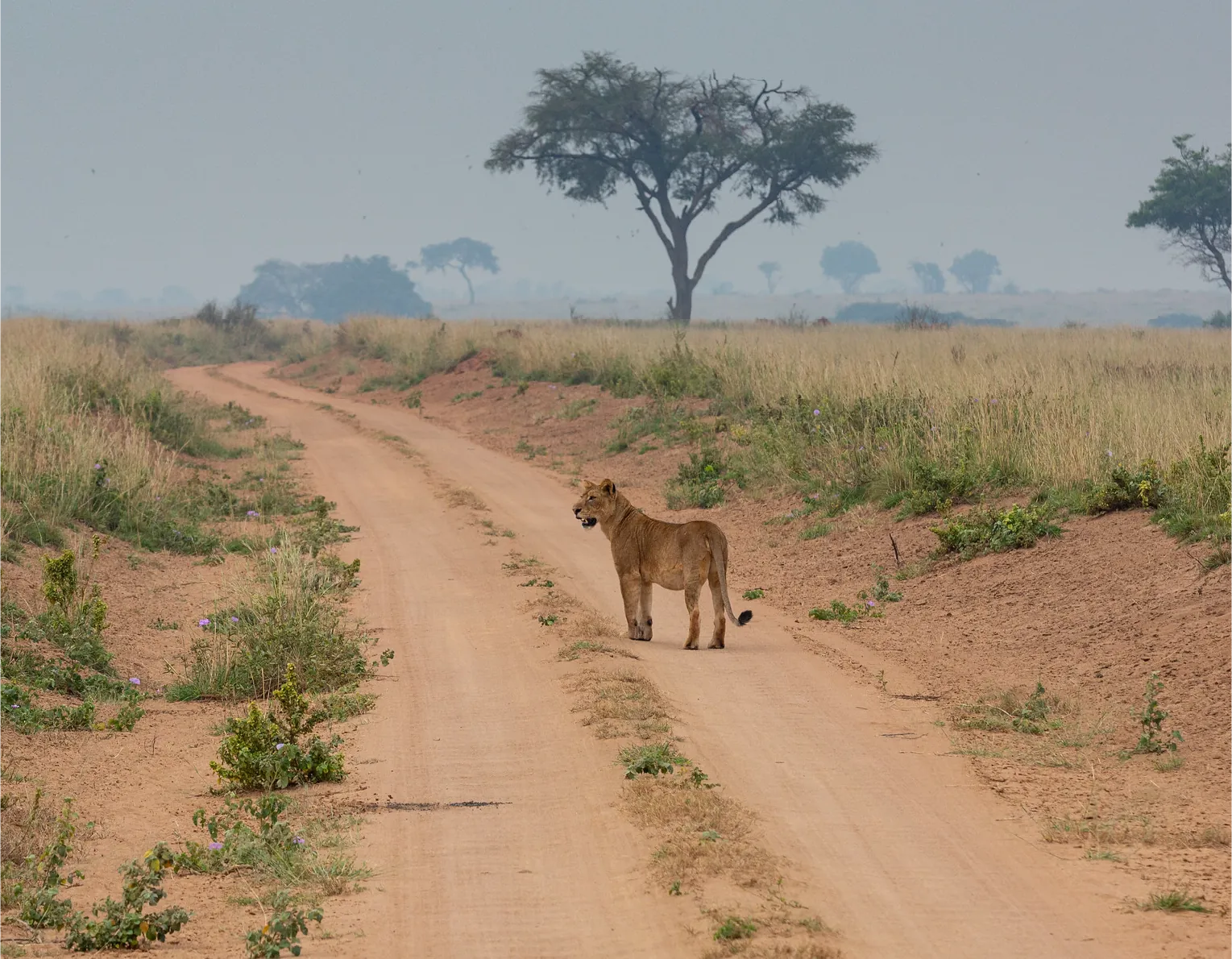
Landscapes are brilliant green, birdlife is lively and dust is absent. Parks are quiet, and you often see few other vehicles. Animals disperse because water is plentiful, and grass can hide predators, but guides know the habits of resident species and use experience to find sightings. Photographers may enjoy moody skies. Read safari photography tips, and use the green season itinerary as a starting structure.
Roads, Camps and Logistics
Black cotton soil and unsealed tracks can become muddy, so expect slower transfers and occasional detours. A few camps close for maintenance or remote access reasons, and some seasonal camps shut for part of the rains. Choose properties and operators with strong wet-season experience, build buffer days into the itinerary and avoid tight connections. The lodges and camps guide explains accommodation types and what to ask.
Packing for the Long Rains
Pack a lightweight waterproof jacket, quick-drying layers, closed shoes with grip, a warm fleece for cool mornings and insect repellent. Waterproof covers for cameras and a dry bag for electronics are essential. Malaria precautions are relevant, so speak to a clinic; see vaccinations and health and malaria prevention. The packing list has a full checklist.
Who Should Travel in the Long Rains
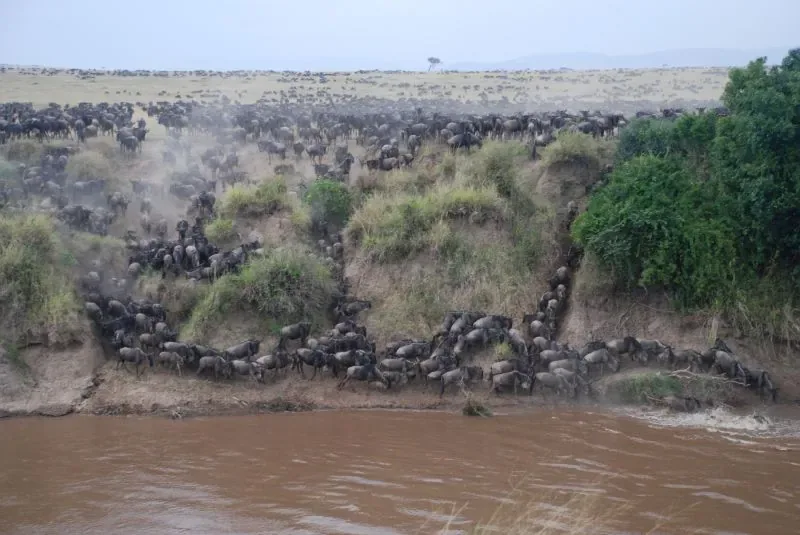
This season suits travellers who prioritise value, quiet, birds and photography, and who are relaxed about weather. It is less suitable if you want the migration, a guaranteed beach holiday or a mountain climb. If your dates are fixed, choose operators who are honest about conditions and consider adding a drier northern stop. For the broader comparison, see the best time to visit Kenya and the autumn equivalent in the short rains guide.
Planning a Uganda safari? Send us your dates and we will build the route, permits and transport around what you want to see.
Related Tours, Guides and Resources
- Ameera Africa Safaris homepage: Uganda safaris, tours and holidays
- Uganda safari packages
- Uganda travel guide
- How to book a Uganda safari
- Plan your safari with our team
Itineraries That Include This Experience
Frequently Asked Questions
Related Uganda Safari Pages
- Best Time to Visit Kenya: Dry Seasons, Migration Months and Coast Weather
- Kenya in April: Green Season Safaris, Dramatic Skies and Quiet Parks
- Kenya's Short Rains, October to December: What to Expect and Where to Go
- Kenya Green Season Safari Itinerary: Rains, Birds, Fewer Crowds and Lush Landscapes
- Kenya Lodges and Camps: Where to Stay in the Mara, Amboseli, Laikipia, Nakuru and Coast
- Rwanda in April: Rain, Remembrance and a Green, Quiet Gorilla Season
- Rwanda in August: Dry Trails, Clear Volcano Views and the Busiest Gorilla Month
- Kenya Safari and Travel Guides: Masai Mara, Amboseli, Tsavo, Samburu and the Coast
Ready to Plan Your Uganda Safari?
Tell us your dates, group size and interests and our Kampala team will reply with a clear, personal itinerary.
Back to the Ameera Africa Safaris homepage for Uganda safari packages, our featured tours and the latest Uganda park fees.