
Kenya Green Season Safari Itinerary: Rains, Birds, Fewer Crowds and Lush Landscapes
A green season safari in Kenya trades peak-season crowds for fresh landscapes, abundant birds, baby animals and quieter parks, as long as you accept showers and the occasional slow road.
Kenya's two rainy periods, the long rains from roughly March to May and the shorter rains around November, transform the landscape. Grass turns bright green, flowers appear and the light becomes clear and soft between showers. Visitors are fewer and some lodges offer more flexible terms.
The itinerary below is designed for these months, with a realistic approach to weather and a few suggestions that make the most of the conditions.
This guide is part of our Uganda road routes and driving guide. When you are ready to plan, see our Uganda safari packages or the Ameera Africa Safaris Uganda tours homepage.
At a glance
- Length: Eight days, seven nights
- Season: Roughly March to May and November
- Route: Nairobi, Nakuru, Mara, Amboseli
- Highlights: Birds, newborns, scenery, quiet
- Tip: Be flexible and carry a rain layer
Day-by-Day Plan
- Day 1: Arrive in Nairobi, and rest.
- Day 2: Drive to Lake Nakuru for an afternoon drive. Birdlife is busy in the green season.
- Day 3: A morning at Nakuru, then travel to Lake Naivasha for a quiet evening.
- Day 4: Continue to the Masai Mara. Rains can slow the roads, so leave early or fly.
- Days 5 to 6: Two days in the Mara. Cats still hunt, and cloud-dappled light helps photography. See Masai Mara best time to visit.
- Day 7: Fly or drive to Amboseli, where green swamps and migrant birds can be rewarding.
- Day 8: A morning drive, then return to Nairobi and depart.
What the Green Season Offers
Fewer vehicles at sightings means a calmer atmosphere and better photographs. Birds are at their most colourful, with migrants arriving in some months. Many antelopes give birth around the rains, which attracts predators and creates dramatic moments. Rivers are fuller and landscapes more vivid. For a fuller picture of the calendar, see Kenya best time to visit.
Challenges to Accept
Rain can be heavy for short periods, and some tracks turn muddy or temporarily impassable. Tall grass sometimes hides animals, and cloud may obscure Kilimanjaro at Amboseli. Some camps close for maintenance in the wettest weeks, so ask which properties are open. The way to enjoy the season is to expect delays and plan buffer time.
Choosing Parks in the Rains
Lakes, the Mara and Amboseli all work. Parks with firm roads suit wet weather better. Ask your operator about current conditions before departure. A balloon flight depends on weather, so keep expectations flexible. See Amboseli best time to visit for specific seasonal notes.
Packing for the Rains
Bring a lightweight waterproof jacket, quick-drying layers, closed shoes with grip and a dry bag for electronics. Sun can still be strong, so pack a hat and sunscreen. Insect repellent is useful, particularly around lakes. The East Africa packing list gives details.
Who Enjoys the Green Season
Birders, photographers, budget-conscious travellers and visitors who like quiet will appreciate it. If your priority is the river crossings of the migration, choose another time; see Kenya migration safari itinerary. Families should consider whether children will cope with wetter days and possible changes of plan.
Wildlife Moments in the Rains
The rains bring particular spectacles. Migrant birds arrive, bee-eaters and storks gather, and fresh grass draws grazers across the plains. Young animals appear, and predators capitalise. Rain-washed air improves clarity, and dramatic clouds give photographers memorable skies. Termite alates take flight after storms, drawing birds and small predators into feeding frenzies. Mornings after rain can be spectacularly clear, so a flexible attitude to timing and a willingness to wait out showers often leads to the day's best sightings. Lodges often provide warm blankets, hot drinks and ponchos on the vehicle, so do not hesitate to head out in light rain; guides know where to shelter and when the weather is likely to clear, and many guests remember these wet drives as the most atmospheric of the trip.
What Is Usually Included
Packages normally include accommodation, meals, a driver-guide, vehicle, park fees and transfers. Some operators offer green-season terms; ask what is available. Official park tariffs still apply. Travel insurance that covers delays is wise.
Planning a Uganda safari? Send us your dates and we will build the route, permits and transport around what you want to see.
Related Tours, Guides and Resources
- Ameera Africa Safaris homepage: Uganda safaris, tours and holidays
- Uganda safari packages
- Uganda travel guide
- How to book a Uganda safari
- Plan your safari with our team
Itineraries That Include This Experience
Frequently Asked Questions
Related Uganda Safari Pages
- Best Time to Visit Kenya: Dry Seasons, Migration Months and Coast Weather
- Best Time to Visit the Masai Mara: Month-by-Month Guide
- Best Time to Visit Amboseli: Dry Season Views and Green Season Birds
- Best Time to Visit East Africa: Seasons in Uganda, Kenya, Tanzania and Rwanda
- Kenya 7-Day Safari Itinerary: Nairobi, Rift Valley Lakes and the Masai Mara
- Kenya Honeymoon Safari Itineraries: Romantic Routes With Bush and Beach
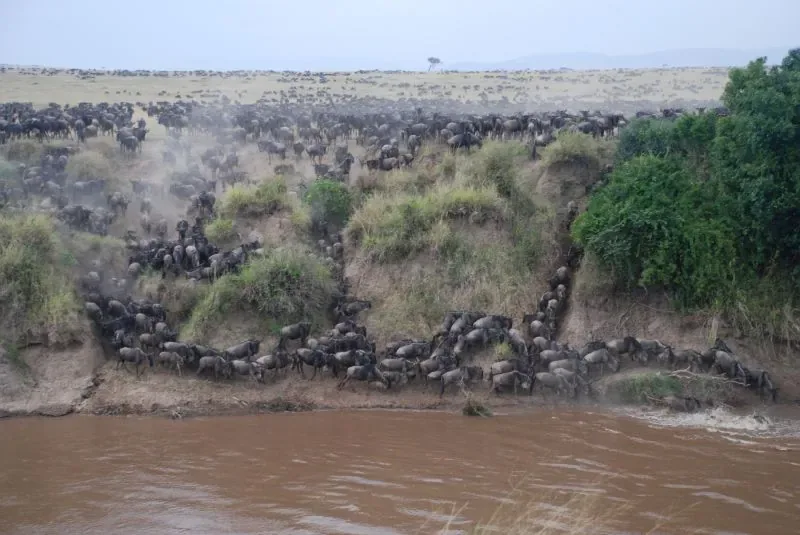
- Kenya Migration Safari Itinerary: Mara River Crossings and Wildebeest Herds
- East Africa Family Safari Combinations: Uganda, Rwanda, Kenya and Tanzania With Children
- Kenya Safari and Travel Guides: Masai Mara, Amboseli, Tsavo, Samburu and the Coast
Ready to Plan Your Uganda Safari?
Tell us your dates, group size and interests and our Kampala team will reply with a clear, personal itinerary.
Back to the Ameera Africa Safaris homepage for Uganda safaris and tours, our featured tours and the latest Uganda park fees.