
East Africa Family Safari Combinations: Uganda, Rwanda, Kenya and Tanzania With Children
A family safari across Uganda, Rwanda, Kenya and Tanzania works best when each stop is chosen for what children can enjoy, the days between stops are kept short, and there is time to rest at the end.
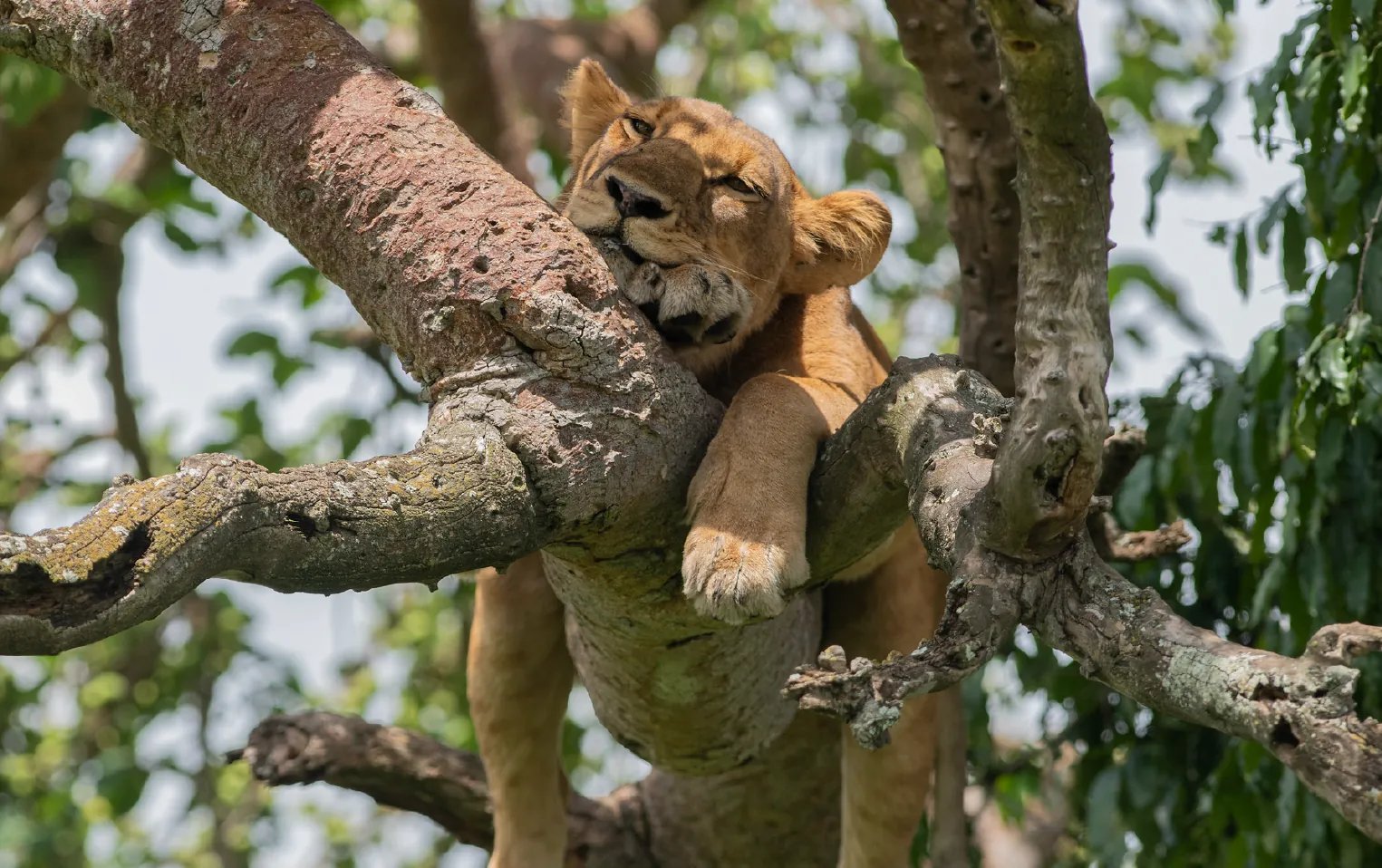
East Africa suits families because the countries are close together and each offers something different: chimpanzees and boat trips in Uganda, a compact and well-run park in Rwanda, open plains and the Masai Mara in Kenya, and the Serengeti and Ngorongoro Crater in Tanzania. A combination lets children see several kinds of landscape and wildlife rather than repeating the same game drive.
The trade-off is travel time. Every border crossing or flight adds a long day, and young children tire quickly. This pillar page explains how to choose stops, how many days each needs, and how the seven companion pages on itineraries, routes, timing and practical matters fit together.
This guide is part of our Uganda road routes and driving guide. When you are ready to plan, see our Uganda safari packages or the Ameera Africa Safaris Uganda tours homepage.
At a glance
- Countries: Uganda, Rwanda, Kenya, Tanzania
- Best for: Families with children of about 6 and over
- Typical length: 7 to 18 days
- Pace: Two to three nights per stop
- Visas: East Africa Tourist Visa covers Kenya, Rwanda, Uganda; Tanzania separate
Why Combine Countries on a Family Trip
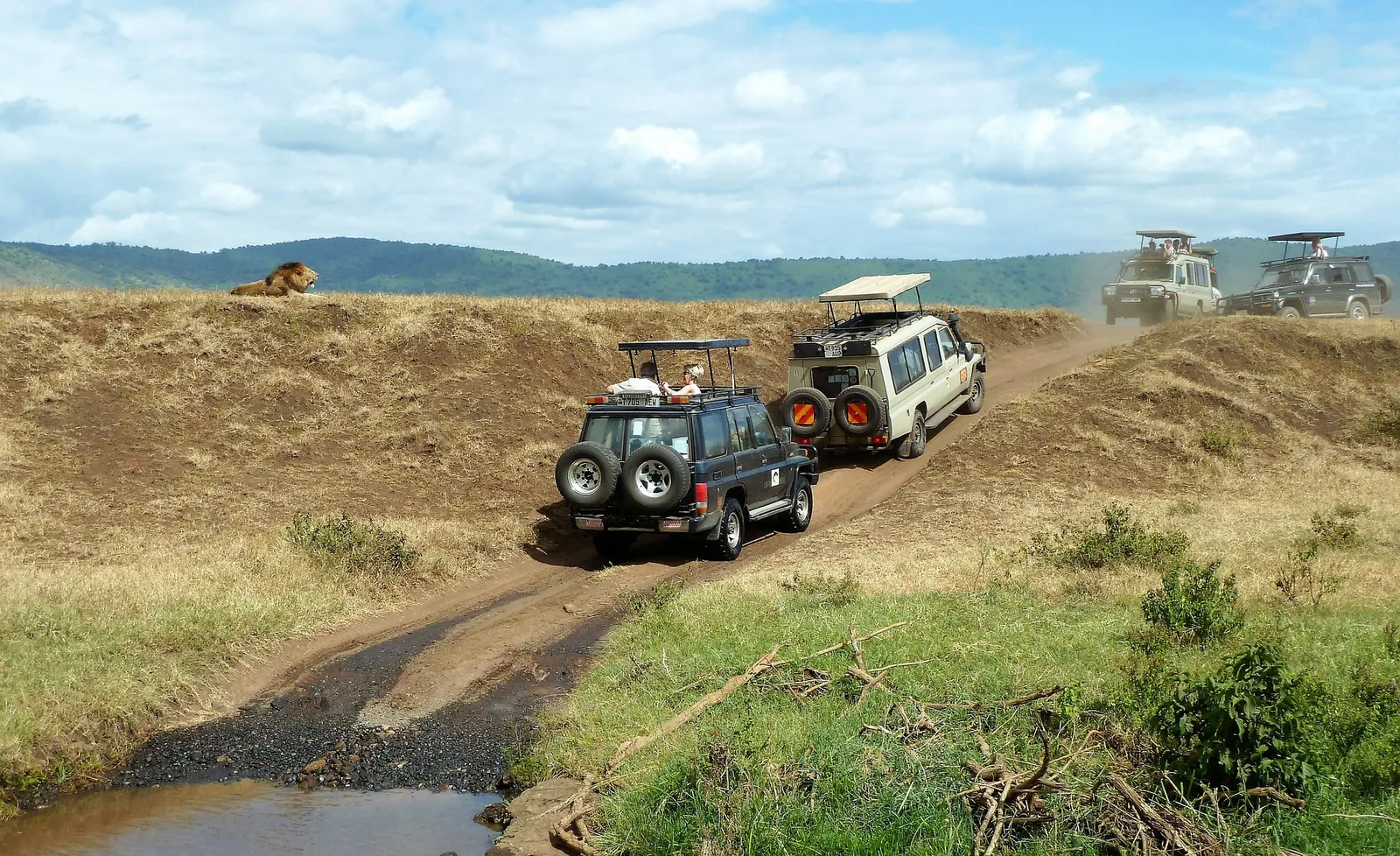
Children stay engaged when the scenery and the activities change. A morning of chimpanzee tracking in Kibale, an afternoon boat trip on the Kazinga Channel, a day among zebra and wildebeest in the Mara and a visit to the Ngorongoro Crater give four distinct experiences, where a week in one park may feel repetitive by the fifth day. Combinations also let you match each stop to the season, because the countries have different peak months. The cost of variety is extra transfers, so the best family routes link only the stops that are worth the journey, usually three or four in total rather than all possible highlights.
Choosing Stops for Children
Pick places where wildlife is easy to see from a vehicle and where the day has a gentle rhythm. In Kenya, the Masai Mara and Amboseli offer open views. In Tanzania, Tarangire and the Ngorongoro Crater are rewarding for short drives. Rwanda's Akagera adds boat trips, and Uganda's Kibale Forest offers chimpanzee tracking with a lower minimum age than gorilla trekking. Gorilla treks have a minimum age set by the authorities, so they usually suit teenagers rather than young children.
How Many Days and Which Order
A focused family trip of five to seven days normally covers two stops in one or two countries. Eight to twelve days allows three countries with a rest day in the middle, and thirteen to eighteen days makes room for all four countries plus a beach or lake finish. As a rule, spend at least two nights at each stop, put long road days early in the trip while energy is high, and keep the final days for something restful. The short, medium and long itinerary pages give worked examples.
Travelling Between Stops
Short scheduled flights save children from long drives but carry strict baggage limits, so pack in soft bags. Road transfers are an experience in themselves, with markets, villages and changing landscapes, and a good driver-guide stops for breaks. Border crossings need patience and paperwork for every traveller, including children. The route and border guide explains the options in general terms, and your operator will check current schedules and crossing procedures before you travel.
When to Go
School holidays bring the highest demand, especially July to August and the Christmas period, so book early if your dates are fixed. Dry months give the clearest wildlife viewing, while the green seasons are quieter and often better value. Read the best-time guide to match months to each stop, and the wider East Africa best time overview for context.
Health, Safety and Practicalities
Talk to a doctor or travel clinic well before departure about malaria prevention, vaccinations and any medication for children. Safari vehicles are driven by trained guides, and children should stay seated and quiet near animals. The practical guide covers visas, health, luggage and what to pack, and our health and vaccinations page lists the main topics to raise with your clinic.
Where This Guide Fits
Use this page as the starting point, then read the family combination FAQs for quick answers. For single-country detail, see Uganda family safaris, Kenya with children and Tanzania with children. Once you have a rough route in mind, send us your dates and the ages of your children and we will shape the trip around them.
Planning a Uganda safari? Send us your dates and we will build the route, permits and transport around what you want to see.
Related Tours, Guides and Resources
- Ameera Africa Safaris homepage: Uganda safaris, tours and holidays
- Uganda safari packages
- Uganda travel guide
- How to book a Uganda safari
- Plan your safari with our team
Itineraries That Include This Experience

Frequently Asked Questions
Related Uganda Safari Pages
- East Africa Combination Safaris: Multi-Country Trip Planning Guides
- East Africa Safaris With Teenagers: Adventure Activities and Trip Ideas
- Family Safari Packages in East Africa: Best Safaris for Families With Children
- Uganda Family Safari Holidays
- Kenya Safari With Children: Family Planning, Ages, Safety and Activities
- East Africa Family Safari Combination: 7-Day Short Itinerary for Kenya and Tanzania
- East Africa Family Safari Combination: 11-Day Medium Itinerary for Uganda, Kenya and Tanzania
- East Africa Family Safari Combination: 17-Day Long Itinerary Across Four Countries
Ready to Plan Your Uganda Safari?
Tell us your dates, group size and interests and our Kampala team will reply with a clear, personal itinerary.
Back to the Ameera Africa Safaris homepage for Uganda safari packages, our featured tours and the latest Uganda park fees.