
Practical Guide for an East Africa Family Safari: Visas, Health, Luggage and Child Safety
Planning a family safari across four countries means checking visas, health advice, luggage limits and safety rules early, so the trip runs smoothly once you arrive.
Practical matters are easy to overlook when you are excited about wildlife, but they shape how relaxed a family trip feels. Visas, vaccinations, luggage and lodge policies all vary by country and may change, so rely on official sources for current rules.
This page is a checklist of topics rather than a substitute for medical or government advice. It belongs to the family combinations set and complements the first-time safari guide.
This guide is part of our Uganda road routes and driving guide. When you are ready to plan, see our Uganda safari packages or the Ameera Africa Safaris Uganda tours homepage.
At a glance
- Visas: East Africa Tourist Visa for Kenya, Rwanda, Uganda; Tanzania separate
- Health: Consult a clinic early
- Luggage: Soft bags for light aircraft
- Money: Cards and cash, check each country
- Insurance: Medical and evacuation cover
Visas and Documents
Each family member needs a valid passport, and the visa rules depend on nationality. The East Africa Tourist Visa covers Kenya, Rwanda and Uganda, while Tanzania requires its own visa. Check fees and conditions on the official government sites before you travel, and carry printed copies. Some countries ask for extra documentation for children, so see the visa guide and Uganda entry requirements.
Health and Malaria
See a doctor or travel clinic early to discuss malaria prevention, routine and travel vaccinations, and any medication for children. Yellow fever requirements can depend on your route, so ask about certificates. Use repellent, cover up at dusk and sleep under nets where provided. Our health and vaccinations and malaria prevention pages outline the topics to discuss.
Insurance
Choose travel insurance that covers medical treatment, emergency evacuation and trip changes for all family members. Read the policy for activity exclusions, especially if teenagers plan to track primates. See the travel insurance guide.
Luggage and Light Aircraft
Domestic flights use small aircraft with tight limits and soft bags. Pack light, share items across bags, and leave surplus luggage at a hotel. Laundry services at lodges make this practical. See luggage and light aircraft rules.
Safety Around Wildlife
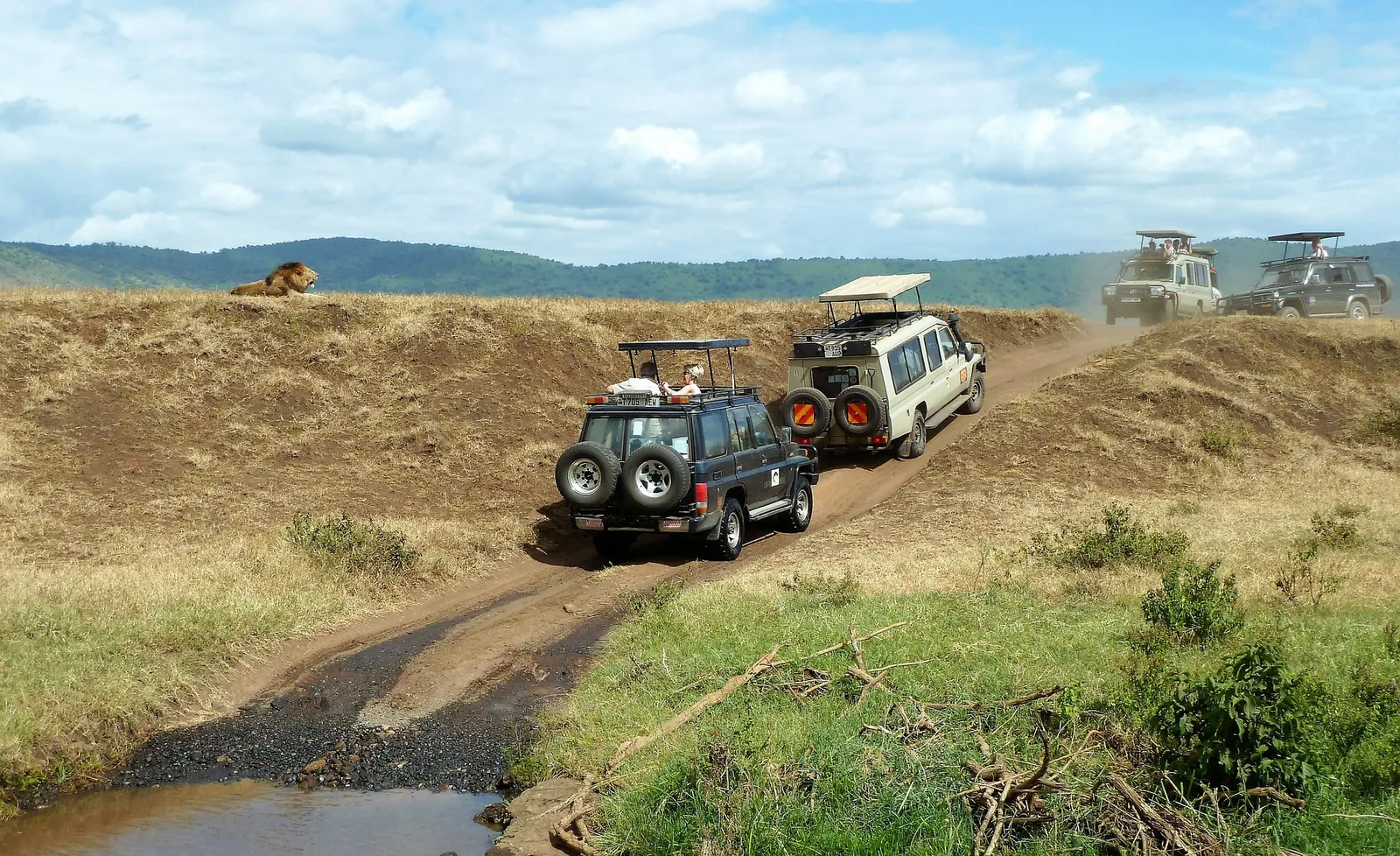
Children must stay seated, keep quiet and listen to the driver-guide. Never leave vehicles unless the guide says it is safe, and never feed animals. Lodge grounds can host wildlife, so supervise children after dark. Read safari etiquette and safety rules together before departure.
Money, Phones and Power
Carry a mix of cards and small cash, and ask your operator about tipping norms. Power outlets vary, so bring adaptors and power banks, and expect patchy signal in parks. See money guide and tipping guide.
Choosing Family-Friendly Accommodation
Ask whether lodges have family rooms or connecting rooms, how close rooms are to the main areas, and whether tents have fences or wildlife guards at night. Check the policy on children at meals and activities, and whether a pool is fenced. Some camps provide babysitters or children's programmes, while others have minimum ages. Choose properties with space for children to move around safely, and avoid stops where every room is distant from the dining area.
Food and Water
Safari lodges generally cater well for children and can adapt meals for fussy eaters and dietary needs. Use bottled or treated water for drinking and brushing teeth, wash hands often and be cautious with raw or street food. Carry rehydration sachets and any medication children need, and keep favourite snacks for long road days. Tell your operator about allergies well before departure so that lodges can prepare.
Technology and Quiet Time
Screens help on long transfers, but the best moments happen when children look out of the window. Download games and shows in advance, bring chargers and a power bank, and agree screen-free times at sightings. A pair of child-sized binoculars and a field guide make the park more interesting, and a printed checklist of animals turns each drive into a game.
Packing for Children
Bring neutral clothing, sun hats, warm layers for early mornings, closed shoes, repellent, sunscreen, snacks and entertainment. A small daypack lets children carry their own binoculars and notebooks. Use the packing list as a checklist.
Planning a Uganda safari? Send us your dates and we will build the route, permits and transport around what you want to see.
Related Tours, Guides and Resources
- Ameera Africa Safaris homepage: Uganda safaris, tours and holidays
- Uganda safari packages
- Uganda travel guide
- How to book a Uganda safari
- Plan your safari with our team
Itineraries That Include This Experience

Frequently Asked Questions
Related Uganda Safari Pages
- East Africa Family Safari Combinations: Uganda, Rwanda, Kenya and Tanzania With Children
- East Africa Health Guide: Vaccinations, Malaria and Staying Healthy on Safari
- East Africa Safari Packing List: What to Pack for Uganda, Kenya, Tanzania and Rwanda
- East Africa Visa Guide: Uganda, Kenya, Rwanda and Tanzania Entry Rules
- East Africa Safaris With Teenagers: Adventure Activities and Trip Ideas
- East Africa Family Safari Combination FAQs: Your Questions Answered
- East Africa Honeymoon Combinations: Uganda, Rwanda, Kenya and Tanzania for Couples
- East Africa Honeymoon Combination: 7-Day Short Itinerary for Rwanda and Uganda
- East Africa Combination Safaris: Multi-Country Trip Planning Guides
Ready to Plan Your Uganda Safari?
Tell us your dates, group size and interests and our Kampala team will reply with a clear, personal itinerary.
Back to the Ameera Africa Safaris homepage for Uganda safaris and tours, our featured tours and the latest Uganda park fees.