
Kenya in June: Dry Season Begins, Cool Mornings and the Mara Wakes Up
June marks the start of Kenya's long dry season, with cooler air, drying tracks, growing visitor numbers and the first wildebeest and zebra arriving in the Masai Mara near the end of the month.
Anyone who wants peak-season conditions without peak-season crowds should look closely at June. The rains have ended, the days are bright and the landscape is still green from earlier showers, while the busiest weeks are yet to come.
This guide focuses on the early-season advantages and the choices that make June different from July and August.
This guide is part of our Uganda month-by-month and seasonal guide. When you are ready to plan, see our Uganda safari packages or the Ameera Africa Safaris Uganda tours homepage.
At a glance
- Season: Start of long dry season
- Feel: Cool mornings, mild days
- Mara: Early herds, rising numbers
- Crowds: Moderate, rising
- Public holiday: Madaraka Day, 1 June
Cool, Clear and Drying
June brings crisper air. Mornings in the highlands, the Rift Valley and the Mara can be chilly, so open vehicles call for a jacket or fleece, but by mid-morning the sun is warm and pleasant. Rain becomes unusual, tracks firm up and the sky clears, which improves visibility for both wildlife and photography. Dust remains modest because the ground still holds moisture from the long rains. Many people regard June as the sweet spot of the dry season. Compare it with Kenya in May for the wetter alternative and Kenya in July for the full migration period.
The Mara in June
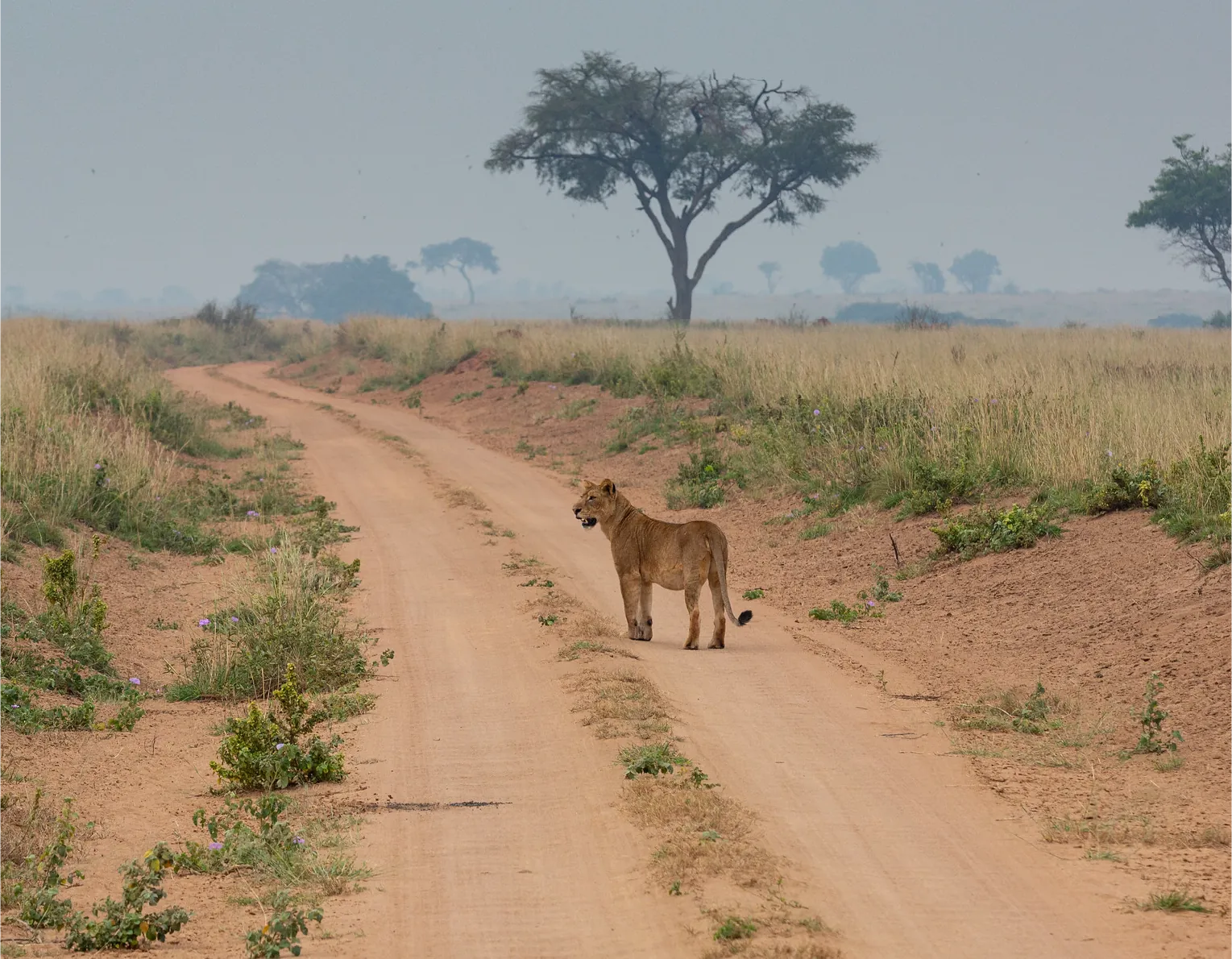
Resident lions, cheetahs, leopards, elephants and giraffes are all present, and the grass is shorter than in May, helping sightings. Towards the end of the month, the first wildebeest and zebra vanguards typically appear in the southern Mara, with larger numbers following in July. Timing depends on rainfall and grazing conditions in the Serengeti, so no date is guaranteed. If you want to be in the Mara when the first herds arrive without paying for peak weeks, book for the final part of June and keep your plans flexible. See the migration calendar for the logic of the herd movements.
Beyond the Mara
Amboseli improves as the cloud clears, offering better chances of Kilimanjaro views at dawn. Samburu and Laikipia begin to dry and wildlife starts to gather along rivers. Tsavo remains green but accessible. The mountain climbing season begins to open on Mount Kenya, and our climbing guide explains how to prepare.The Coast in June
The coastal weather changes as the south-east monsoon sets in. Days are sunny and fairly warm, the air feels less humid and evenings are comfortable, though breezes can be stronger and the sea can be choppier on some beaches. For many travellers it is a pleasant time for a relaxed stay at Diani or around Mombasa, especially after a safari. If you plan water sports, ask what conditions to expect during your dates.
Booking and Value
June sits between low season and high season. Rates are often lower than July to October, while availability is better, but the best camps start to fill as the migration approaches. Madaraka Day on 1 June is a public holiday and can create a local travel peak around the first days of the month. Early booking is especially useful for conservancy camps and balloon flights; read the balloon safari guide to understand how they work.
Packing and Pace
Pack layers: a fleece, a windproof jacket, sun protection and comfortable walking shoes. Use the packing list. For a first-time visitor, a seven-day route that blends the Mara with Amboseli or Lake Nakuru suits June very well; see three- to seven-day itineraries.
Planning a Uganda safari? Send us your dates and we will build the route, permits and transport around what you want to see.
Related Tours, Guides and Resources
- Ameera Africa Safaris homepage: Uganda safaris, tours and holidays
- Uganda safari packages
- Uganda travel guide
- How to book a Uganda safari
- Plan your safari with our team
Itineraries That Include This Experience

Frequently Asked Questions
Related Uganda Safari Pages
- Kenya in May: Easing Rains, Empty Parks and the Calm Before the Migration
- Kenya in July: The Great Migration Arrives and the Mara River Crossings Begin
- Masai Mara Great Migration: Calendar, River Crossings and Where to Stay
- Amboseli National Park: Elephants, Kilimanjaro Views and How to Visit
- Best Time to Visit Kenya: Dry Seasons, Migration Months and Coast Weather
- Kenya in August: Peak Migration, Peak Crowds and How to Safari Well in the Busiest Month
- Kenya in September: Migration Without the Peak Crowds and Warm, Settled Weather
- Kenya Safari and Travel Guides: Masai Mara, Amboseli, Tsavo, Samburu and the Coast
Ready to Plan Your Uganda Safari?
Tell us your dates, group size and interests and our Kampala team will reply with a clear, personal itinerary.
Back to the Ameera Africa Safaris homepage for Uganda safaris, our featured tours and the latest Uganda park fees.