
Kenya Conservation Safari Itinerary: Rhinos, Elephants and Community Conservancies
A conservation-focused safari in Kenya links wildlife viewing with the places where conservation is actually happening: rhino sanctuaries, elephant research areas and community conservancies that share benefits with local people.
Many travellers want their trip to do some good. Kenya offers real opportunities, because tourism income helps fund protection of wildlife and land. The challenge is to choose experiences that are transparent, well managed and respectful of animals and communities.
The itinerary below is a template. Beyond the route, this page explains how to judge claims and what to ask your operator.
This guide is part of our Uganda road routes and driving guide. When you are ready to plan, see our Uganda safari packages or the Ameera Africa Safaris Uganda tours homepage.
At a glance
- Length: Ten days, nine nights
- Route: Nairobi, Laikipia, Samburu, Amboseli, Mara
- Focus: Rhinos, elephants, community land
- Best for: Travellers wanting meaningful impact
- Tip: Ask where your money goes
Day-by-Day Plan
- Day 1: Arrive in Nairobi and rest.
- Days 2 to 3: Ol Pejeta Conservancy on the Laikipia plateau, where visitors can learn about rhino protection and see the sanctuary work. See Ol Pejeta and Laikipia wildlife guide.
- Days 4 to 5: Samburu, known for its elephants and long-running research. Ask your guide about local monitoring projects. See the Samburu wildlife guide.
- Days 6 to 7: Amboseli, home to some of Africa's best-studied elephant families and a landscape shared with Maasai communities. See Amboseli wildlife guide.
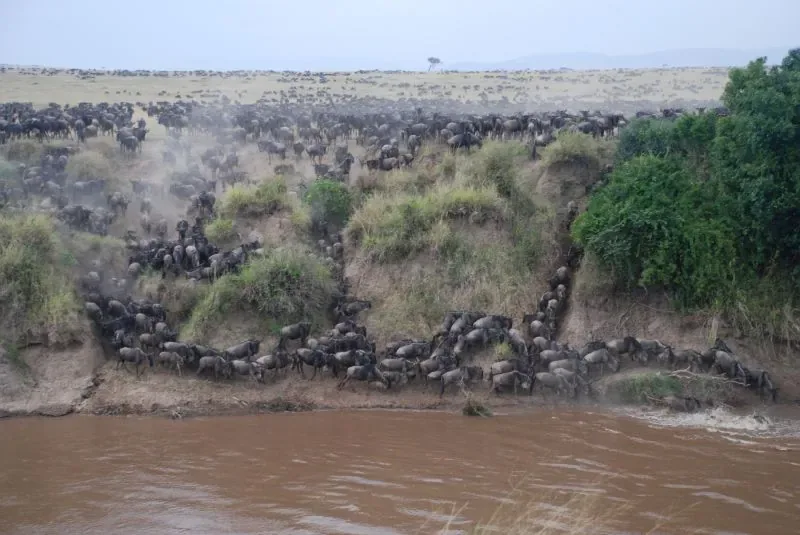
- Days 8 to 9: The Masai Mara, concentrating on community conservancies where land leases support families and limit vehicle numbers. See Mara conservancies explained.
- Day 10: Return to Nairobi and depart.
What Conservation Travel Looks Like
Visits to conservancies and sanctuaries often include briefings from rangers or researchers, behind-the-scenes explanations and access to places with lower visitor density. You may learn how anti-poaching units operate, how elephants are monitored or how grazing is managed alongside wildlife. These experiences deepen understanding and can inspire support beyond the trip. The East Africa responsible and conservation travel guide gives broader principles.
Rhinos and Ol Pejeta
Rhinos remain under pressure in Africa, and sanctuaries that protect them play a vital role. Ol Pejeta is well known for rhino conservation, including its protection of northern white rhinos. Time here allows you to understand the work behind a sighting, not only the sighting itself. See Ol Pejeta and Laikipia and save the black rhino conservation.
Elephants, Communities and Land
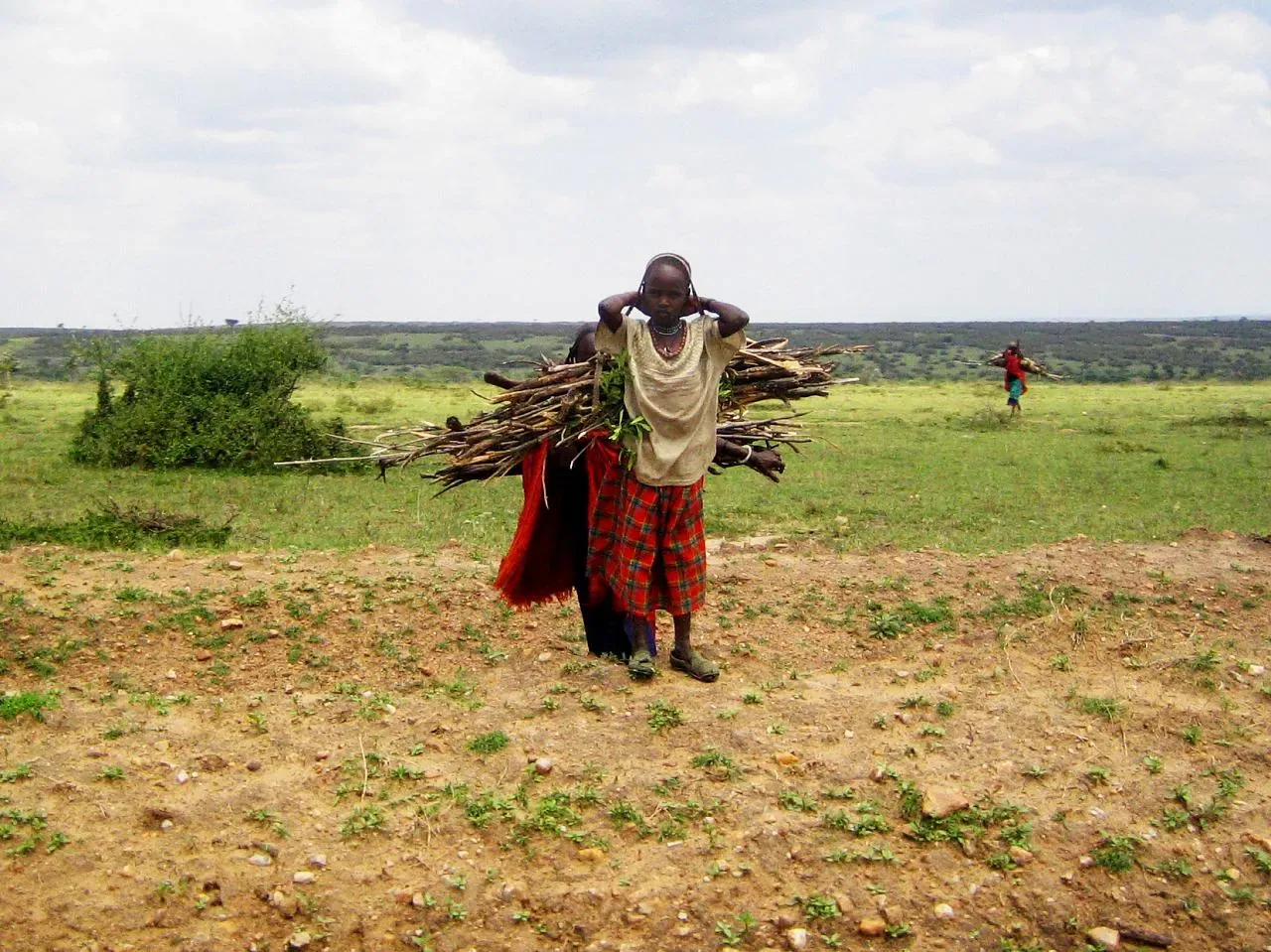
Elephants need space, and much of Kenya's wildlife roams across community land. Where landowners benefit from tourism, they have reasons to keep habitat open. Look for operators that name their partners, explain how income is shared and avoid staged cultural performances. See East Africa culture and people and elephant facts and where to see elephants.
Questions to Ask Your Operator
Ask how the lodges and conservancies contribute to conservation, whether local people are employed and trained, how waste and water are managed, and whether vehicle numbers are limited at sightings. Avoid any activity that involves handling wild animals or feeding them. Honest operators welcome these questions and answer plainly.
Giving Back Responsibly
Some travellers wish to go further than the cost of the trip. Rather than handing out sweets or money in villages, which can encourage dependency, consider supporting established projects through the lodges and conservancies you visit, or buying crafts directly from community cooperatives. Ask whether a donation goes to a named programme and how it is reported. Bring useful, requested items only after checking with the host. Careful, informed generosity does far more good than impulsive giving, and it keeps relationships between visitors and local people respectful and mutually beneficial.
What Is Usually Included
Normally included are accommodation, meals, a driver-guide, park and conservancy fees, and transfers, with optional donations or activities extra. Official tariffs apply, and conservancy fees are separate from national park fees. Ask for a written breakdown.
Season and Practicalities
Dry months give easier wildlife viewing, while green seasons offer scenery and quieter conservancies. Pack neutral clothing, a good hat and binoculars. See Kenya best time to visit and the East Africa packing list.
Planning a Uganda safari? Send us your dates and we will build the route, permits and transport around what you want to see.
Related Tours, Guides and Resources
- Ameera Africa Safaris homepage: Uganda safaris, tours and holidays
- Uganda safari packages
- Uganda travel guide
- How to book a Uganda safari
- Plan your safari with our team
Itineraries That Include This Experience
Frequently Asked Questions
Related Uganda Safari Pages
- Responsible Safari Travel in East Africa: Conservation, Communities and Ethical Choices
- Laikipia and Ol Pejeta Conservancy: Rhinos, Chimpanzees and Private Wildlife Conservancies
- Masai Mara Conservancies Explained: Mara North, Naboisho, Olare Motorogi and the Reserve
- Elephant Facts and Where to See Elephants in Uganda, Kenya and Tanzania
- Kenya 10-Day Safari Itinerary: Amboseli, the Rift Valley, Samburu and the Masai Mara
- Kenya Family Safari Itineraries: Child-Friendly Routes by Age and Length
- Kenya First-Time Safari Itinerary: A Simple Seven-Night Plan for Beginners
- Kenya Green Season Safari Itinerary: Rains, Birds, Fewer Crowds and Lush Landscapes
- Kenya Safari and Travel Guides: Masai Mara, Amboseli, Tsavo, Samburu and the Coast
Ready to Plan Your Uganda Safari?
Tell us your dates, group size and interests and our Kampala team will reply with a clear, personal itinerary.
Back to the Ameera Africa Safaris homepage for Uganda safari packages, our featured tours and the latest Uganda park fees.