
Samburu Culture Guide: Pastoral Traditions, Beadwork and Community Conservancies of Northern Kenya
The Samburu are Maa-speaking pastoralists who live in the dry country of northern Kenya, around Samburu National Reserve and the surrounding community conservancies, and are known for their livestock herding, beadwork and strong traditions.
Samburu communities share a language and many customs with the Maasai but have their own identity and homelands, with landscapes of acacia plains, rocky hills and the Ewaso Ng'iro River. Herding cattle, goats, sheep and camels remains central to many families.
This guide introduces the culture and explains how to visit respectfully, especially if you combine wildlife viewing at Samburu National Reserve and the special five with time in nearby communities.
This guide is part of our Uganda people, culture and history guide. When you are ready to plan, see our Uganda safari packages or the Ameera Africa Safaris Uganda tours homepage.
At a glance
- Region: Northern Kenya, around Samburu
- Language: Maa, with Samburu dialect
- Livestock: Cattle, goats, sheep, camels
- Art: Beaded collars and jewellery
- Conservation: Community conservancies
Who the Samburu Are
The Samburu are a pastoral people who speak a dialect of Maa, closely related to the language of the Maasai, and live mainly in Samburu County and neighbouring areas. They call themselves by a name often translated as people of the butterfly or related terms, and explanations differ, so listen to how individuals describe it. Their homeland is semi-arid, and rainfall patterns shape movement of herds. Read the Maasai culture guide to compare the neighbouring cultures.
Livestock and the Landscape
Herds of cattle, goats and sheep provide food and wealth, and camels, suited to the dry north, supply milk and transport. Herders move with the seasons in search of grass and water, and boys and young men often take livestock far from home. Drought, conflict over resources and changes in land use challenge pastoral life. The Ewaso Ng'iro River and its riverside forest are lifelines for people, livestock and wildlife alike. For wildlife context, see the Samburu wildlife guide.
Age Sets, Warriors and Community Life
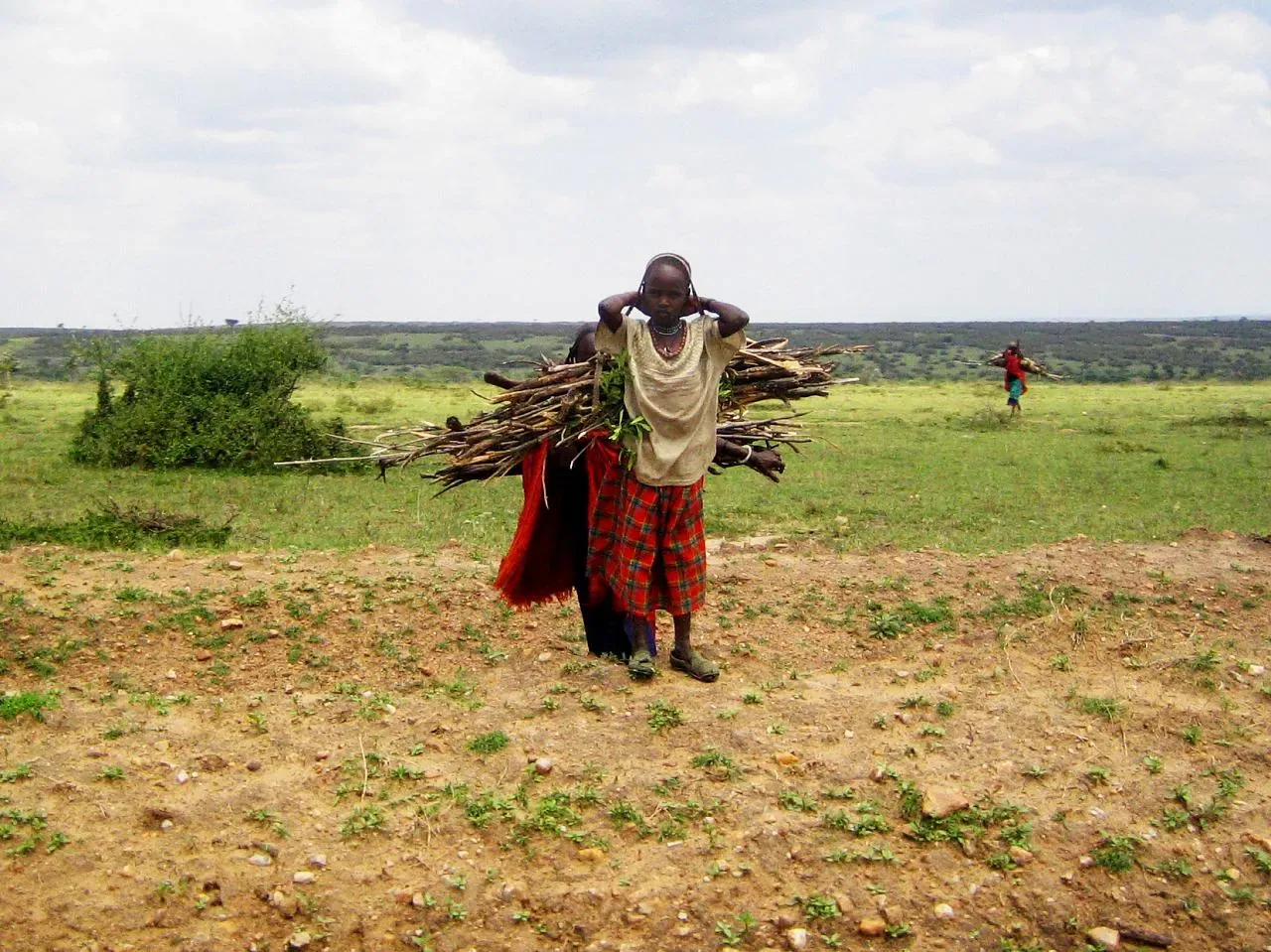
As in other Maa-speaking communities, life is organised around age sets. Young men, known as morans or warriors, have traditionally protected herds and community, and later become elders. Women manage homes, children and beadwork, and often build the houses. Ceremonies mark transitions, and the details vary. Many families also value education, and modern jobs and tourism play roles. Communities are discussing which customs to keep, and visitors should respect these conversations and avoid judging.
Beadwork, Dress and Adornment
Samburu beadwork is striking, with large layered collars, necklaces and bracelets in bright colours, worn by women and by young men on special occasions. Designs and meanings vary with age, status and place, so ask the maker rather than assuming. Cloth wraps and decorated hairstyles add to the look. Buying beadwork directly from makers, or through cooperatives, helps families earn income. See the festivals and events calendar for occasions when traditional dress may be seen.
Community Conservancies and Tourism
Large areas around Samburu are managed as community conservancies, where landowners protect wildlife and rangeland and receive income from tourism. Conservancies may offer guided walks, cultural visits and sometimes night drives, and employ local rangers and guides. Choose lodges and operators that explain how benefits are shared. Compare activities in Samburu activities and learn about ethics in East Africa responsible and conservation travel.
Visiting Respectfully
Visits should be arranged with consent, with clear explanations of what you will see and how the community benefits. Greet elders first, dress modestly, ask before taking photographs and avoid giving gifts or sweets to children, which can encourage begging. Buy crafts directly where possible, and listen more than you speak. Avoid sensitive subjects unless your host raises them. For planning, see the Nairobi to Samburu route and how to get to Samburu.
Combining Culture and Wildlife
A good Samburu itinerary mixes dawn and dusk game drives with a community visit, a guided walk or a conversation with local guides. For a northern loop, see the Kenya northern circuit itinerary. Compare with the Turkana and other northern peoples to appreciate how different communities have adapted to arid landscapes.
Listening to Local Guides
Many guides and lodge staff in the Samburu area come from local communities, and they are a valuable source of insight into herding, wildlife and change. Ask about their own families and landscape knowledge, and be curious about how they read tracks and weather. Their perspective adds depth that no written overview can match, and supporting local employment helps conservation succeed.
Planning a Uganda safari? Send us your dates and we will build the route, permits and transport around what you want to see.
Related Tours, Guides and Resources
- Ameera Africa Safaris homepage: Uganda safaris, tours and holidays
- Uganda safari packages
- Uganda travel guide
- How to book a Uganda safari
- Plan your safari with our team
Itineraries That Include This Experience

Frequently Asked Questions
Related Uganda Safari Pages
- Samburu National Reserve and the Special Five: Northern Kenya's Dry-Country Wildlife
- Samburu Wildlife Guide: The Special Five, Elephants, Big Cats and River Life
- Maasai Culture Guide: Traditions, Cattle, Beadwork and How to Visit Respectfully
- Nairobi to Samburu: Road via Isiolo, Flights and Pacing for Northern Kenya
- Turkana Culture Guide: Lake Turkana, Pastoral Life and the Cradle of Humankind in Northwest Kenya
- Ugali, Nyama Choma and Kenyan Dishes: A Guide to Must-Try Foods and How They Are Eaten
- Genocide Memorials in Rwanda: A Respectful Visitor Guide
- Kenya Safari and Travel Guides: Masai Mara, Amboseli, Tsavo, Samburu and the Coast
Ready to Plan Your Uganda Safari?
Tell us your dates, group size and interests and our Kampala team will reply with a clear, personal itinerary.
Back to the Ameera Africa Safaris homepage for Uganda safaris, our featured tours and the latest Uganda park fees.