
A Typical Day on a Kenya Safari: From Dawn Drive to Sundowners
A Kenya safari day follows the animals: an early dawn drive, a relaxed midday break and a late-afternoon drive, with meals, rest and often a sundowner in between.
Safari rhythm surprises first-time visitors. You wake in the dark, spend hours watching wildlife and then rest through the heat of the day. The routine feels natural after a day or two.
This guide walks through a typical day so you know what to expect and how to prepare.
This guide is part of our Uganda facts and travel information guide. When you are ready to plan, see our Uganda safari packages or the Ameera Africa Safaris Uganda tours homepage.
At a glance
- Wake-up: Early, often before sunrise
- Morning drive: Cool air, active animals
- Midday: Rest, meals, pool or hide
- Afternoon drive: Warm light until dusk
- Evening: Dinner, campfire, stars
Wake-Up and Early Start
Most camps offer a wake-up call with tea or coffee before dawn. Dress in layers, because mornings can be chilly in open vehicles, and bring a hat, camera and binoculars. A light snack may be provided before you set off, with a fuller breakfast on your return. This is the time when predators are often active and the light is soft, so it is worth getting up. See game drives explained for more.
The Morning Game Drive
Your guide will head for areas where animals were seen the day before or where tracks and radio news suggest activity. You might watch a lion pride wake, elephants cross a river or birds begin to call. Drives are unhurried, with stops for photographs. Many places allow a bush breakfast, which is a memorable break. The pace depends on sightings, not a timetable.
Breakfast and Midday Rest
By late morning, heat builds and animals rest. Most guests return to camp for brunch or lunch, then relax. You can read, swim where there is a pool, catch up on notes, sort photographs or take a nap. Some camps offer short walks, talks or cultural visits. Others arrange full-day drives with a picnic lunch, especially in the Masai Mara during the migration season. See things to do in the Masai Mara.
The Afternoon Drive
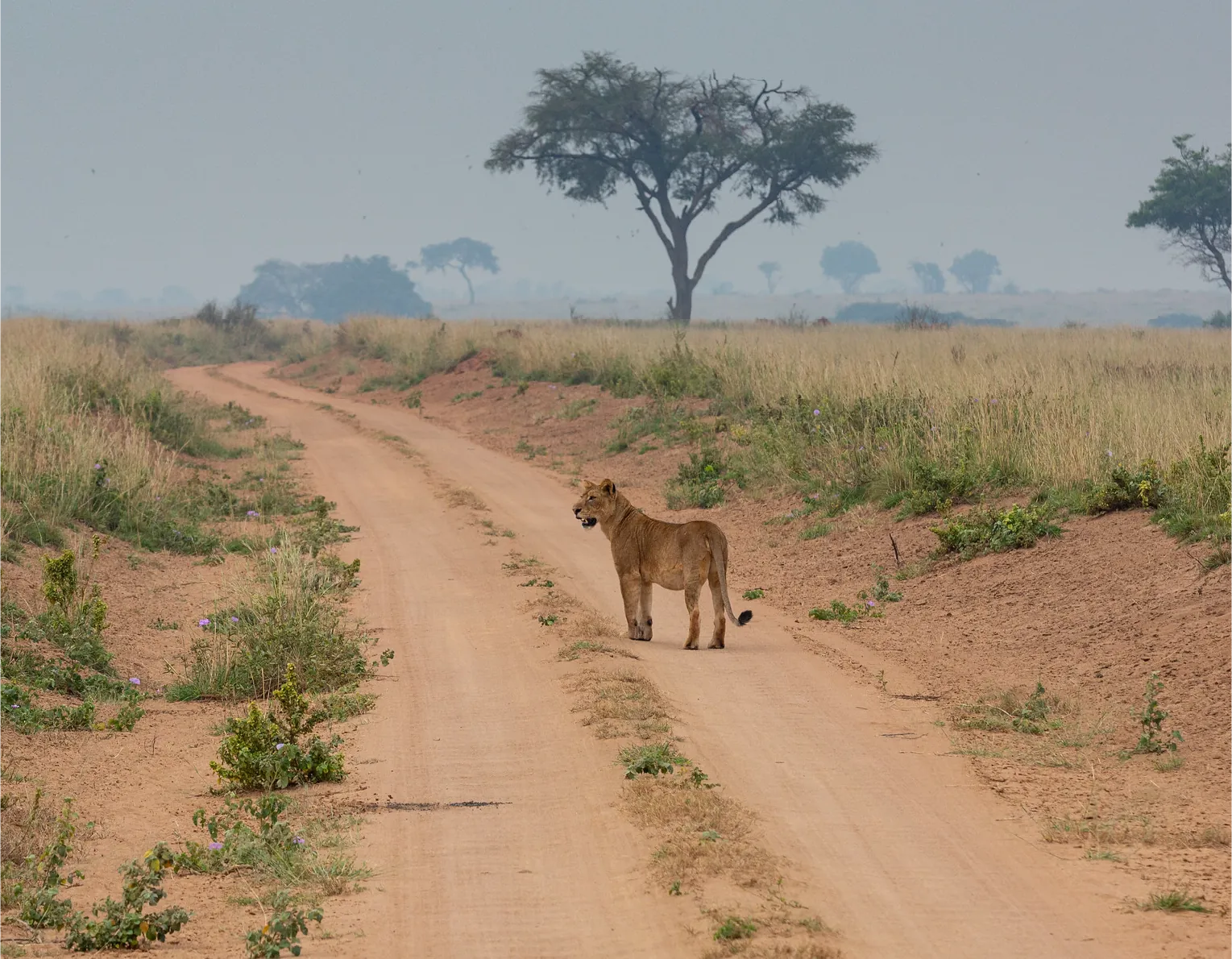
Departing again in mid-afternoon, you often find animals stirring as temperatures drop. The light becomes golden, which suits photography. Guides watch for leopards in trees, hunting cats and herds heading to water. In many parks, vehicles must be back at camp or out of the park by a set time, so drives end around sunset. Read the Masai Mara big cats and game drive guide.
Sundowners, Dinner and Evening
Many guides pause for a sundowner, a drink and snack while the sun sets, where rules allow. Back at camp, you can warm up by the fire, share stories and eat dinner, often outdoors or in a communal tent. Evenings are quiet, with sounds of hyenas, hippos or insects. Early nights are normal because the next dawn is not far off. Some conservancies allow night drives, described in night drives and walking safaris.
Travel Days and Changing the Pattern
On days when you move between parks, the rhythm changes. You may leave after breakfast, enjoy a game drive en route and reach your next camp by afternoon, or fly between airstrips. Build in at least two nights per base to avoid exhaustion. Check sample itineraries for pacing ideas.
What to Bring Each Day
Pack a daypack with water, sun cream, a hat, binoculars, a camera, a light jacket and any medication. A scarf or buff helps against dust. Leave valuables at camp. For clothing, read the packing list.
Planning a Uganda safari? Send us your dates and we will build the route, permits and transport around what you want to see.
Related Tours, Guides and Resources
- Ameera Africa Safaris homepage: Uganda safaris, tours and holidays
- Uganda safari packages
- Uganda travel guide
- How to book a Uganda safari
- Plan your safari with our team
Itineraries That Include This Experience

Frequently Asked Questions
Related Uganda Safari Pages
- Game Drives Explained: What Happens on a Safari Drive in East Africa
- Masai Mara Big Cats and Game Drives: Lions, Leopards and Cheetahs
- Night Drives and Walking Safaris in East Africa: Where They Are Allowed
- First-Time Safari Guide for East Africa: What to Know Before You Go
- Kenya Safari FAQs: Answers to the Most Common Planning Questions
- Kenya Safari Lodging Types Explained: Camps, Lodges, Tented Camps and More
- Kenya Safari Safety: Health, Wildlife, Road and Personal Security Advice
- Kenya Safari and Travel Guides: Masai Mara, Amboseli, Tsavo, Samburu and the Coast
Ready to Plan Your Uganda Safari?
Tell us your dates, group size and interests and our Kampala team will reply with a clear, personal itinerary.
Back to the Ameera Africa Safaris homepage for Uganda safaris and tours, our featured tours and the latest Uganda park fees.