
Where to See Leopards in East Africa: Best Parks, Habits and Viewing Tips
Leopards are solitary and secretive, but Samburu, the Masai Mara, the Serengeti's Seronera area and Ruaha are among the places where sightings are most often reported.
A leopard is the animal many safari-goers most want and hardest to find. It spends much of the day resting in trees, thickets or rocky outcrops, and hunts largely at night.
Good habitat, patient guides and the right timing improve your chances, but a sighting is never guaranteed. This guide covers where to look and how to watch without disturbing the cat.
This guide is part of our animals of Uganda and East Africa guide. When you are ready to plan, see our Uganda safari packages or the Ameera Africa Safaris Uganda tours homepage.
At a glance
- Top areas: Samburu, Mara, Seronera, Ruaha
- Habitat: Riverine trees, rocks, thickets
- Best time of day: Dawn, dusk, night where allowed
- Behaviour: Solitary, often in trees
- Guarantee: None
Where Leopards Are Found
| Country | Areas to consider |
|---|---|
| Kenya | Samburu, Masai Mara and conservancies, Lake Nakuru, Laikipia |
| Tanzania | Serengeti (Seronera), Tarangire, Ruaha, Ngorongoro rim forests |
| Uganda | Queen Elizabeth, Murchison Falls, Kibale area |
| Rwanda | Nyungwe and Akagera, where sightings are rare |
For biology and identification, see the leopard species profile.
Kenya Hotspots
Samburu's riverine trees and rocky ground suit leopards, and sightings along the river are reported often; see Samburu wildlife. In the Mara, riverine forest and rocky outcrops are the places to look, particularly at dawn and dusk; see Mara wildlife. Lake Nakuru's woodland is another area known for leopards; see Lake Nakuru wildlife.
Tanzania Hotspots
The Seronera area in the central Serengeti has riverine trees and kopjes that favour leopards; see Serengeti regions. Tarangire's baobabs and river woodland, and Ruaha's rocky ground, also support good populations. Ruaha's quieter setting can make a sighting feel special; see Ruaha wildlife.
Uganda and Rwanda
In Uganda, Queen Elizabeth's Kasenyi and Mweya areas and the woodland of Murchison Falls hold leopards, though thick cover makes them harder to spot; see Queen Elizabeth National Park. In Rwanda, they live in forest and savannah but are rarely seen. Visitors there should treat any sighting as a bonus.
Best Time and Time of Day
Leopards are present year-round, but dry months with sparse foliage help visibility. Early morning and late afternoon give the best chance of seeing one before it retires to a tree. Night drives in permitted conservancies and private areas can reveal leopards hunting; see night drives and walking safaris.
How to Improve Your Chances
Scan branches of large trees, especially sausage trees and acacias near rivers. Listen for alarm calls from baboons, monkeys and antelope, and ask your guide to follow them. Stay several days in leopard country and allow quiet time at each stop. Be patient with long scans, and avoid rushing. Read game drives explained.
Reading the Landscape
Finding a leopard is partly a matter of understanding habitat. Look for large trees with thick horizontal branches, especially along rivers, where a cat can rest and keep a kill away from hyenas and lions. Rocky outcrops and kopjes provide shade and lookouts. In thick woodland, leopards may be only a few metres from the track and still unseen. Spotted patterns blend with dappled light, so scan for a tail hanging down or the shape of a head. Binoculars are as useful as a camera. Patience matters more than speed, and a quiet vehicle with the engine off often reveals what a moving one misses.
Ethical Viewing
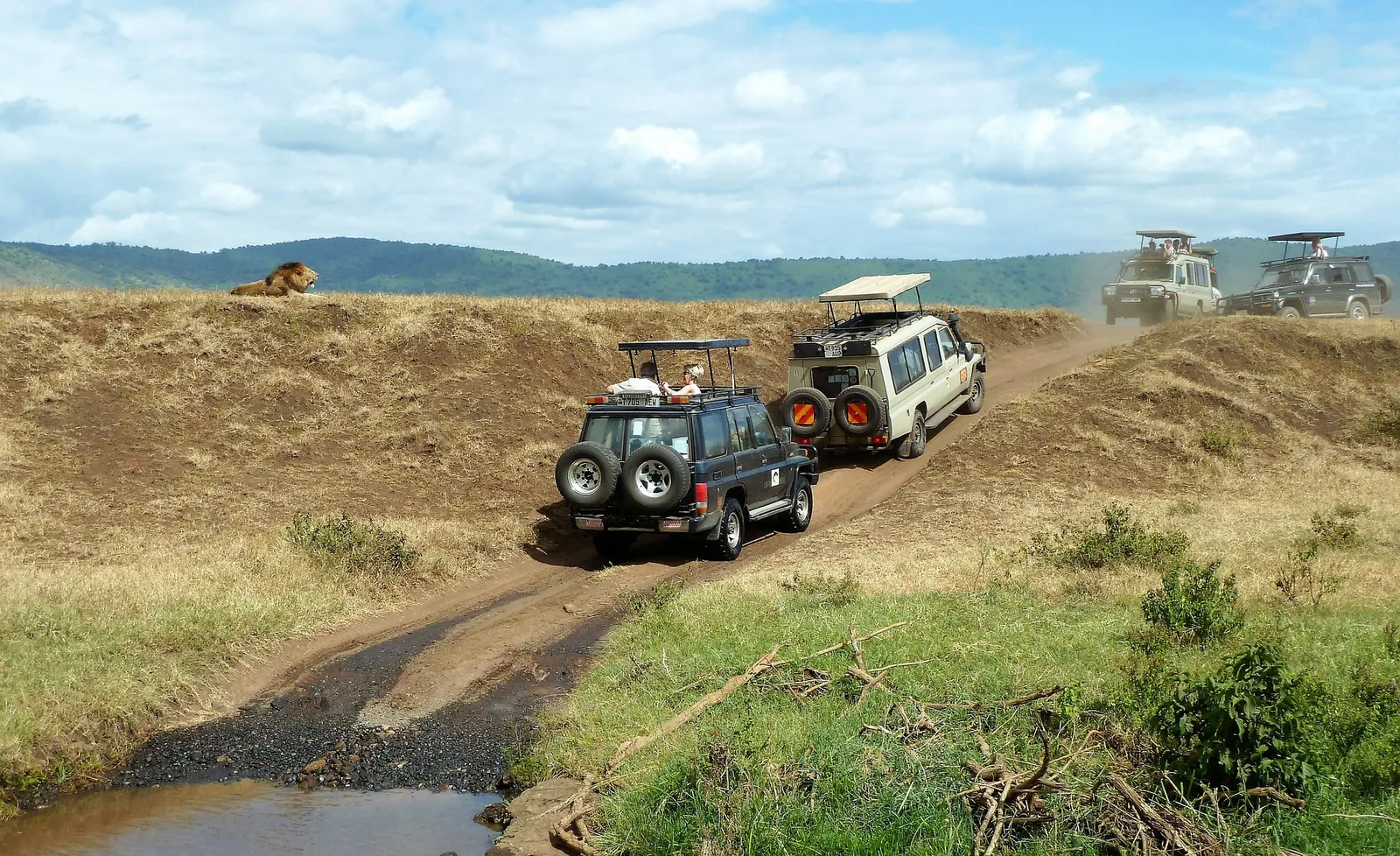
Leopards are shy and often stressed by crowds. Keep vehicle numbers low, do not use flash or spotlights unless permitted, and never block a leopard's path to a tree or a kill. A cat that appears uneasy should be left alone. Good guides know when to withdraw. See safari etiquette and safety rules.
Planning a Uganda safari? Send us your dates and we will build the route, permits and transport around what you want to see.
Related Tours, Guides and Resources
- Ameera Africa Safaris homepage: Uganda safaris, tours and holidays
- Uganda safari packages
- Uganda travel guide
- How to book a Uganda safari
- Plan your safari with our team
Itineraries That Include This Experience
Frequently Asked Questions
Related Uganda Safari Pages
- Leopard Species Profile: The Solitary Climber and Where to Find It in East Africa
- Lion Species Profile: Life in the Pride, Hunting and Where to See Lions in East Africa
- Cheetah Species Profile: Speed, Hunting Style and Where to See Cheetahs
- East Africa Wildlife Guide: Animals You Can See in Uganda, Kenya, Tanzania and Rwanda
- Where to See Rhinos in Kenya, Tanzania and Rwanda: Parks, Sanctuaries and Conservation
- Where to See Giraffes in East Africa: Parks, Subspecies and Viewing Tips
- Where to See Flamingos in East Africa: Soda Lakes, Seasons and Viewing Tips
- Animals of Uganda and East Africa: Gorilla, Chimpanzee, Big Five and Bird Fact Guides
Ready to Plan Your Uganda Safari?
Tell us your dates, group size and interests and our Kampala team will reply with a clear, personal itinerary.
Back to the Ameera Africa Safaris homepage for Uganda safaris and tours, our featured tours and the latest Uganda park fees.