
Kenya Big Cat Safari Itinerary: Lions, Leopards and Cheetahs Across Four Parks
A Kenya big cat safari concentrates on places where lions, leopards and cheetahs are most likely to be seen, with the Masai Mara as the centrepiece and Samburu and Laikipia as rewarding supporting stops.
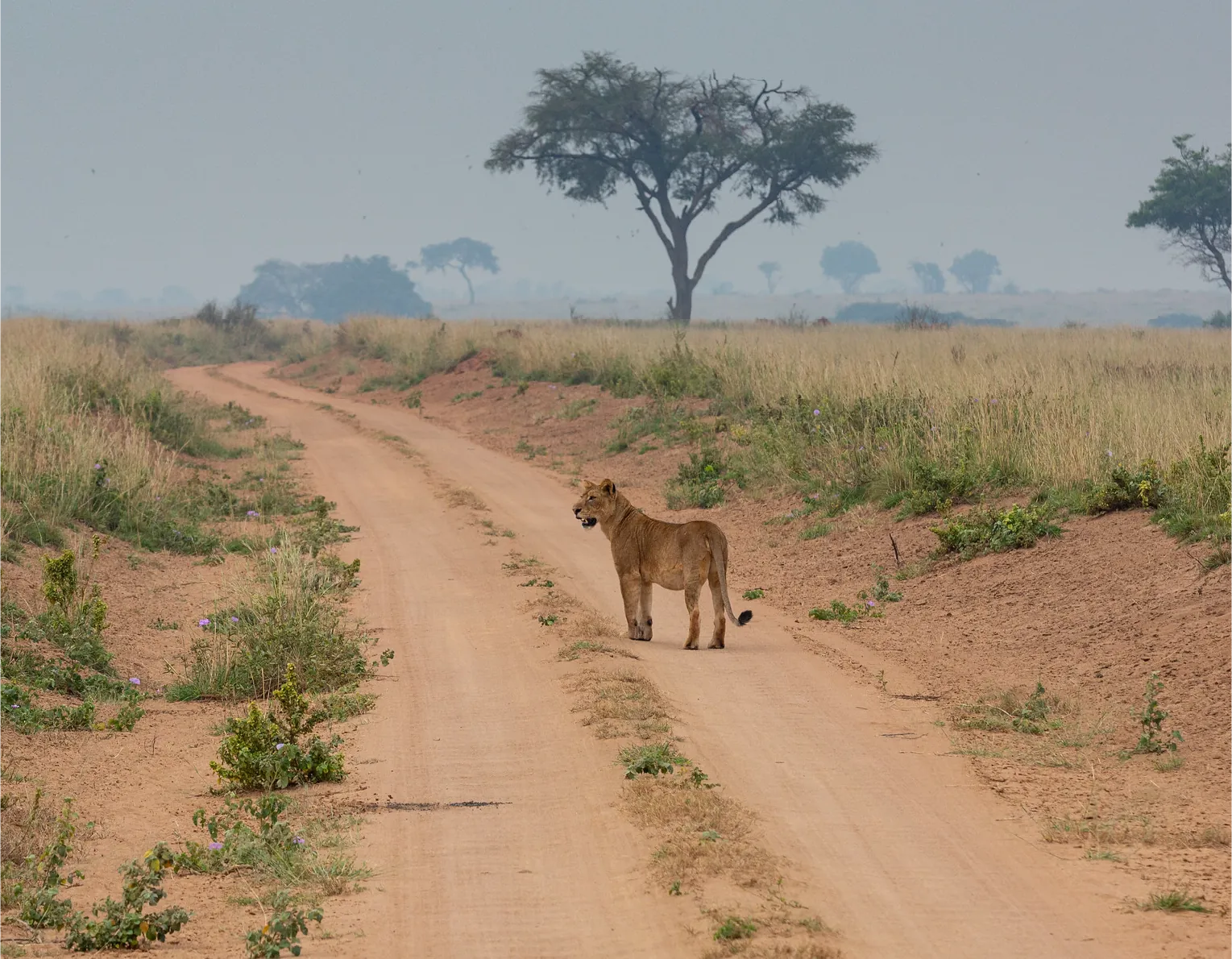
Big cats are never guaranteed, but you can improve your odds by choosing the right places, spending enough nights, travelling with a good guide and driving at the right hours. Kenya offers open grassland, riverine thickets and rocky outcrops where all three species can be watched.
The route below balances time in each area, and the notes explain how the sightings differ between parks and how to behave around cats.
This guide is part of our Uganda road routes and driving guide. When you are ready to plan, see our Uganda safari packages or the Ameera Africa Safaris Uganda tours homepage.
At a glance
- Length: Nine days, eight nights
- Route: Nairobi, Mara, Samburu, Laikipia
- Focus: Lions, leopards, cheetahs
- Best for: Photographers and wildlife enthusiasts
- Tip: Prioritise dawn and dusk
Day-by-Day Plan
- Day 1: Arrive in Nairobi. If you land early, an afternoon drive in Nairobi National Park offers lions against the city skyline.
- Day 2: Fly or drive to the Masai Mara, reaching camp for an afternoon drive.
- Days 3 to 5: Full days in the Mara, with dawn and dusk drives. Look for prides on the plains, leopards near riverine trees and cheetahs on termite mounds. See Masai Mara big cats and game drive guide.
- Day 6: Fly to Samburu, with a late-afternoon drive.
- Day 7: A full day in Samburu, where leopards along the river and smaller cats are possible.
- Day 8: Continue to Laikipia for a day of varied wildlife, including the chance of wild dogs and nocturnal species where activities allow.
- Day 9: Return to Nairobi and depart.
How Each Park Differs
The Masai Mara is the headline: open plains and abundant prey support high lion and cheetah numbers. Samburu offers drier, more scrubby terrain and fewer vehicles. Laikipia gives access to private conservancies where activities beyond standard drives may be available, and where long days outside the vehicle are possible. Compare the landscapes in the Samburu activities page and the Mara conservancies guide.
Finding Cats
Cats are most active at dawn, dusk and after dark when conservancies permit night drives. Guides communicate by radio, but patience matters. Look for alarm calls from antelope and birds, fresh tracks on dirt roads and vultures dropping to the ground. Resting lions in shade are easy to find but may do little; waiting often pays off. Read about the African big cats to know their habits.
Viewing Etiquette
Keep your voice low, stay in the vehicle and follow the guide's instructions. Avoid crowding a sighting, and never encourage the driver to push close to animals. Responsible viewing improves the experience and protects wildlife. Large crowds can form at popular sightings in peak months, so ask your guide to wait for space.
Photography Tips
A telephoto lens, a bean bag for steadiness and early light make a major difference. Shoot at eye level where possible and be ready for action in the first minutes of a sighting. See safari photography tips and East Africa photography safaris.
Best Seasons
The Mara has cats all year, with higher prey numbers during the migration from roughly July to October. Dry months make cats easier to find because vegetation is lower. Green seasons are quieter, though tall grass can hide predators. Samburu and Laikipia are good throughout the year. See Kenya best time to visit.
Reading Big Cat Behaviour
Understanding what cats are doing makes sightings far more rewarding. Lions sleep for much of the day, so a dozing pride is normal, and action usually comes at dusk. Leopards often rest in trees and may drag kills upwards out of reach of hyenas. Cheetahs hunt by sight in daylight, so they are most active in the morning and late afternoon. Watch for tail twitches, stares and sudden stillness among nearby herds. Your guide can explain these signals, and over several days you will start to notice them for yourself.
What Is Usually Included
Typical inclusions are accommodation, meals, a driver-guide, park fees and transfers. Private vehicles are particularly helpful for photographers because you control timing. Extras may include flights, balloon rides and tips. Always ask for an itemised list; official tariffs apply.
Planning a Uganda safari? Send us your dates and we will build the route, permits and transport around what you want to see.
Related Tours, Guides and Resources
- Ameera Africa Safaris homepage: Uganda safaris, tours and holidays
- Uganda safari packages
- Uganda travel guide
- How to book a Uganda safari
- Plan your safari with our team
Itineraries That Include This Experience

Frequently Asked Questions
Related Uganda Safari Pages
- Masai Mara Big Cats and Game Drives: Lions, Leopards and Cheetahs
- Masai Mara Wildlife Guide: Animals, Where They Live and When to See Them
- Samburu Wildlife Guide: The Special Five, Elephants, Big Cats and River Life
- African Big Cats: Lion, Leopard and Cheetah Compared and Where to See Them
- Kenya 7-Day Safari Itinerary: Nairobi, Rift Valley Lakes and the Masai Mara
- Kenya Birding Safari Itinerary: Lakes, Forests and Dry-Country Specials
- Kenya Conservation Safari Itinerary: Rhinos, Elephants and Community Conservancies
- Kenya Family Safari Itineraries: Child-Friendly Routes by Age and Length
- Kenya Safari and Travel Guides: Masai Mara, Amboseli, Tsavo, Samburu and the Coast
Ready to Plan Your Uganda Safari?
Tell us your dates, group size and interests and our Kampala team will reply with a clear, personal itinerary.
Back to the Ameera Africa Safaris homepage for Uganda tours and safaris, our featured tours and the latest Uganda park fees.