
Nairobi to Amboseli: Road and Air Options, Pacing and What to See En Route
The journey from Nairobi to Amboseli is a half-day drive south towards Kilimanjaro or a short scheduled flight, and either way you can be watching elephants the same afternoon.
Amboseli lies in southern Kenya beside the Tanzanian border, so the route heads south out of Nairobi across the dry plains of Kajiado county. It is one of the simplest transfers on a Kenyan safari, which is why the park fits neatly into short itineraries.
This page explains the road and air choices, how to pace the day and what to prepare. For park-specific details see our Amboseli National Park guide.
This guide is part of our Uganda road routes and driving guide. When you are ready to plan, see our Uganda safari packages or the Ameera Africa Safaris Uganda tours homepage.
At a glance
- By road: A half-day drive, departing early
- By air: A short scheduled flight from Wilson Airport
- Scenery: Open plains, Maasai grazing land, Kilimanjaro views
- Best for: Short trips and Mara or Tsavo combinations
- Prepare: Water, sun protection, soft bag for flights
The Road Journey
Safari vehicles leave Nairobi on the southern highway, pass the outskirts of Athi River and Kajiado and then continue across ranching country towards the park. Two approaches are in common use: one through Namanga near the border and one that joins the Mombasa highway at Emali before turning south. Your driver will choose according to road conditions and where you are staying. Expect a long morning rather than a full day, with the final stretch on park tracks, so an early departure means you arrive in time for an afternoon game drive.
Flying to Amboseli
Scheduled light-aircraft flights link Nairobi's Wilson Airport with the Amboseli airstrip, and some services connect onward to the Masai Mara or Tsavo. A flight turns a half-day on the road into a short hop with views of the Rift Valley and Kilimanjaro on clear days. Baggage allowances are strict and bags must be soft-sided, so pack accordingly and confirm the allowance with your operator. Schedules change by season, so always check current timings before fixing a plan. See flying safaris in East Africa.
What You Pass En Route
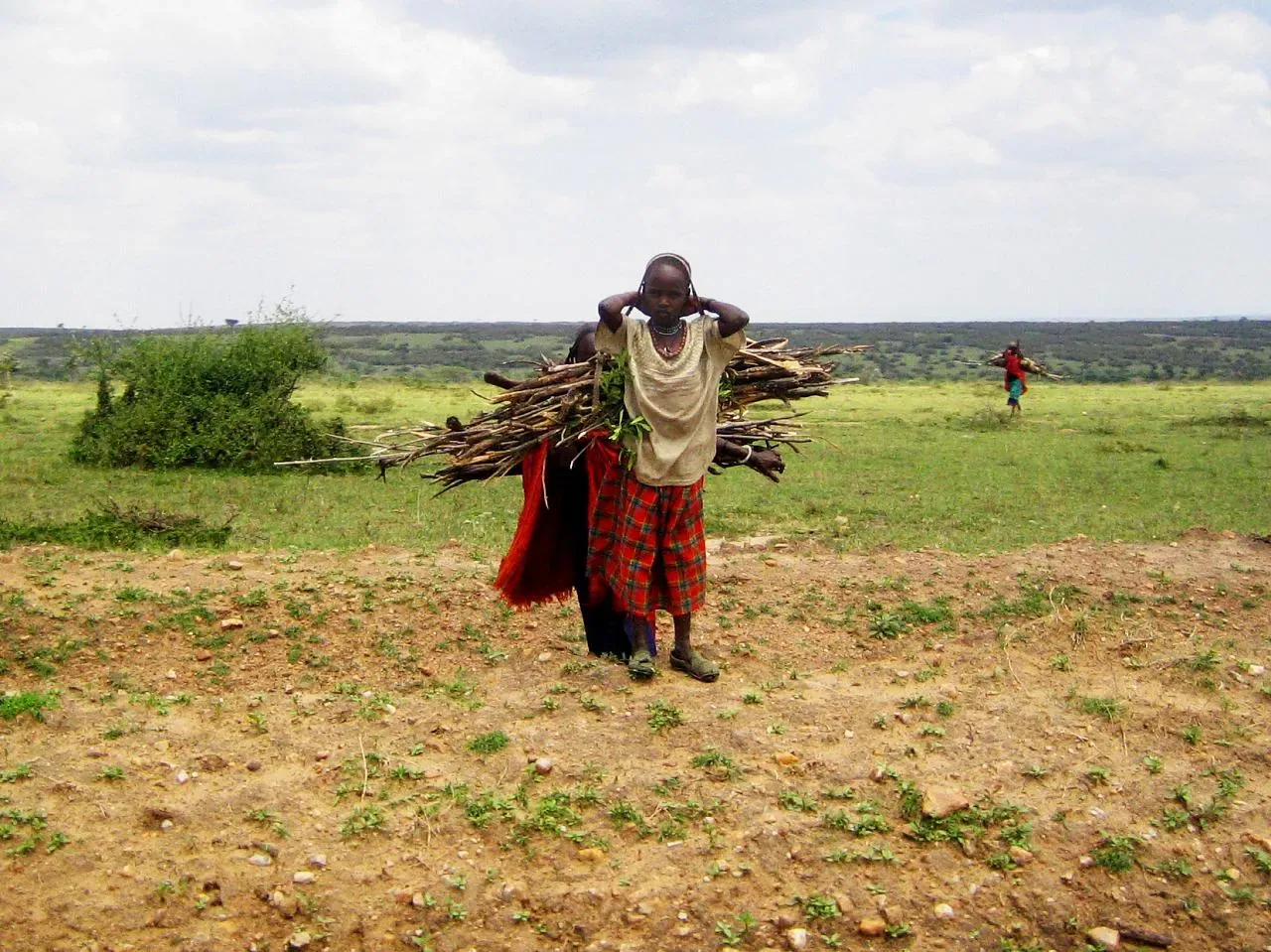
The landscape shifts from city suburbs to dry savannah dotted with acacia, Maasai herders with cattle and goats, and small trading centres where vehicles often pause for refreshments. On clear days Kilimanjaro appears on the horizon well before you reach the park, which is a thrilling moment for first-time visitors. Roadside curio stops are common, so decide beforehand whether you want to spend time at them. Keep your camera handy but do not photograph people without asking.
Pacing the Day
If you leave soon after breakfast, you will usually arrive for lunch and an afternoon drive when elephants are active and the light softens. A later start still works but cuts into game-viewing time. On the return, plan a morning drive before leaving so you do not rush. Travellers heading to the coast often continue to Tsavo West or Tsavo East rather than returning to Nairobi.
Season and Road Notes
Dry months bring dust and busier roads, while the rains can leave side tracks slippery and sometimes cloud the mountain. Park roads are rough in places, so a well-maintained safari vehicle matters more than speed. Check the best time to visit Amboseli when choosing dates.
Preparing for the Journey
Carry drinking water, sun protection, a light scarf for dust and your passport in case of checks. Keep valuables in hand luggage and book your return transfer or flight with enough margin for your onward connection. Our East Africa packing list covers the essentials, and the Amboseli getting-there page gives further detail on gates and arrival.
Planning a Uganda safari? Send us your dates and we will build the route, permits and transport around what you want to see.
Related Tours, Guides and Resources
- Ameera Africa Safaris homepage: Uganda safaris, tours and holidays
- Uganda safari packages
- Uganda travel guide
- How to book a Uganda safari
- Plan your safari with our team
Itineraries That Include This Experience

Frequently Asked Questions
Related Uganda Safari Pages
- Amboseli National Park: Elephants, Kilimanjaro Views and How to Visit
- How to Get to Amboseli: Road From Nairobi, Flights and the Namanga Route
- Amboseli Wildlife Guide: Elephants, Swamps and Birds Beneath Kilimanjaro
- Amboseli Itineraries: 3, 5 and 7 Day Safari Plans With Kilimanjaro Views
- Getting Around East Africa: Flights, Roads, Trains and Boats
- Things to Do in Nairobi: Giraffe Centre, Sheldrick Trust and Nairobi National Park
- Nairobi to Kakamega Forest: Routes, Flights and Pacing for Western Kenya
- Nairobi to Lake Baringo: Road Route, Stops and Pacing for the Northern Rift Valley
- Nairobi to Lake Naivasha: A Short Rift Valley Route With Stops Worth Making
- Kenya Safari and Travel Guides: Masai Mara, Amboseli, Tsavo, Samburu and the Coast
Ready to Plan Your Uganda Safari?
Tell us your dates, group size and interests and our Kampala team will reply with a clear, personal itinerary.
Back to the Ameera Africa Safaris homepage for Uganda tours, our featured tours and the latest Uganda park fees.