
Where to See Lions in East Africa: Best Parks, Seasons and Viewing Tips
Lions can be seen in many East African parks, with the Masai Mara, Serengeti, Ngorongoro Crater and Ruaha among the most reliable, while Uganda's Queen Elizabeth and Murchison Falls offer a quieter alternative.
Lions live in open grassland and light woodland, and they are most often seen resting in shade during the day and moving at dawn, dusk and night. They are social cats that live in prides, so a single sighting can include females, cubs and a male or coalition of males.
No park can promise a sighting, but some places give very good chances. This guide explains where to look, when to go and how to watch lions without disturbing them.
This guide is part of our animals of Uganda and East Africa guide. When you are ready to plan, see our Uganda safari packages or the Ameera Africa Safaris Uganda tours homepage.
At a glance
- Top parks: Mara, Serengeti, Ngorongoro, Ruaha
- Also: Tsavo, Nairobi National Park, Queen Elizabeth
- Best light: Early morning, late afternoon
- Behaviour: Pride resting by day, active at night
- Guarantee: None, ask your guide
Where Lions Are Found
| Country | Parks to consider |
|---|---|
| Kenya | Masai Mara, Amboseli, Tsavo, Nairobi National Park, Samburu, Laikipia |
| Tanzania | Serengeti, Ngorongoro Crater, Tarangire, Ruaha, Nyerere |
| Uganda | Queen Elizabeth, Murchison Falls, Kidepo |
| Rwanda | Akagera, where lions have been reintroduced |
For background on the animal itself, see the lion species profile.
Kenya and Tanzania Plains
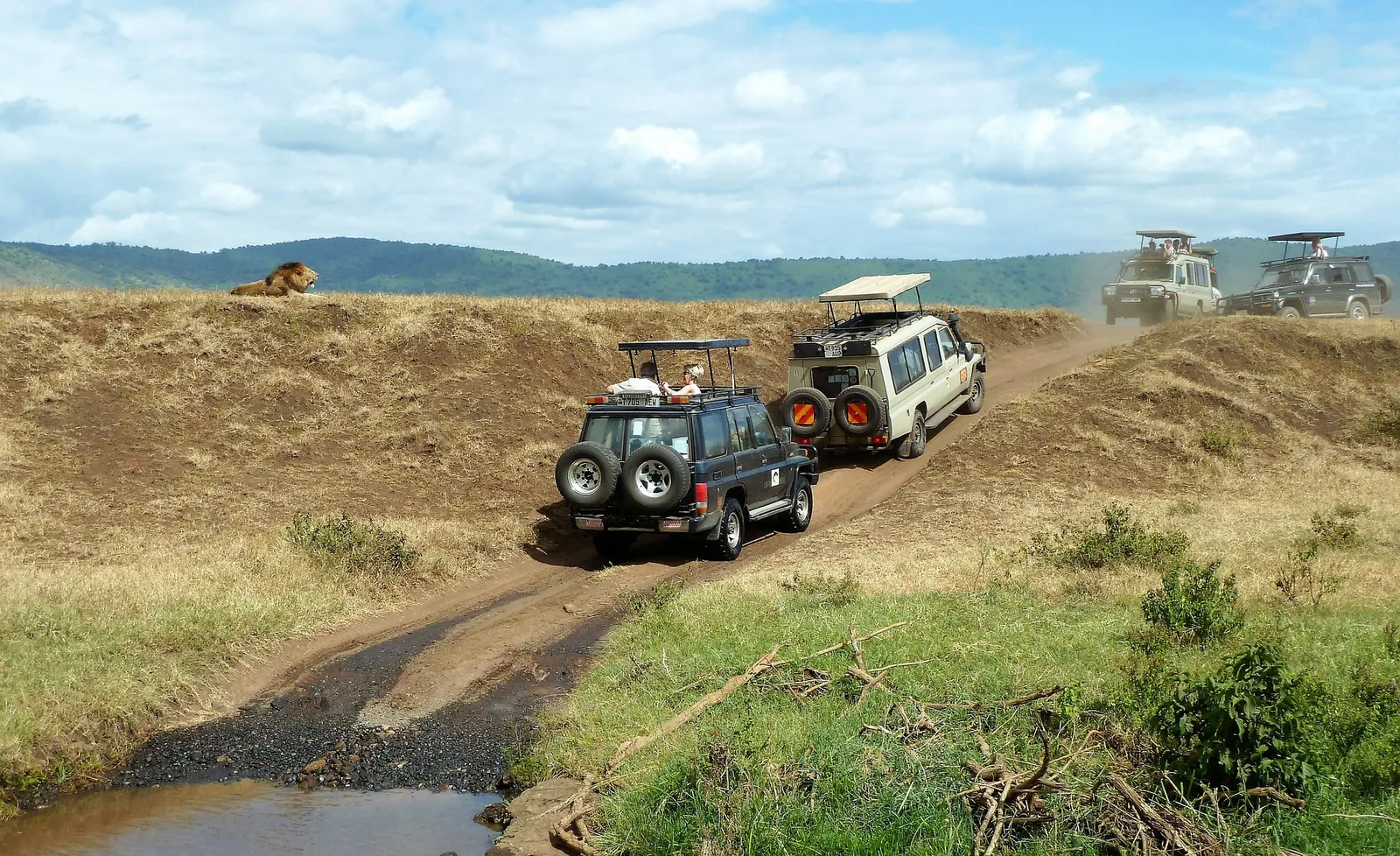
The open grassland of the Masai Mara and the Serengeti are the best-known lion country, with prides spread across plains, kopjes and riverbanks. The Ngorongoro Crater offers close views in a contained setting, and Ruaha has a strong reputation for lions in a quieter bush setting. Nairobi National Park offers lions within sight of the city skyline, a short drive from the capital.
Uganda and Rwanda
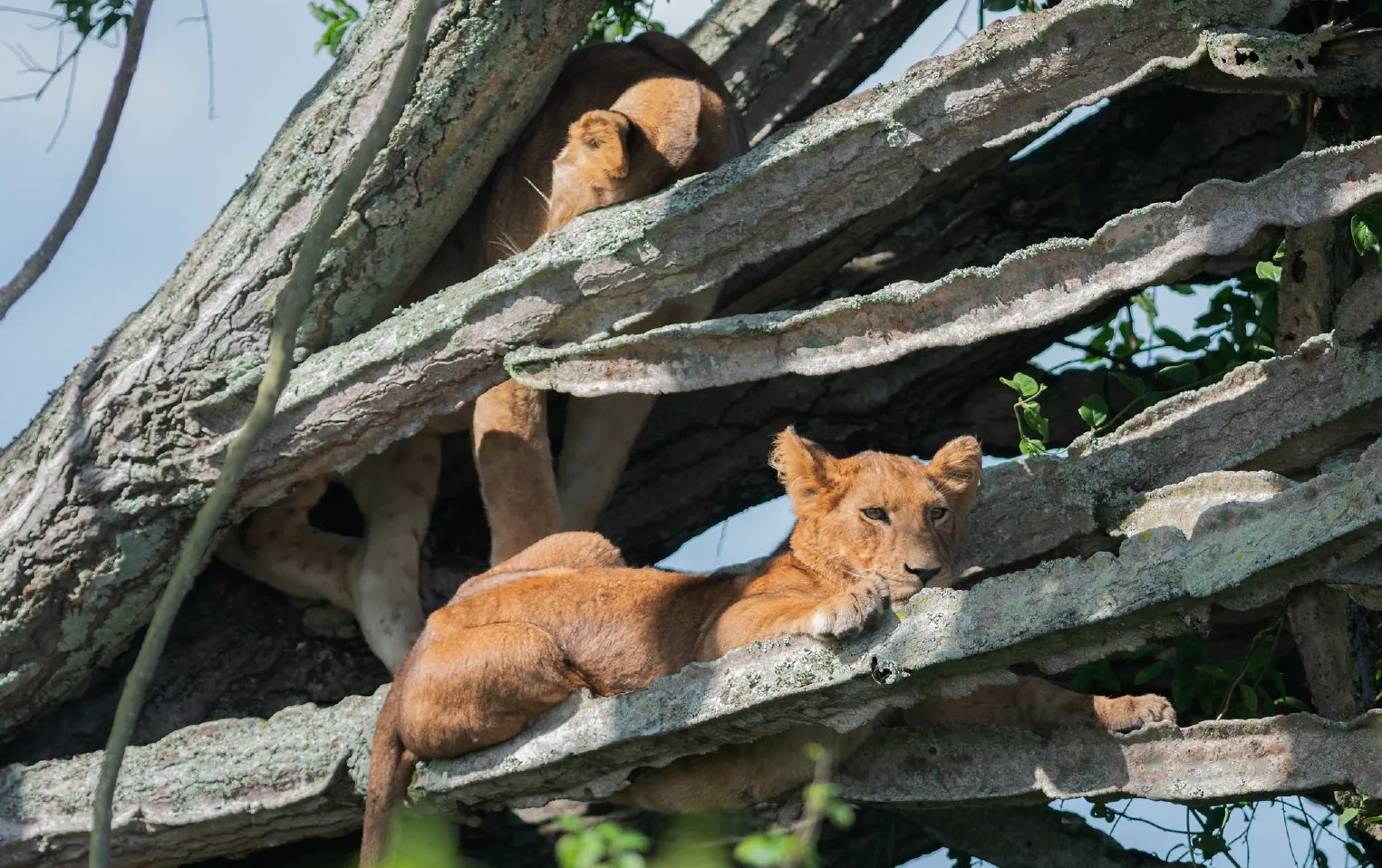
Queen Elizabeth National Park is known for tree-climbing lions in the Ishasha sector; see tree-climbing lions in Uganda and lion tracking in Queen Elizabeth. Murchison Falls and Kidepo also hold lions. In Rwanda, Akagera has lions after a reintroduction; see Akagera wildlife. Cover is thicker in some of these parks, so sightings take more patience.
When to Go
Dry months often make lions easier to find, because grass is shorter and animals gather near water. Wet months bring longer grass that can hide cats, though cubs and lush scenery add appeal. Migration months in the Mara and Serengeti attract prides to the herds. See East Africa best time to visit and each park's best-time page. Patterns vary between years.
How to Improve Your Chances
Choose a guide with a good reputation and ask for early and late drives. Stay at least three nights in a park rather than one. Guides share sightings by radio in busy parks, so be ready to move quickly. Look for vultures circling, other animals staring in one direction and alarm calls. Read game drives explained for how a drive works, and the Mara big cats guide.
Behaviour to Watch For
Lions rest for much of the day, so a sleeping pride is normal. Watch for cubs playing, females stalking in coordinated groups and males patrolling territory. A hunt is rare and brief, and it should never be forced. See what lions eat for diet and whether lions eat humans for safety context.
Choosing Between Parks
Think about the kind of lion watching you want. The Mara and Serengeti offer scale, abundant prey and the chance to see several prides in a single day, although popular sightings can attract vehicles. Ngorongoro offers a compact setting with controlled numbers. Ruaha and Uganda's parks offer solitude and a wilder feel, with sightings that may require more patience. Match your choice to your tolerance for crowds and your time. A longer stay in one lion area usually beats a short visit to several. Read Masai Mara itineraries and Serengeti itineraries for pacing ideas.
Ethical Viewing
Keep a respectful distance, stay in the vehicle, keep voices low and never encourage a guide to drive off track or crowd a sighting. Follow park rules about numbers of vehicles. Do not feed or call to animals. Good operators leave a sighting when animals show signs of stress, and visitors should be willing to do the same. Support conservation by choosing responsible operators; see responsible and conservation travel.
Planning a Uganda safari? Send us your dates and we will build the route, permits and transport around what you want to see.
Related Tours, Guides and Resources
- Ameera Africa Safaris homepage: Uganda safaris, tours and holidays
- Uganda safari packages
- Uganda travel guide
- How to book a Uganda safari
- Plan your safari with our team
Itineraries That Include This Experience

Frequently Asked Questions
Related Uganda Safari Pages
- Lion Species Profile: Life in the Pride, Hunting and Where to See Lions in East Africa
- Cheetah Species Profile: Speed, Hunting Style and Where to See Cheetahs
- Leopard Species Profile: The Solitary Climber and Where to Find It in East Africa
- East Africa Wildlife Guide: Animals You Can See in Uganda, Kenya, Tanzania and Rwanda
- Where to See Cheetahs in East Africa: Best Parks, Seasons and Respectful Viewing
- Where to See Leopards in East Africa: Best Parks, Habits and Viewing Tips
- Where to See Rhinos in Kenya, Tanzania and Rwanda: Parks, Sanctuaries and Conservation
- Animals of Uganda and East Africa: Gorilla, Chimpanzee, Big Five and Bird Fact Guides
Ready to Plan Your Uganda Safari?
Tell us your dates, group size and interests and our Kampala team will reply with a clear, personal itinerary.
Back to the Ameera Africa Safaris homepage for Uganda tours and safaris, our featured tours and the latest Uganda park fees.