
Tsavo East in the Dry Season: Red Elephants, Open Plains and Waterholes
In the dry months, Tsavo East's wide red plains open up, thinning bush and drawing elephants, buffalo and plains game to the Galana River and a handful of waterholes where sightings become easier and more concentrated.
Tsavo East is flat, vast and red, and in the dry season the colours deepen. Grass shrinks, the thorn bush loses leaves and long views open across the plains. Elephants coated in the local soil are the park's trademark, and the dry months are when that sight is at its most dramatic.
This page describes what to expect from the dry season, how animals behave, what tracks are like and who should go. For the wetter months read Tsavo East in the rainy season and for the full seasonal overview see the Tsavo East best-time guide.
This guide is part of our Uganda month-by-month and seasonal guide. When you are ready to plan, see our Uganda safari packages or the Ameera Africa Safaris Uganda tours homepage.
At a glance
- Main dry period: June to October
- Shorter dry spell: January and February
- Key water: Galana River and waterholes
- Landscape: Red soil, open bush
- Suits: First-timers and photographers
Dry-Season Calendar
| Months | Conditions |
|---|---|
| January and February | A shorter dry spell with hot, clear days |
| March to May | The long rains, with green bush and muddy sections |
| June to October | The long dry season, with the best access and widest views |
| November and December | Short rains and a quick flush of green |
Rain in Tsavo can arrive late or leave early, so treat the months as a guide. Heat is a constant, but dry air makes early mornings and evenings comfortable.
Elephants and Water
As the land dries, elephants travel to the Galana River and to dams and waterholes. Families arrive in the afternoon to drink, bathe and dust themselves, which gives the park its red-coated herds. Buffalo, zebra, giraffe, gerenuk and the fringe-eared oryx follow the same pattern. See the Tsavo East wildlife guide and elephant facts and where to see them.
Predators in Open Country
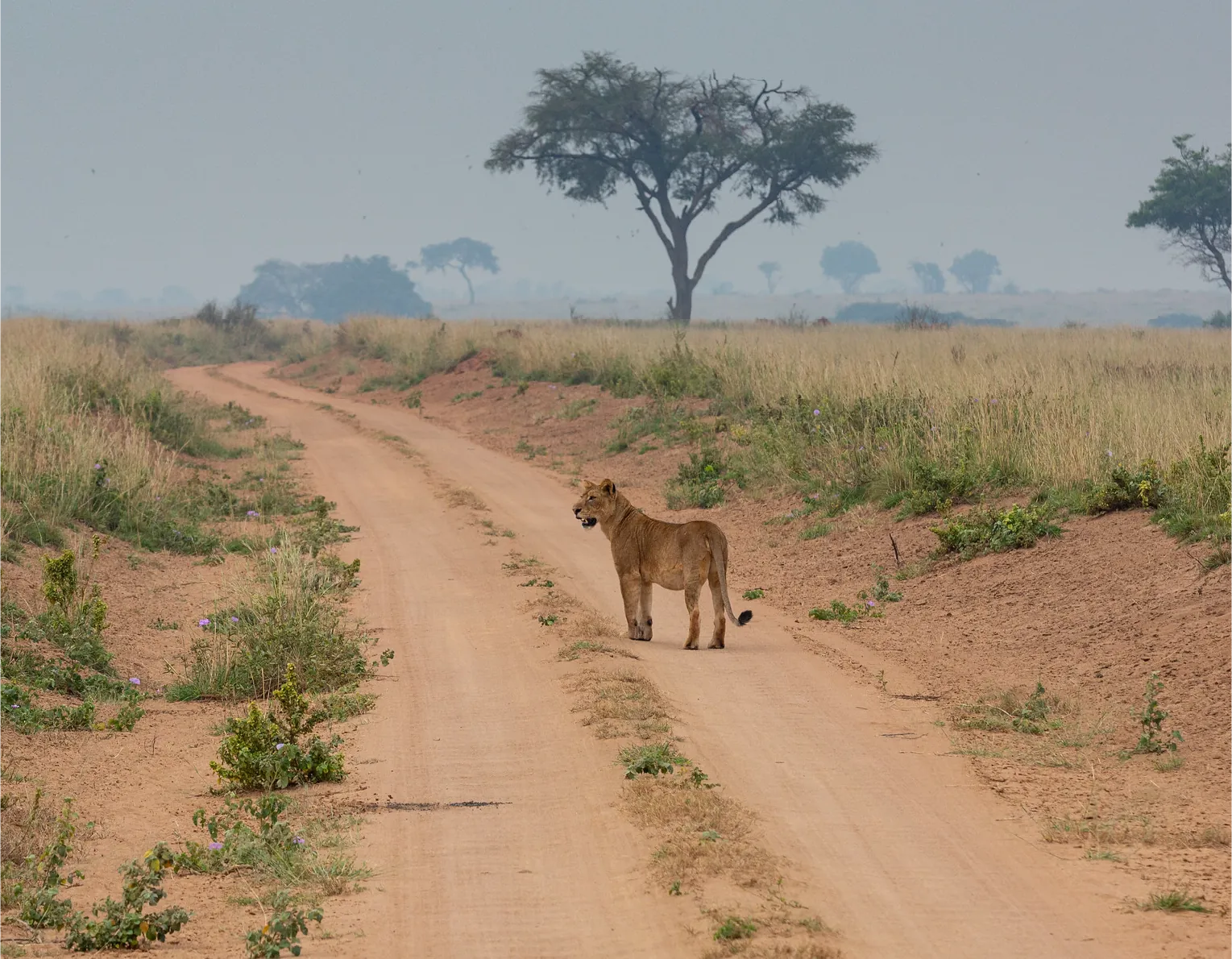
Lions, leopards, cheetahs and spotted hyenas hunt where prey gathers. Maneless male lions are a talking point here, and the area's lion history is famous. The low cover helps spotting, but cats often rest in shade by day, so early and late drives pay off. Compare with the lion profile and the leopard profile.
Tracks, Heat and Dust
Tracks are at their firmest and easiest from June to October, and the long plains allow quick travel between sectors. Dust is fine and red, coating vehicles, clothes and equipment. Midday is best spent resting at camp. Journey details appear in the Nairobi to Tsavo East route and the Mombasa to Tsavo East route.
Birding and Photography
Birds gather near water, and open bush shows hornbills, starlings, shrikes, raptors and ostriches clearly. Red earth, blue sky and grey elephants make striking photographs, especially in the golden hours. Keep lenses covered between stops. See Tsavo birding and the hornbill profile.
What to Pack
Choose light, breathable clothing in earthy shades, because red dust ruins white. A hat, sunglasses, sunscreen, a scarf and a daypack with a dust cover are all useful, and a fleece covers cool dawns. Wipes and a lens cloth help. Use the packing list for a full checklist.
A Typical Dry-Season Day
Mornings start before sunrise with a drive towards the river or a favourite waterhole, when cats may still be moving and the air is cool. By mid-morning the heat builds and animals seek shade, so many guests return to camp for lunch and rest. Afternoon drives restart when the sun softens, and elephants come to drink in the late light. Sundowners at a viewpoint finish the day. Ask your guide to plan around these rhythms rather than driving through the heat, and see a day in the life of a Kenya safari for the general routine.
Who the Dry Season Suits
It suits first-time visitors, photographers and anyone combining a safari with the coast, since the dry months overlap with good beach weather. It is less suited to those who dislike heat and dust. Plan stays with where to stay in Tsavo East and routes with the Tsavo East itineraries.
Planning a Uganda safari? Send us your dates and we will build the route, permits and transport around what you want to see.
Related Tours, Guides and Resources
- Ameera Africa Safaris homepage: Uganda safaris, tours and holidays
- Uganda safari packages
- Uganda travel guide
- How to book a Uganda safari
- Plan your safari with our team
Itineraries That Include This Experience

Frequently Asked Questions
Related Uganda Safari Pages
- Tsavo East Wildlife Guide: Red Elephants, Lions, Plains Game and Birds
- Best Time to Visit Tsavo East: Dry Season Wildlife and Green Season Quiet
- Tsavo East in the Rainy Season: Green Bush, Migrant Birds and Empty Tracks
- Tsavo East and Tsavo West: Kenya's Largest Parks, Red Elephants and Mzima Springs
- Best Time to Visit Kenya: Dry Seasons, Migration Months and Coast Weather
- Kenya in August: Peak Migration, Peak Crowds and How to Safari Well in the Busiest Month
- Lake Nakuru in the Dry Season: Rhinos, Woodland Drives and Lakeshore Birds
- Lake Nakuru in the Rainy Season: Waders, Green Hills and Rising Water
- Kenya Safari and Travel Guides: Masai Mara, Amboseli, Tsavo, Samburu and the Coast
Ready to Plan Your Uganda Safari?
Tell us your dates, group size and interests and our Kampala team will reply with a clear, personal itinerary.
Back to the Ameera Africa Safaris homepage for gorilla trekking safaris in Uganda, our featured tours and the latest Uganda park fees.