
Altitude, Cold Mornings and What to Wear in East Africa Highland Parks
Many East African parks sit well above sea level, so mornings and nights can be genuinely cold, and the sensible approach is layers, warm sleeping arrangements and a gradual approach to higher places.
East Africa is on the equator but it is not uniformly hot. The Rift Valley, the highland plateaus and the volcano country are high, and temperatures there drop sharply after dark and in the early morning, especially in the cooler months and under cloud or rain.
This page explains which places feel cold, how altitude can affect travellers, and what to wear and pack. For serious mountain climbing, speak to a clinician and a registered operator.
This guide is part of our Uganda facts and travel information guide. When you are ready to plan, see our Uganda safari packages or the Ameera Africa Safaris Uganda tours homepage.
At a glance
- Cold places: Ngorongoro rim, Aberdares, Mount Kenya, Bwindi, Volcanoes
- Coldest times: Dawn and after dark
- Layers: Base, fleece, windproof, rain
- Altitude: Move up gradually and listen to your body
- Lodges: Fires, blankets and hot water bottles are common
Where It Gets Cold
Highland destinations include the rim of the Ngorongoro Crater, which sits well above two thousand metres, the Aberdares and Mount Kenya regions, Bwindi, Volcanoes National Park, Mgahinga, Nyungwe, Mount Elgon and the Rwenzori. Cooler weather also reaches parts of the Mara and Serengeti plains at dawn. Rain makes everything feel colder. Low-lying parks and the coast are warmer. Check the elevation profile of your itinerary and plan clothing accordingly.
Early Morning Game Drives
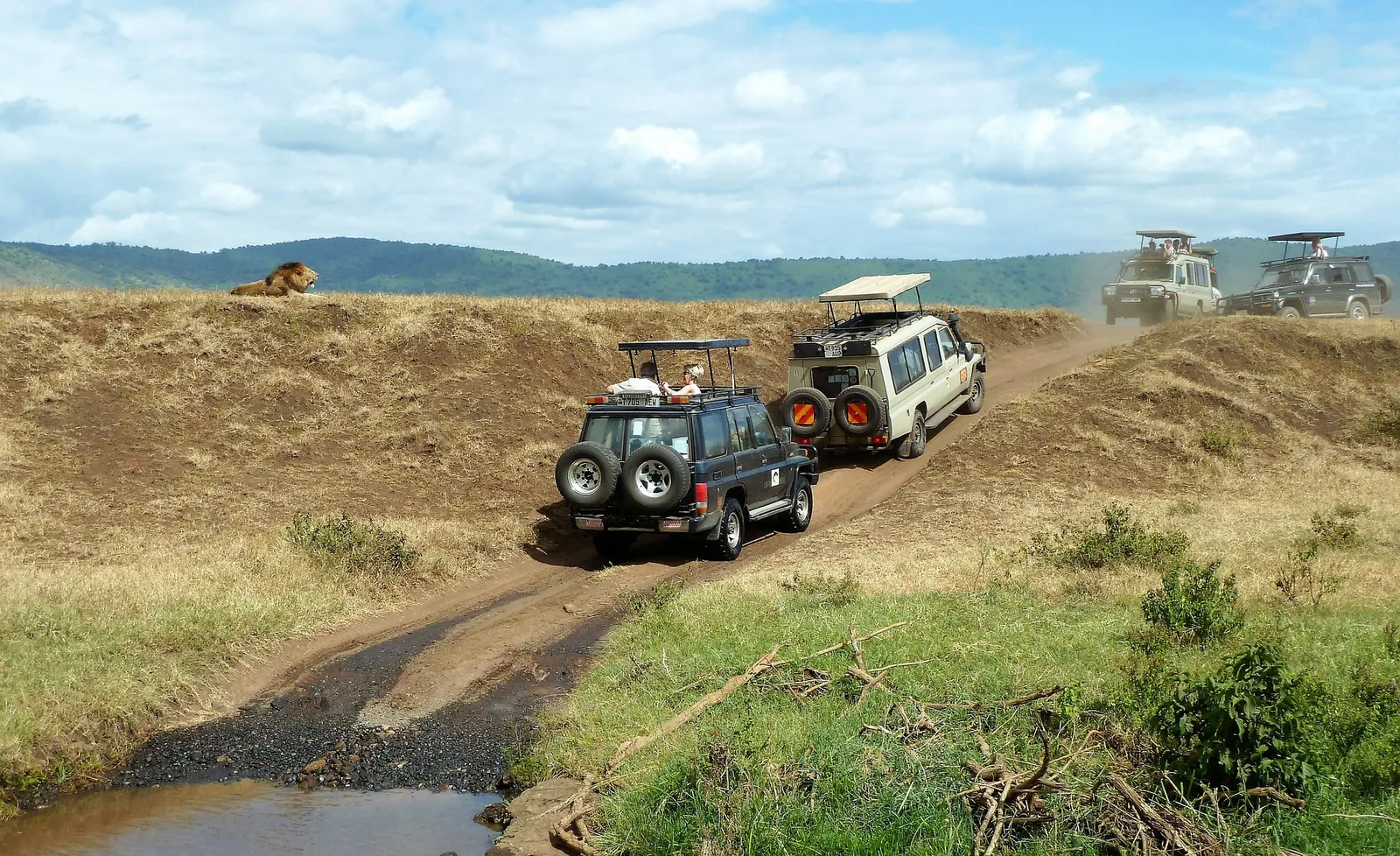
Open-sided safari vehicles are exhilarating, but dawn can be cold and windy, especially when driving between sightings. Dress in layers you can remove as the sun rises: a thermal base layer, a fleece, and a windproof jacket, plus a warm hat and gloves in the colder places. Many lodges provide blankets or ponchos in vehicles, and hot drinks stops are part of the ritual. A scarf helps with dust and wind. By mid-morning you may be down to a T-shirt. Read game drives explained for how the day runs.
Cold Nights and Lodge Comfort
In highland lodges, rooms are usually heated by fireplaces, wood stoves or hot water bottles slipped into the bed during dinner, and extra blankets are available on request. Tented camps at altitude provide warm bedding, but you should still bring warm sleepwear. Showers can be quick, so plan dressing in layers. If you feel the cold, ask the staff, who deal with it every night. Not every lodge in the region has heating in the bathroom, so a warm dressing gown is useful. See accommodation types and where to stay at Ngorongoro.
Forest Treks in Cool, Wet Conditions
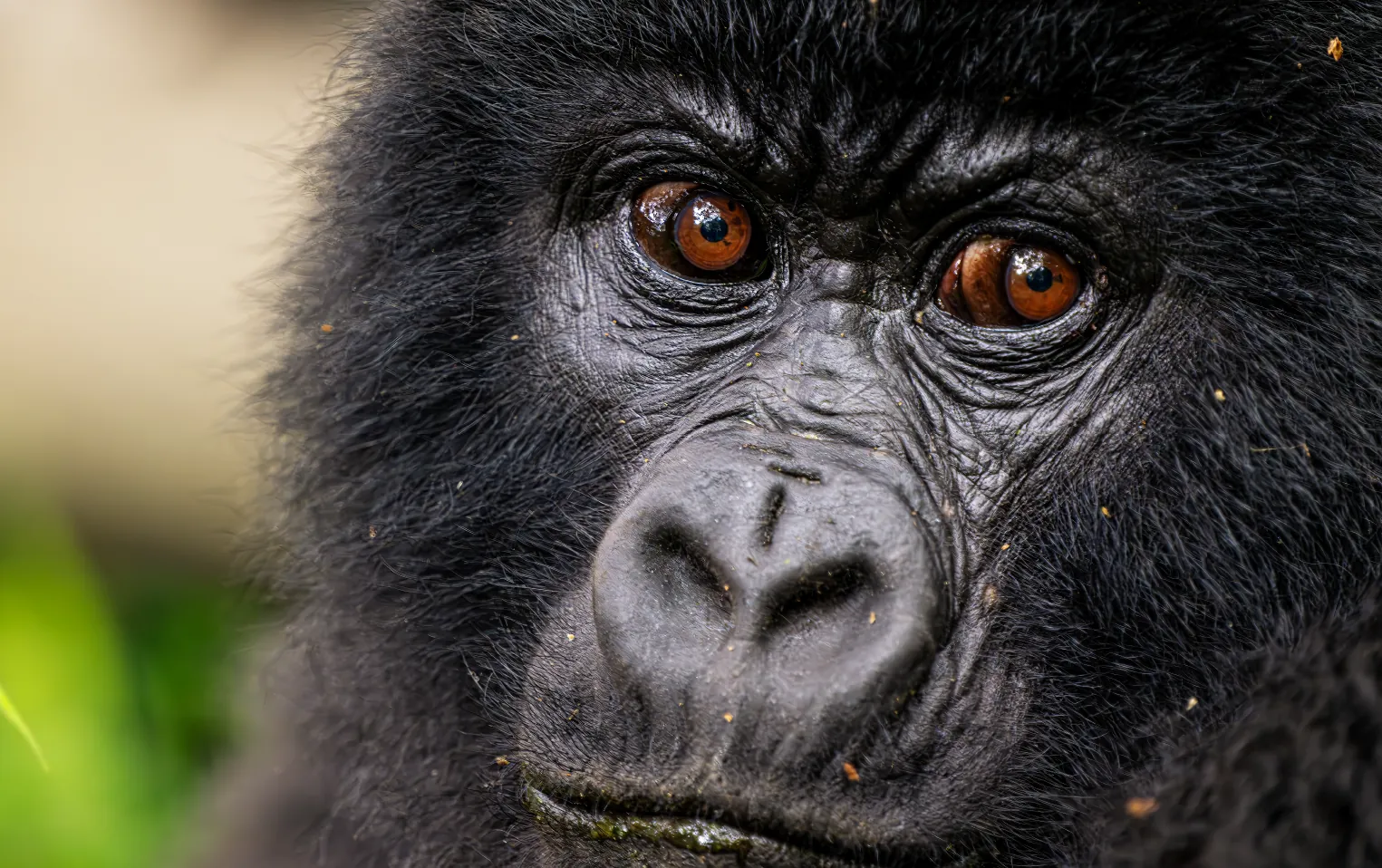
Gorilla and chimpanzee treks often take place in cool, damp forest on steep ground. The effort heats you up while rain and mist chill you, so wear moisture-managing layers, a waterproof jacket and trousers, sturdy boots, gaiters if offered, gardening gloves and a hat. Pack dry clothes for after the trek and a plastic bag for wet items. Porters can carry bags, and they are valued members of the experience. Read the practical notes in gorilla trek day in the life and Bwindi trekking sectors.
How Altitude Affects Travellers
At higher elevations the air holds less oxygen, which can make you breathe harder, tire faster and sleep poorly. Most safari destinations are high enough to notice but not to cause serious problems for healthy travellers. Mountains such as Kilimanjaro, Mount Kenya and the Rwenzori reach much greater heights, where altitude sickness is a real concern. Symptoms can include headache, nausea and dizziness. Drink water, take it slowly, avoid heavy alcohol and tell your guide if you feel unwell. Anyone with heart, lung or blood conditions should consult a doctor. See Kilimanjaro altitude guide.
A Layering Plan
Pack a lightweight thermal layer, a long-sleeved shirt, a fleece or light down jacket, a windproof and waterproof outer layer, a warm hat, thin gloves, a scarf and warm socks. Add comfortable closed shoes and sandals for lodges. Choose neutral colours and quick-drying materials. Dress in layers so that you can adapt to changes within a few hours, because the day can move from cold to hot and back again. Do not forget sun protection even in cool air; see sun, heat and hydration. The packing list has the full set.
Seasons, Planning and Health
Cold is more noticeable in the cooler dry months and in the rains, and it is most extreme at altitude. Check month-by-month patterns in best time to visit East Africa. If you bring children or older travellers, think about warm clothing and rest. Discuss any medicine for altitude only with a clinician, who can advise on whether it is appropriate for you; see safari first aid kit. Combined trips that mix coast and highlands need two wardrobes, so pack flexibly.
Planning a Uganda safari? Send us your dates and we will build the route, permits and transport around what you want to see.
Related Tours, Guides and Resources
- Ameera Africa Safaris homepage: Uganda safaris, tours and holidays
- Uganda safari packages
- Uganda travel guide
- How to book a Uganda safari
- Plan your safari with our team
Itineraries That Include This Experience
Frequently Asked Questions
Related Uganda Safari Pages
- Rwanda Gorilla Trekking: Volcanoes National Park, Permits, Families and How a Trek Works
- Kilimanjaro Wildlife Guide: Forest Monkeys, Birds and the Plants of Each Climate Zone
- Things to Do at Mount Kenya: Trekking, Birding, Fly Fishing and Forest Walks
- East Africa Safari FAQs: Answers to Common Questions Before You Book
- What Language Is Spoken in Uganda? Official Languages and Local Tongues
- How Many Tribes Are in Uganda? Ethnic Groups and Peoples of Uganda
- Uganda Currency: The Ugandan Shilling (UGX), Notes, Coins and Exchange
- East Africa Travel Guides: Tanzania, Kenya, Rwanda, Burundi and DR Congo
Ready to Plan Your Uganda Safari?
Tell us your dates, group size and interests and our Kampala team will reply with a clear, personal itinerary.
Back to the Ameera Africa Safaris homepage for Uganda safari packages, our featured tours and the latest Uganda park fees.