
Masai Mara in the Rainy Season: Green Landscapes, Birds and Quiet Drives
In the rainy season the Masai Mara turns green, skies grow dramatic, birds and young animals are plentiful and visitor numbers fall, though some tracks become muddy and weather needs flexibility.
The long rains usually fall from about March to May, with shorter rains around November and December. Conditions vary from year to year, and rain often arrives as afternoon storms rather than all-day downpours. Many travellers find the green months more atmospheric than the dry period, with fewer vehicles and soft light.
This page explains what the rainy season is like, how wildlife behaves, what to expect from roads, birds and photography, and who it suits. A companion page covers the dry months for comparison.
This guide is part of our Uganda month-by-month and seasonal guide. When you are ready to plan, see our Uganda safari packages or the Ameera Africa Safaris Uganda tours homepage.
At a glance
- Long rains: About March to May
- Short rains: About November to December
- Landscape: Green, lush and misty
- Roads: Muddy in places; slower driving
- Suits: Birders, photographers, quiet-seekers
What the Landscape Looks Like
Rain turns the plains vivid green within weeks, and wildflowers can appear in open areas. Skies are often dramatic, with towering clouds, rainbows and soft light in the late afternoon. The grass grows tall, which can make small animals harder to see but provides food for grazers. Rivers rise and black cotton soil becomes sticky, so drivers pick routes carefully. Mornings can be clear and bright before showers arrive.
Wildlife in the Green Season
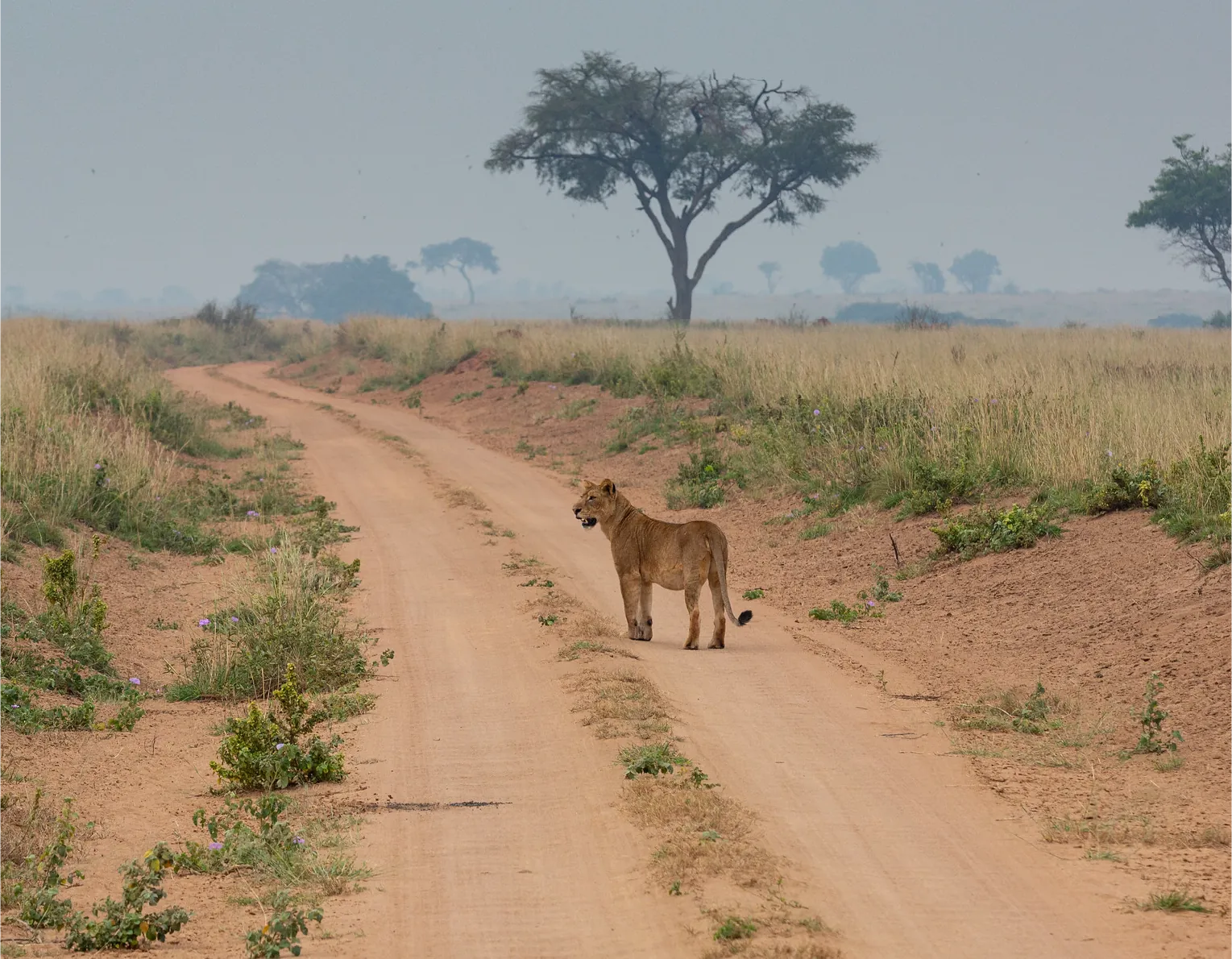
Herbivores spread across the reserve because water and grass are widespread, so animals are less concentrated near rivers. Many plains animals give birth in or around the wetter months, which brings young animals and the predators that follow them. Resident big cats remain, though tall grass can hide them. For general species information see the Masai Mara wildlife guide and the big cats and game drive guide.
Roads and Travel Conditions
Wet black cotton soil can slow vehicles or restrict certain tracks, and some camps reduce activity or close for part of the long rains. Drivers are experienced, but flexibility is important, and you should allow extra time for transfers. Flights are usually less affected than road travel, though weather can still cause delays. See how to get to the Masai Mara and the Nairobi to Masai Mara road and flight guide.
Birding in the Rainy Season
The wet months suit birders. Resident species are in breeding plumage, nests are busy, and migrants from Europe and Asia are present from around October to April. Waterbirds appear at temporary pools, and raptors hunt over the green plains. Short, light-filled breaks between showers can be superb for watching. See Masai Mara birding and the Kenya migrant birds guide.
Photography
Cloud and rain create moody skies and saturated colours, and the light is often softer than in the dry season. Dust is less of an issue, while moisture is the main threat, so carry dry bags and lens cloths. Fewer vehicles at sightings make it easier to position yourself and take your time. A waterproof cover for the camera is a worthwhile addition.
What to Pack
Bring a light waterproof jacket, warm layers, closed shoes with grip and quick-drying clothing. Pack insect repellent, a hat and sunscreen, because bright spells still happen. Use waterproof bags for electronics. For general advice see the East Africa packing list and the Kenya long rains travel guide.
Choosing Between the Two Seasons
Neither season is better for everyone. If you want the herds and the reliable roads, the dry months are the sensible choice, and you should book early. If you value solitude, birds and soft light, the green months reward you, provided you accept slower drives and the occasional storm. Many repeat visitors try both, and the dry-season picture is described in Masai Mara in the dry season. In the wet months, ask your operator which camps are open, what the road conditions are like and whether flexible activity times are possible. Build a spare day into the plan so that a delayed transfer does not cost you a game drive.
Who the Rainy Season Suits
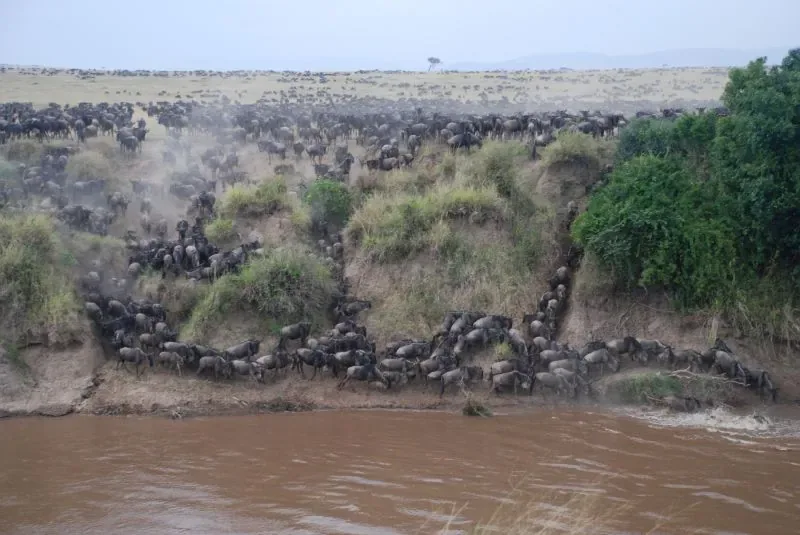
It suits travellers who prefer quieter parks, birders, photographers who enjoy dramatic skies and those who are flexible about weather. It is less suited to those who want the herds and river crossings, which usually fall in the dry months. See the Kenya green season safari itinerary for planning and the Masai Mara best time to visit guide for a full comparison.
Planning a Uganda safari? Send us your dates and we will build the route, permits and transport around what you want to see.
Related Tours, Guides and Resources
- Ameera Africa Safaris homepage: Uganda safaris, tours and holidays
- Uganda safari packages
- Uganda travel guide
- How to book a Uganda safari
- Plan your safari with our team
Itineraries That Include This Experience
Frequently Asked Questions
Related Uganda Safari Pages
- Masai Mara in the Dry Season: Conditions, Wildlife and Planning
- Masai Mara Wildlife Guide: Animals, Where They Live and When to See Them
- Best Time to Visit the Masai Mara: Month-by-Month Guide
- Masai Mara National Reserve: Great Migration, Wildlife and Best Time to Visit
- Best Time to Visit Kenya: Dry Seasons, Migration Months and Coast Weather
- Kenya Safari and Travel Guides: Masai Mara, Amboseli, Tsavo, Samburu and the Coast
- Amboseli in the Dry Season: Elephants, Dust and Kilimanjaro Views
- Amboseli in the Rainy Season: Green Plains, Birds and Quiet Roads
- Volcanoes National Park in the Rainy Season: Mud, Mist and Quieter Gorilla Treks
Ready to Plan Your Uganda Safari?
Tell us your dates, group size and interests and our Kampala team will reply with a clear, personal itinerary.
Back to the Ameera Africa Safaris homepage for gorilla trekking safaris in Uganda, our featured tours and the latest Uganda park fees.