
Samburu in the Dry Season: Elephants, the River and the Special Five
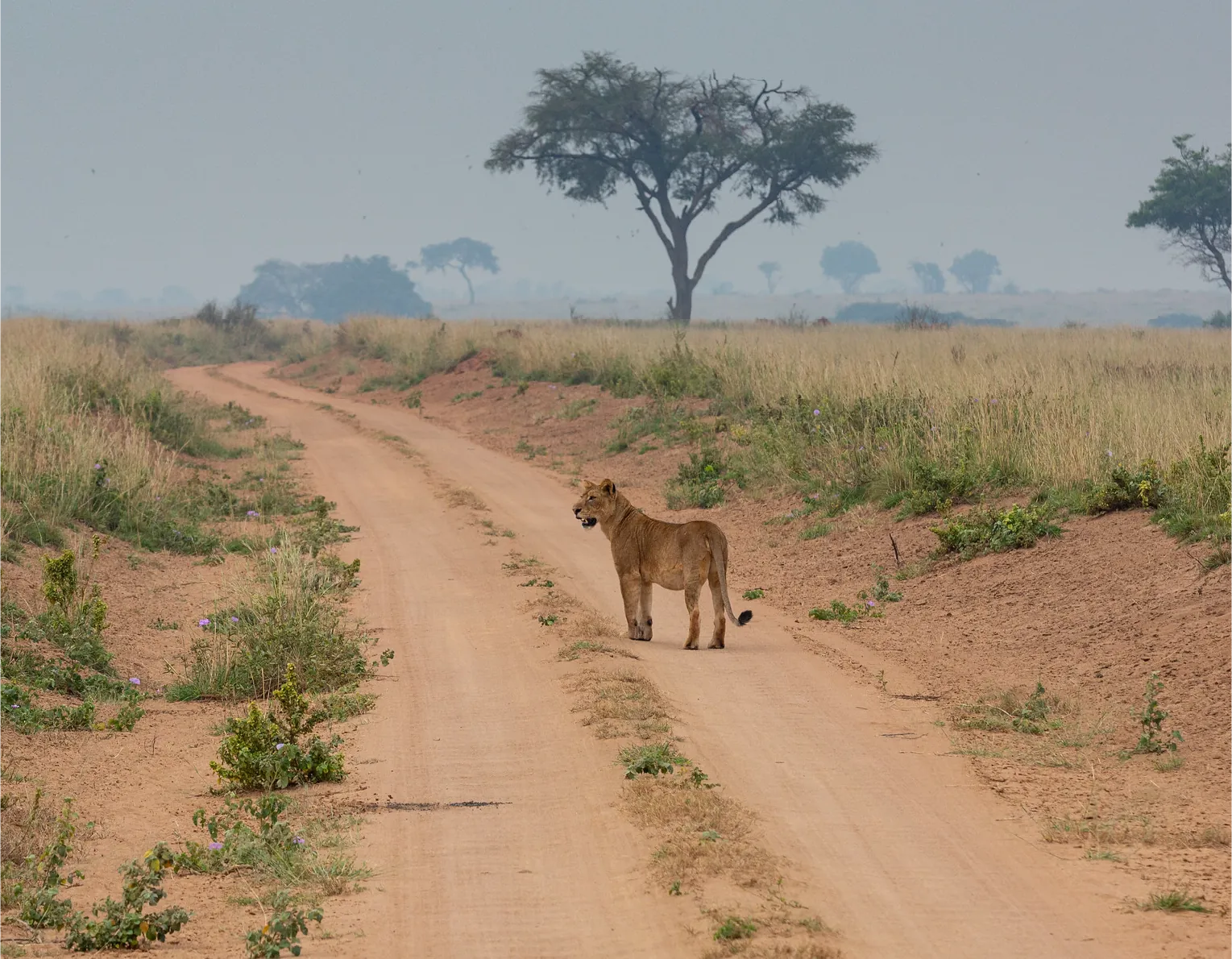
Samburu's dry months, mainly June to October with a shorter dry spell in January and February, pull elephants, giraffes and the northern specialities towards the Ewaso Nyiro River, which makes game drives productive and easy to plan.
Samburu lies in Kenya's drier north, where rain is lighter and less predictable than in the south. When the dry months arrive, the land away from the river turns pale and brittle, while the doum palms, acacias and sandy banks along the water become the centre of animal life. Many of the best sightings happen within sight of the river.
This page explains what the dry season is actually like on the ground: wildlife behaviour, tracks, birds, photography, clothing and the kind of traveller it suits. For the wetter side of the year read Samburu in the rainy season, and for a year-round overview see the Samburu best-time guide.
This guide is part of our Uganda month-by-month and seasonal guide. When you are ready to plan, see our Uganda safari packages or the Ameera Africa Safaris Uganda tours homepage.
At a glance
- Main dry period: June to October
- Shorter dry spell: January and February
- Wildlife focus: Ewaso Nyiro River
- Ground: Firm, dusty tracks
- Suits: First-timers and photographers
How the Dry Season Unfolds
| Period | Character |
|---|---|
| January and February | A shorter dry spell after the short rains, with clear skies and warm days |
| March to May | The long rains, covered on the rainy-season page |
| June to October | The main dry season, with dust building as the months pass |
| November and December | Short rains return and the scrub greens up |
Rain in the north is patchy, so these periods are guides rather than fixed dates. In a dry spell the reserve reads like a map of water: the river, a few permanent springs and the swampy patches beside them hold most of the animals, and the rest of the country is quiet.
Wildlife at the River
Elephant families come to drink and bathe in the afternoon, and calves splash in the shallows while adults dig for water in the sand. Buffalo, waterbuck and baboons use the same banks, and Nile crocodiles lie on the sandbars. Lions, leopards and cheetahs hunt where prey gathers, so patient drives along the riverine strip are often rewarded. Read the Samburu wildlife guide for the full cast and the elephant profile for background on their behaviour.
The Special Five in Open Scrub
With less leaf cover, the northern specialities are easier to find. Reticulated giraffe browse the acacias, Grevy's zebra graze the open flats, and beisa oryx and Somali ostrich cross the plains. Gerenuk, the long-necked antelope that stands on its hind legs to feed, is often seen in thornbush. Learn more in the special five guide, the Grevy's zebra profile and the gerenuk profile.
Tracks, Heat and Dust
Tracks are firm and quick in the dry months, so drives cover more ground, though some stretches are corrugated and every passing vehicle raises dust. Midday is hot, and most guests rest at camp between an early drive and a late afternoon one. Dry riverbeds that flood in the rains are easy to cross. Plan the journey with the Nairobi to Samburu route guide and keep cameras in sealed bags.
Birding and Photography
Birds concentrate near water, which suits both beginners and photographers. Vulturine guineafowl, golden-breasted starling and hornbills are regular on the open ground, and raptors watch from dead trees. Clear light and low vegetation give clean frames, although dust can soften distant shots. Find species notes in Samburu birding and technique in the photography safari guide.
What to Pack
Take light long-sleeved shirts in neutral tones, a wide-brimmed hat, sunglasses, sunscreen and a scarf or buff for dust. Mornings in an open vehicle can feel cool, so add a fleece. Lip balm and eye drops help in the dry air. Use the East Africa packing list and what to wear on safari in Kenya as checklists.
Who the Dry Season Suits
It suits first-time visitors, photographers, families who want reliable weather and anyone with only two or three nights to spend. It is less suited to travellers who want green landscapes and quiet tracks. Samburu pairs naturally with the highlands, as shown in the Mount Kenya and Laikipia itinerary and the Samburu itineraries. For places to sleep see where to stay in Samburu.
Planning a Uganda safari? Send us your dates and we will build the route, permits and transport around what you want to see.
Related Tours, Guides and Resources
- Ameera Africa Safaris homepage: Uganda safaris, tours and holidays
- Uganda safari packages
- Uganda travel guide
- How to book a Uganda safari
- Plan your safari with our team
Itineraries That Include This Experience

Frequently Asked Questions
Related Uganda Safari Pages
- Samburu Wildlife Guide: The Special Five, Elephants, Big Cats and River Life
- Best Time to Visit Samburu: Dry Months, Green Season and River Wildlife
- Samburu in the Rainy Season: Green Scrub, Migrant Birds and Quiet Tracks
- Samburu National Reserve and the Special Five: Northern Kenya's Dry-Country Wildlife
- Best Time to Visit Kenya: Dry Seasons, Migration Months and Coast Weather
- Kenya in July: The Great Migration Arrives and the Mara River Crossings Begin
- Tsavo East in the Dry Season: Red Elephants, Open Plains and Waterholes
- Tsavo East in the Rainy Season: Green Bush, Migrant Birds and Empty Tracks
- Kenya Safari and Travel Guides: Masai Mara, Amboseli, Tsavo, Samburu and the Coast
Ready to Plan Your Uganda Safari?
Tell us your dates, group size and interests and our Kampala team will reply with a clear, personal itinerary.
Back to the Ameera Africa Safaris homepage for Uganda safari holidays, our featured tours and the latest Uganda park fees.