
Ngorongoro in the Rainy Season: Green Crater, Misty Rim and Quiet Drives
In the rainy season the Ngorongoro Crater turns lush, its rim wraps in mist and cloud, wildlife remains reliable on the floor and visitors are fewer, though the roads can be wet and the weather changes quickly.
The crater is one of the few places where wildlife stays put through the seasons, so rain changes the scenery more than the sightings. Grass grows, streams flow and the swamps swell. The rim, which sits high above the plains, becomes cool and cloud-draped, and views come and go.
This page explains conditions, wildlife, birds, roads and photography, plus packing and suitability. Compare it with Ngorongoro in the dry season and read the Tanzania green season itinerary for planning.
This guide is part of our Uganda month-by-month and seasonal guide. When you are ready to plan, see our Uganda safari packages or the Ameera Africa Safaris Uganda tours homepage.
At a glance
- Long rains: About March to May
- Short rains: About November and December
- Floor: Green and lush
- Rim: Misty and cold
- Suits: Photographers, birders, quiet-season travellers
Wet Months at the Crater
| Months | What to expect |
|---|---|
| March to May | The long rains, with heavy showers, low cloud and the quietest drives |
| June to October | The long dry season, covered on the dry-season page |
| November and December | The short rains, with lighter showers |
| January and February | A drier, greener period |
Showers often arrive in the afternoon, leaving mornings clearer. The rim can stay in cloud for long periods, so treat any view as a bonus.
Wildlife in a Green Caldera
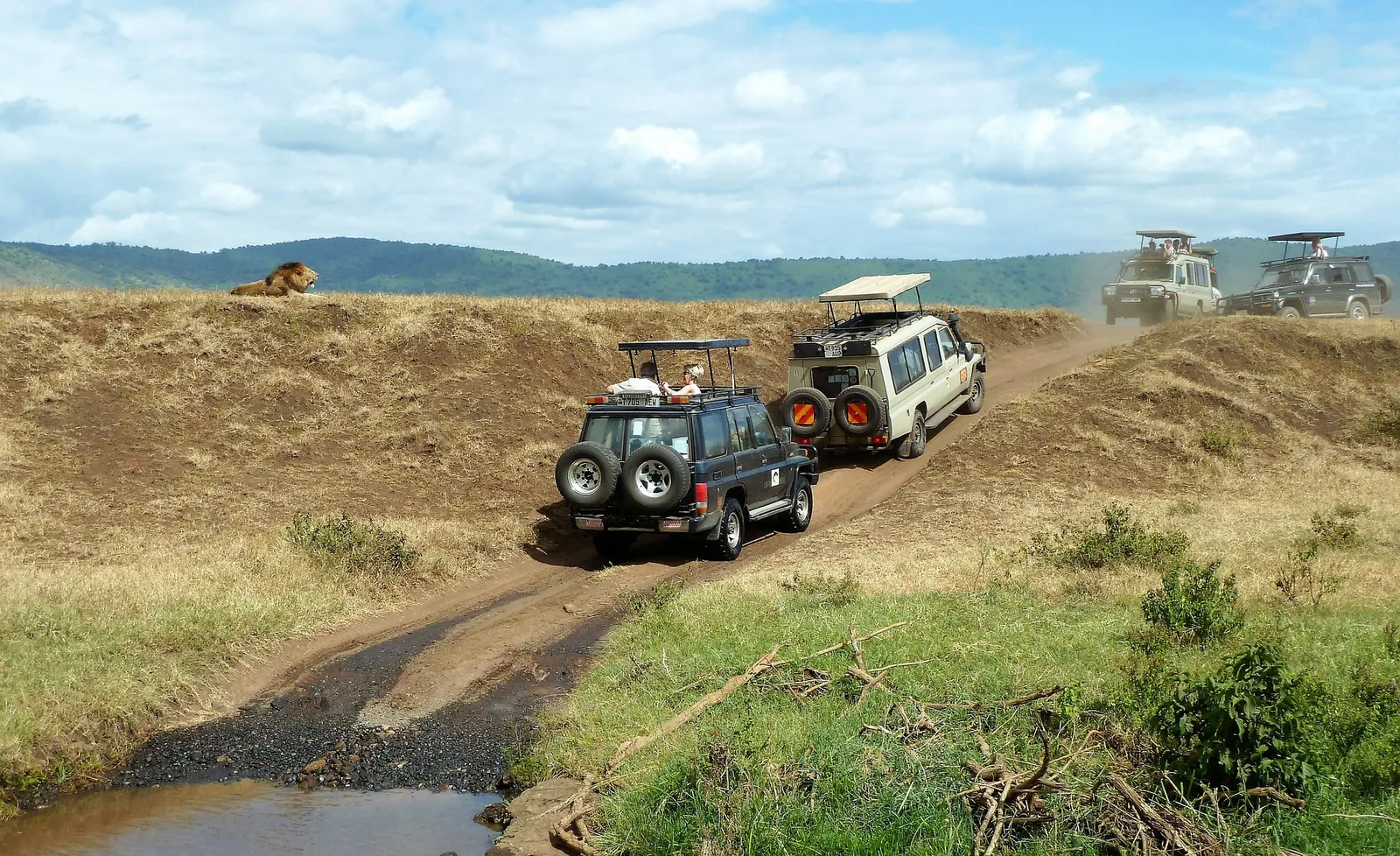
Resident herds of wildebeest, zebra and gazelle graze fresh grass, and calves and foals appear. Lions, hyenas and jackals remain active, and elephants and buffalo move between forest and swamp. Tall grass hides some animals but the open floor still gives good views. Read the crater wildlife guide and the lion profile.
Birds in the Wet Months
Rain triggers breeding and migrants arrive from about November to April. Lake Magadi and the pools attract waterbirds, while grassland holds cranes, plovers, larks and raptors. Weavers display in the swamps. See Ngorongoro birding, the crowned crane profile and the Tanzania birding calendar.
Roads and Descent
Steep crater roads become slippery after heavy rain, and guides may delay or adjust descents. Floor tracks can be muddy, so drives may be slower. Allow flexibility and an extra night if possible. Plan the approach with how to get to Ngorongoro and the Arusha to Ngorongoro route.
Photography in Soft Light
Cloud softens contrast, mist adds atmosphere to the rim and fresh green makes animals stand out. Rainbows over the caldera are possible. Use rain covers, keep spare lens cloths and shoot early before cloud builds. See the photography safari guide.
What to Pack
Bring a waterproof jacket, a warm fleece, a hat, gloves for cold rim mornings, closed shoes with grip and quick-drying trousers. Cameras need dry bags. Check the packing list and the health and vaccinations guide.
Planning Around the Weather
Mornings in the wet months are often clearer than afternoons, so plan the crater descent early and keep the afternoon for the rim or a slower activity. If cloud sits on the rim, the floor may still be clear, and the descent can reveal a different world beneath the mist. Ask your guide for a flexible schedule, and consider two nights so that one wet day does not decide the trip. Read the Ngorongoro crater itineraries and the area beyond the crater.
Health and Cold in the Wet Months
Cold, damp air at the rim is more of a challenge than rain itself, so bring proper insulation and a warm hat. At lower elevations insects may be present after rain, and malaria advice should come from a doctor or travel clinic before travel. Quick-drying layers and a spare pair of socks are good insurance. Follow official guidance for vaccinations and health matters, as described in the East Africa health and vaccinations guide and the Tanzania health and malaria guide.
Who the Green Season Suits
It suits birders, photographers, repeat visitors and anyone who prefers fewer vehicles at sightings. It is less suited to travellers who must have clear rim views. Combine it with the plains using Serengeti in the rainy season and where to stay at Ngorongoro.
Planning a Uganda safari? Send us your dates and we will build the route, permits and transport around what you want to see.
Related Tours, Guides and Resources
- Ameera Africa Safaris homepage: Uganda safaris, tours and holidays
- Uganda safari packages
- Uganda travel guide
- How to book a Uganda safari
- Plan your safari with our team
Itineraries That Include This Experience
Frequently Asked Questions
Related Uganda Safari Pages
- Ngorongoro Crater Wildlife Guide: Lions, Rhinos, Elephants and Flamingos
- Best Time to Visit Ngorongoro Crater: Seasons, Weather and Crowds
- Ngorongoro in the Dry Season: Crater Floor Wildlife, Rim Views and Cool Mornings
- Ngorongoro Crater: What It Is, Wildlife and How to Visit
- Tanzania in April: Peak Long Rains, Green Season Safaris and Quiet Parks
- Tanzania in December: Short Rains, Festive Safaris and Herds Heading South
- Tarangire in the Dry Season: Elephants, Baobabs and the River Gathering
- Tarangire in the Rainy Season: Green Woodland, Dispersed Herds and Migrant Birds
- Lake Manyara in the Dry Season: Shrinking Lake, Elephants and Escarpment Views
- Tanzania Safari and Travel Guides: Serengeti, Ngorongoro, Kilimanjaro and Zanzibar
Ready to Plan Your Uganda Safari?
Tell us your dates, group size and interests and our Kampala team will reply with a clear, personal itinerary.
Back to the Ameera Africa Safaris homepage for Uganda safari holidays, our featured tours and the latest Uganda park fees.