
Serengeti in the Rainy Season: Calving Plains, Green Landscapes and Quiet Camps
The Serengeti's rainy season brings green plains, the herds' return to the south for calving, migrant birds and far fewer visitors, in exchange for changeable weather and some slower tracks.
After the short rains from about November and December, the southern and eastern plains fill with fresh grass, and the great herds commonly gather there from around December to March. Predators follow, and the landscape turns from gold to green under towering clouds. It is a very different Serengeti from the dry months.
This page covers calving, wildlife, tracks, birds, photography and packing, and who the green season suits. Compare it with Serengeti in the dry season and read the calving season itinerary for a plan.
This guide is part of our Uganda month-by-month and seasonal guide. When you are ready to plan, see our Uganda safari packages or the Ameera Africa Safaris Uganda tours homepage.
At a glance
- Short rains: About November and December
- Long rains: About March to May
- Calving: Often around February in the south
- Landscape: Green plains, dramatic skies
- Suits: Photographers, birders, quiet-season travellers
How the Wet Seasons Run
| Months | What to expect |
|---|---|
| November and December | Short rains, with showers and fresh grass as herds move south |
| January to March | Often the calving period on the southern plains, with a mix of showers and sun |
| April and May | The long rains, the wettest and quietest months |
| June onwards | Drying out, covered on the dry-season page |
The pattern varies each year, and herd positions follow rain rather than dates. Ask your operator how the season is developing before choosing a camp area.
Calving on the Southern Plains
Many wildebeest calves are born in a short window, often around February, and the plains are crowded with newborns. The abundance draws lions, hyenas, cheetahs and jackals, so predator action is frequent. Remember that nature is harsh and viewing can be emotional. See the wildebeest profile, the migration calendar and the migration safari itinerary.
Resident Wildlife in Green Country
Away from the herds, elephants, giraffes, buffalo and hippos remain in the central and northern areas, and kopjes still hold lions and leopards. Long grass can hide animals, and guides rely on tracks, calls and behaviour. Read the Serengeti wildlife guide and the regions guide.
Tracks and Weather
Rain makes parts of the park soft, especially in the north and west, and in the heaviest weeks some camps close. Afternoon storms are common, while mornings are often clear. Allow flexibility and consider flying between airstrips, as discussed in how to get to the Serengeti and the Tanzania domestic flights guide.
Birds and Photography
From about November to April, migrant birds from Europe and Asia join residents, and storks, eagles and rollers add colour. Dramatic skies, rainbows and green backdrops give photographers strong light. Bring rain covers and keep lenses dry. See Serengeti birding and the Tanzania birding calendar.
What to Pack
Take a waterproof jacket, quick-drying clothes, closed shoes, a hat, sunscreen and repellent. A warm layer covers cool mornings. Pack cameras in dry bags. Use the packing list and the health and vaccinations guide for malaria precautions.
Choosing Where to Base Yourself
During the calving period the southern plains and the Ndutu area are the usual focus, while the central Serengeti around Seronera offers resident wildlife whatever the herds do. Some camps in the north and west close in the wettest weeks, so ask which areas are open. A mobile camp can follow the herds, and a lodge near water gives steadier viewing. Compare options in where to stay in southern Serengeti and the Serengeti where-to-stay guide.
Predators, Ethics and Expectations
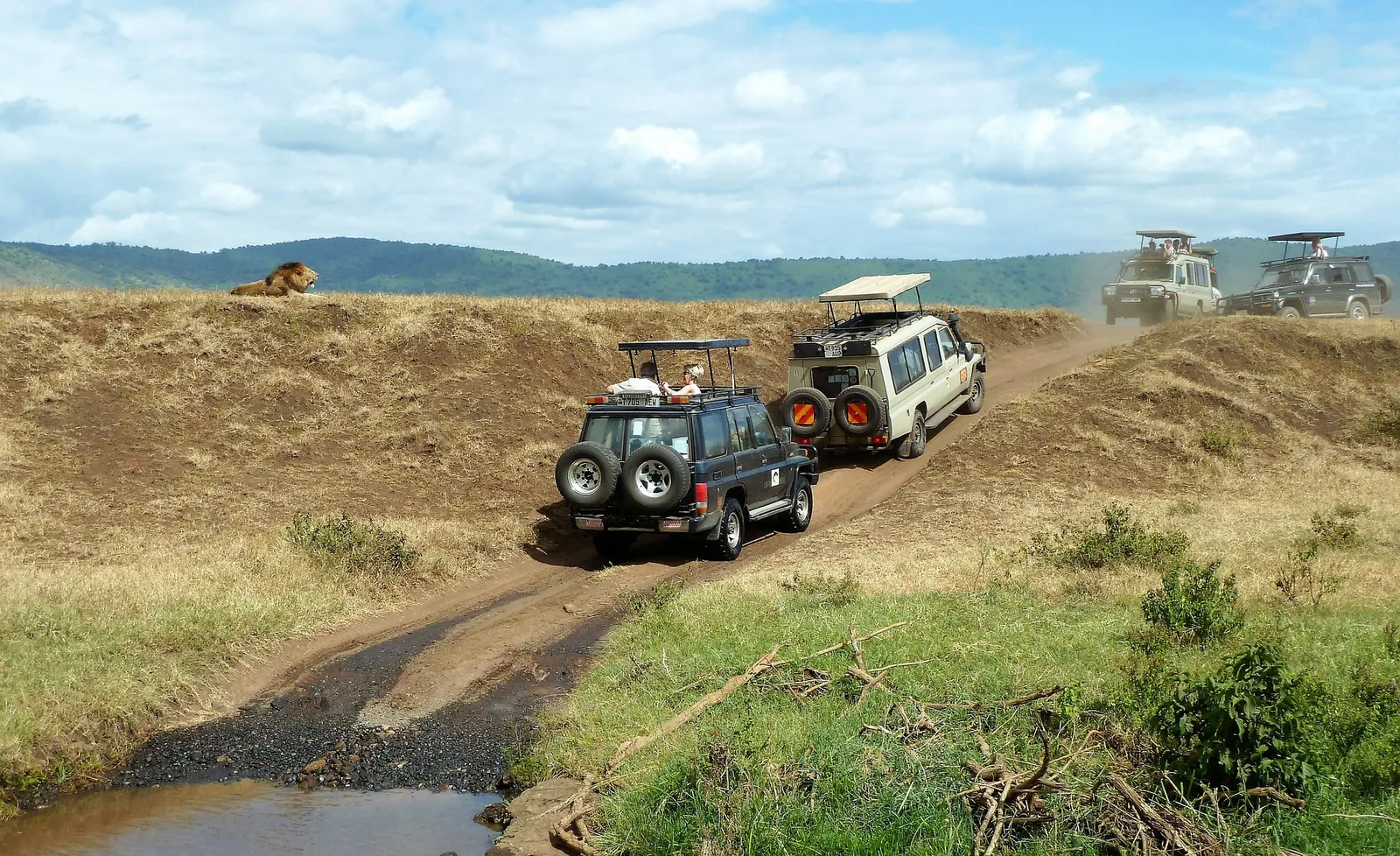
Calving season brings intense predator activity, and travellers should expect hunts and kills as part of the natural cycle. Guides follow park rules on distance and vehicle numbers, and good ones keep sightings calm. Do not expect any single event on a given day, because wildlife is not scheduled. Families should talk beforehand about what they may see. Learn more in the safari etiquette and safety rules and the hyena profile.
Who the Green Season Suits
It suits photographers, birders, repeat visitors and travellers who prefer quiet camps and softer light. It is less suited to anyone who needs perfect weather every day. Plan with the Tanzania green season itinerary and where to stay in the Serengeti. Mix in the crater using Ngorongoro in the rainy season.
Planning a Uganda safari? Send us your dates and we will build the route, permits and transport around what you want to see.
Related Tours, Guides and Resources
- Ameera Africa Safaris homepage: Uganda safaris, tours and holidays
- Uganda safari packages
- Uganda travel guide
- How to book a Uganda safari
- Plan your safari with our team
Itineraries That Include This Experience
Frequently Asked Questions
Related Uganda Safari Pages
- Serengeti Wildlife Guide: Lions, Leopards, Cheetahs and the Migration
- Best Time to Visit the Serengeti: Migration, Calving and Seasons by Month
- Serengeti in the Dry Season: Migration Herds, Predators and Wide Golden Plains
- Serengeti National Park: Location, Wildlife, Migration and Best Time
- Tanzania Calving Season Itinerary: The Southern Serengeti and Ndutu in Early Year
- Tanzania in February: Calving Season, Predators and the Driest Window on Kilimanjaro
- Ngorongoro in the Dry Season: Crater Floor Wildlife, Rim Views and Cool Mornings
- Ngorongoro in the Rainy Season: Green Crater, Misty Rim and Quiet Drives
- Tarangire in the Dry Season: Elephants, Baobabs and the River Gathering
- Tanzania Safari and Travel Guides: Serengeti, Ngorongoro, Kilimanjaro and Zanzibar
Ready to Plan Your Uganda Safari?
Tell us your dates, group size and interests and our Kampala team will reply with a clear, personal itinerary.
Back to the Ameera Africa Safaris homepage for Uganda safaris, our featured tours and the latest Uganda park fees.