
Tanzania Migration Safari Itinerary: Following the Wildebeest Through the Year
A migration safari follows the wildebeest, so the right itinerary depends on the month: south for calving, centre and west in the middle of the year and north for river crossings.
The Great Migration is a continuous circular movement rather than a single event, and herds are always somewhere in the Serengeti ecosystem. Choosing the right region for your dates is the key.
These plans show three seasonal itineraries and how to combine them with other parks.
This guide is part of our Uganda road routes and driving guide. When you are ready to plan, see our Uganda safari packages or the Ameera Africa Safaris Uganda tours homepage.
At a glance
- Calving: South, about Jan to Mar
- Mid-year: Centre and west
- River crossings: North, about Jul to Oct
- Stay: At least 3 nights
- Approach: Flexible dates
How the Migration Moves
Roughly, the herds spend the early months on the southern plains, move north-west through the central and western areas around the middle of the year, reach the north for river crossings in the dry months and return south later. Timing shifts with the rains, so no calendar is exact. Good operators track the herds and may adjust camps. Read the Serengeti migration calendar and the East Africa great migration guide.
Itinerary One: Southern Plains, January to March
- Day 1. Arrive in Arusha.
- Day 2. Tarangire or Manyara.
- Day 3. Ngorongoro highlands and crater.
- Days 4 to 6. Southern Serengeti and Ndutu, with calves and predators. See the calving season itinerary.
- Day 7. Return to Arusha.
This is the most reliable time for large herds close to camp.
Itinerary Two: Central and Western Serengeti, May to July
- Day 1. Arrive and rest.
- Day 2. Fly to central Serengeti and take an afternoon drive.
- Days 3 to 4. Explore Seronera for resident game while the herds gather.
- Days 5 to 6. Move west towards the Grumeti, where rivers can offer crossings and crocodiles.
- Day 7. Fly back to Arusha.
The herds are on the move at this time, so flexibility helps. See Serengeti regions.
Itinerary Three: Northern Serengeti, July to October
- Day 1. Arrive in Arusha.
- Day 2. Fly north, with an afternoon drive.
- Days 3 to 5. Three nights near the Mara River, spending long days at crossing points, patience required.
- Day 6. Fly to central Serengeti or return to Arusha.
River crossings are dramatic but unpredictable. Allow multiple days and accept that some will be quiet. See how to get to the Serengeti for access.
Choosing Between Tanzania and Kenya
The herds cross between the Serengeti and the Masai Mara, so some travellers consider both. Tanzania offers calving on the southern plains, which Kenya does not, while both host river crossings in the dry months. See the Masai Mara migration calendar to compare.
Season, Camps and Booking
Migration camps are popular and sometimes move with the herds, so book early and ask where the camp will be during your dates. Weather affects tracks, and flexible travellers get the most from the experience. See Serengeti best time to visit and Tanzania best time to visit.
Practical Notes
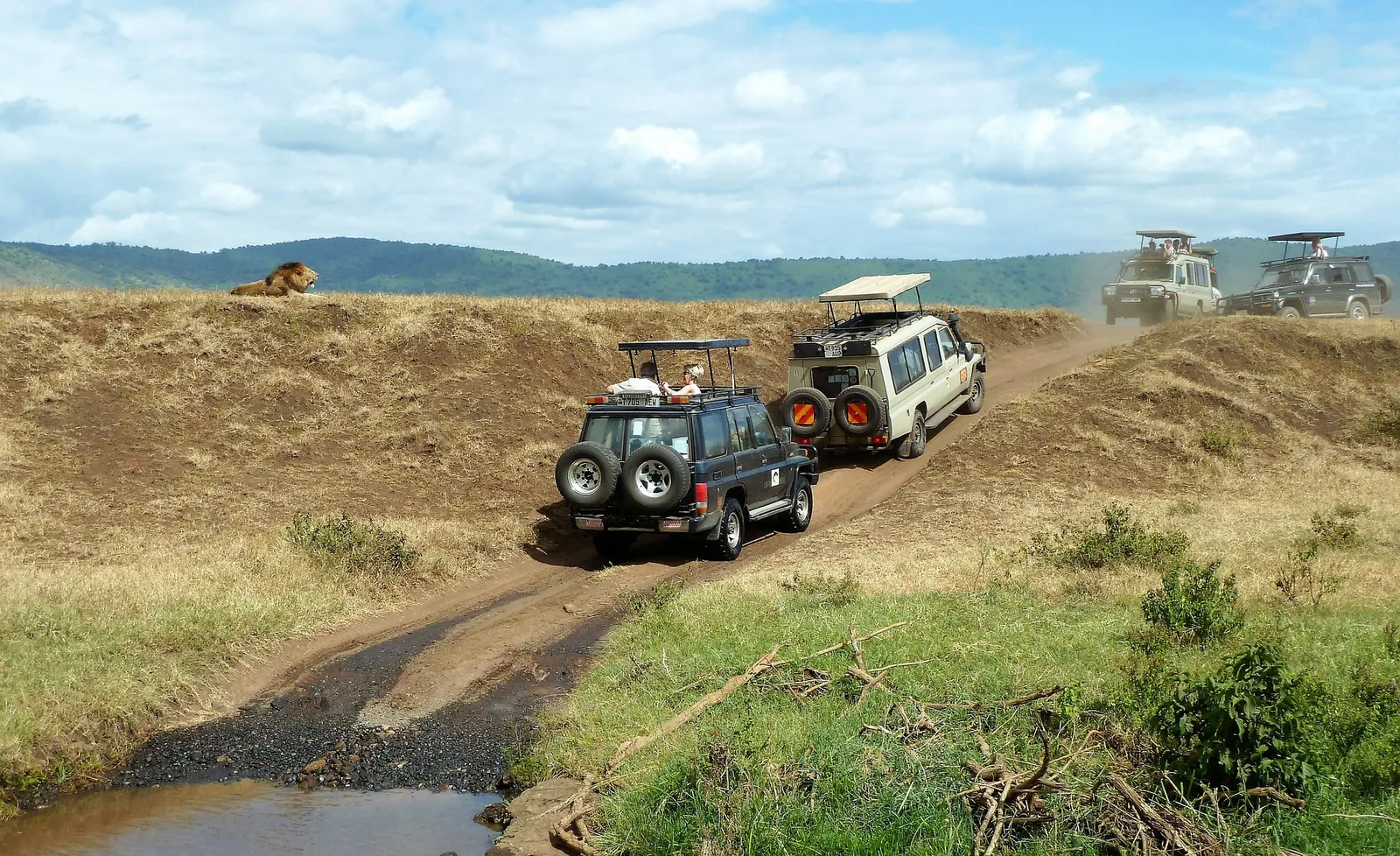
Pack warm layers for early drives, a hat and binoculars. Be patient at crossings, because animals may hesitate for hours. Respect other vehicles and your guide's positioning. Official tariffs apply, and your operator will describe what the arrangements include. See safari photography tips for capturing the action.
Planning a Uganda safari? Send us your dates and we will build the route, permits and transport around what you want to see.
Related Tours, Guides and Resources
- Ameera Africa Safaris homepage: Uganda safaris, tours and holidays
- Uganda safari packages
- Uganda travel guide
- How to book a Uganda safari
- Plan your safari with our team
Itineraries That Include This Experience
Frequently Asked Questions
Related Uganda Safari Pages
- The Great Migration in East Africa: Where and When to See It
- Serengeti Great Migration Calendar by Month: Calving, Crossings and Where the Herds Are
- Serengeti National Park: Location, Wildlife, Migration and Best Time
- Tanzania Calving Season Itinerary: The Southern Serengeti and Ndutu in Early Year
- 7 Days Wilderbeast Migration Tanzania Safari
- Tanzania Northern Circuit 10-Day Itinerary: Tarangire, Manyara, Ngorongoro and Serengeti
- Tanzania Photography Safari Itinerary: Light, Vehicles and Locations for Better Images
- Tanzania Safari and Kilimanjaro Itinerary: Planning a Climb and Game Viewing Together
- Tanzania Safari and Travel Guides: Serengeti, Ngorongoro, Kilimanjaro and Zanzibar
Ready to Plan Your Uganda Safari?
Tell us your dates, group size and interests and our Kampala team will reply with a clear, personal itinerary.
Back to the Ameera Africa Safaris homepage for Uganda safari holidays, our featured tours and the latest Uganda park fees.