
Nyerere in the Dry Season: Rufiji Boat Safaris, Walking and Wildlife at the Water
Nyerere's dry months, roughly June to October, bring the best game viewing, as animals gather along the Rufiji River and its lakes and boat, walking and fly-camping safaris are at their most reliable.
Nyerere National Park is part of the former Selous ecosystem and centres on the Rufiji River, a broad river threading through palm-fringed lakes, woodland and open plains. In the dry months the land inland dries and animals concentrate along the water, making the river the main stage for wildlife.
This page covers conditions, wildlife, activities, tsetse flies, birds and packing. For the wetter months read Nyerere in the rainy season, and for the overview see the Nyerere best-time guide.
This guide is part of our Uganda month-by-month and seasonal guide. When you are ready to plan, see our Uganda safari packages or the Ameera Africa Safaris Uganda tours homepage.
At a glance
- Main dry period: About June to October
- Water: Rufiji River and lakes
- Activities: Boat, walking, game drives
- Hazards: Heat and tsetse flies
- Suits: Adventurous and activity-minded travellers
Dry Months at Nyerere
| Months | Conditions |
|---|---|
| May and June | Drying out, with lingering green and tall grass |
| July and August | Dry, clear and comfortable, with the best walking weather |
| September and October | Late dry, hotter, with strong wildlife concentration at the water |
| November onwards | The first rains return |
Temperatures are warm to hot throughout, so early starts and midday rests are the rule. Humidity is lower than in the wet months.
River and Lake Wildlife
Hippos and Nile crocodiles crowd pools, while elephants, buffalo and giraffes come to drink. Waterbuck, impala, wildebeest and zebra graze along the banks. See the Nyerere wildlife guide, the hippo profile and the crocodile profile.
Predators and Wild Dogs
Lions, leopards and spotted hyenas hunt around the water, and the park is known for African wild dogs, though sightings are never guaranteed. Predator tracks are easy to follow on dry sand. Read the lion profile and the leopard profile.
Boat Safaris and Walks
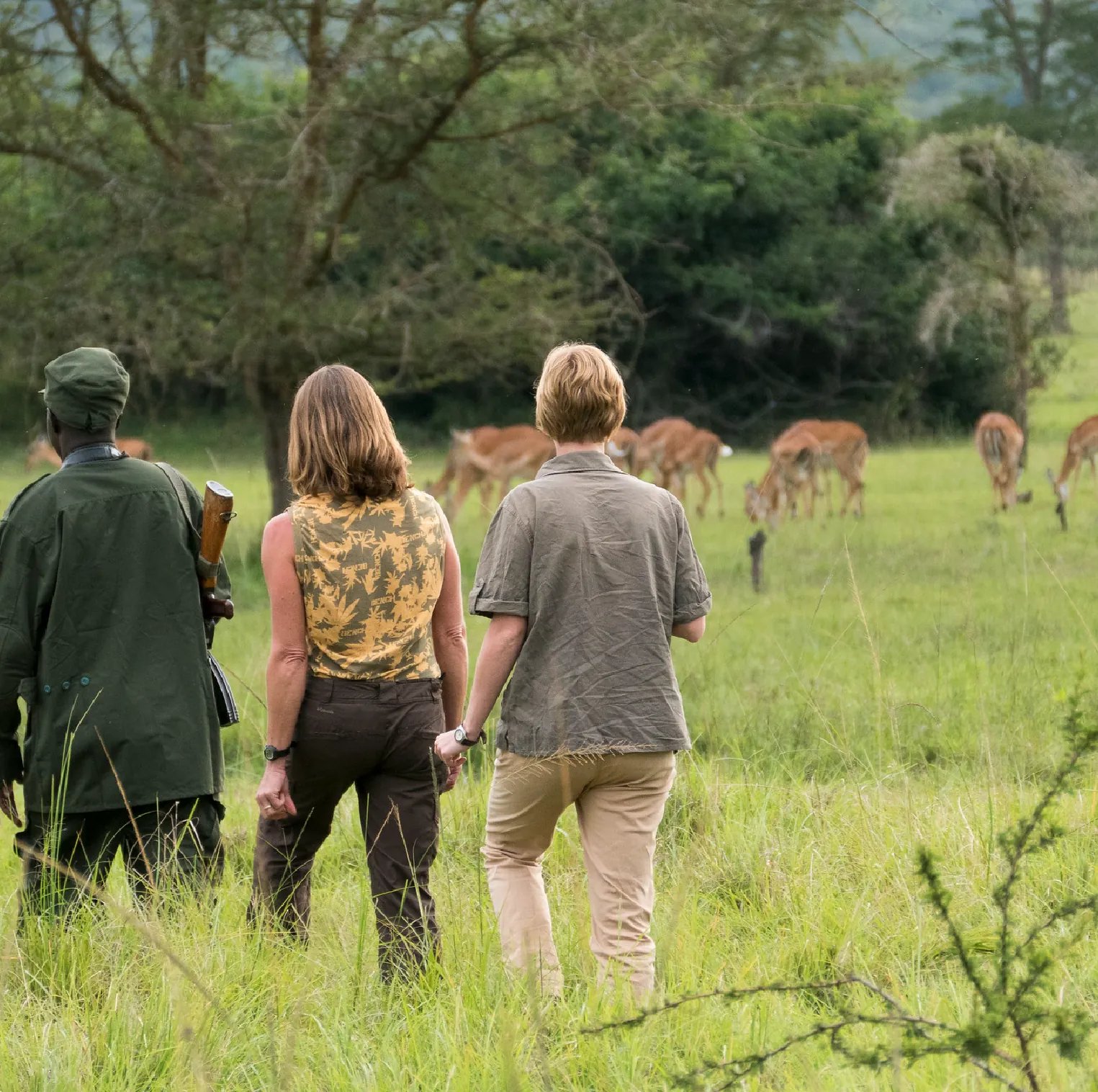
Boat safaris glide past hippos, crocodiles and riverbank birds, and walking safaris with armed rangers reveal tracks, plants and small creatures. Fly-camping gives a night in the bush. See boat safari in Nyerere, fly-camping in Nyerere and Nyerere activities.
Tracks, Heat and Tsetse Flies
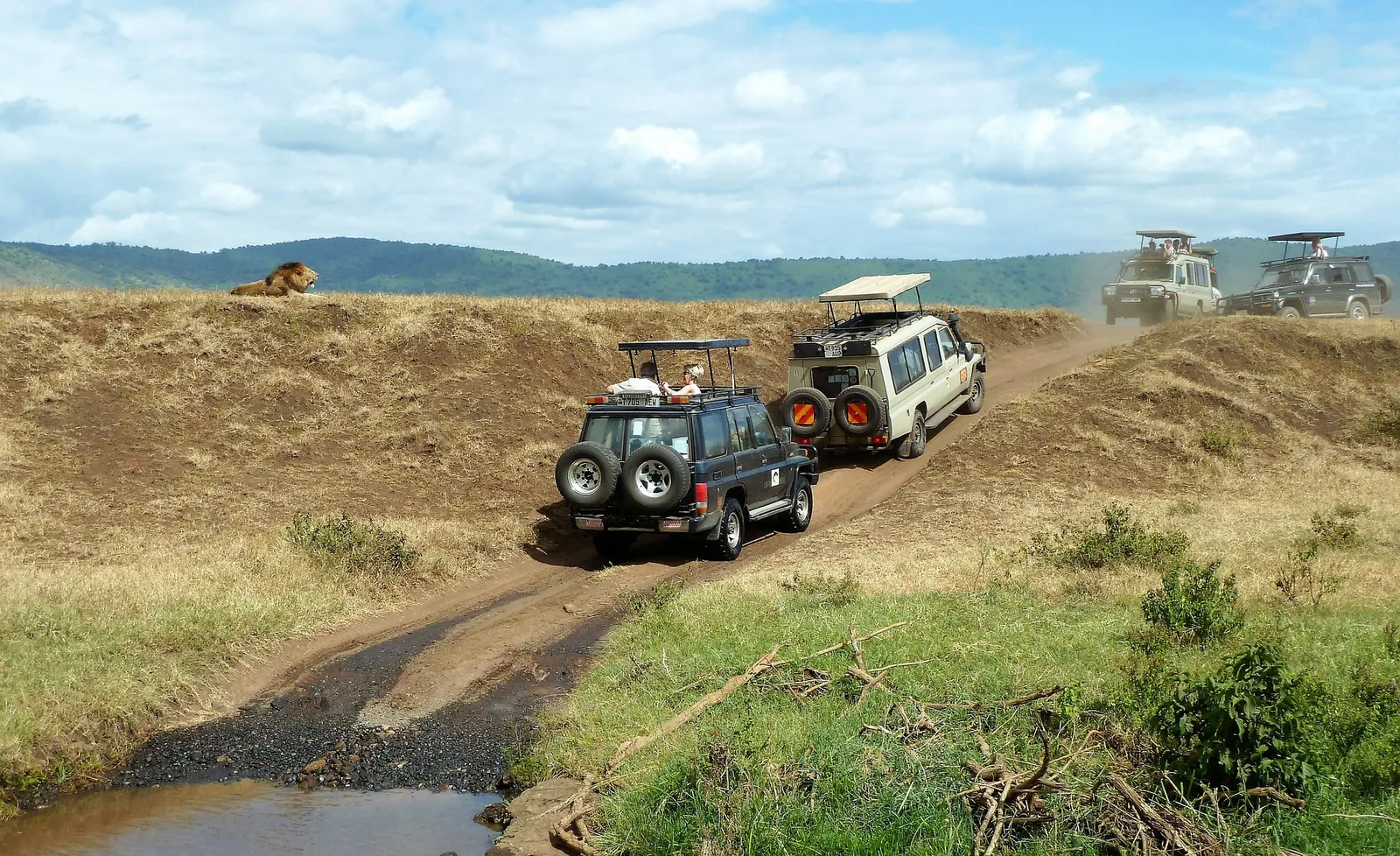
Tracks are firm and fast, though dust and heat build. Tsetse flies can be troublesome in woodland, so wear light-coloured long sleeves and avoid dark blue and black. Journey details appear in the Dar es Salaam to Nyerere route and how to get to Nyerere.
Birds and Photography
Kingfishers, bee-eaters, herons, African fish eagles and storks line the river, and photographers enjoy low boat angles and golden light. See Nyerere birding and the fish eagle profile.
Planning Your Nyerere Days
Allow three or four nights to enjoy a balance of boat trips, walks and game drives. Boat safaris are best in the morning or late afternoon, walks are best early and game drives fill the remaining slots. Fly-camping offers a night under canvas with minimal facilities, and rangers set the rules. Compare plans in the Nyerere itineraries and the southern Tanzania safari guide.
Combining Nyerere With the Coast
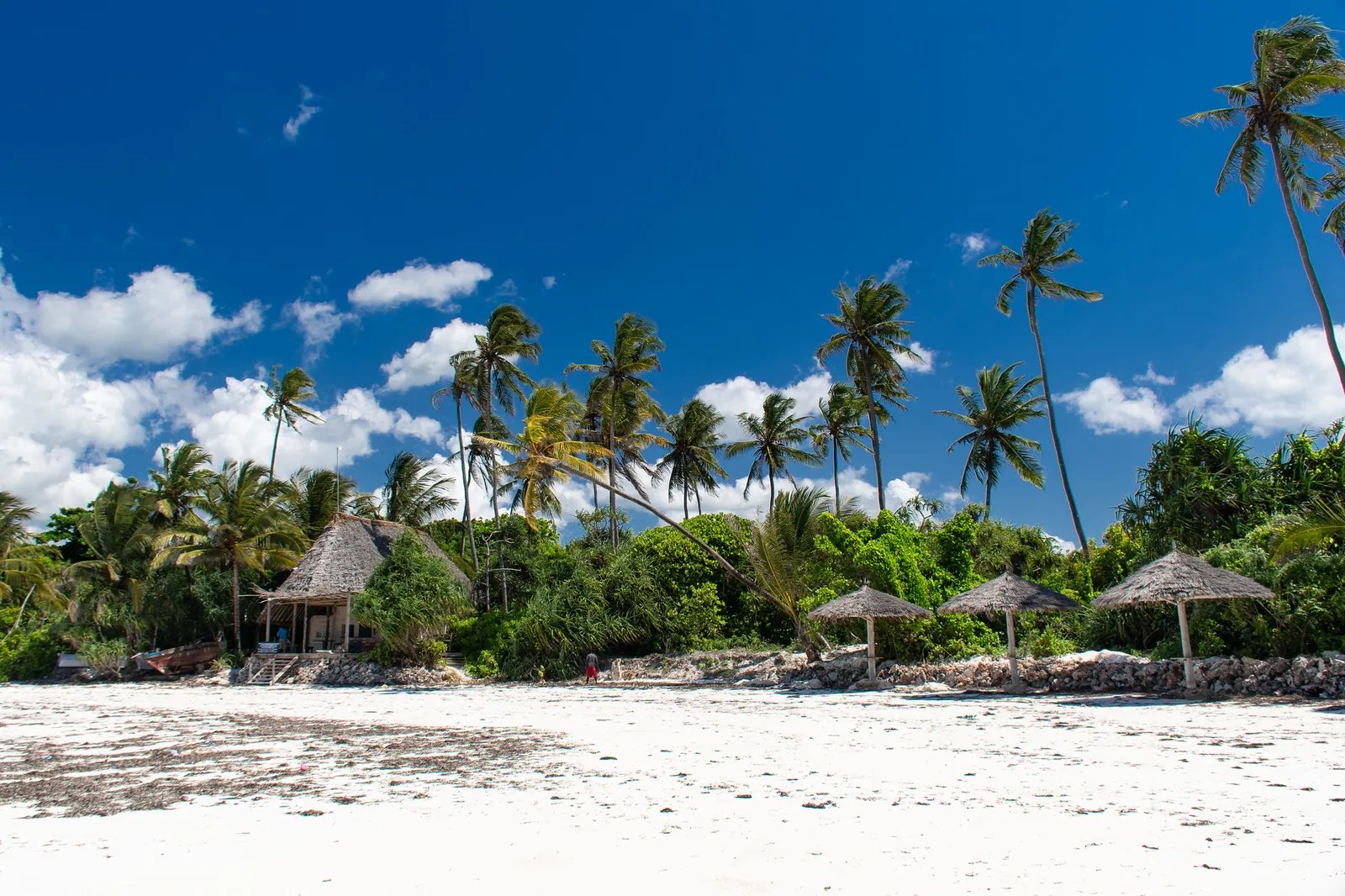
Nyerere is close enough to Dar es Salaam by a short flight to combine with a beach stay, which makes it a popular southern alternative to the northern circuit. A bush-and-beach plan suits couples and families who want variety. Ask your operator about schedules and baggage rules, and check the luggage and light aircraft rules, the Tanzania Zanzibar practical guide and the coastal and Saadani itinerary.
Photography From a Boat
Photographing from a boat is a different skill from shooting in a vehicle. Keep shutter speeds fast, brace against the hull and ask the skipper to hold the boat steady. Low angles make hippos and crocodiles look dramatic, and the light on the river at dawn and dusk is excellent. Keep gear in dry bags and avoid changing lenses over the water. See the photography safari guide and the safari photography gear guide.
What to Pack and Who It Suits
Take light long sleeves, a hat, sunscreen, repellent, sunglasses and a fleece for dawn boat trips. The dry season suits active travellers, photographers and repeat visitors who want something beyond vehicle drives. Use the packing list, where to stay in Nyerere and the Nyerere itineraries.
Planning a Uganda safari? Send us your dates and we will build the route, permits and transport around what you want to see.
Related Tours, Guides and Resources
- Ameera Africa Safaris homepage: Uganda safaris, tours and holidays
- Uganda safari packages
- Uganda travel guide
- How to book a Uganda safari
- Plan your safari with our team
Itineraries That Include This Experience
Frequently Asked Questions
Related Uganda Safari Pages
- Nyerere National Park Wildlife Guide: Hippos, Wild Dogs, Elephants and Rufiji River Life
- Best Time to Visit Nyerere National Park: Dry Season, Green Season and Boat Safari Months
- Nyerere in the Rainy Season: Flooded Lakes, Migrant Birds and Few Visitors
- Ruaha and Nyerere National Parks: Southern Tanzania Safari Guide
- Best Time to Visit Tanzania: Safari Seasons, Kilimanjaro Weather and Zanzibar
- Tanzania in August: Mara River Crossings, Southern Parks and the Busiest Month
- Volcanoes National Park in the Dry Season: Gorilla Treks, Firm Trails and Clear Views
- Uganda in January: Weather, Gorilla Trekking, Wildlife and What to Expect
- Tanzania Safari and Travel Guides: Serengeti, Ngorongoro, Kilimanjaro and Zanzibar
Ready to Plan Your Uganda Safari?
Tell us your dates, group size and interests and our Kampala team will reply with a clear, personal itinerary.
Back to the Ameera Africa Safaris homepage for Uganda safari vacations, our featured tours and the latest Uganda park fees.