
Nile Crocodile Species Profile: Ambush Hunter of East Africa's Rivers
The Nile crocodile is Africa's largest freshwater predator, an ambush hunter that has changed little over a very long evolutionary history.
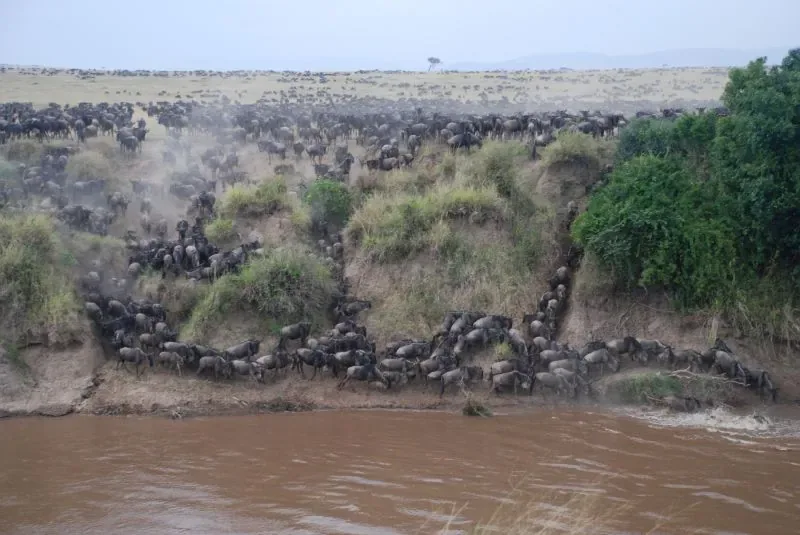
Crocodiles lie on sandbanks and drift at the water surface, then explode into action when prey comes to drink. They feature in dramatic river crossings of the Great Migration and are easy to see from boats in Uganda.
This profile explains how to identify them and where to see them.
This guide is part of our animals of Uganda and East Africa guide. When you are ready to plan, see our Uganda safari packages or the Ameera Africa Safaris Uganda tours homepage.
At a glance
- Scientific name: Crocodylus niloticus
- Habitat: Rivers, lakes, swamps
- Diet: Fish, birds, mammals
- Nesting: Eggs laid in sandy banks
- Best sites: Nile, Kazinga, Mara River
Identification
Nile crocodiles are large, armoured reptiles with a long snout, powerful tail and eyes and nostrils set high on the head. Colouring is olive to dark grey above, paler below. Adults are long and heavy, with males larger than females. Young crocodiles show banding that fades with age.
Habitat
Crocodiles occupy rivers, lakes, swamps and estuaries across tropical Africa. They bask on banks to warm up, then slip into water to cool, often with mouths open to regulate temperature. The Nile through Murchison Falls and the Kazinga Channel are reliable viewing sites. See the Nile River in Uganda.
Hunting and Diet
Young crocodiles eat insects, fish and frogs, while adults take larger prey such as fish, birds and mammals that come to drink. A crocodile grabs prey with a sudden lunge, drags it into the water and may roll to tear off pieces. At migration river crossings they target wildebeest and zebra; see Mara river crossings.
Nesting and Family
Females dig nests in sand or soil near water, lay eggs and guard them against monitor lizards and other raiders. When hatchlings call from inside the eggs, the mother helps them out and may carry them to the water in her mouth. Young still face heavy predation.
Where to See Crocodiles
On the Kazinga Channel and Murchison Falls Nile, boat trips pass sunning crocodiles on shore. Try the Kazinga Channel launch and boat trip to the falls. In Kenya and Tanzania, look at the Mara and Grumeti rivers.
Crocodiles and the Ecosystem
Crocodiles are more than predators. By taking weak and sick animals they influence the health of herds, and carcasses left in rivers feed fish and scavengers. Their nests on sandbanks depend on stable water levels, so changes to river flow affect breeding. On the Nile in Uganda, they share the water with hippos and a rich variety of birds, such as the rare shoebill in nearby wetlands, so a boat trip offers a snapshot of the whole river community.
Safety and Conservation
Crocodiles have been hunted for skins and persecuted after attacks. Today they are widely protected. Keep well back from water, never swim, and follow local warnings. Do not feed them. Visitors benefit from guided boat trips.
Photography and Related Species
Photograph basking crocodiles from a stable boat in early light, and look for open-mouth basking and reflections. Read safari photography tips. Other river animals include the hippo and the wildebeest.
Planning a Uganda safari? Send us your dates and we will build the route, permits and transport around what you want to see.
Related Tours, Guides and Resources
- Ameera Africa Safaris homepage: Uganda safaris, tours and holidays
- Uganda safari packages
- Uganda travel guide
- How to book a Uganda safari
- Plan your safari with our team
Itineraries That Include This Experience
Frequently Asked Questions
Related Uganda Safari Pages
- Hippo Species Profile: River Giants and Where to See Hippos in East Africa
- The Nile River in Uganda: Source at Jinja, Murchison Falls and Beyond
- Kazinga Channel Boat Cruise: Wildlife in Queen Elizabeth National Park
- Wildebeest Species Profile: The Migrating Herds of the Serengeti and Mara
- Spotted Hyena Species Profile: Clans, Calls and Where to See Them in East Africa
- Warthog Species Profile: The Tusked Grazer of the African Savannah
- Animals of Uganda and East Africa: Gorilla, Chimpanzee, Big Five and Bird Fact Guides
Ready to Plan Your Uganda Safari?
Tell us your dates, group size and interests and our Kampala team will reply with a clear, personal itinerary.
Back to the Ameera Africa Safaris homepage for Uganda tours and safaris, our featured tours and the latest Uganda park fees.