
Ruaha in the Dry Season: Sand Rivers, Big Herds and Predators at the Pools
Ruaha's long dry season, roughly June to October, concentrates elephants, buffalo, antelope and predators along the Great Ruaha River and its sand tributaries, making it the main safari period in southern Tanzania.
Ruaha lies in the centre of Tanzania, where acacia plains meet miombo woodland and baobab-studded hills. As the rains stop, rivers shrink to pools and the park's animals depend on a few permanent water sources. Viewing becomes concentrated and predator action increases, while the park stays far quieter than the northern circuit.
This page explains conditions, wildlife, tracks, birds and packing for the dry months. For the wetter months read Ruaha in the rainy season, and for the overview see the Ruaha best-time guide.
This guide is part of our Uganda month-by-month and seasonal guide. When you are ready to plan, see our Uganda safari packages or the Ameera Africa Safaris Uganda tours homepage.
At a glance
- Main dry period: About June to October
- Water: Great Ruaha River and pools
- Wildlife: Elephants, lions, kudu, sable
- Conditions: Hot, dry and dusty
- Suits: Predator and quiet-park seekers
Dry Months in Context
| Months | Conditions |
|---|---|
| May and June | Drying out, with grass still tall in places |
| July and August | Cooler nights, dry days and clear skies |
| September and October | Late dry, hot and dusty, with the strongest water gatherings |
| November onwards | The first rains turn the park green |
The late dry months are often the most productive for wildlife and the hottest for visitors. Days can be hot, and nights cool at the start of the dry season.
Elephants, Buffalo and Antelope
Large elephant herds and buffalo come to the river, while giraffe, zebra, impala and waterbuck use the banks. Greater kudu, lesser kudu, roan and sable are among the park's special antelope. See the Ruaha wildlife guide, the roan antelope profile and the buffalo profile.
Lions, Leopards and Wild Dogs
Large lion prides, leopards and cheetahs hunt around the river, and African wild dogs may be seen, with sightings never guaranteed. Dry-season water points are where predators wait. Read the lion profile, the leopard profile and the cheetah profile.
Tracks, Heat and Dust
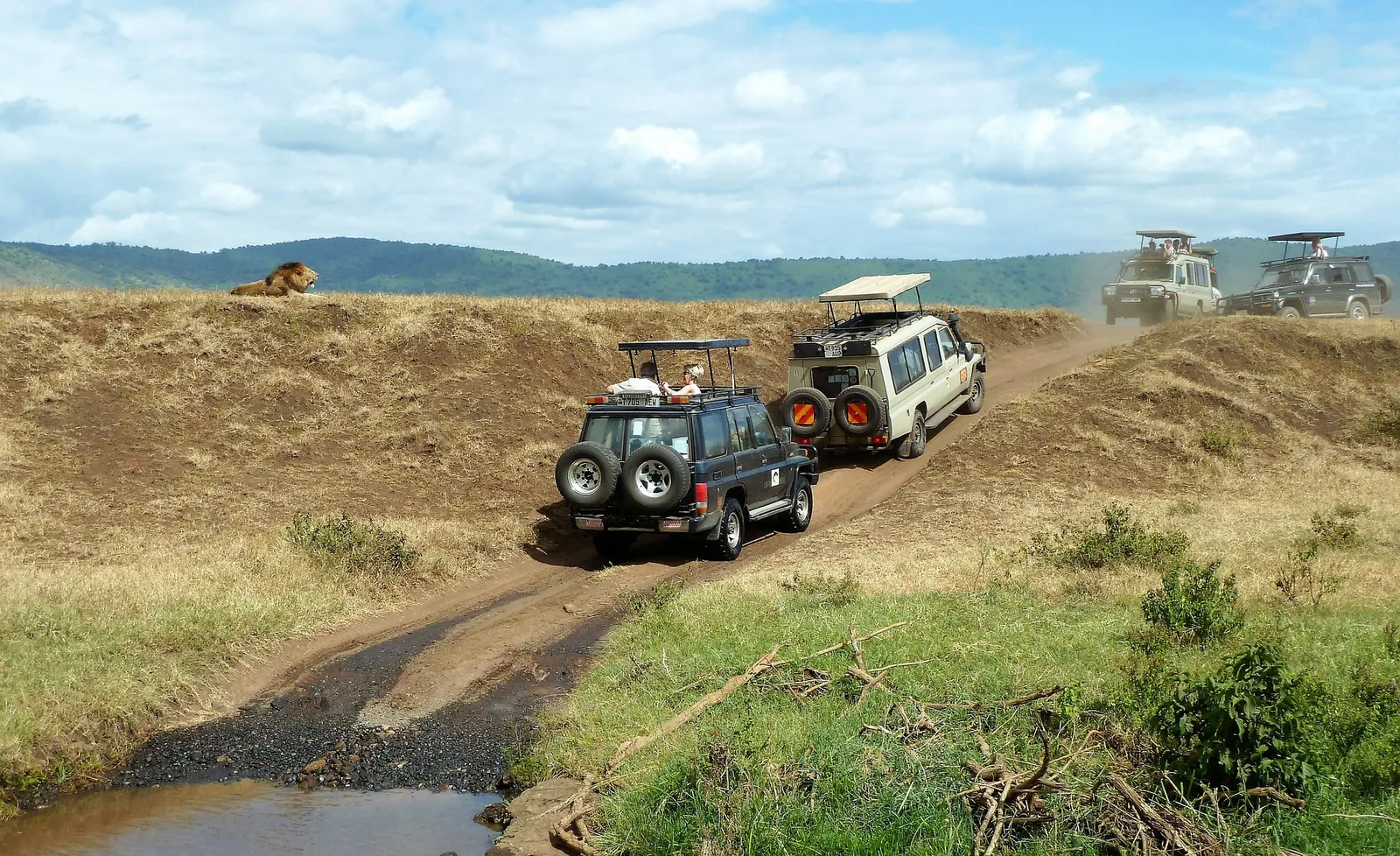
Tracks and sand rivers are driveable and fast, but dust and heat build late in the season. Distances are long, and many visitors fly in. See how to get to Ruaha, the Dar es Salaam to Ruaha route and the Iringa to Ruaha route.
Birds and Photography
Dry-season birding is rewarding along the river, with hornbills, rollers, bee-eaters, raptors and ground birds. Baobabs, elephants and sand rivers give strong images in warm light. See Ruaha birding and the photography safari guide.
What to Pack
Take light clothing in neutral colours, a wide-brimmed hat, sunscreen, sunglasses, a scarf for dust and a fleece for cool dawns. Pack in soft bags for light aircraft. Use the packing list and the luggage guide.
Planning Your Ruaha Days
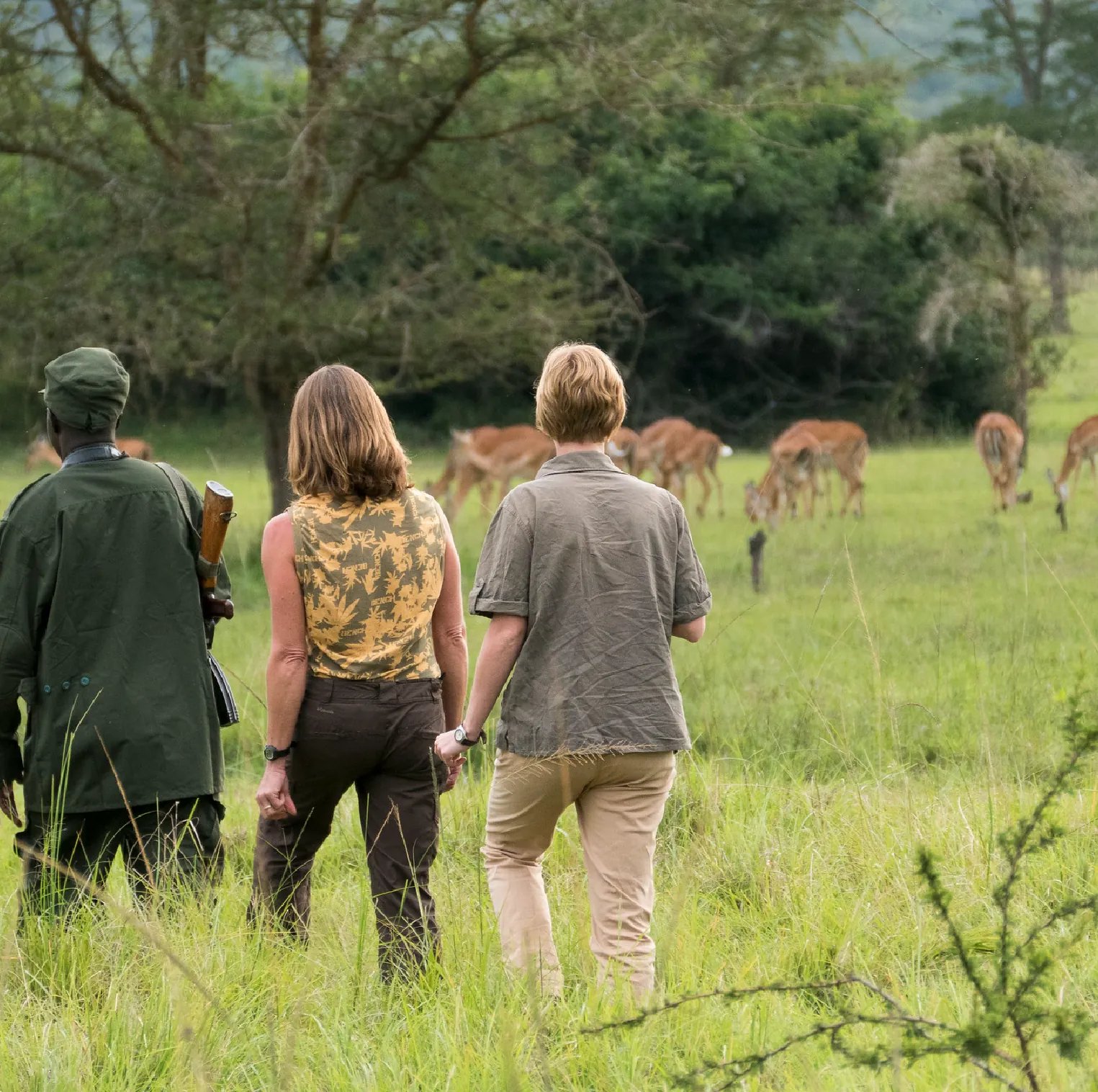
Stay at least three nights to give the river sections, the baobab hills and the quieter plains a chance. Many camps offer walking and night drives where rules allow, and fly-camping is sometimes possible. Because the park is large and sparsely visited, your guide's knowledge makes a real difference. Compare plans in the Ruaha itineraries, Ruaha activities and the southern circuit 7-day itinerary.
Heat, Dust and Comfort
Late in the dry season, afternoon heat can be intense, and fine dust settles on everything. Choose accommodation with shade, a pool or a cool veranda, and plan rest periods. Drink plenty of water and use sun protection. Cool nights early in the dry months mean you still need a jacket. Read what to wear on safari in Tanzania and the Tanzania safari vehicles and guides guide.
Why Ruaha Feels Different
Ruaha has a wilder, more spacious feel than the northern circuit. Vehicles are few, tracks are quiet and the landscape mixes northern and southern species in a way that surprises visitors. Greater kudu, sable and roan are far more likely here than in the Serengeti. Birders and walkers will find the dry season particularly rewarding. Compare the circuits in the northern versus southern circuit guide and Ruaha birding.
Who the Dry Season Suits
It suits predator enthusiasts, photographers, repeat visitors and those who want wild country without crowds. Combine it with Nyerere using the southern Tanzania safari guide, the Ruaha itineraries and where to stay in Ruaha.
Planning a Uganda safari? Send us your dates and we will build the route, permits and transport around what you want to see.
Related Tours, Guides and Resources
- Ameera Africa Safaris homepage: Uganda safaris, tours and holidays
- Uganda safari packages
- Uganda travel guide
- How to book a Uganda safari
- Plan your safari with our team
Itineraries That Include This Experience
Frequently Asked Questions
Related Uganda Safari Pages
- Ruaha Wildlife Guide: Lions, Wild Dogs, Kudus and Elephants of Southern Tanzania
- Best Time to Visit Ruaha: Dry Season Predators and Green Season Birds
- Ruaha in the Rainy Season: Emerald Woodland, Migrant Birds and Flowing Rivers
- Ruaha and Nyerere National Parks: Southern Tanzania Safari Guide
- Best Time to Visit Tanzania: Safari Seasons, Kilimanjaro Weather and Zanzibar
- Tanzania in September: Mara River Crossings, Southern Dry Season Wildlife and Mild Days
- Nyerere in the Dry Season: Rufiji Boat Safaris, Walking and Wildlife at the Water
- Nyerere in the Rainy Season: Flooded Lakes, Migrant Birds and Few Visitors
- Tanzania Safari and Travel Guides: Serengeti, Ngorongoro, Kilimanjaro and Zanzibar
Ready to Plan Your Uganda Safari?
Tell us your dates, group size and interests and our Kampala team will reply with a clear, personal itinerary.
Back to the Ameera Africa Safaris homepage for Uganda safari vacations, our featured tours and the latest Uganda park fees.