
Tanzania in September: Mara River Crossings, Southern Dry Season Wildlife and Mild Days
September is the heart of Tanzania's dry season, with herds in the northern Serengeti, rivers drawing wildlife in the south and west, mostly clear skies and the best all-round conditions for a first safari.
By September the country has been dry for months. Grass is short, water is scarce away from rivers and wildlife is easy to find because animals depend on the same sources.
That makes the month dependable and popular. The challenge is choosing between regions, since the north, the south and the west offer quite different experiences, and the best itineraries pick two of them rather than trying to cover all three.
This guide is part of our Uganda month-by-month and seasonal guide. When you are ready to plan, see our Uganda safari packages or the Ameera Africa Safaris Uganda tours homepage.
At a glance
- Rain: Very little
- Feel: Warm days, cool mornings, dusty
- Serengeti: Northern plains and Mara River
- Crowds: Busy in the north
- Best for: Reliable game viewing, river action, remote parks
Where the Herds Are
In September most of the wildebeest and zebra are in the northern Serengeti around Kogatende and Lamai, with some herds moving back and forth across the Mara River. Crossings are not scheduled; herds gather, hesitate and then plunge into the water when conditions feel right, which means patient waiting rather than guaranteed drama. Crocodiles, big cats and abundant vultures add to the scene. Because this region is far from Arusha, many travellers fly in. Our migration calendar and migration itinerary explain how to time it.
Park by Park in September
| Park | September character |
|---|---|
| Northern Serengeti | Mara River crossings, big cats, busy but remote |
| Central Serengeti (Seronera) | Resident predators, leopards, fewer herds |
| Ngorongoro Crater | Clear days, busy mornings, rhinos and lions |
| Tarangire | Elephants and big herds along the river, hot afternoons |
| Ruaha | Dry, concentrated game, large elephant and predator numbers |
| Nyerere | Boat safaris, walking and good dry-season viewing |
| Katavi | Hippos and crocodiles packed into shrinking pools |
Choosing Between North and South
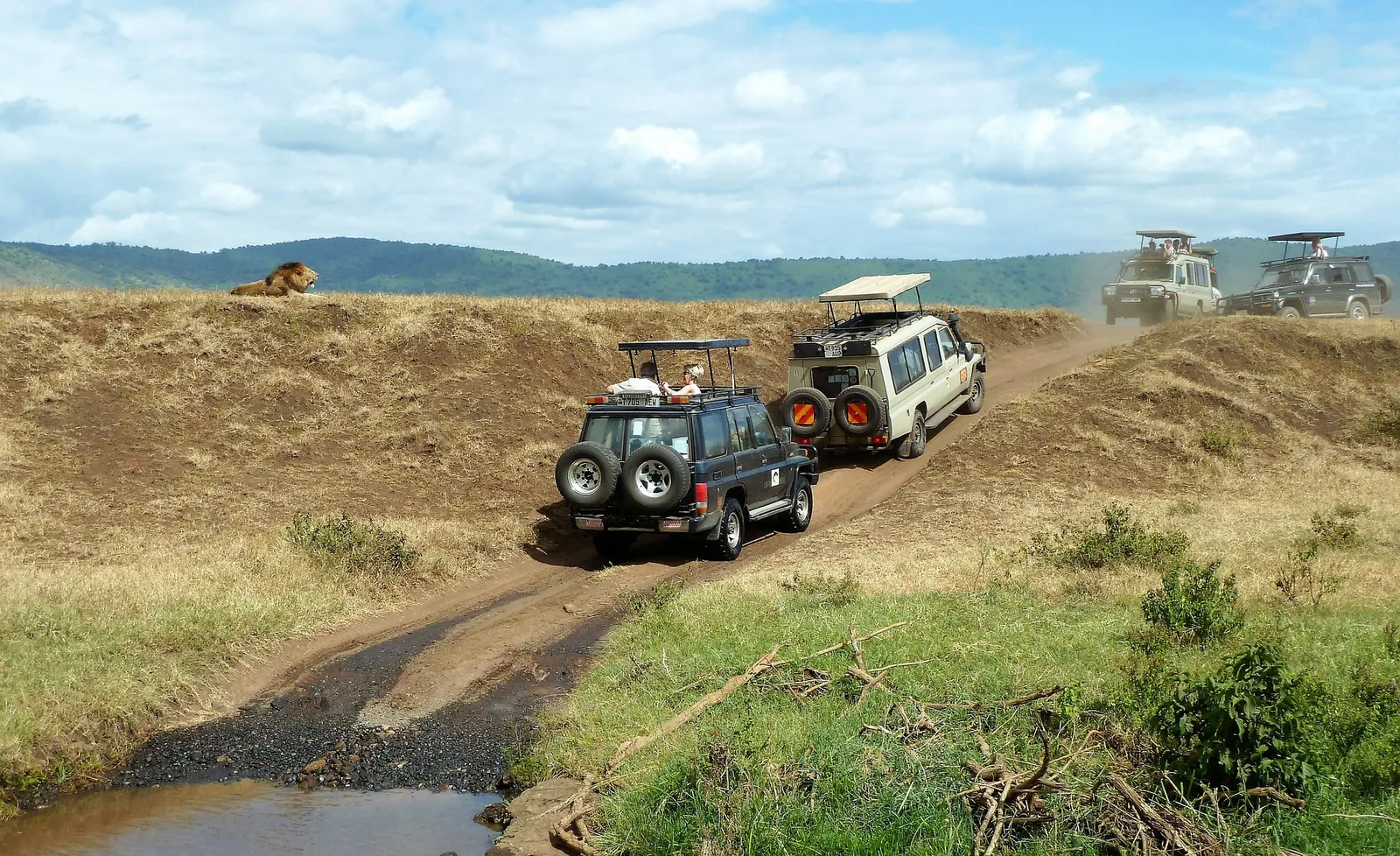
The north gives the migration spectacle and a high chance of lions, leopards and cheetahs across open plains, but it is more crowded and sometimes dusty. The south and west offer a wilder feel, with fewer vehicles, walking safaris and boat trips, but no mass herds. For a first visit, many travellers combine Tarangire, Ngorongoro and the Serengeti; repeat visitors often pair Ruaha or Nyerere with a quiet northern stay. See the northern versus southern circuit guide and Ruaha best time.
Katavi and the Chimpanzee Parks
September is one of the best months for Katavi, where the Katuma River shrinks and hippos, crocodiles, buffalo and elephants crowd the remaining water. It is also a favourable month for Gombe and Mahale, whose trails are dry and chimpanzee viewing is dependable. These areas are remote and need flights and extra days, so build them into a longer trip; see Katavi best time and Mahale best time.
Walking, Boats and Night Drives
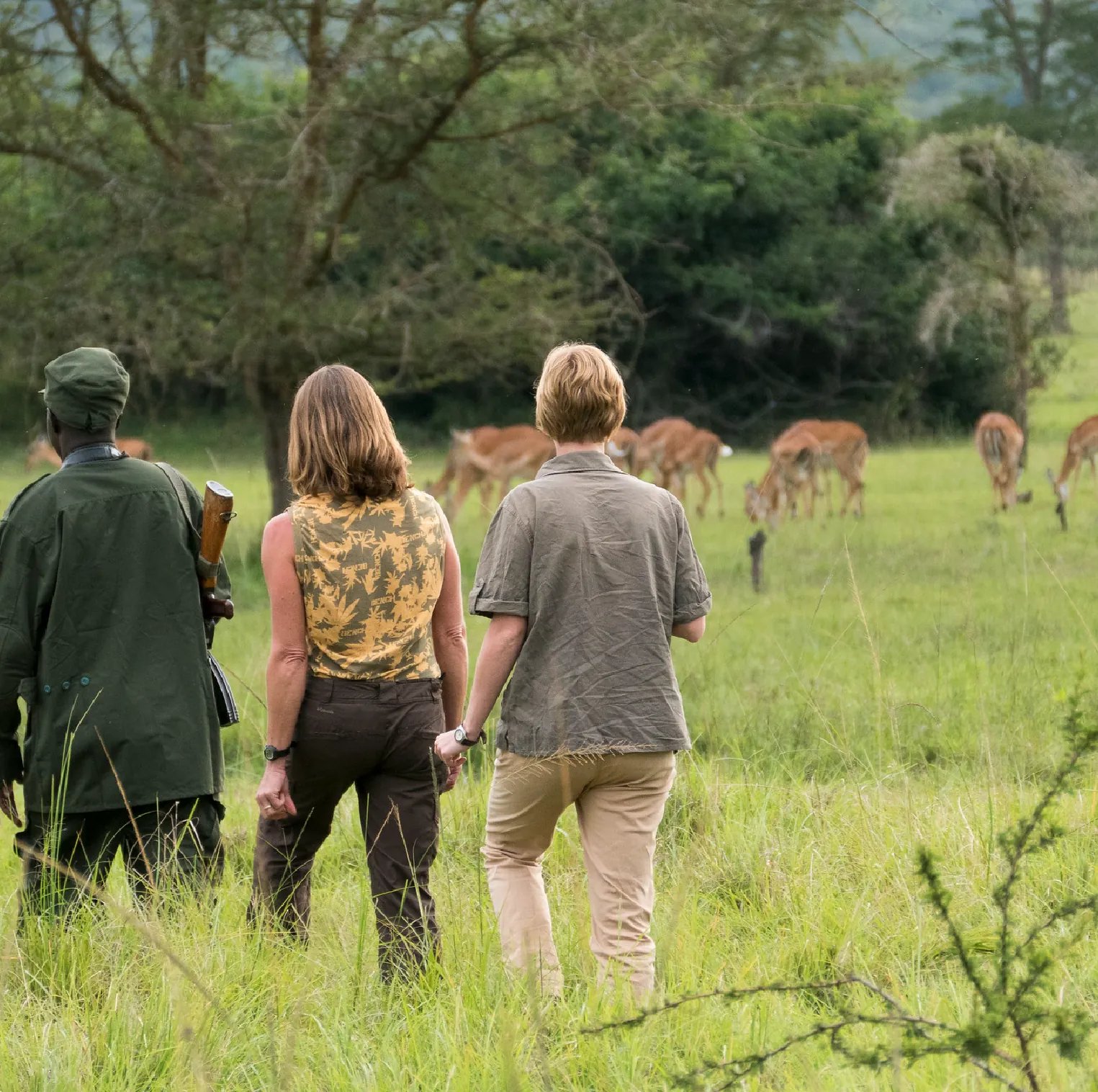
Dry conditions make walking safaris more comfortable, and private concessions allow night drives and bush walks that are not permitted in national parks. In Nyerere you can add a boat safari on the Rufiji system. These activities reward travellers who want a closer connection to the bush; see private concessions and walking safaris and the walking safari itinerary.
Kilimanjaro and Zanzibar
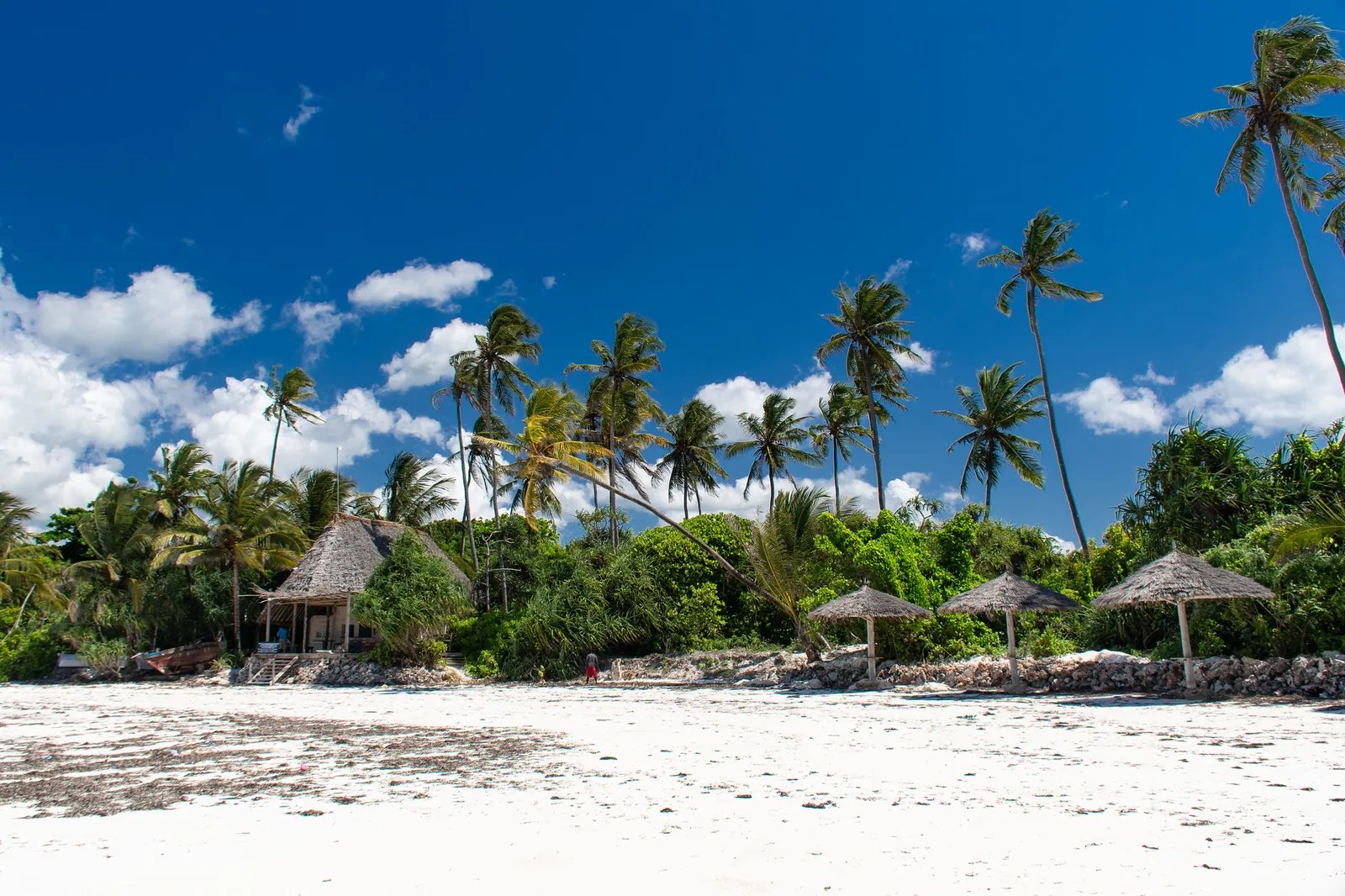
September is a popular month on Kilimanjaro because the weather is generally dry and views are good, although trails are busier on the main routes. Zanzibar enjoys dry, sunny days with a cooler sea breeze, making it an ideal finish to a safari. See Kilimanjaro best time and Zanzibar beaches by region.
Packing and Booking
Pack light layers, a fleece for dawn, sun protection, a scarf or buff for dust and a camera cover. Book camps, flights and permits well ahead, especially in the northern Serengeti and Katavi, where capacity is limited. A flexible plan helps when herds change direction. Keep malaria precautions in place; see the packing list and health guide.
Planning a Uganda safari? Send us your dates and we will build the route, permits and transport around what you want to see.
Related Tours, Guides and Resources
- Ameera Africa Safaris homepage: Uganda safaris, tours and holidays
- Uganda safari packages
- Uganda travel guide
- How to book a Uganda safari
- Plan your safari with our team
Itineraries That Include This Experience
Frequently Asked Questions
Related Uganda Safari Pages
- Best Time to Visit Tanzania: Safari Seasons, Kilimanjaro Weather and Zanzibar
- Serengeti Great Migration Calendar by Month: Calving, Crossings and Where the Herds Are
- Best Time to Visit Ruaha: Dry Season Predators and Green Season Birds
- Best Time to Visit Katavi National Park: Dry Season Concentrations and Wet Season Access
- Tanzania in October: Heat, Dust, Concentrated Wildlife and the First Hints of Rain
- Tanzania in November: Short Rains, Emerald Landscapes and Migrant Birds
- Best Time for Zanzibar Beaches: Seasons, Tides and Month-by-Month Notes
- Tanzania Safari and Travel Guides: Serengeti, Ngorongoro, Kilimanjaro and Zanzibar
Ready to Plan Your Uganda Safari?
Tell us your dates, group size and interests and our Kampala team will reply with a clear, personal itinerary.
Back to the Ameera Africa Safaris homepage for Uganda safaris, our featured tours and the latest Uganda park fees.