
Tanzania in May: The Wettest Month, Empty Parks and Practical Choices
May is the heart of Tanzania's long rains, so it is the quietest and greenest month of the year, with heavy showers, closed camps in remote areas and a real saving in value for travellers who plan carefully.
Most travellers avoid May, and that is exactly why a small number love it. Parks are almost empty, the scenery is at its most luxuriant and the light after storms is exceptional for photographers.
The trade-off is practical rather than scenic. Some roads become difficult, some camps shut, and the right itinerary depends on choosing areas that cope well with rain. This page focuses on what genuinely works in May.
This guide is part of our Uganda month-by-month and seasonal guide. When you are ready to plan, see our Uganda safari packages or the Ameera Africa Safaris Uganda tours homepage.
At a glance
- Rain: Peak of the long rains
- Crowds: Lowest of the year
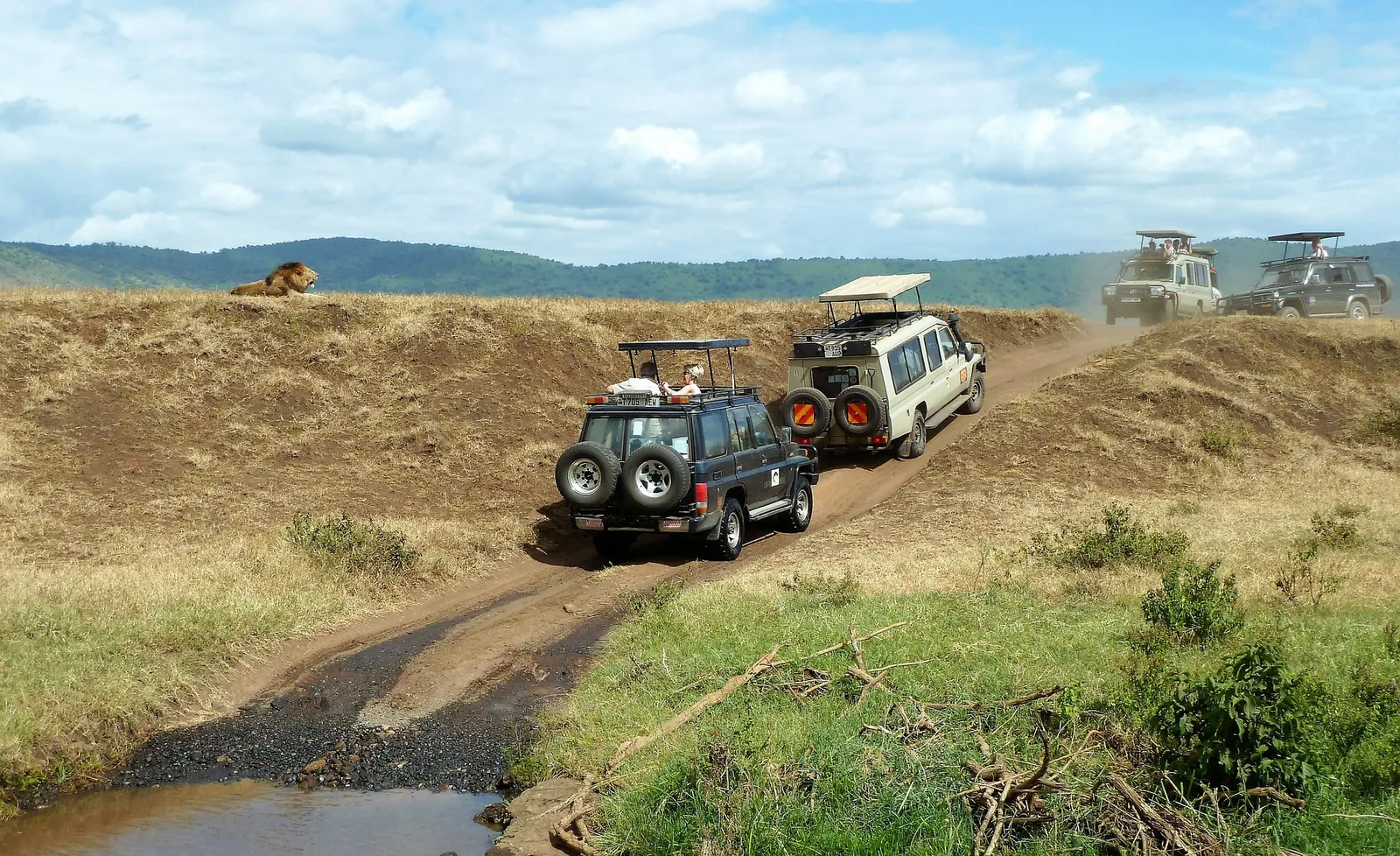
- Works well: Northern circuit highlands, Ngorongoro
- Challenging: Remote south and west
- Late May: Herds start moving north-west
The Pattern of Rain
May rain is usually heavy but rarely constant. Many days start grey, with periods of steady rain interrupted by dry spells, and some days bring long, soaking downpours. Cloud often hides distant mountains, so Kilimanjaro and Meru views are less reliable. Temperatures are mild rather than hot because of the cloud cover, and highland nights feel cool. Towards the end of the month the rains usually begin to ease and the first dry, bright days appear, which is why the last week can feel very different from the first. Check the longer picture in best time to visit Tanzania.
What Works in May
| Area | Verdict | Why |
|---|---|---|
| Ngorongoro Crater | Works well | Paved approaches and short drives on the crater floor |
| Tarangire and Manyara | Works well | Good access, green and rich in birds |
| Central and southern Serengeti | Works with care | Wet tracks in places, few vehicles |
| Ruaha, Nyerere, Katavi | Often closed or limited | Flooded or muddy roads, some camps shut |
| Arusha National Park | Works well | Forest and mountain scenery, close to Arusha |
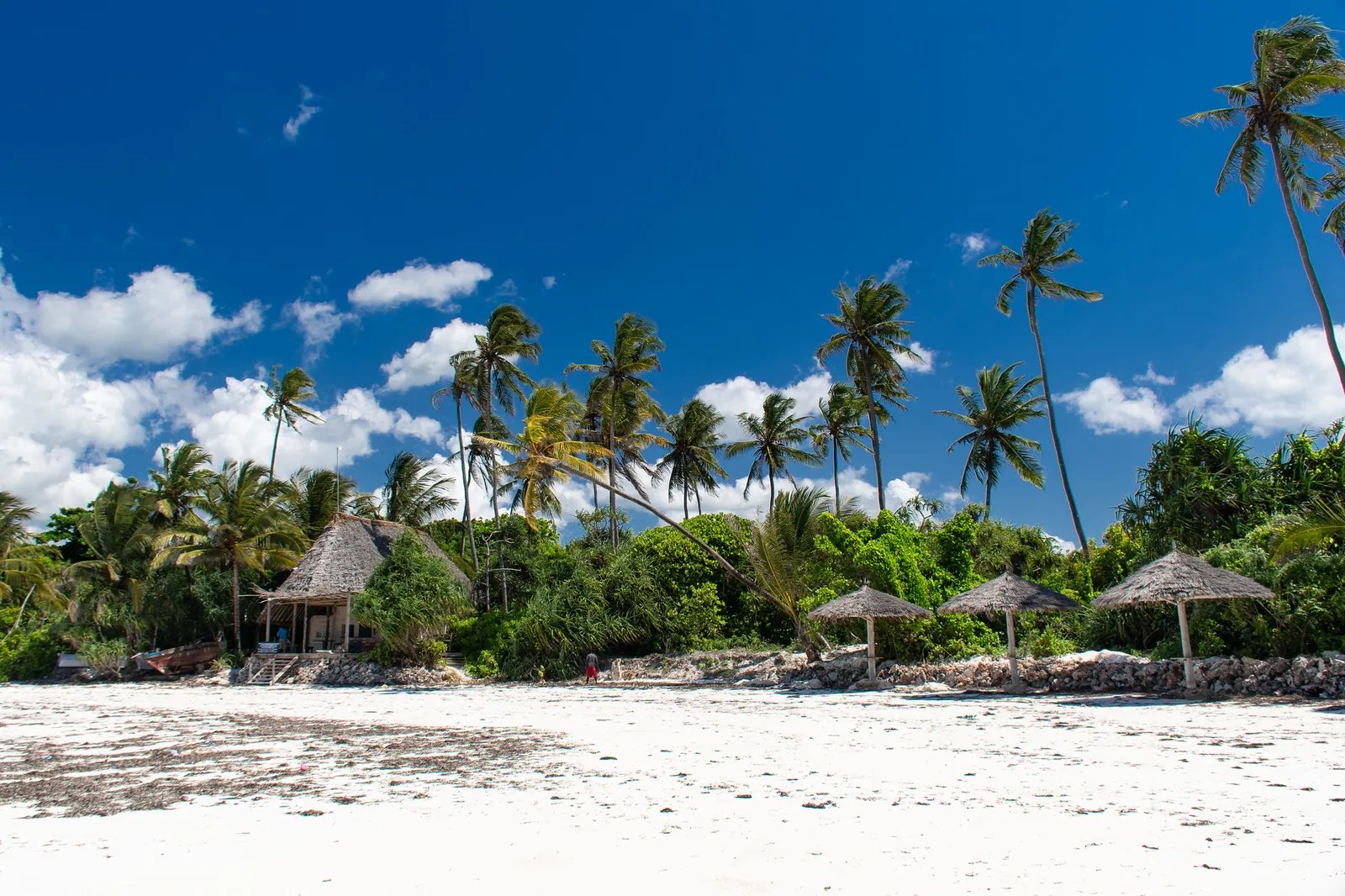
| Zanzibar | Mixed | Heavy rain, some properties closed for the season |
Wildlife in the Rains
Resident wildlife remains visible, though tall grass can hide cats and smaller animals. Elephants, giraffes, buffalo, zebras and hippos are still easy to find in parks with open habitat. Many antelope have young, and predators hunt actively. The Serengeti herds are mostly in the central and western parts of the ecosystem, and in late May the wildebeest rut begins, when territorial males bellow and chase females in noisy displays. This is an excellent time for atmosphere rather than for dramatic river crossings, which come later; see the migration calendar.
Birds and Photography
May is a rewarding month for birders and photographers who enjoy mood and colour. Rain-fed pools hold waterbirds, grassland species display and raptors hunt from open perches. Skies are dramatic, rainbows are common and fresh vegetation makes subjects stand out. Bring a rain cover for your camera and plan for lower light on grey mornings. For ideas on equipment and light, see the birding guide and the photography safari itinerary.
Roads, Flights and Logistics
Tarmac roads between Arusha, Manyara and Ngorongoro work normally, but side tracks can be slippery. Scheduled flights between airstrips generally operate, although low cloud sometimes causes delays, so avoid tight connections on the day of an international departure. Choose a flexible operator, allow buffer time and keep long drives to daylight hours. If you want to explore more remote areas, ask whether a flying itinerary or a base with sealed access is better than a long overland route.
Mountains and Coast
Kilimanjaro is at its wettest and cloudiest in May, with very few climbers, so most operators advise it only for experienced hikers who accept slick trails; read Kilimanjaro routes compared before deciding. On the coast, rains are heavy and some small hotels close for maintenance, so Zanzibar is better in other months; see safari and Zanzibar timing.
Who Should Choose May
May suits flexible travellers who put solitude, greenery and photography ahead of dry roads, and anyone who values quiet parks and a gentler pace. It also suits a short northern-circuit trip centred on Ngorongoro, Tarangire and Manyara. It does not suit first-time visitors who want to see river crossings, walkers planning a camping trek or travellers on a rigid schedule. Read the green season itinerary for a route designed around these conditions.
What to Pack
Pack a good waterproof jacket and trousers, quick-dry layers, a warm fleece for highland evenings, sturdy waterproof shoes, a dry bag and plenty of insect repellent. Keep electronics in sealed bags and bring a spare set of clothes for long drives. See the East Africa packing list and malaria prevention guide.
Planning a Uganda safari? Send us your dates and we will build the route, permits and transport around what you want to see.
Related Tours, Guides and Resources
- Ameera Africa Safaris homepage: Uganda safaris, tours and holidays
- Uganda safari packages
- Uganda travel guide
- How to book a Uganda safari
- Plan your safari with our team
Itineraries That Include This Experience
Frequently Asked Questions
Related Uganda Safari Pages
- Best Time to Visit Tanzania: Safari Seasons, Kilimanjaro Weather and Zanzibar
- Tanzania Green Season Safari Itinerary: Quiet Parks, Lush Scenery and Birds
- Best Time to Visit Ngorongoro Crater: Seasons, Weather and Crowds
- Best Time to Visit Tarangire: Dry Season Concentrations and Green Season Birds
- Tanzania in March: Late Calving, Building Rains and Green Landscapes
- Tanzania in June: The Start of the Dry Season, Grumeti Crossings and Cool Nights
- Tanzania in September: Mara River Crossings, Southern Dry Season Wildlife and Mild Days
- Tanzania in October: Heat, Dust, Concentrated Wildlife and the First Hints of Rain
- Tanzania Safari and Travel Guides: Serengeti, Ngorongoro, Kilimanjaro and Zanzibar
Ready to Plan Your Uganda Safari?
Tell us your dates, group size and interests and our Kampala team will reply with a clear, personal itinerary.
Back to the Ameera Africa Safaris homepage for Uganda safaris and tours, our featured tours and the latest Uganda park fees.