
Nyerere National Park FAQs: Your Questions Answered
Nyerere National Park is a large wilderness in southern Tanzania built around the Rufiji River, famous for boat safaris, walking and varied wildlife, and these answers cover the questions travellers ask most often.
Nyerere offers a very different safari from the northern circuit. Water is central, vehicles are fewer and activities include boats and walking as well as game drives. That variety raises practical questions about timing, access and what to expect.
The answers below are grouped by theme, and each points to a fuller guide where you want more detail. Rules and schedules change, so rely on your operator and official sources for current arrangements.
This guide is part of our Uganda districts and towns guide. When you are ready to plan, see our Uganda safari packages or the Ameera Africa Safaris Uganda tours homepage.
At a glance
- Location: Southern Tanzania, Rufiji River
- Signature: Boat safaris, walking, fly camping
- Best months: Dry season for wildlife viewing
- Access: Air or road from Dar es Salaam
- Pairs with: Ruaha, Mikumi, Zanzibar
When to Go
When is the best time to visit Nyerere?
The dry season, roughly June to October, is usually best for wildlife because animals gather near the river and the bush thins. See the Nyerere best time to visit guide for a month-by-month view.
Is the park open in the rainy season?
Parts of the park remain accessible, but heavy rains can make tracks difficult and some camps close. The green season brings lush scenery, many birds and fewer visitors for those who prefer quiet.
Is it very hot?
Daytime temperatures can be high, especially towards the end of the dry season, so early starts and sun protection matter. Evenings are usually pleasant.
Getting There
How do I reach Nyerere?
Most visitors fly from Dar es Salaam in a short flight, while others drive on a long day. See how to get to Nyerere and Dar es Salaam to Nyerere.
Can I combine road and air?
Yes. Some travellers drive in and fly out, or the other way round, which saves time and adds scenery. Ask your operator to build the route that suits your schedule.
Do I need to stay overnight in Dar es Salaam first?
It depends on your flights. Many people overnight in the city before an early departure; see the Dar es Salaam guide for options.
Wildlife
What animals can I see?
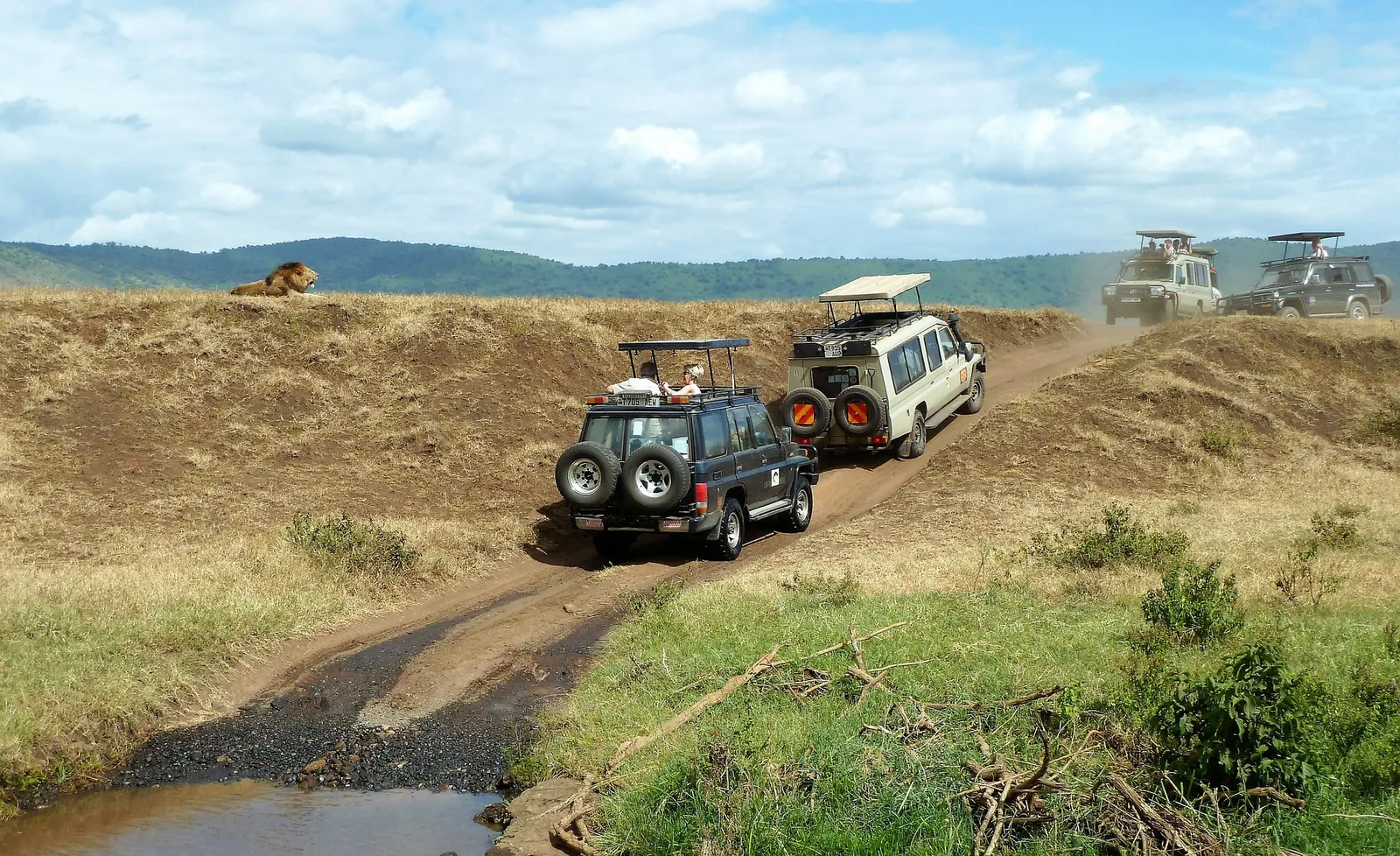
Elephants, hippos, crocodiles, buffalo, giraffes, lions and many antelope are widespread, and African wild dogs are a highlight for some visitors. Read the Nyerere wildlife guide for detail.
Are big cats guaranteed?
No. Wildlife is wild, and sightings depend on season, luck and the skill of your guide. Spending several days improves your chances.
Is it good for birds?
Very. The river, lakes and woodland support a wide variety of species; see Nyerere birding.
Where to Stay
What kinds of accommodation are available?
Camps and lodges overlooking the river and lakes are the main choices, ranging from simple to luxurious. See where to stay in Nyerere for how to choose.
Which area is best?
Stay near the river and lakes for boat safaris and in the interior if you prefer game drives. Many travellers split their stay between two areas.
Is camping possible?
Special arrangements such as fly camping exist for experienced travellers; see fly camping in Nyerere.
Activities
What can I do besides game drives?
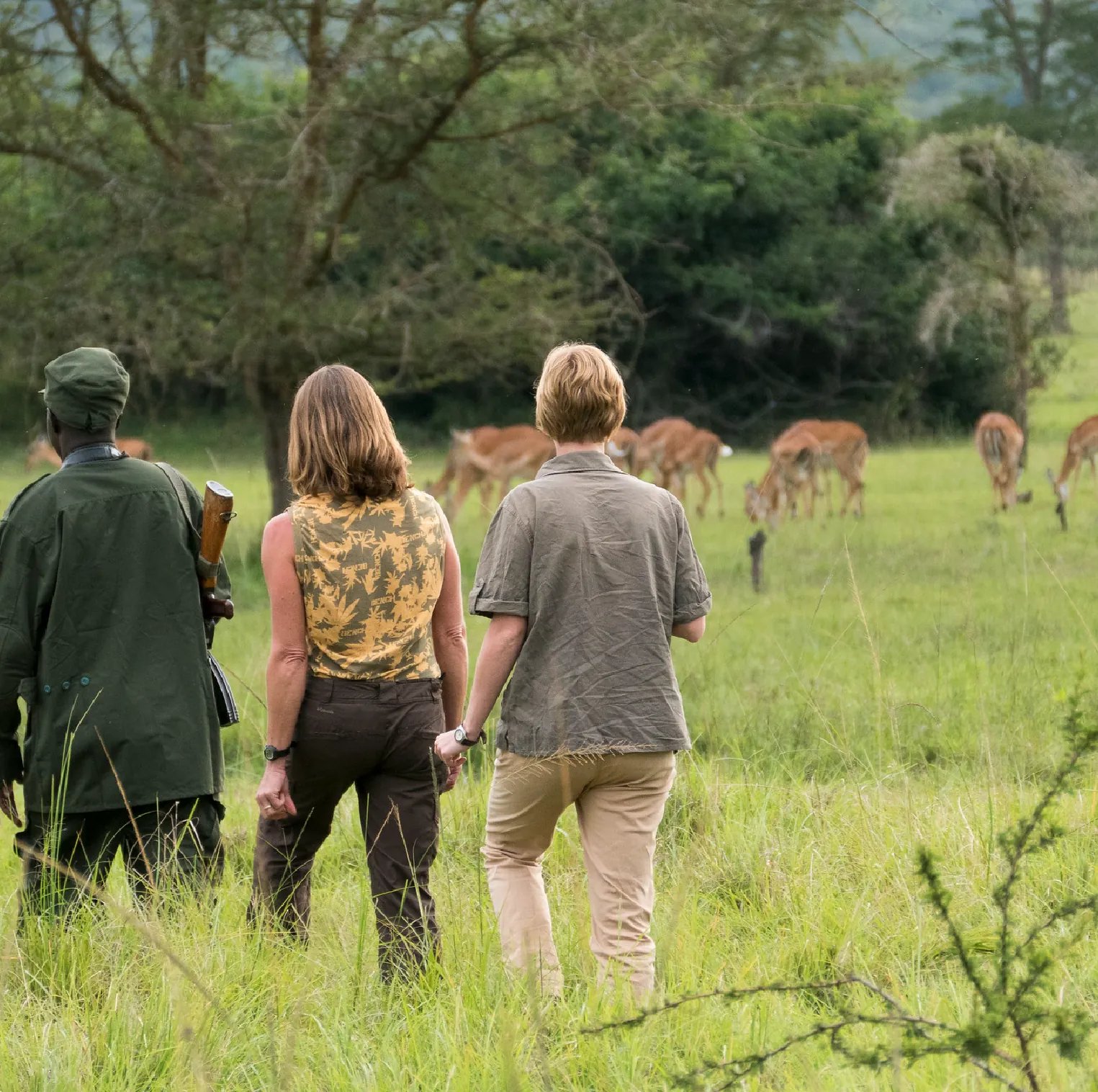
Boat safaris on the river and lakes and guided walks are the main alternatives, along with fishing or cultural visits where offered. See Nyerere activities.
Are boat safaris worth it?
Yes. They give a quiet, low-level view of hippos, crocodiles and birds that a vehicle cannot match; read boat safari in Nyerere.
Are walking safaris safe?
They are led by trained armed rangers and follow strict briefings. You must follow instructions exactly.
Practicalities
Do I need malaria protection?
Yes, speak to a doctor or travel clinic before you travel. See the Tanzania health and malaria guide.
How long should I stay?
Three nights is a good minimum, and four or five lets you try several activities. See Nyerere itineraries.
Why is it called Nyerere?
The park honours Julius Nyerere, Tanzania’s first president; read Ujamaa and Julius Nyerere for background.
Planning Further
For a wider southern circuit, see the Ruaha and Nyerere southern Tanzania safari guide, and for visa and entry basics read the Tanzania visa guide. Always check current official guidance before you travel.
Planning a Uganda safari? Send us your dates and we will build the route, permits and transport around what you want to see.
Related Tours, Guides and Resources
- Ameera Africa Safaris homepage: Uganda safaris, tours and holidays
- Uganda safari packages
- Uganda travel guide
- How to book a Uganda safari
- Plan your safari with our team
Itineraries That Include This Experience
Frequently Asked Questions
Related Uganda Safari Pages
- Nyerere National Park Wildlife Guide: Hippos, Wild Dogs, Elephants and Rufiji River Life
- Best Time to Visit Nyerere National Park: Dry Season, Green Season and Boat Safari Months
- Nyerere National Park Itineraries: 3, 5 and 8 Day Sample Safaris
- Where to Stay in Nyerere National Park: River Camps, Lakeside Bases and Fly-in Options
- Tanzania Safari FAQs: Answers to the Most Common Questions
- Tanzania Safari and Travel Guides: Serengeti, Ngorongoro, Kilimanjaro and Zanzibar
- Ruaha National Park FAQs: Your Questions Answered
- Serengeti National Park FAQs: Your Questions Answered
- Tarangire National Park FAQs: Your Questions Answered
Ready to Plan Your Uganda Safari?
Tell us your dates, group size and interests and our Kampala team will reply with a clear, personal itinerary.
Back to the Ameera Africa Safaris homepage for Uganda safari packages, our featured tours and the latest Uganda park fees.