
Ruaha National Park FAQs: Your Questions Answered
Ruaha National Park is a rugged, baobab-dotted wilderness in central Tanzania known for predators and a mix of northern and southern wildlife, and these answers cover the questions travellers ask most often.
Ruaha is quieter than the northern parks, and its remoteness shapes how people visit. Most travellers fly in, stay several nights and focus on game drives and, where offered, walks. The Great Ruaha River is the park’s lifeline and draws wildlife in the dry season.
The answers below are grouped by theme. Each links to a fuller guide when you want more detail, and your operator can explain current arrangements for roads, flights and park rules.
This guide is part of our Uganda districts and towns guide. When you are ready to plan, see our Uganda safari packages or the Ameera Africa Safaris Uganda tours homepage.
At a glance
- Location: Central Tanzania, Great Ruaha River
- Signature: Predators, baobabs, kudu and roan
- Best months: Dry season for wildlife viewing
- Access: Air or long road journey
- Pairs with: Nyerere, Mikumi, Iringa
When to Go
When is the best time to visit Ruaha?
The dry season, roughly June to October, is usually best because animals concentrate along the river. See the Ruaha best time to visit guide for more.
What is the green season like?
The landscape is lush, birdlife is excellent and there are few visitors, though some roads become difficult and a few camps close.
Does it get cold?
Early mornings on open vehicles can be cool in the dry months, so bring a warm layer.
Getting There
How do I reach Ruaha?
Most visitors take a scheduled or charter flight, while overland routes are long. See how to get to Ruaha.
Can I drive from Dar es Salaam?
Yes, but it is a long journey best split with an overnight stop; see Dar es Salaam to Ruaha.
What about Iringa?
Iringa is a useful gateway town for road travel; see Iringa to Ruaha.
Wildlife
What animals live in Ruaha?
Lions, leopards, cheetahs, elephants, giraffes, buffalo, wild dogs and both greater and lesser kudu are among the species. See the Ruaha wildlife guide.
Is Ruaha good for predators?
It is known for its predators, but sightings are never guaranteed and depend on season and time spent.
What about birds?
Ruaha is rich in birds; read Ruaha birding for details.
Where to Stay
What types of accommodation exist?
Tented camps and small lodges, mostly beside the river or on hills. See where to stay in Ruaha.
Do I need to stay inside the park?
Staying inside reduces travel time and puts you closer to wildlife at dawn and dusk.
Is it suitable for families?
Some camps welcome children, others do not, so ask your operator before booking.
Activities
What can I do?
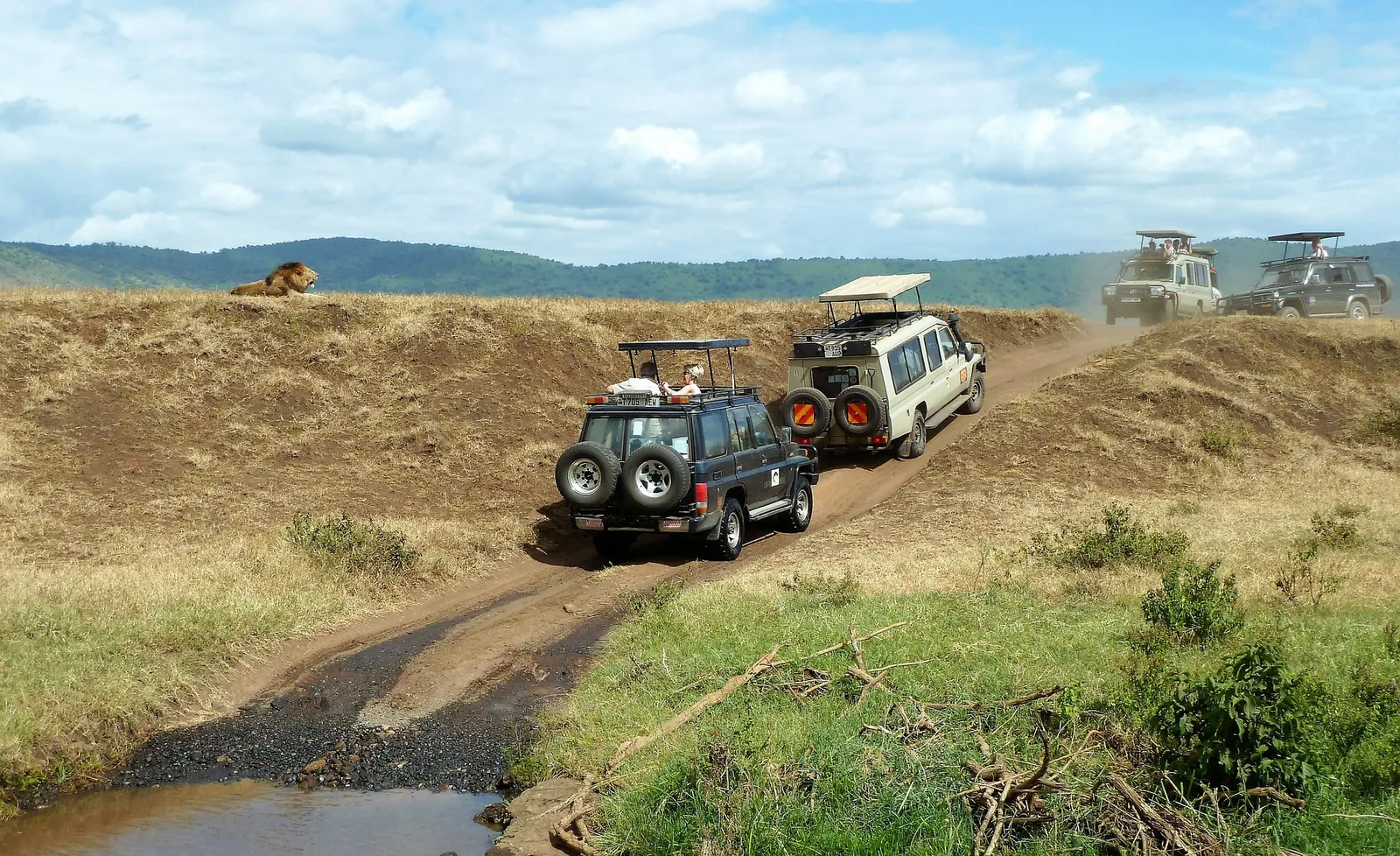
Game drives are the main activity, with walks and night drives available in some areas under park rules. See Ruaha activities.
Are walks offered?
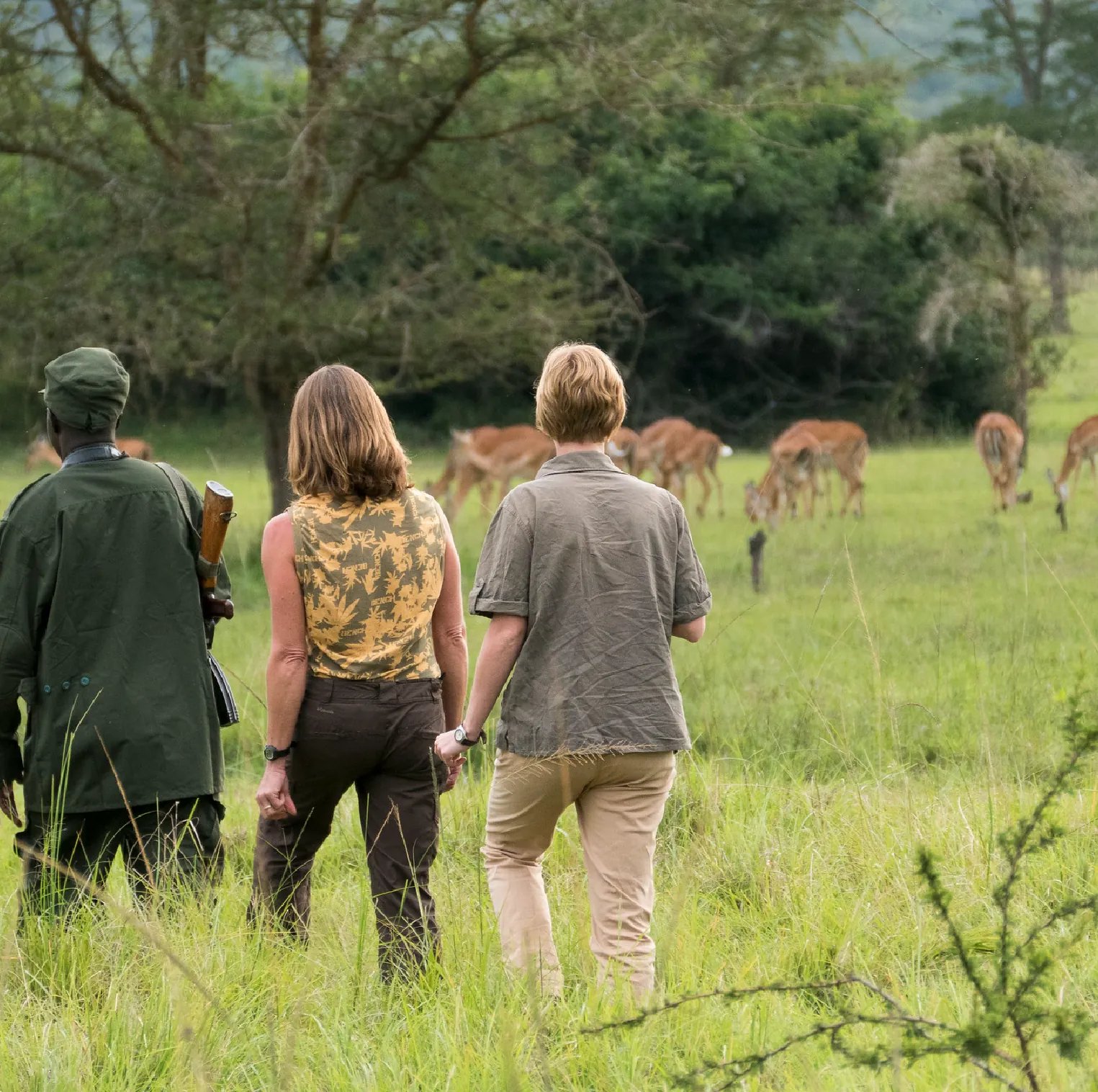
Where permitted, walks with armed rangers can be arranged by camps.
Can I combine with other parks?
Yes. See Ruaha itineraries and the southern Tanzania safari guide.
Practicalities
Do I need malaria protection?
Yes, consult a doctor or travel clinic. See the Tanzania health and malaria guide.
Do I need a visa?
Check the official government site and read the Tanzania visa guide.
How many nights should I plan?
Three or four nights are a sensible minimum for a remote park.
Planning a Remote Safari
Ruaha rewards visitors who accept its remoteness. The journey takes effort, the park is quiet, and the scenery of baobabs, rocky hills and sandy riverbeds feels wilder than the northern plains. Plan to stay long enough to settle in, because the first game drive may be spent adjusting to distances and the landscape. Many travellers choose three or four nights, then pair the park with Nyerere or Mikumi for contrast.
Camp choice shapes the experience, so ask about the area of the park the camp covers, how far you will drive to reach the river, and whether walks or night drives are offered under park rules. Ask also about luggage limits on light aircraft, because soft bags are usually required. A pre-trip conversation with your operator about your priorities, whether predators, birds or photography, makes the choice much easier.
For a comparison with other circuits, see northern versus southern circuit. For general planning, read the Tanzania safari FAQs.
Planning a Uganda safari? Send us your dates and we will build the route, permits and transport around what you want to see.
Related Tours, Guides and Resources
- Ameera Africa Safaris homepage: Uganda safaris, tours and holidays
- Uganda safari packages
- Uganda travel guide
- How to book a Uganda safari
- Plan your safari with our team
Itineraries That Include This Experience
Frequently Asked Questions
Related Uganda Safari Pages
- Ruaha Wildlife Guide: Lions, Wild Dogs, Kudus and Elephants of Southern Tanzania
- Best Time to Visit Ruaha: Dry Season Predators and Green Season Birds
- Ruaha National Park Itineraries: 4, 6 and 9 Day Sample Safaris
- Where to Stay in Ruaha National Park: Tented Camps, Riverside Bases and Walking Options
- Tanzania Safari FAQs: Answers to the Most Common Questions
- Tanzania Safari and Travel Guides: Serengeti, Ngorongoro, Kilimanjaro and Zanzibar
- Serengeti National Park FAQs: Your Questions Answered
- Tarangire National Park FAQs: Your Questions Answered
- Udzungwa Mountains National Park FAQs: Your Questions Answered
Ready to Plan Your Uganda Safari?
Tell us your dates, group size and interests and our Kampala team will reply with a clear, personal itinerary.
Back to the Ameera Africa Safaris homepage for Uganda safari packages, our featured tours and the latest Uganda park fees.