
Serengeti National Park FAQs: Your Questions Answered
Serengeti National Park is Tanzania’s most famous safari destination, with vast plains, year-round predators and the movement of the great wildebeest herds, and these answers cover the questions travellers ask most often.
The park is large, and different regions suit different seasons. Choosing where to stay and when to go has a bigger effect on your trip than almost any other decision. That is why this page focuses on timing, location and practical planning.
The answers below are grouped by theme with links to fuller guides. The migration moves with the rains and varies from year to year, so treat all timings as general patterns rather than promises.
This guide is part of our Uganda districts and towns guide. When you are ready to plan, see our Uganda safari packages or the Ameera Africa Safaris Uganda tours homepage.
At a glance
- Location: Northern Tanzania, near the Kenyan border
- Signature: Plains wildlife, big cats, migration
- Best months: Year-round; depends on region
- Access: Air strips or road via Ngorongoro
- Pairs with: Ngorongoro, Tarangire, Masai Mara
When to Go
When is the best time to visit the Serengeti?
Predator viewing is good year-round, and the dry season from about June to October is popular. See the Serengeti best time to visit guide.
Where is the migration in each month?
It moves in a broad annual cycle between the south, centre, west and north. See the Serengeti migration calendar and treat timings as general.
Is the green season worthwhile?
Yes. It brings calving on the southern plains, fewer visitors and rich birdlife.
Getting There
How do I get to the Serengeti?
Most visitors fly to airstrips, while others drive from Ngorongoro or Arusha. See how to get to the Serengeti and Arusha to Serengeti.
Can I drive from Mwanza?
Yes. See Mwanza to Serengeti for the western approach.
What about the road from Ngorongoro?
It is a popular link; see Ngorongoro to Serengeti.
Wildlife
What animals can I see?
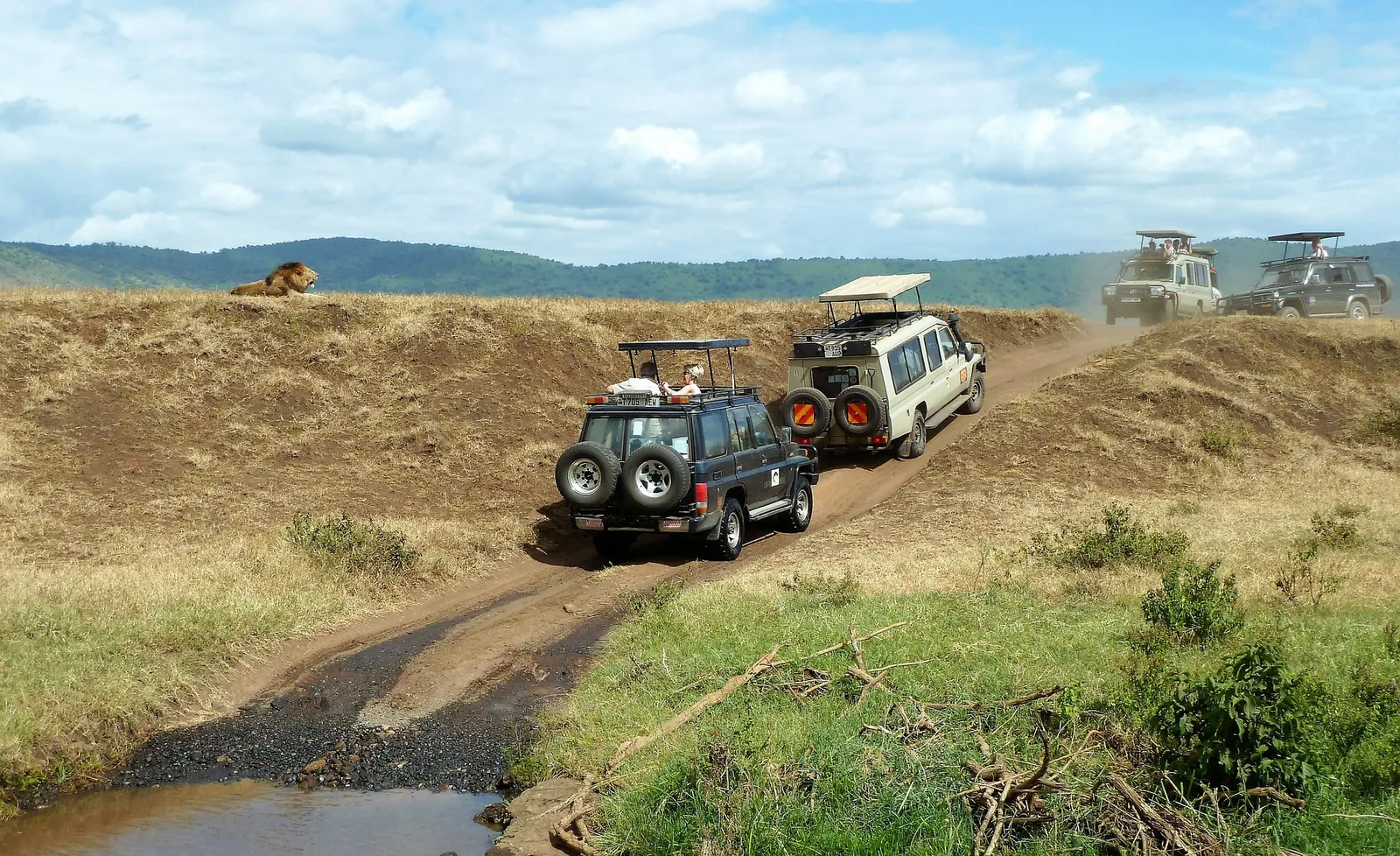
Lions, leopards, cheetahs, elephants, giraffes, hippos, hyenas and vast herds of plains game. See the Serengeti wildlife guide.
Are river crossings guaranteed?
No. Crossings depend on herd movement and cannot be predicted precisely.
Is it good for birds?
Yes. See Serengeti birding.
Where to Stay
Which region should I choose?
Central areas suit year-round viewing, while north, south or west suit certain seasons. See where to stay in the Serengeti and the regions guide.
Are mobile camps worth considering?
They can follow herds and give a close wilderness feel; ask your operator about seasonal options.
Should I split my stay?
Often yes, because it reduces driving between regions.
Activities
What can I do?
Game drives dominate, with balloon flights and cultural visits as extras. See Serengeti activities.
Are balloon flights worth it?
Many visitors rate them highly; see the Serengeti hot-air balloon safari.
Can I do night drives?
Rules vary by area, so ask your operator.
Practicalities
How many days do I need?
Three nights is a minimum, and four to five is more comfortable. See Serengeti itineraries.
Do I need malaria tablets?
Consult a doctor; read the health and malaria guide.
Is it safe?
Safaris are well organised; follow your guide’s instructions. See Tanzania safari safety.
How to Use These Answers
The Serengeti rewards planning more than most parks, because the park is huge and the herds move. Start by deciding which season you can travel in, then choose a region that suits it, and only then think about the style of camp. A traveller who wants calving on the southern plains in the early months needs a very different base from one who wants the northern river crossings in the later months. Operators who know the park can describe the options clearly, and it helps to ask them where the herds have been in recent weeks rather than relying on a calendar alone.
It also helps to leave slack in the plan. Long drives between regions use up daylight that could be spent watching animals, so many visitors stay in two bases rather than three. Flights between airstrips save time, and road links through Ngorongoro are scenic but take longer. Whichever you choose, allow for a relaxed first morning, because the first game drive of a trip is always the one where you learn how your guide works.
For park detail, read the Serengeti National Park guide. For comparisons with the Kenyan side, see the Mara and Serengeti combination guide.
Planning a Uganda safari? Send us your dates and we will build the route, permits and transport around what you want to see.
Related Tours, Guides and Resources
- Ameera Africa Safaris homepage: Uganda safaris, tours and holidays
- Uganda safari packages
- Uganda travel guide
- How to book a Uganda safari
- Plan your safari with our team
Itineraries That Include This Experience
Frequently Asked Questions
Related Uganda Safari Pages
- Serengeti Wildlife Guide: Lions, Leopards, Cheetahs and the Migration
- Best Time to Visit the Serengeti: Migration, Calving and Seasons by Month
- Serengeti Itineraries: 3, 5 and 7 Day Sample Safaris Following the Migration
- Where to Stay in the Serengeti: Regions, Camp Types and How to Choose
- Tanzania Safari FAQs: Answers to the Most Common Questions
- Tanzania Safari and Travel Guides: Serengeti, Ngorongoro, Kilimanjaro and Zanzibar
- Tarangire National Park FAQs: Your Questions Answered
- Udzungwa Mountains National Park FAQs: Your Questions Answered
- Saadani National Park FAQs: Your Questions Answered
Ready to Plan Your Uganda Safari?
Tell us your dates, group size and interests and our Kampala team will reply with a clear, personal itinerary.
Back to the Ameera Africa Safaris homepage for Uganda safari holidays, our featured tours and the latest Uganda park fees.