
Mount Kenya and Masai Mara Best Time to Go: Seasons, Climbing Months and Migration
The best overall window is the dry period from late June to early October, which suits Mara migration viewing and gives good conditions on Mount Kenya, with January and February as a quieter alternative.
The mountain and the Mara respond to the same rainy seasons, so a single dry window usually serves both. The difference is that mountain weather is more unpredictable at altitude, while the Mara's peak wildlife months are tied to the migration.
Use the table and notes below to weigh clear skies, crowds and wildlife.
This guide is part of our Uganda road routes and driving guide. When you are ready to plan, see our Uganda safari packages or the Ameera Africa Safaris Uganda tours homepage.
At a glance
- Best overall: Late June to early October
- Quiet alternative: January and February
- Long rains: March to May
- Short rains: Around November
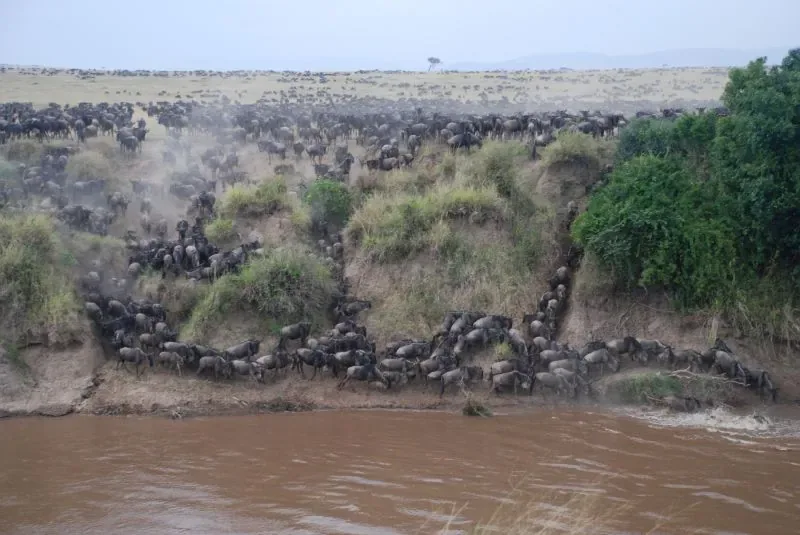
- Migration: Roughly July to October
Month by Month
| Months | Mount Kenya | Masai Mara |
|---|---|---|
| January and February | Often clear, good trekking | Warm and mostly dry, fewer visitors |
| March to May | Wet and cloudy, hard going | Lush, quiet, some muddy roads |
| June | Drying, improving views | Herds start arriving, drier |
| July to September | Good trekking, cold nights | Peak migration and crossings |
| October | Mixed, rains returning | Late migration, getting green |
| November and December | Short rains, unsettled | Green, quiet then festive demand |
The Dry Windows
Mount Kenya is usually most reliable in the drier periods of January to February and late summer into early autumn. These months give a better chance of clear summit views, though nights are cold at altitude all year. The Mara is dry from roughly June to October. The overlap in late summer is why many combination trips are booked for August and September.
Migration Considerations
If crossings matter to you, aim for August or September, but remember that herd movements vary with rainfall and cannot be guaranteed. Read Mara migration calendar and best time to visit the Masai Mara. Staying longer in the Mara raises your chances of seeing a crossing.
Rainy Seasons and Green Travel
March to May is wet, and mountain trails can be muddy and cold. The Mara is lush and quiet and rates are often lower, so a safari-heavy trip with modest mountain walks can still work. See Kenya long rains travel guide and short rains travel guide.
Mountain Weather Reality
Mount Kenya can be cold, windy and cloudy at any time, and afternoon cloud often hides the peaks. Start walks early, carry waterproofs and treat forecasts as guidance only. Read best time to visit Mount Kenya for detail on the climbing seasons.
Choosing Your Dates
If you want the best of both, pick late August to September. For fewer visitors and calmer pricing, consider January or February. See best time to visit Kenya and keep flexible dates where possible.
Packing for the Seasons
Because you will experience two climates, pack for both in every season. Mountain nights are cold even in the driest months, so bring thermal layers, gloves and a warm hat. In the Mara, mornings can be chilly in open vehicles during the dry season, while middays are hot and dusty. In the wet months add waterproof jackets and trousers and quick-drying clothing. Read the East Africa packing list and Mount Kenya timing guide to refine your list for the month you choose.
Crowds, Availability and Booking
Peak months fill quickly. Mountain guides and huts are limited, and Mara camps in migration season can be fully booked many months ahead. If you want flexibility, choose shoulder periods such as January and February or the early part of the long rains, when availability is better and the countryside is green. Consider avoiding Christmas and New Year if you dislike crowded camps. A good operator can tell you which weeks are busiest. See Kenya safari booking timeline for when to confirm each element.
Keep Planning This Combination
More planning pages: combination overview, medium itinerary, long itinerary, practical guide, questions and answers.
Planning a Uganda safari? Send us your dates and we will build the route, permits and transport around what you want to see.
Related Tours, Guides and Resources
- Ameera Africa Safaris homepage: Uganda safaris, tours and holidays
- Uganda safari packages
- Uganda travel guide
- How to book a Uganda safari
- Plan your safari with our team
Itineraries That Include This Experience
Frequently Asked Questions
Related Uganda Safari Pages
- Mount Kenya and Masai Mara Combination: Snow Peaks and Savannah in One Kenya Trip
- Mount Kenya: Climbing Routes, Point Lenana and Trekking Guide
- Masai Mara National Reserve: Great Migration, Wildlife and Best Time to Visit
- Nairobi to Masai Mara: By Road or by Flight, Times and What to Expect
- Best Time to Visit Mount Kenya: Dry Seasons, Trekking Conditions and Views
- Best Time to Visit Kenya: Dry Seasons, Migration Months and Coast Weather
- Mount Kenya and Masai Mara Practical Guide: Fitness, Kit, Health and Entry
- Mount Kenya and Masai Mara Combination FAQs: 12 Questions Answered
- Kenya Masai Mara and Rwanda Gorillas Combination: Savannah Big Cats and Mountain Gorillas
- East Africa Combination Safaris: Multi-Country Trip Planning Guides
Ready to Plan Your Uganda Safari?
Tell us your dates, group size and interests and our Kampala team will reply with a clear, personal itinerary.
Back to the Ameera Africa Safaris homepage for Uganda safaris, our featured tours and the latest Uganda park fees.