
Nyungwe in the Dry Season: Firmer Trails, Canopy Walks and Chimpanzee Tracking
The drier months in Nyungwe, mainly June to August and a shorter spell around December to February, bring firmer trails, easier roads and the most comfortable conditions for forest walking.
Nyungwe is a montane rainforest, so it is never truly dry, and showers or mist can arrive in any month. What changes in the drier periods is how often and how heavily it rains, which transforms the footing on the trails, the visibility from the canopy walkway and the comfort of long days on foot.
This page looks at what the dry season offers in Nyungwe, how the animals and birds behave, and who benefits most. Compare it with Nyungwe in the rainy season and the wider Nyungwe best-time guide.
This guide is part of our Uganda month-by-month and seasonal guide. When you are ready to plan, see our Uganda safari packages or the Ameera Africa Safaris Uganda tours homepage.
At a glance
- Drier periods: Mainly June to August, and December to February
- Trails: Firmer, less slippery
- Mornings: Cool and often misty
- Highlights: Chimpanzees, colobus, canopy walk
- Pack: Layers and light waterproof
Conditions in the Drier Months
Even in the best weeks, expect cool mornings, mist that lifts slowly and the occasional shower. The difference is that dry spells last longer, the red clay of the trails firms up and rivers are lower. Daytime can feel pleasantly mild in the clearings, while under the canopy the air stays cool and damp. Because Nyungwe lies at altitude, nights are chilly, and a warm layer is useful in the evening. Weather is never guaranteed in a rainforest, so plan for both sun and rain even in the so-called dry months.
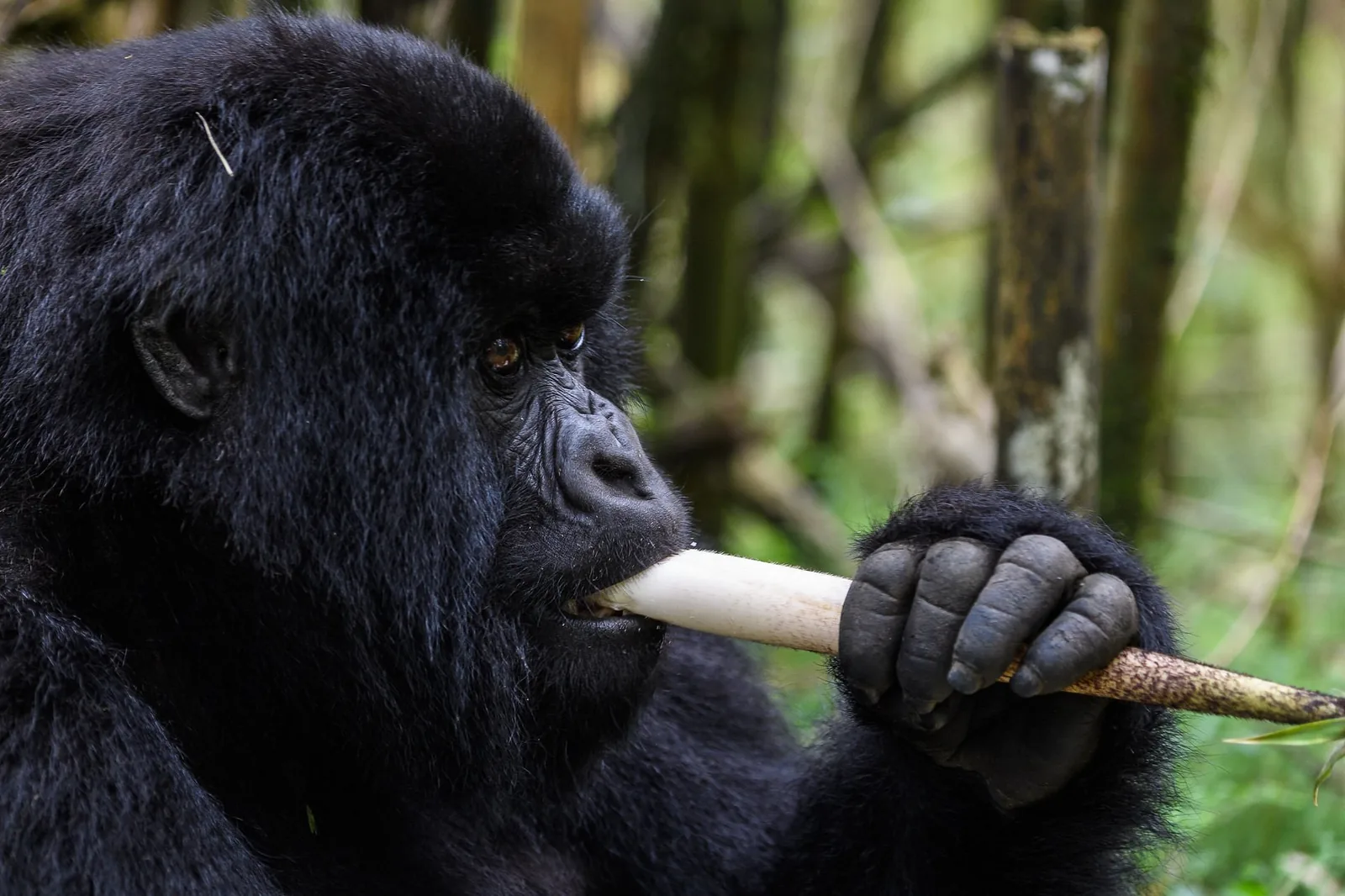
Chimpanzee and Primate Tracking
Chimpanzee tracking starts early, usually before dawn, because the groups are most easily found while they are feeding and moving in the morning. Drier ground makes the descent and the scramble through undergrowth less tiring, and fewer rain-soaked leaves means less slipping. Nyungwe also holds large troops of Angolan colobus and several other monkey species, which are visible in all seasons. See the Nyungwe wildlife guide and chimpanzee trekking in Nyungwe versus Kibale for what to expect.
Canopy Walk and Forest Trails
The suspended walkway is open throughout the year and gives a view over the treetops. In the drier months the haze and cloud are more likely to clear, and the metal bridge feels less slippery underfoot. Trails to waterfalls, tea estates and viewpoints are also easier to hike when the soil is firm. Rangers choose routes according to conditions on the day, so ask the park team at the start. See canopy walk and forest trails and Nyungwe activities for options.
Roads and Access
The main road across the forest is tarmac and remains passable in all seasons. The dry months make the journey from Kigali or Huye smoother, with fewer delays from heavy rain or landslides on the approaches. Allow a full day for the longer drive and build in stops for views. See Kigali to Nyungwe, Huye to Nyungwe and how to get to Nyungwe.
Birding in the Dry Months
Birding is rewarding year-round in the forest, with Albertine Rift endemics such as Rwenzori turaco and several sunbirds. In drier weather the birds are easier to spot because calls carry and the light is brighter at forest edges. Migrants are fewer during the June to August period, as many Palearctic visitors arrive later in the year. See Nyungwe birding for species groups and tips.
What to Pack
Even in the dry season pack for cool, damp conditions: a light waterproof jacket, a fleece, long trousers, sturdy boots and gaiters for the clay and the leeches that may occasionally be present. Bring a hat, sunscreen for the clearings and insect repellent. A small daypack with a rain cover is useful. See the East Africa packing list for a broader checklist.
Who the Dry Season Suits
The dry period suits first-time forest visitors, anyone with limited mobility who wants firmer ground, and travellers who want to combine Nyungwe with gorilla trekking in the north and savanna in Akagera in a single, drier trip. It is also a popular time overall, so book accommodation and activities early. See Nyungwe itineraries and Rwanda in July for planning.
Planning a Uganda safari? Send us your dates and we will build the route, permits and transport around what you want to see.
Related Tours, Guides and Resources
- Ameera Africa Safaris homepage: Uganda safaris, tours and holidays
- Uganda safari packages
- Uganda travel guide
- How to book a Uganda safari
- Plan your safari with our team
Itineraries That Include This Experience

Frequently Asked Questions
Related Uganda Safari Pages
- Nyungwe National Park, Rwanda: Chimpanzees, Canopy Walk and Colobus Monkeys
- Best Time to Visit Nyungwe Forest: Dry Months, Rain and Chimpanzee Tracking Conditions
- Nyungwe in the Rainy Season: Green Forest, Mist and Quiet Trails
- Where to Stay in and Near Nyungwe Forest: Areas, Lodge Types and Booking Questions
- Best Time to Visit Rwanda: Dry Seasons, Rainy Seasons and Month-by-Month Tips
- Akagera in the Dry Season: Waterholes, Open Views and Big Game Drives
- Akagera in the Rainy Season: Green Savanna, Birds and Fewer Vehicles
- Rwanda Safari and Travel Guides: Gorillas, Volcanoes, Nyungwe, Akagera and Kigali
Ready to Plan Your Uganda Safari?
Tell us your dates, group size and interests and our Kampala team will reply with a clear, personal itinerary.
Back to the Ameera Africa Safaris homepage for gorilla trekking safaris in Uganda, our featured tours and the latest Uganda park fees.