
Usambara Mountains Hiking: Lushoto, Viewpoints and Village Walks
The Usambara Mountains offer cool, green walking country around Lushoto, where footpaths link farms, forest patches, viewpoints and villages and a day on foot feels a world away from the savannah.
Rising from the plains in north-eastern Tanzania, the Usambaras are part of the ancient Eastern Arc range. The hills are steep, terraced and densely farmed, with pockets of montane forest that are important for plants, birds and small creatures.
Hiking here is about people and landscape as much as wildlife. This guide explains how the walks work, what to expect and how to combine the mountains with a safari or the coast. For birds specifically see West Usambara birding.
This guide is part of our Uganda park trails and activities guide. When you are ready to plan, see our Uganda safari packages or the Ameera Africa Safaris Uganda tours homepage.
At a glance
- Base: Lushoto and nearby villages
- Style: Day walks and village stays
- Terrain: Steep hills, farms, forest
- Climate: Cool and often misty
- Pairs with: Coast, Tanga, northern safari
The Landscape
The West Usambaras are a patchwork of vegetable terraces, fruit trees, eucalyptus and surviving indigenous forest, cut by streams and dotted with small settlements. The air is noticeably cooler than on the plains, and mist can drift across the ridges, especially early in the day. Views over the plains from the escarpment are a highlight.
The mountains are among the most biologically distinctive in Tanzania, and many plant and animal species here are found in few other places. Walkers do not need to be naturalists to enjoy this, but local guides add a great deal by pointing out the forest, the crops and the history of the area.
Typical Walks
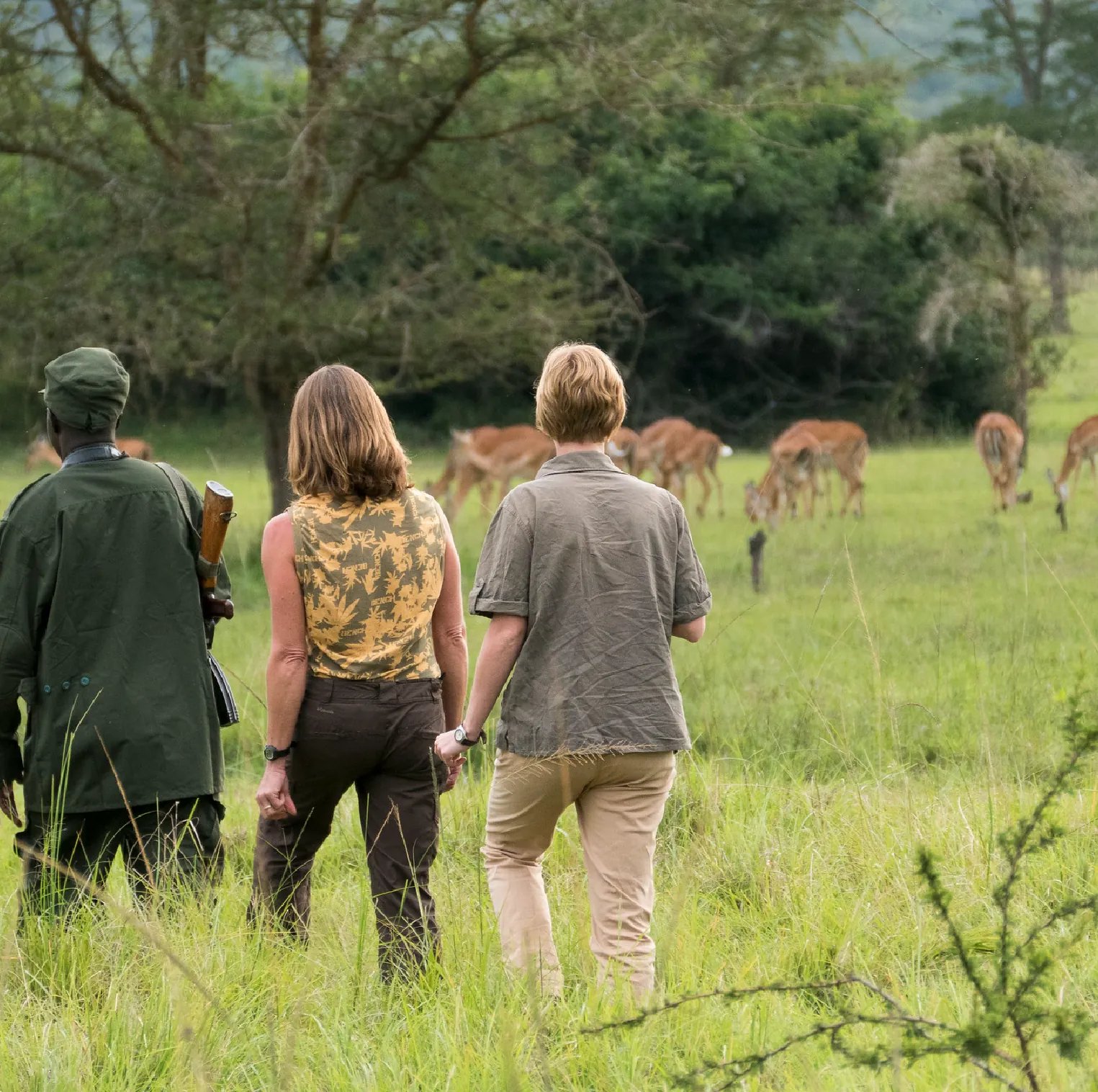
Walks range from a gentle morning around Lushoto to a full day linking viewpoints and villages. Popular objectives include scenic overlooks above the plains, forest reserves and waterfalls, and longer routes that cross ridges and descend through farmland. Most paths are everyday routes used by local people, so you share the trail with farmers, children and traders.
Distances and times vary by route, and a guide can fit the walk to your pace. Many operators offer village-based programmes where a local guide leads you through the community and explains daily life, farming and crafts. Ask for walks that begin and end at your lodging so you avoid long transfers.
Village Visits and Ethical Walking
- Choose guides and programmes run by or clearly benefiting local people.
- Ask permission before photographing individuals, and never hand out sweets or money to children.
- Buy produce and crafts directly from villagers where you can.
- Stay on established paths and keep farmland and crops undisturbed.
- Learn a few Swahili greetings; they open conversations on the trail.
- Carry out any rubbish you generate.
Getting There and Where to Stay
Lushoto is reached by road from the main route between the coast and Moshi and Arusha, followed by a winding climb into the hills. The last stretch is slow, so allow a relaxed day for the transfer and discuss current road conditions with your operator. See the Tanzania travel guide and getting around East Africa for the wider picture.
Accommodation is mostly small hotels, guesthouses and simple lodges, with a few more comfortable houses in the hills. Look for a base within walking distance of trailheads, and ask about hot water, heating at night and meal arrangements, because evenings are cool.
Best Season
The drier months, roughly June to October and again around January and February, are generally the most reliable for clear views and firm paths. The long rains, usually around March to May, bring lush scenery but slippery slopes and heavy cloud, and short rains can arrive around November. Patterns vary, so build in flexibility.
Even in the dry season the hills can be cool and damp in the morning, so layers matter. Our best time to visit Tanzania guide covers the national picture.
What to Pack
Bring sturdy walking shoes or boots with good grip, a light waterproof jacket, a fleece for evenings, sun protection, insect repellent and a daypack with water. Trekking poles help on steep descents. A small gift is unnecessary; money spent with local guides and businesses is the best contribution. Our East Africa packing list has more.
Fitting the Usambaras Into a Trip
The hills make an ideal contrast to a dusty safari, and they suit travellers heading between the northern parks and the coast. They also pair well with the Arusha gateway and with coastal stops such as Zanzibar. Two nights is a good minimum; three allows for a longer ridge walk and a rest day. See also mountains and hiking in East Africa.
Planning a Uganda safari? Send us your dates and we will build the route, permits and transport around what you want to see.
Related Tours, Guides and Resources
- Ameera Africa Safaris homepage: Uganda safaris, tours and holidays
- Uganda safari packages
- Uganda travel guide
- How to book a Uganda safari
- Plan your safari with our team
Itineraries That Include This Experience

Frequently Asked Questions
Related Uganda Safari Pages
- Birding in the West Usambara Mountains: Montane Forest Birds Around Lushoto
- Tanzania Travel Guide: Where It Is, Capital, Map, Parks and Best Time to Visit
- East Africa Mountains and Hiking: Kilimanjaro, Mount Kenya, Rwenzori and Elgon
- Best Time to Visit Tanzania: Safari Seasons, Kilimanjaro Weather and Zanzibar
- Lamu Dhow Trips: Sailing the Archipelago on a Traditional Boat
- Whale Sharks at Mafia Island: Snorkelling With Gentle Giants
- Mountain Biking in Kenya: Hell's Gate, Naivasha and Laikipia on Two Wheels
- Tanzania Safari and Travel Guides: Serengeti, Ngorongoro, Kilimanjaro and Zanzibar
Ready to Plan Your Uganda Safari?
Tell us your dates, group size and interests and our Kampala team will reply with a clear, personal itinerary.
Back to the Ameera Africa Safaris homepage for Uganda safari holidays, our featured tours and the latest Uganda park fees.