
A Day in the Life of a Tanzania Safari: What a Typical Safari Day Looks Like
A typical Tanzania safari day follows the animals: an early start for a dawn drive, a rest at midday, a second drive in the late afternoon and an evening around the campfire or dinner table.
Safari days have a rhythm that surprises many first-timers. Wildlife is most active when the air is cool, so the day starts early and slows in the middle.
Here is how a day usually unfolds, with variations for full-day drives and fly-in days.
This guide is part of our Uganda facts and travel information guide. When you are ready to plan, see our Uganda safari packages or the Ameera Africa Safaris Uganda tours homepage.
At a glance
- Wake-up: Before dawn
- Morning drive: Cool, active wildlife
- Midday: Rest, lunch, pool or reading
- Afternoon drive: Warm light, predators waking
- Evening: Sundowner, dinner, stars
Before Dawn: Wake-Up and Coffee
A knock on the tent or door brings tea or coffee while it is still dark, often accompanied by the sounds of the bush waking up. You dress in layers, because the first hour can be chilly even in warm months, and meet your guide at the vehicle. Some camps offer a light breakfast before departure, while others serve a full meal after the drive. Pack binoculars, camera, hat, sunscreen and a jacket. Early starts feel demanding on the first morning and become a pleasure by the third. See game drives explained for how drives are run.
The Morning Game Drive
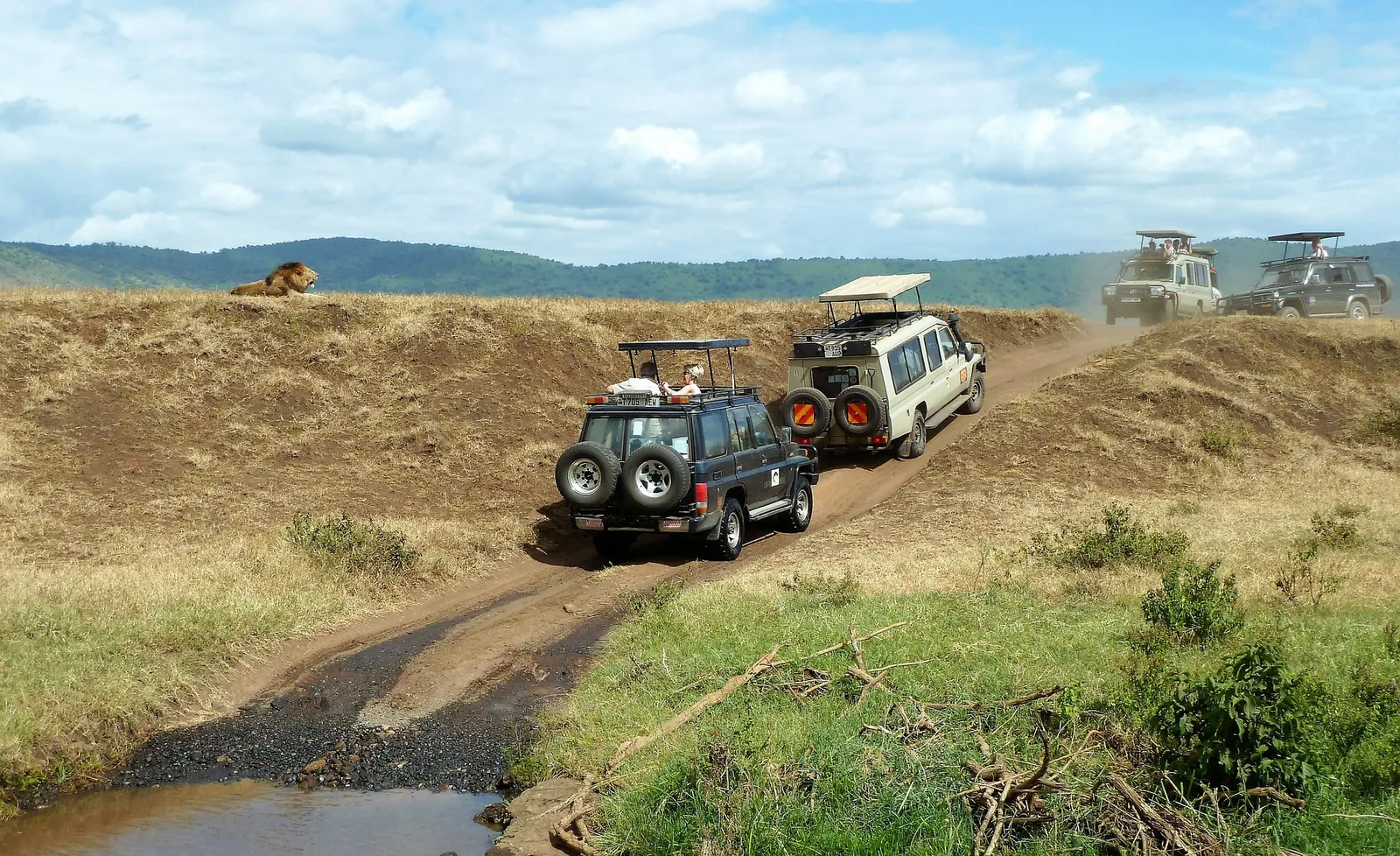
As light grows, predators finish the night's hunting and herbivores graze. Your guide reads tracks, follows radio calls from other guides and listens for alarm calls. Drives rarely follow a fixed route, because wildlife does not keep a timetable. You might spend an hour with a pride of lions or move through open plains looking for cheetahs.
Mid-morning, many groups stop at a safe place for a breakfast or coffee break. Patience is rewarded: waiting quietly at a waterhole or a river often shows more than driving constantly. See Serengeti wildlife guide for what to look for.
Midday: Rest and Lunch
The heat and the quiet midday hours are when many animals rest, and travellers do too. Return to camp for lunch, a shower, a swim if there is a pool, a nap, journaling or a talk with staff. Some lodges offer short walks, cultural visits or spa treatments. On full-day drives you take a picnic lunch and stay out, which suits migration season when travelling between areas is worthwhile. Midday is also a good time to back up photos and recharge batteries. See internet, SIM cards and electricity.
The Afternoon Drive
| Time of day | What you might see |
|---|---|
| Dawn | Big cats finishing hunts, active herds |
| Mid-morning | Elephants, giraffes, birds |
| Midday | Resting animals, waterholes |
| Late afternoon | Predators waking, golden light for photography |
| Dusk | Leopards, hyenas, nocturnal species emerging |
Park rules require vehicles to be back at camp or out of the park by a set time, so afternoon drives are planned around closing times.
Sundowners, Dinner and the Night
Some drives end with a drink at a viewpoint as the sun sets, a tradition known as a sundowner. Back at camp, you might wash, gather around a fire and swap sightings before dinner. Evenings are quiet, because the camp is in the wild: listen for hyenas, lions and owls. Guides often escort guests to their rooms in the dark for safety. Bedtime tends to be early, so you can enjoy the next dawn. See night drives and walking safaris for options where permitted.
Variations: Fly-In, Walking and Crater Days
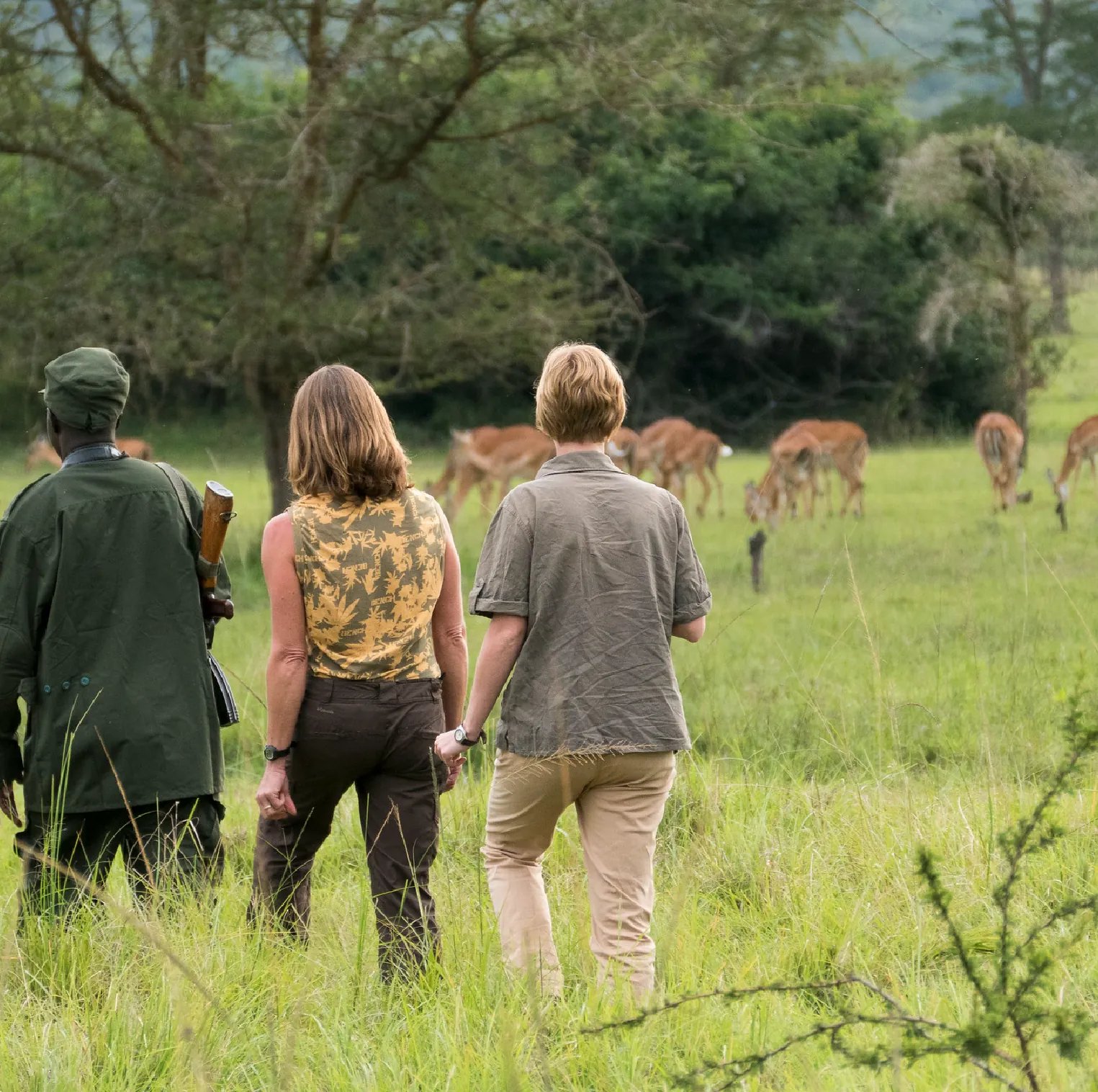
Transfer days involve a morning flight or road journey, often with a game drive on arrival. Ngorongoro days begin with an early descent into the crater and end with a return to the rim before afternoon. Walking days on private concessions start at first light and finish by mid-morning. See Ngorongoro Crater guide and walking safaris in Tanzania for examples.
Tips for Enjoying Every Day
Go to bed early, drink water, keep a sense of humour about dust and bumps and ask your guide questions. Do not chase a checklist. Spend time with fewer sightings and watch behaviour. Bring layers and a small daypack. For packing see the East Africa packing list, and for a sense of itineraries see Tanzania safari itineraries.
Planning a Uganda safari? Send us your dates and we will build the route, permits and transport around what you want to see.
Related Tours, Guides and Resources
- Ameera Africa Safaris homepage: Uganda safaris, tours and holidays
- Uganda safari packages
- Uganda travel guide
- How to book a Uganda safari
- Plan your safari with our team
Itineraries That Include This Experience
Frequently Asked Questions
Related Uganda Safari Pages
- Game Drives Explained: What Happens on a Safari Drive in East Africa
- Serengeti Wildlife Guide: Lions, Leopards, Cheetahs and the Migration
- Tanzania Safari Itineraries: 4, 7 and 10 Day Ideas for the North, South and Zanzibar
- East Africa Safari Packing List: What to Pack for Uganda, Kenya, Tanzania and Rwanda
- Tanzania Safari FAQs: Answers to the Most Common Questions
- Tanzania Safari Lodging Types Explained: Lodges, Tented Camps, Mobile Camps and More
- Tanzania Safari Safety: Staying Safe in Parks, Cities and on the Road
- Tanzania Safari and Travel Guides: Serengeti, Ngorongoro, Kilimanjaro and Zanzibar
Ready to Plan Your Uganda Safari?
Tell us your dates, group size and interests and our Kampala team will reply with a clear, personal itinerary.
Back to the Ameera Africa Safaris homepage for Uganda tours, our featured tours and the latest Uganda park fees.