
Tanzania 8-Day Safari Itinerary: Tarangire, Crater and a Deep Serengeti Stay
Eight days lets you split the Serengeti into two regions, which reduces repeat ground and gives you a better feel for how different its landscapes are.
The Serengeti is huge, and staying in two areas rather than one is a good use of a longer itinerary. This plan starts with Tarangire, drops into Ngorongoro on a relaxed schedule and then devotes three nights to the Serengeti.
Compared with the 7-day plan it adds a second Ngorongoro night, and compared with the 4, 7 and 10 day options it is the one to choose for balanced pacing.
This guide is part of our Uganda road routes and driving guide. When you are ready to plan, see our Uganda safari packages or the Ameera Africa Safaris Uganda tours homepage.
At a glance
- Length: 8 days, 7 nights
- Route: Arusha, Tarangire, Ngorongoro, Serengeti
- Pace: Relaxed
- Best for: Regional variety in the Serengeti
- Best season: June to October; January to March
Day-by-Day Outline
| Day | Plan |
|---|---|
| Day 1 | Arrive, rest in Arusha. |
| Day 2 | Drive to Tarangire; full-day game drive. |
| Day 3 | Travel to the Ngorongoro rim. |
| Day 4 | Crater descent at dawn, then travel to the Serengeti. |
| Day 5 | Central Serengeti full day. |
| Day 6 | Move to a second region, such as the north or the western corridor depending on season. |
| Day 7 | Full day in the second region. |
| Day 8 | Fly to Arusha for departure. |
Why Two Serengeti Regions
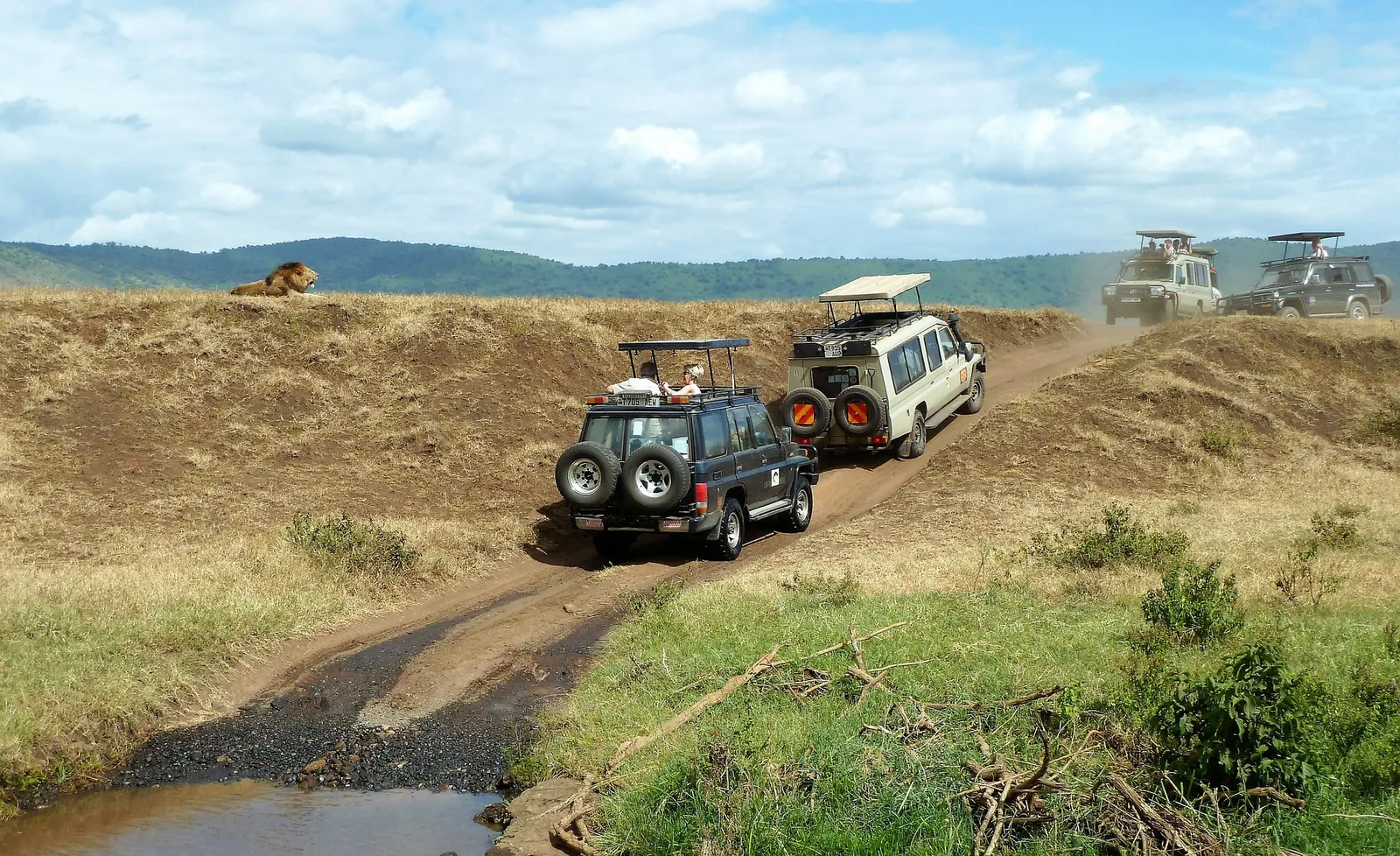
The park's plains, kopjes, woodlands and river corridors host different wildlife at different times. By changing region, you can follow the herds or choose quieter landscapes. Central Seronera is reliable for cats, the north is associated with river crossings in the dry season, and the south hosts calving in the early months of the year. See Serengeti regions explained.
Tarangire and Ngorongoro
Tarangire is a good opening day for elephants and baobabs. Ngorongoro then provides contrast: cool air, a vast caldera and dense wildlife. The extra time here allows an afternoon at the rim rather than a hurried arrival. Review Tarangire activities and beyond the crater.
Flying Within the Serengeti
Moving between regions is faster by light aircraft, but your operator will advise on road options and schedules. Baggage limits apply. For general guidance see Tanzania domestic flights. Road transfers within the park can be long and bumpy but give extra game viewing.
Seasonal Notes
Between June and October the north is the classic migration area, while January to March focuses attention on the south. April and May are quieter. Check the Serengeti migration calendar and note that herd movements vary and cannot be guaranteed.
Pacing and Wellbeing
- Take a short break on day 3 rather than rush; the highlands are cool and restful.
- Hydrate and use sun protection on long open drives.
- Pack layers; see what to wear on safari.
- Consider a morning off after the crater descent.
- Check health advice in the Tanzania health guide.
Variations
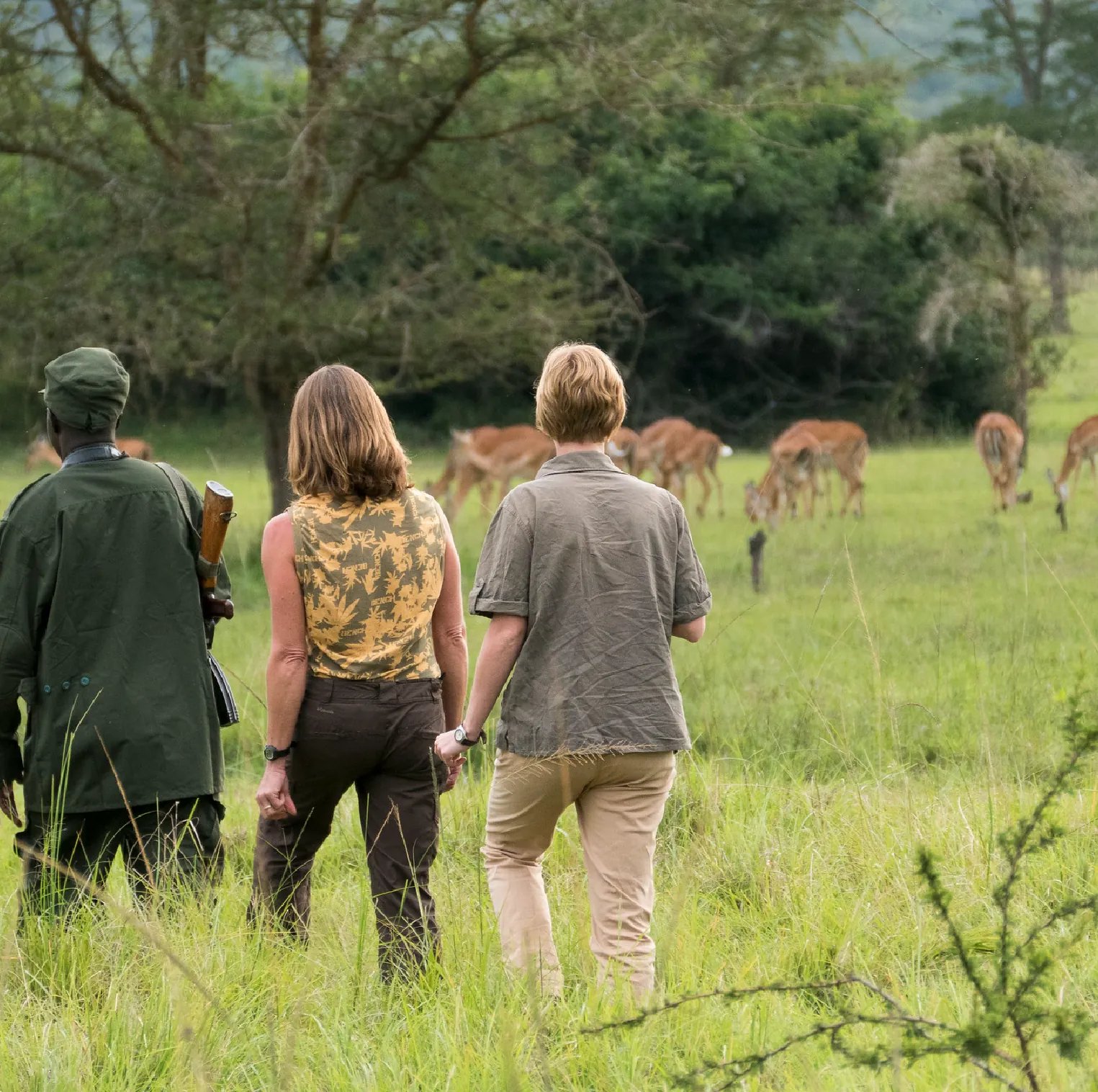
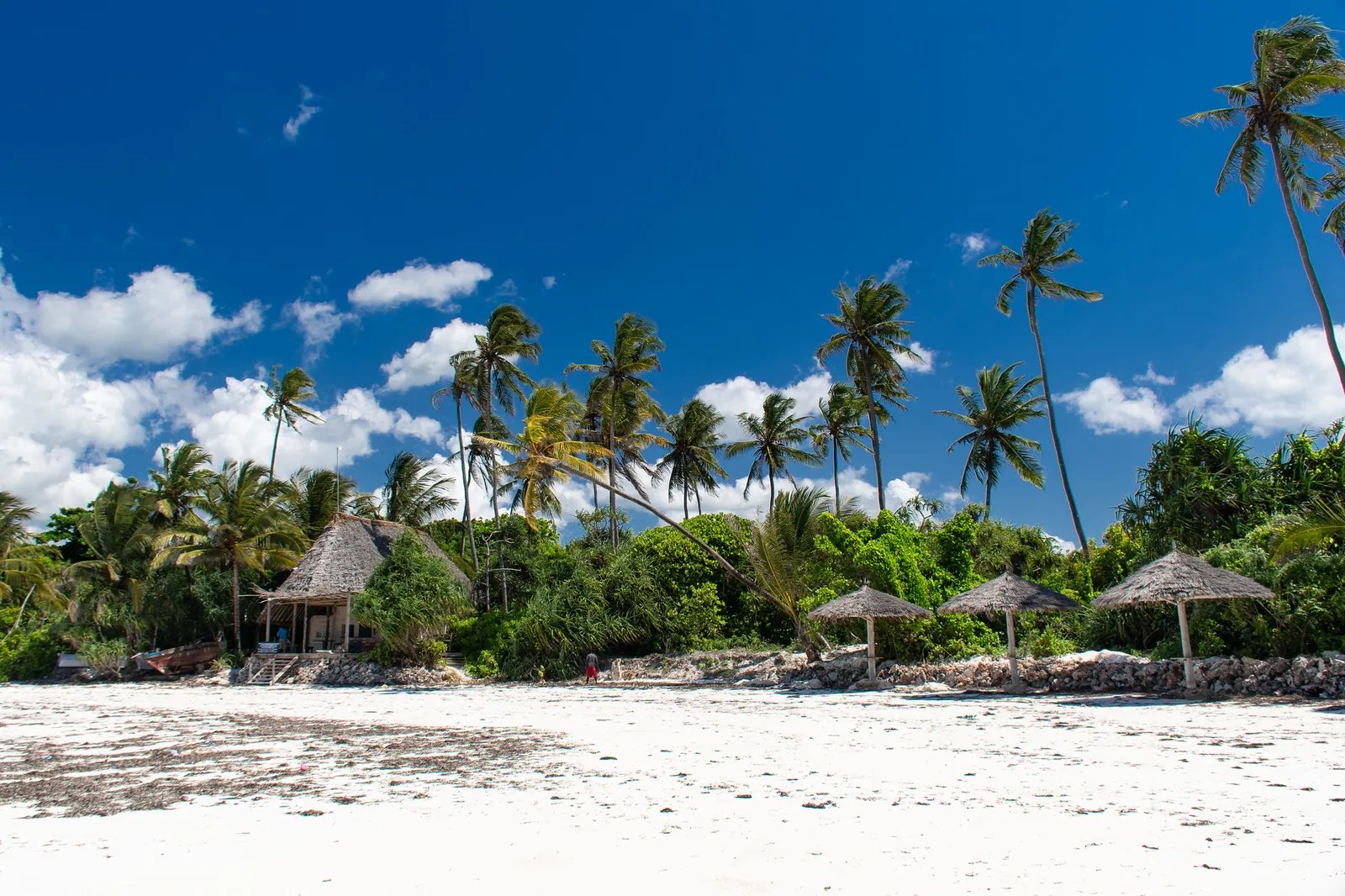
Replace the second Serengeti region with Lake Eyasi or Lake Natron for culture and landscapes; see Lake Eyasi stays and Arusha to Lake Natron. For a walking element see the walking itinerary. For beach extensions see Zanzibar beaches.
Choosing Between Lodges and Camps
With eight days you have room to mix accommodation. A lodge near the Ngorongoro rim gives views and a comfortable base, while a smaller tented camp in the Serengeti puts you close to the sounds of the bush at night. Ask how far each property is from the areas you want to drive, because a long transfer before each game drive eats into the day. Questions on room types, power for camera batteries and early breakfast arrangements are worth settling before you pay a deposit.
Read lodging types explained for the differences between fixed lodges, tented camps and mobile options, and where to stay near Ngorongoro for the rim.
Photography and Wildlife Viewing Tips
A longer itinerary gives you a chance to learn the rhythm of each park. Use early light for cats and plains game, and the quieter midday for birds, landscapes and checking equipment. Ask your guide to turn off the engine at sightings, since vibration blurs long lenses. Keep the lens cloth handy because dust is constant on dry-season tracks. See the safari photography gear guide and game drives explained.
Planning a Uganda safari? Send us your dates and we will build the route, permits and transport around what you want to see.
Related Tours, Guides and Resources
- Ameera Africa Safaris homepage: Uganda safaris, tours and holidays
- Uganda safari packages
- Uganda travel guide
- How to book a Uganda safari
- Plan your safari with our team
Itineraries That Include This Experience
Frequently Asked Questions
Related Uganda Safari Pages
- Tanzania Safari Itineraries: 4, 7 and 10 Day Ideas for the North, South and Zanzibar
- Serengeti Itineraries: 3, 5 and 7 Day Sample Safaris Following the Migration
- Tarangire National Park Itineraries: Day Trips, 2 Day, 4 Day and 7 Day Sample Safaris
- Senior-Friendly Tanzania Safari Itinerary: A Gentle Pace With Comfortable Game Viewing
- Tanzania 10-Day Safari Itinerary: North and South in One Trip
- Tanzania 12-Day Safari Itinerary: Northern Parks, Eyasi Culture and Zanzibar
- Kenya Christmas and New Year Safari: Planning, Booking and Itinerary Ideas
- Tanzania Safari and Travel Guides: Serengeti, Ngorongoro, Kilimanjaro and Zanzibar
Ready to Plan Your Uganda Safari?
Tell us your dates, group size and interests and our Kampala team will reply with a clear, personal itinerary.
Back to the Ameera Africa Safaris homepage for Uganda tours, our featured tours and the latest Uganda park fees.