
Mkomazi National Park Itineraries: Sample Safaris of 2, 4 and 6 Days
Mkomazi is best visited as a quiet two to four day extension to a Kilimanjaro or northern circuit trip, with extra nights if you want to add the Pare and Usambara mountains.
Mkomazi National Park lies in north-eastern Tanzania, south-east of Kilimanjaro, and adjoins Kenya's Tsavo West. Its dry acacia and commiphora bush, scattered baobabs and open hills feel very different from the grassland parks of the northern circuit, and visitor numbers are low.
Because it sits away from the main safari route, the key to a good Mkomazi trip is sensible pacing. These sample itineraries show how to fit it around Arusha, Moshi and the coast.
This guide is part of our Uganda road routes and driving guide. When you are ready to plan, see our Uganda safari packages or the Ameera Africa Safaris Uganda tours homepage.
At a glance
- Region: North-east Tanzania
- Best for: Rhinos, wild dogs, quiet bush
- Typical stay: 2 to 4 nights
- Starting points: Arusha, Moshi or Kilimanjaro airport
- Pairs with: Pare and Usambara mountains, Tsavo West
How Mkomazi Fits Into a Trip
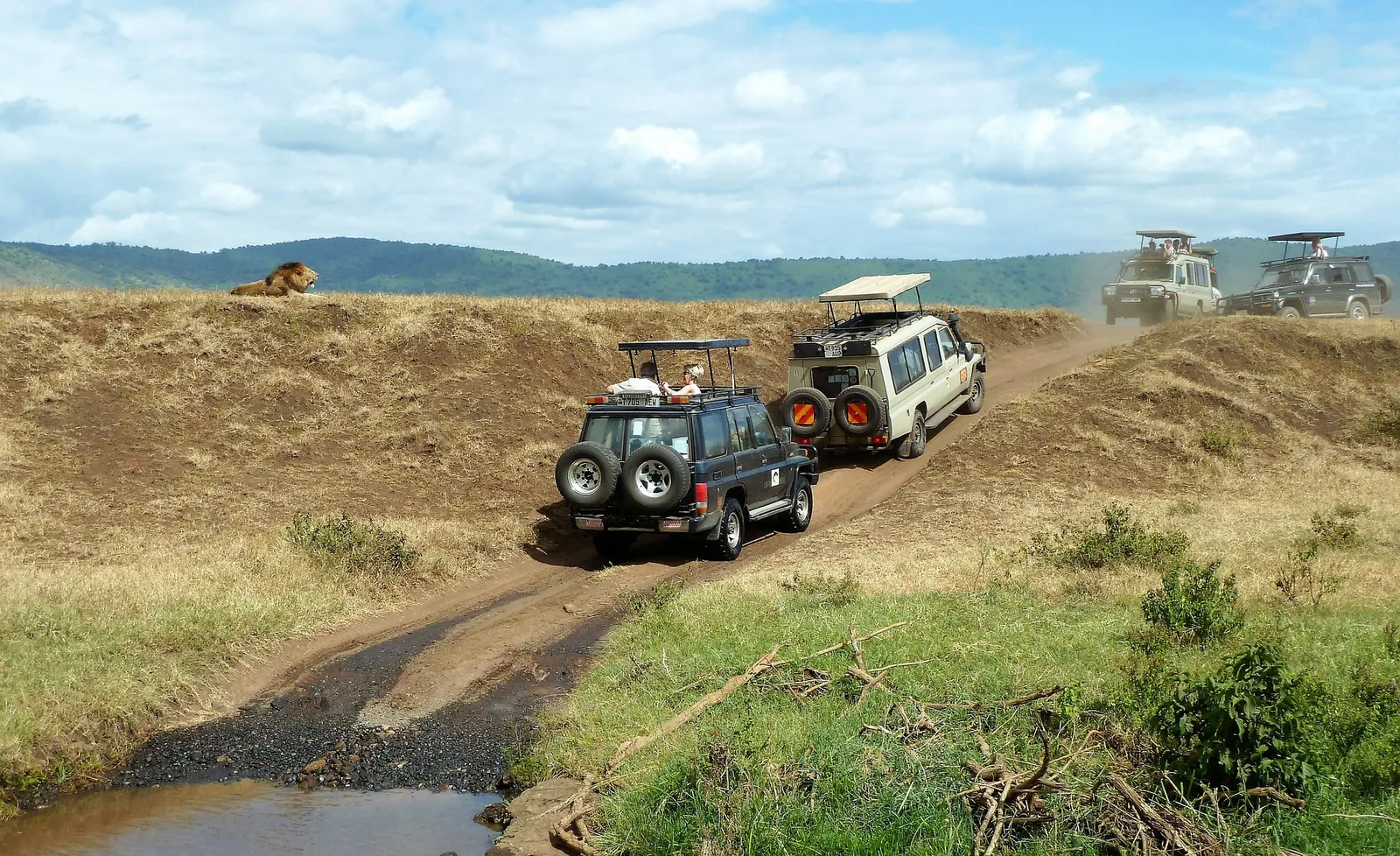
Mkomazi rarely forms a whole safari. Most travellers treat it as a quiet chapter before or after a Mount Meru and Arusha stay, a Kilimanjaro climb or a coastal holiday. The park is known for its protected black rhino sanctuary, its reintroduced African wild dogs and its dry-country wildlife such as elephants, lions and several antelope species adapted to arid bush. Roads inside are modest, game drives are unhurried and you will often have a sighting to yourself. For the wider picture of how the park compares with its neighbours, see northern versus southern circuit.
Two Day Sample Itinerary
Day one: leave Moshi or Arusha after an early breakfast and drive towards the park gate near Same, arriving in time for a lunch stop and an afternoon game drive through the bush. Overnight in a tented camp or lodge close to the park. Day two: take a dawn drive when the animals are most active, with a visit to the rhino area and a chance to look for wild dogs, then return by road for an onward flight or hotel. This is a hurried version, but it works as a rewarding add-on when you are already in the Kilimanjaro region.
Four Day Sample Itinerary
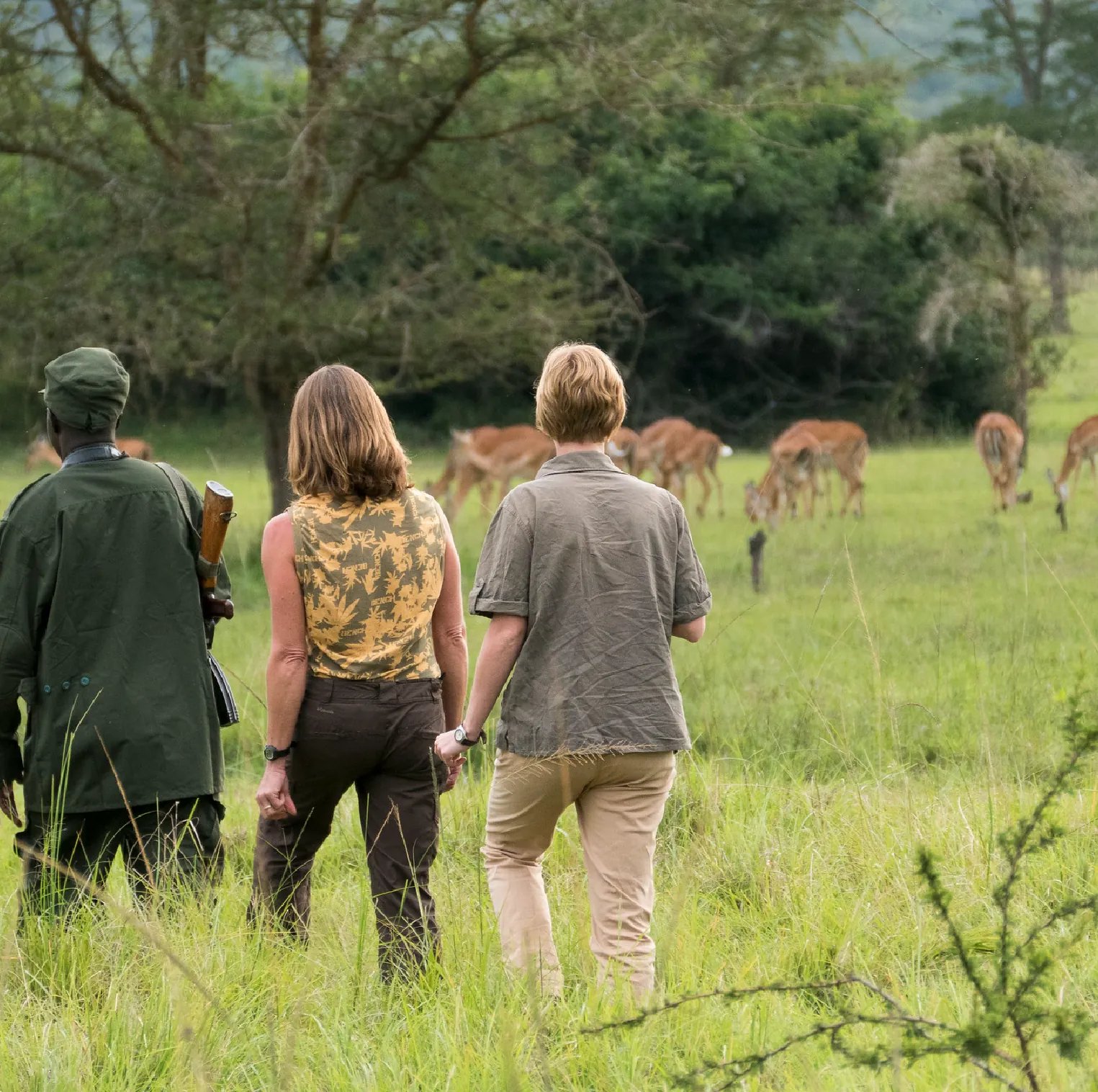
Day one: road transfer from Arusha or Kilimanjaro airport to Mkomazi, with an afternoon drive. Day two: a full day in the park with a picnic lunch, concentrating on the rhino sanctuary, waterholes and hilltop viewpoints. Day three: a morning drive, then travel to the Pare Mountains for a short forest walk and local village visit. Day four: transfer back to Moshi or Arusha. The extra night makes the long drive worthwhile and allows time for birdwatching, which is excellent in the dry-country bush. Compare with other short plans in Tanzania safari itineraries of 4, 7 and 10 days.
Six Day Sample Itinerary
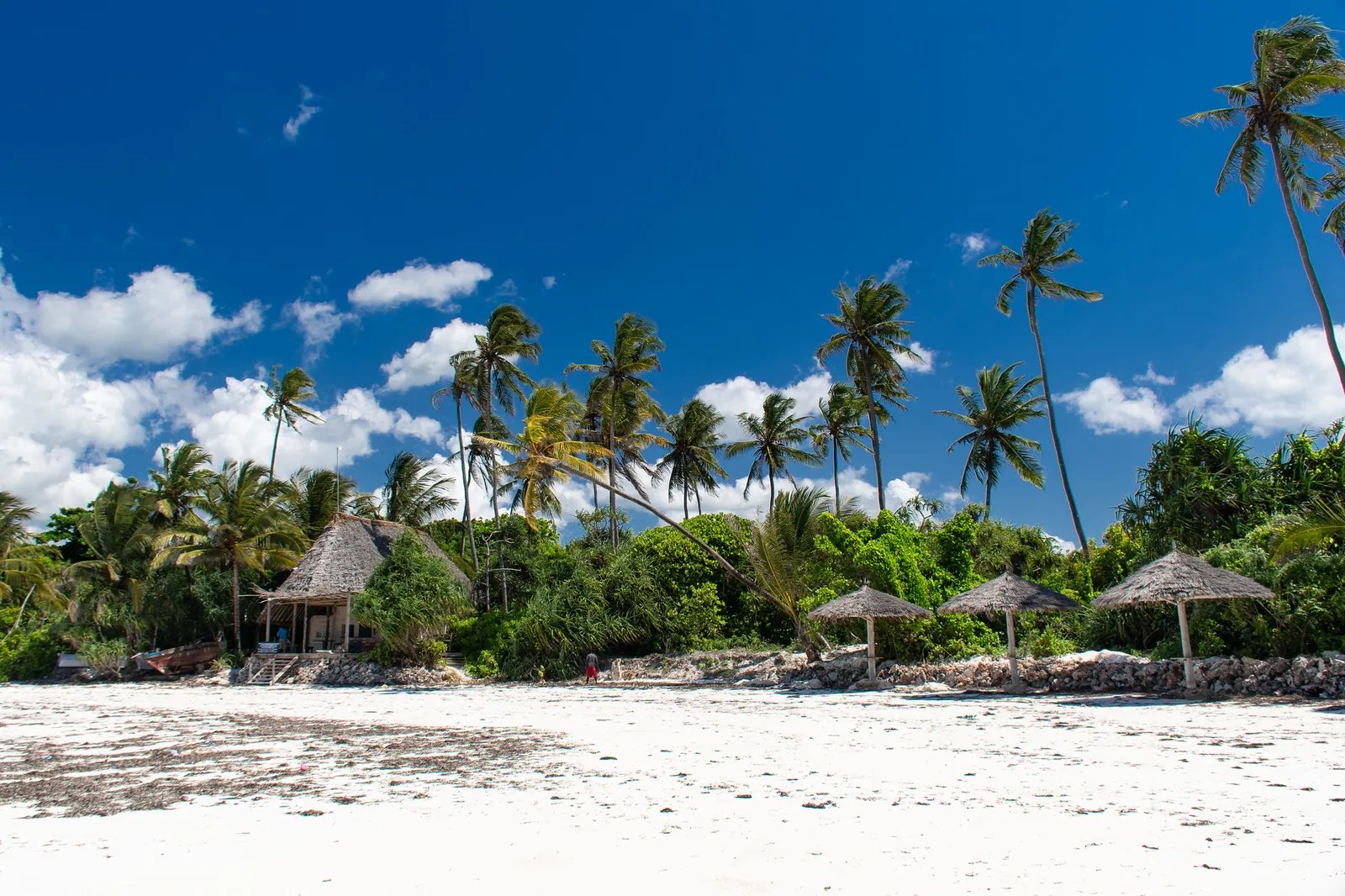
Days one and two: Mkomazi game drives and a visit to the rhino area. Days three and four: travel into the Usambara Mountains for forest hikes, viewpoints and a slower, cooler stay among farming villages. Day five: descend to the coast road and drive towards Pangani or Tanga for a quiet beach night. Day six: continue to Dar es Salaam or Zanzibar. This itinerary links the bush, the mountains and the sea and suits travellers who prefer variety over a long list of big-name sightings. Add the island with the help of the Zanzibar beaches guide.
Pacing and Practical Advice
Allow generous driving time, because journeys between parks are long and some roads are rough. Dawn and late afternoon are the best game-drive hours in hot bush country, and midday is for resting. Facilities are simpler than in the Serengeti, so confirm accommodation and fuel arrangements through your operator. Carry water, a hat and sun protection, and read the packing list before you go. Rhino areas have strict viewing rules, and your guide will explain how close vehicles may go.
When to Go
The dry months, roughly June to October and January to February, make wildlife easier to see around remaining water. The rains bring green bush, migrant birds and fewer visitors, though tracks can be slow. See best time to visit Tanzania for the broader seasonal picture and African wild dog facts if painted dogs are your priority.
Planning a Uganda safari? Send us your dates and we will build the route, permits and transport around what you want to see.
Related Tours, Guides and Resources
- Ameera Africa Safaris homepage: Uganda safaris, tours and holidays
- Uganda safari packages
- Uganda travel guide
- How to book a Uganda safari
- Plan your safari with our team
Itineraries That Include This Experience
Frequently Asked Questions
Related Uganda Safari Pages
- Tanzania Northern Circuit Safari: Route, Parks, Days and Best Time
- Saving the Black Rhino: Threats, Conservation Work and Where to See Rhinos in East Africa
- Tsavo East and Tsavo West: Kenya's Largest Parks, Red Elephants and Mzima Springs
- Arusha: Tanzania's Safari Gateway, Airports, Markets and Things to Do
- Ngorongoro Crater Itineraries: One-Day, Three-Day and Seven-Day Sample Safaris
- Nyerere National Park Itineraries: 3, 5 and 8 Day Sample Safaris
- Ruaha National Park Itineraries: 4, 6 and 9 Day Sample Safaris
- Tanzania Safari and Travel Guides: Serengeti, Ngorongoro, Kilimanjaro and Zanzibar
Ready to Plan Your Uganda Safari?
Tell us your dates, group size and interests and our Kampala team will reply with a clear, personal itinerary.
Back to the Ameera Africa Safaris homepage for Uganda safari holidays, our featured tours and the latest Uganda park fees.