
Where to Stay for Gishwati-Mukura National Park: Lake Kivu Towns and Forest-Edge Stays
Gishwati-Mukura is a young, small national park in western Rwanda, and most visitors stay in the Lake Kivu lakeshore towns or in Musanze and visit the forest on a guided day outing.
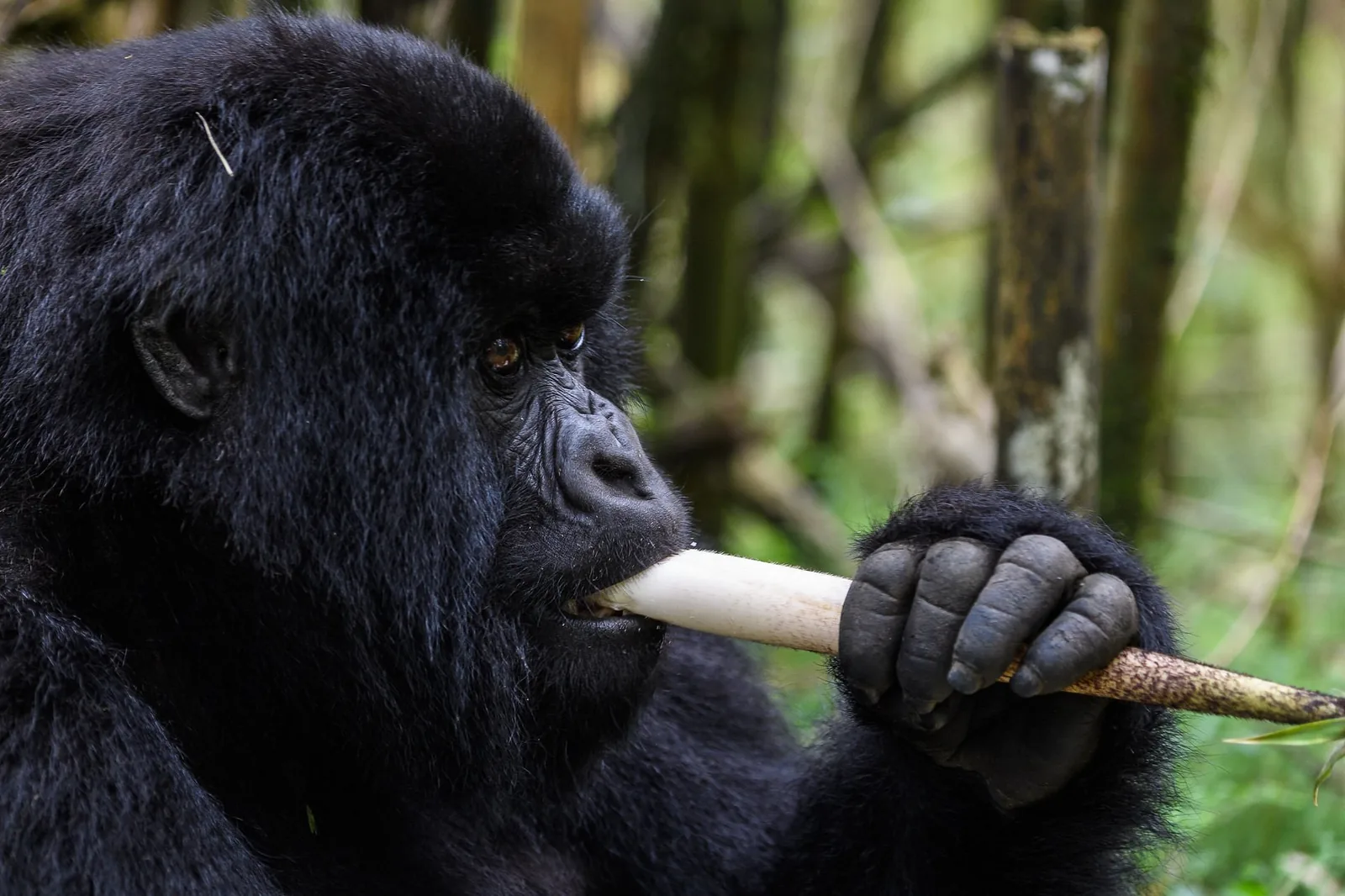
The park protects two remnant forest fragments, Gishwati and Mukura, known for chimpanzees, golden monkeys and a restoration story that has seen cleared land planted back with native trees.
Because tourism here is still developing, accommodation inside the forest is limited, and the practical choice is where to base yourself in the surrounding hills and lakeshore. This guide explains the options without naming particular properties.
This guide is part of our where to stay in Uganda guide. When you are ready to plan, see our Uganda safari packages or the Ameera Africa Safaris Uganda tours homepage.
At a glance
- Main bases: Rubavu on Lake Kivu, Musanze
- Stay types: Lakeshore hotels, guesthouses, eco-stays
- Best for: Primates and forest walks
- Format: Guided day visits
- Combine with: Lake Kivu and Volcanoes
How the Area Is Laid Out
The two forests lie in the western highlands, close to the Congo-Nile divide, with hills, tea plantations and small farms around them. Gishwati is the northern block, reached from the Lake Kivu side, and Mukura lies further south. Rubavu, on the northern shore of Lake Kivu, is the largest nearby town and has the widest choice of accommodation. Musanze, by the volcanoes, is another logical base for travellers on the gorilla circuit. Distances are best checked with your operator when planning. See how to get to Gishwati-Mukura.
Where Each Base Fits
| Base | Character | Why choose it |
|---|---|---|
| Rubavu and the lakeshore | Beach-style lake town with restaurants and hotels | Most choice, relaxed evenings, boat trips |
| Musanze | Volcano base with many lodges | Combining with gorilla trekking |
| Forest-edge guesthouses and eco-stays | Simple rooms close to the forest | Early starts and quiet nights |
| Kibuye (Karongi) | Peaceful lakeside town | Slower itineraries around Lake Kivu |
| Kigali | Capital with all services | Short trips with a long transfer |
Accommodation Types
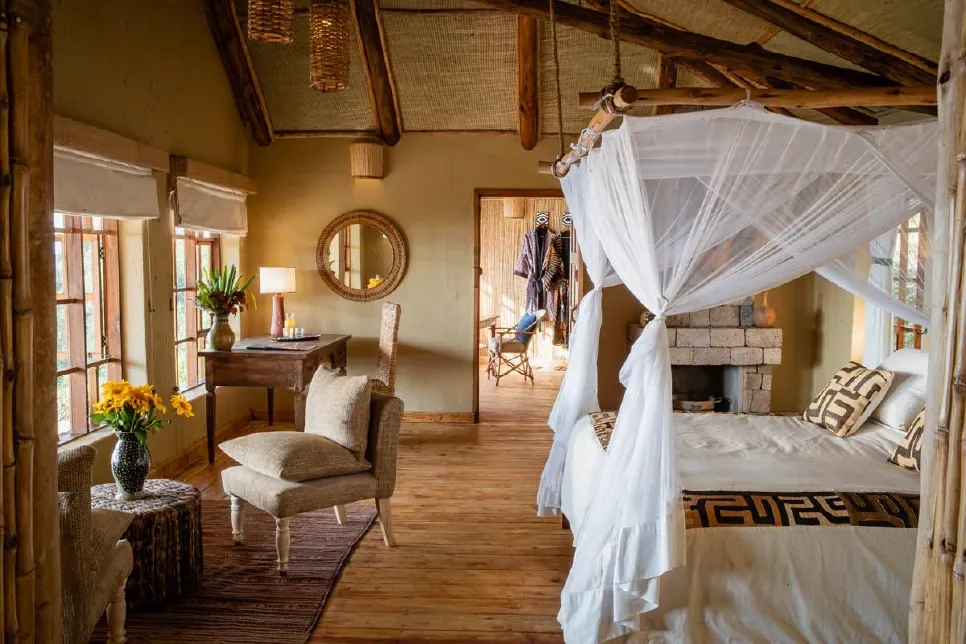
Rubavu offers lakeshore hotels with gardens, terraces and views over the water, along with mid-range guesthouses and simple budget stays. Near the forest, expect small guesthouses and eco-stays run in connection with local communities, with plain rooms and home-style meals. Musanze has a much wider range, from comfortable lodges to simple hotels. Because visitor numbers are modest, the choice inside the park area is smaller than at older parks, so book early and confirm each detail with your operator. See Lake Kivu for lakeshore context.
Who Each Option Suits
Travellers wanting comfort and variety will be happy on the lakeshore, where the evenings are easy and the transfer to the forest is manageable. Nature-focused visitors and birders may enjoy a forest-edge stay for early walks. Those combining chimpanzee and golden monkey experiences with gorillas often choose Musanze, as described in where to stay in Musanze and the volcanoes region. Budget travellers can look at local guesthouses. See Gishwati-Mukura activities.
Location Trade-offs
A forest-edge guesthouse gives early access and quiet, yet facilities are limited, and menu choices may be simple. A lakeshore hotel provides comfort and dining but adds a drive of some length before the morning outing. Musanze offers the most infrastructure, though it adds more driving to reach the forest. Roads in the hills can be winding and slower in rain. If you have limited days, avoid trying to sleep somewhere new every night and instead anchor yourself in one base.
What to Ask When Booking
Ask about the drive time to the park office or trailhead and the condition of the road in wet weather. Confirm what activities are available in the park on your dates and whether guides and permits are arranged through the operator. Ask whether meals are included, what mobile coverage and power supply to expect, and whether the property is comfortable with early departures. For eco-stays, ask how the property supports the community and conservation. Check clothing advice, since forest paths can be muddy.
Seasons and Combining Stops
The forest is wet and cool for much of the year, with the driest spells typically in mid-year and again early in the year. Expect showers at any time and plan waterproof gear. Read best time to visit Gishwati-Mukura and the wildlife guide. The park fits neatly into longer circuits that include Kibuye, Volcanoes and Nyungwe. Compare routes in Gishwati-Mukura itineraries.
Planning a Uganda safari? Send us your dates and we will build the route, permits and transport around what you want to see.
Related Tours, Guides and Resources
- Ameera Africa Safaris homepage: Uganda safaris, tours and holidays
- Uganda safari packages
- Uganda travel guide
- How to book a Uganda safari
- Plan your safari with our team
Itineraries That Include This Experience

Frequently Asked Questions
Related Uganda Safari Pages
- Gishwati-Mukura National Park FAQs: Forest Restoration, Chimpanzees and Visiting
- Rwanda Travel Guide: Location, Capital, Safety and Top Attractions
- Rwanda Safari and Travel Guides: Gorillas, Volcanoes, Nyungwe, Akagera and Kigali
- Where to Stay in Huye (Butare): Guesthouses, Hotels and Nyungwe Stopovers
- Where to Stay at Kibuye and Lake Kivu: Lakeshore Hotels, Islands and Guesthouses
- Where to Stay in Kigali: Neighbourhoods, Hotel Types and Practical Advice
Ready to Plan Your Uganda Safari?
Tell us your dates, group size and interests and our Kampala team will reply with a clear, personal itinerary.
Back to the Ameera Africa Safaris homepage for gorilla trekking safaris in Uganda, our featured tours and the latest Uganda park fees.