
Uganda Birding Tours & Bird Watching Safaris
Forests, wetlands, savannah and mountains — Uganda's habitats make it one of Africa's richest birding countries.
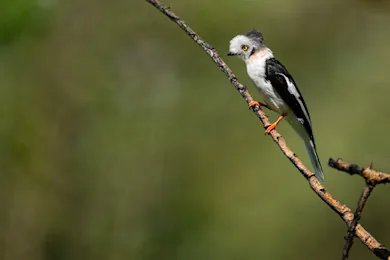
Uganda is regularly described as one of the best birdwatching destinations on the continent. The country sits where several habitats meet — Congo-basin rainforest, East African savannah, Albertine Rift mountains and Lake Victoria wetlands — and each holds its own species. A birding safari here is as much about habitats as lists.
This page explains how to plan one. For a ready-made itinerary, see our 10-day birding safari; for the wider context, visit Uganda tours and safaris.
Where to Go Birding in Uganda
- Mabamba Swamp and the Lake Victoria wetlands for water birds, near Entebbe.
- Murchison Falls National Park for savannah and river species, including a chance of seeing the shoebill by boat.
- Queen Elizabeth National Park for the Kazinga Channel, savannah and forest edge.
- Bwindi and Mgahinga for Albertine Rift endemics. See birding in Mgahinga Gorilla National Park.
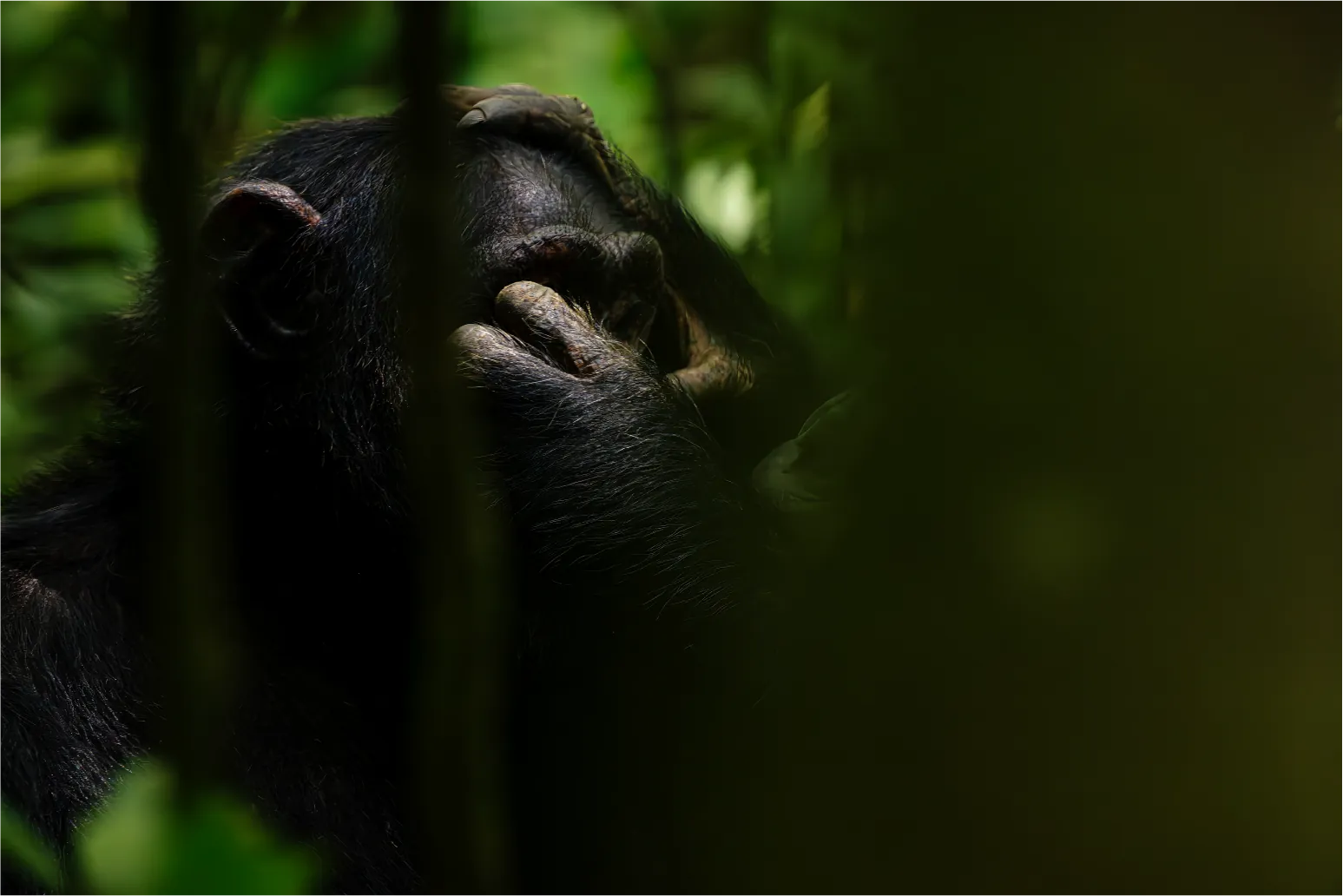
- Kibale and the Bigodi Wetland for forest birds alongside primates.
Best Time for Birding
Birds can be seen all year, but the wetter months, roughly March to May and September to November, bring breeding plumage and migrants. The dry seasons make for easier access. Our season guide helps you choose.
How to Plan a Birding Safari
- Decide how many species or habitats you want to focus on.
- Allow longer stays, so each region gets a morning and an evening.
- Ask for a driver-guide with strong birding experience and a ranger or local specialist where needed.
- Combine birding with primate trekking so the trip offers more than one focus. See gorilla safari packages.
What to Bring
Binoculars, a field guide or app, a camera with a long lens, a hat and lightweight rain protection. Many guides carry a spotting scope; ask when you book.
Top Birding Areas
- Bwindi and Mgahinga: Albertine Rift endemics; see birding in Mgahinga.
- Queen Elizabeth: wetlands, channel and savannah.
- Murchison Falls: including the shoebill search in the delta.
- Semuliki: lowland forest birds; see Semuliki.
- Kidepo: dry-country species.
Tips for Birdwatchers
Go early, use a local guide, bring good binoculars and a field guide or app. Allow extra time per site. Pair birding with other wildlife; see our 10-day bird watching safari and wildlife packages.
Bird Groups to Watch For
Uganda is a top birding destination because forest, savannah, wetland and mountain habitats meet in a small area. Highlights often include shoebill, African green broadbill, great blue turaco, African fish eagle, kingfishers, bee-eaters and hornbills, along with Albertine Rift endemics in the montane forests. Individual species are never guaranteed, so a flexible schedule and an expert local guide improve your chances.
Pacing a Birding Itinerary
Plan early starts, rest in the heat of the day and allow at least two nights in key sites such as Bwindi, Queen Elizabeth and Murchison Falls. Mix birding with other wildlife so non-birding companions stay happy. Take a field guide or app, a notebook and a lightweight scope if you are serious. See wildlife safari packages and Uganda's national parks.
Birding-Friendly Itineraries

Frequently Asked Questions
Ready to Plan Your Uganda Safari?
Tell us your dates, group size and interests and our Kampala team will reply with a clear, personal itinerary.
Related Uganda Safari Activity Guides
Back to the Ameera Africa Safaris homepage for Uganda safari vacations, our featured tours and the latest Uganda park fees.